• Firmographic Data Emerges as a Strategic Engine for Modern B2B Teams

    B2B organizations are increasingly turning to Vereigen Media’s insights on firmographic data to sharpen targeting and drive measurable revenue outcomes. As competition intensifies across industries, businesses are relying on deeper company-level intelligence to refine segmentation, personalize outreach, and improve campaign performance across the buyer journey.
    Firmographic data, which includes attributes such as company size, industry, location, revenue, and organizational structure, has become a foundational element for marketing and sales teams. By leveraging this information, organizations can better understand their ideal customer profiles and allocate resources more efficiently. The growing reliance on data-driven strategies underscores how critical firmographics have become in modern B2B decision-making.
    How Firmographic Intelligence Drives Smarter Targeting
    One of the most significant advantages of firmographic data lies in its ability to enhance precision targeting. Marketing teams can segment audiences based on company characteristics and tailor messaging that resonates with specific business needs. This approach not only improves engagement but also shortens sales cycles by focusing efforts on high-value prospects.
    Sales teams also benefit from firmographic insights by prioritizing leads that align closely with their ideal customer profile. With better visibility into organizational structures and growth indicators, teams can craft more relevant outreach strategies and strengthen relationships with potential buyers.
    Beyond targeting, firmographic data plays a crucial role in account-based marketing initiatives. It enables organizations to identify key accounts, personalize campaigns at scale, and measure success more effectively. As B2B buying committees grow more complex, having accurate company-level intelligence ensures that outreach remains relevant to each stakeholder involved in the decision process.
    Building a Data-Driven Foundation for Revenue Growth
    Organizations that integrate firmographic data into their broader analytics ecosystem often see improved alignment between marketing and sales. Shared insights create a unified view of target accounts, enabling teams to collaborate more effectively and track performance against common goals.
    Additionally, firmographic intelligence supports better forecasting and strategic planning. By analyzing trends across industries and company segments, businesses can identify emerging opportunities and adjust their go-to-market strategies accordingly. This level of insight is particularly valuable in dynamic markets where customer needs evolve rapidly.
    As data privacy and compliance requirements continue to expand, companies are also focusing on maintaining high-quality, ethically sourced firmographic datasets. Reliable data governance practices help ensure accuracy while building trust with prospects and customers.
    Ultimately, firmographic data has evolved from a basic segmentation tool into a strategic asset that powers personalization, improves pipeline quality, and strengthens long-term customer relationships. For B2B teams seeking sustainable growth, investing in robust firmographic intelligence is becoming less of an option and more of a necessity.
    Conclusion
    Firmographic data has moved far beyond its traditional role as a simple segmentation tool. Today, it serves as a b2b demand generation strategy engine that powers smarter targeting, deeper personalization, and stronger alignment between revenue teams. Organizations that embed firmographic intelligence into their core operations gain clearer visibility into their markets, make more informed decisions, and build more resilient pipelines.
    As B2B ecosystems grow increasingly complex, the importance of accurate, actionable company-level insights will only continue to rise. Companies that invest in robust firmographic strategies supported by reliable data governance and cross-functional collaboration position themselves to adapt faster, engage more effectively, and sustain long-term growth. In an era defined by precision and relevance, firmographic intelligence is no longer optional; it is a cornerstone of modern B2B success.
    Firmographic Data Emerges as a Strategic Engine for Modern B2B Teams B2B organizations are increasingly turning to Vereigen Media’s insights on firmographic data to sharpen targeting and drive measurable revenue outcomes. As competition intensifies across industries, businesses are relying on deeper company-level intelligence to refine segmentation, personalize outreach, and improve campaign performance across the buyer journey. Firmographic data, which includes attributes such as company size, industry, location, revenue, and organizational structure, has become a foundational element for marketing and sales teams. By leveraging this information, organizations can better understand their ideal customer profiles and allocate resources more efficiently. The growing reliance on data-driven strategies underscores how critical firmographics have become in modern B2B decision-making. How Firmographic Intelligence Drives Smarter Targeting One of the most significant advantages of firmographic data lies in its ability to enhance precision targeting. Marketing teams can segment audiences based on company characteristics and tailor messaging that resonates with specific business needs. This approach not only improves engagement but also shortens sales cycles by focusing efforts on high-value prospects. Sales teams also benefit from firmographic insights by prioritizing leads that align closely with their ideal customer profile. With better visibility into organizational structures and growth indicators, teams can craft more relevant outreach strategies and strengthen relationships with potential buyers. Beyond targeting, firmographic data plays a crucial role in account-based marketing initiatives. It enables organizations to identify key accounts, personalize campaigns at scale, and measure success more effectively. As B2B buying committees grow more complex, having accurate company-level intelligence ensures that outreach remains relevant to each stakeholder involved in the decision process. Building a Data-Driven Foundation for Revenue Growth Organizations that integrate firmographic data into their broader analytics ecosystem often see improved alignment between marketing and sales. Shared insights create a unified view of target accounts, enabling teams to collaborate more effectively and track performance against common goals. Additionally, firmographic intelligence supports better forecasting and strategic planning. By analyzing trends across industries and company segments, businesses can identify emerging opportunities and adjust their go-to-market strategies accordingly. This level of insight is particularly valuable in dynamic markets where customer needs evolve rapidly. As data privacy and compliance requirements continue to expand, companies are also focusing on maintaining high-quality, ethically sourced firmographic datasets. Reliable data governance practices help ensure accuracy while building trust with prospects and customers. Ultimately, firmographic data has evolved from a basic segmentation tool into a strategic asset that powers personalization, improves pipeline quality, and strengthens long-term customer relationships. For B2B teams seeking sustainable growth, investing in robust firmographic intelligence is becoming less of an option and more of a necessity. Conclusion Firmographic data has moved far beyond its traditional role as a simple segmentation tool. Today, it serves as a b2b demand generation strategy engine that powers smarter targeting, deeper personalization, and stronger alignment between revenue teams. Organizations that embed firmographic intelligence into their core operations gain clearer visibility into their markets, make more informed decisions, and build more resilient pipelines. As B2B ecosystems grow increasingly complex, the importance of accurate, actionable company-level insights will only continue to rise. Companies that invest in robust firmographic strategies supported by reliable data governance and cross-functional collaboration position themselves to adapt faster, engage more effectively, and sustain long-term growth. In an era defined by precision and relevance, firmographic intelligence is no longer optional; it is a cornerstone of modern B2B success.

    0 Commenti ·0 condivisioni ·2K Views ·0 Anteprima
  • DPDP act 2025

    DPDP Act 2025 outlines India’s legal framework for data privacy, lawful processing, penalties, and grievance redressal.
    https://neetiniyaman.com/dpdp-act-rules-2025/
    DPDP act 2025 DPDP Act 2025 outlines India’s legal framework for data privacy, lawful processing, penalties, and grievance redressal. https://neetiniyaman.com/dpdp-act-rules-2025/
    0 Commenti ·0 condivisioni ·775 Views ·0 Anteprima
  • ISO 27000 Certificering: Strengthening Information Security Management

    ISO 27000 certificering refers to a family of international standards designed to help organizations establish, implement, maintain, and continually improve an Information Security Management System (ISMS). In an era where data breaches and cyber threats are increasing, ISO 27000 certificering provides a structured framework to protect sensitive information, ensure data confidentiality, integrity, and availability, and build trust with customers and stakeholders.

    The ISO 27000 series includes several standards, with ISO 27001 being the most widely recognized and certifiable. ISO 27001 defines the requirements for an effective ISMS, while other standards in the series offer guidance on risk management, controls, and best practices. By adopting ISO 27000 certificering, organizations can systematically identify information security risks and apply appropriate controls to mitigate them.

    One of the key benefits of ISO 27000 certificering is improved risk management. Organizations are required to assess potential threats and vulnerabilities related to their information assets. This proactive approach helps reduce the likelihood of data breaches, cyberattacks, and unauthorized access. Regular audits and continuous improvement ensure that security measures remain effective as threats evolve.

    ISO 27000 certificering also supports regulatory compliance. Many industries must comply with data protection laws and security regulations, such as GDPR and local data privacy requirements. Implementing an ISMS aligned with ISO 27000 standards helps organizations demonstrate compliance and due diligence, reducing legal and financial risks associated with non-compliance.

    Another important advantage of ISO 27000 certificering is enhanced business credibility. Certification signals to clients, partners, and stakeholders that the organization takes information security seriously. This can be a competitive advantage, especially when working with international clients or industries that require strict data protection measures. Trust and reputation play a crucial role in long-term business success.

    Implementing ISO 27000 certificering involves defining security policies, assigning roles and responsibilities, conducting risk assessments, and applying security controls across people, processes, and technology. Employee awareness and training are also essential components, as human error is a common cause of security incidents. By fostering a culture of security, organizations strengthen their overall defense posture.

    In today’s digital economy, information is a valuable asset. ISO 27000 certificering helps organizations protect this asset while enabling secure business operations and innovation. It also supports business continuity by ensuring preparedness for incidents and disruptions.

    In conclusion, ISO 27000 certificering is a vital framework for managing information security risks effectively. By implementing international best practices, improving compliance, and enhancing trust, organizations can safeguard their data and achieve sustainable growth in an increasingly connected and security-conscious world.

    https://iasiso-europe.com/dutch/iso-27001-certificering-in-nederland/
    ISO 27000 Certificering: Strengthening Information Security Management ISO 27000 certificering refers to a family of international standards designed to help organizations establish, implement, maintain, and continually improve an Information Security Management System (ISMS). In an era where data breaches and cyber threats are increasing, ISO 27000 certificering provides a structured framework to protect sensitive information, ensure data confidentiality, integrity, and availability, and build trust with customers and stakeholders. The ISO 27000 series includes several standards, with ISO 27001 being the most widely recognized and certifiable. ISO 27001 defines the requirements for an effective ISMS, while other standards in the series offer guidance on risk management, controls, and best practices. By adopting ISO 27000 certificering, organizations can systematically identify information security risks and apply appropriate controls to mitigate them. One of the key benefits of ISO 27000 certificering is improved risk management. Organizations are required to assess potential threats and vulnerabilities related to their information assets. This proactive approach helps reduce the likelihood of data breaches, cyberattacks, and unauthorized access. Regular audits and continuous improvement ensure that security measures remain effective as threats evolve. ISO 27000 certificering also supports regulatory compliance. Many industries must comply with data protection laws and security regulations, such as GDPR and local data privacy requirements. Implementing an ISMS aligned with ISO 27000 standards helps organizations demonstrate compliance and due diligence, reducing legal and financial risks associated with non-compliance. Another important advantage of ISO 27000 certificering is enhanced business credibility. Certification signals to clients, partners, and stakeholders that the organization takes information security seriously. This can be a competitive advantage, especially when working with international clients or industries that require strict data protection measures. Trust and reputation play a crucial role in long-term business success. Implementing ISO 27000 certificering involves defining security policies, assigning roles and responsibilities, conducting risk assessments, and applying security controls across people, processes, and technology. Employee awareness and training are also essential components, as human error is a common cause of security incidents. By fostering a culture of security, organizations strengthen their overall defense posture. In today’s digital economy, information is a valuable asset. ISO 27000 certificering helps organizations protect this asset while enabling secure business operations and innovation. It also supports business continuity by ensuring preparedness for incidents and disruptions. In conclusion, ISO 27000 certificering is a vital framework for managing information security risks effectively. By implementing international best practices, improving compliance, and enhancing trust, organizations can safeguard their data and achieve sustainable growth in an increasingly connected and security-conscious world. https://iasiso-europe.com/dutch/iso-27001-certificering-in-nederland/
    ISO Certificering 27001 | ISO 27001 Certificering Kosten
    iasiso-europe.com
    Behaal ISO certificering 27001 met IS om ervoor te zorgen dat uw bedrijf zijn gevoelige gegevens beschermt tegen mogelijke cyberbeveiligingsaanvallen.
    0 Commenti ·0 condivisioni ·2K Views ·0 Anteprima
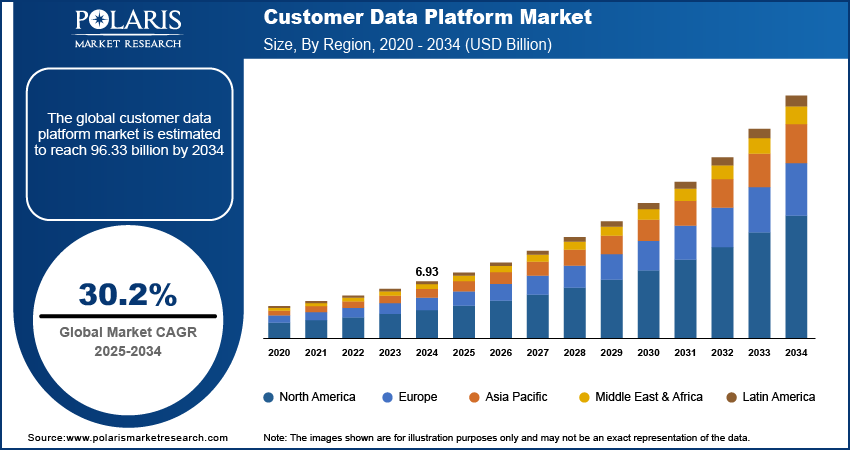
  • The global customer data platform market was valued at USD 6.93 billion in 2024 and is expected to grow at a CAGR of 30.2% during the forecast period.

    The global customer data platform (CDP) market is experiencing strong growth as businesses increasingly recognize the need to unify and leverage customer data for personalized marketing, improved engagement, and data-driven decision-making. A customer data platform enables organizations to collect, consolidate, and manage customer information from multiple sources to create a single, comprehensive view of each customer. This single customer view enhances marketing effectiveness, operational efficiency, and overall customer experience, making CDPs an essential part of modern digital strategies.

    Market Overview
    The customer data platform market is rapidly expanding due to the surge in digital transformation initiatives, the proliferation of online and mobile interactions, and the growing importance of data privacy compliance. Companies across industries—ranging from retail and e-commerce to healthcare, banking, and telecommunications—are deploying CDPs to centralize fragmented customer data from disparate systems such as CRM, marketing automation, social media, and web analytics.

    A CDP acts as a centralized hub that integrates structured and unstructured data into a unified customer profile. This profile enables organizations to gain real-time insights into customer behavior, preferences, and purchase intent. Unlike traditional data management tools, customer data platforms are built to handle massive volumes of multi-channel data and make it accessible to marketers, analysts, and sales teams without requiring advanced technical skills.

    The increasing focus on personalized marketing campaigns and customer engagement has further driven the adoption of CDPs. By enabling hyper-personalization, businesses can deliver relevant content, targeted offers, and customized experiences that enhance customer satisfaction and loyalty. Moreover, as privacy regulations such as GDPR and CCPA emphasize transparent data usage, CDPs help organizations maintain compliance while optimizing marketing performance.

    The integration of artificial intelligence (AI), machine learning (ML), and predictive analytics into customer data platforms is transforming how businesses understand and interact with their customers. These technologies empower marketers to identify patterns, forecast customer behavior, and automate data-driven actions in real time.

    Browse More Insights:https://www.polarismarketresearch.com/industry-analysis/customer-data-platform-market
    The global customer data platform market was valued at USD 6.93 billion in 2024 and is expected to grow at a CAGR of 30.2% during the forecast period. The global customer data platform (CDP) market is experiencing strong growth as businesses increasingly recognize the need to unify and leverage customer data for personalized marketing, improved engagement, and data-driven decision-making. A customer data platform enables organizations to collect, consolidate, and manage customer information from multiple sources to create a single, comprehensive view of each customer. This single customer view enhances marketing effectiveness, operational efficiency, and overall customer experience, making CDPs an essential part of modern digital strategies. Market Overview The customer data platform market is rapidly expanding due to the surge in digital transformation initiatives, the proliferation of online and mobile interactions, and the growing importance of data privacy compliance. Companies across industries—ranging from retail and e-commerce to healthcare, banking, and telecommunications—are deploying CDPs to centralize fragmented customer data from disparate systems such as CRM, marketing automation, social media, and web analytics. A CDP acts as a centralized hub that integrates structured and unstructured data into a unified customer profile. This profile enables organizations to gain real-time insights into customer behavior, preferences, and purchase intent. Unlike traditional data management tools, customer data platforms are built to handle massive volumes of multi-channel data and make it accessible to marketers, analysts, and sales teams without requiring advanced technical skills. The increasing focus on personalized marketing campaigns and customer engagement has further driven the adoption of CDPs. By enabling hyper-personalization, businesses can deliver relevant content, targeted offers, and customized experiences that enhance customer satisfaction and loyalty. Moreover, as privacy regulations such as GDPR and CCPA emphasize transparent data usage, CDPs help organizations maintain compliance while optimizing marketing performance. The integration of artificial intelligence (AI), machine learning (ML), and predictive analytics into customer data platforms is transforming how businesses understand and interact with their customers. These technologies empower marketers to identify patterns, forecast customer behavior, and automate data-driven actions in real time. Browse More Insights:https://www.polarismarketresearch.com/industry-analysis/customer-data-platform-market
    Customer Data Platform Market Driven by 30.2% CAGR (2025-2034)
    www.polarismarketresearch.com
    customer data platform market growth: Skyrocketing from $6.93B to $96.33B by 2034 at 30.2% CAGR. Unlock insights on industry-leading platforms transforming customer experiences.
    0 Commenti ·0 condivisioni ·7K Views ·0 Anteprima