
• Concrete Design Mix Ratio: The Key to High-Performance Construction

    In modern construction, strength and durability depend not just on the materials used but also on how they are proportioned. This is where Concrete Design Mix Ratio plays a crucial role. Unlike traditional nominal mixes that follow fixed ratios, design mix concrete is scientifically engineered to achieve specific performance requirements.

    A design mix is prepared based on factors such as target strength, durability, workability, environmental exposure, and project specifications. Engineers determine the exact proportions of cement, aggregates, water, and admixtures through laboratory testing and mix design calculations.

    What is a Concrete Design Mix?

    A concrete design mix is a customized concrete formulation developed to achieve:

    Required Compressive Strength

    Better Durability

    Improved Workability

    Reduced Material Waste

    Cost Optimization

    Long-Term Structural Performance

    Unlike nominal mixes such as M10 (1:3:6) or M20 (1:1.5:3), design mixes do not follow fixed ratios. Instead, proportions are calculated based on engineering requirements and material properties.

    Components of Design Mix Concrete

    Cement – Provides binding strength

    Fine Aggregate – Improves workability

    Coarse Aggregate – Contributes to structural strength

    Water – Controls hydration and consistency

    Admixtures – Enhance performance characteristics

    The water-cement ratio is one of the most critical factors influencing concrete strength and durability.

    Advantages of Design Mix Concrete
    Higher Strength

    Optimized proportions help achieve target compressive strength more accurately.

    Better Durability

    Improved resistance to environmental conditions and long-term wear.

    Cost Efficiency

    Efficient material utilization reduces unnecessary cement consumption.

    Consistent Quality

    Controlled batching and testing ensure reliable performance.

    Sustainability

    Reduced material wastage and optimized resource usage support green construction practices.

    Importance in Ready Mix Concrete

    Modern Ready Mix Concrete (RMC) plants rely heavily on design mix technology. Automated batching systems ensure precise material measurement and consistent quality across every batch.

    Design mixes are especially important for:

    Industrial Construction

    Commercial Buildings

    Residential Projects

    Infrastructure Development

    Roads and Bridges

    High-performance concrete grades such as M25, M30, M40, M60, and above are typically produced using design mix methods rather than fixed nominal ratios.

    Supporting Industrial Construction

    Industrial projects often require concrete capable of handling heavy loads, machinery vibrations, chemical exposure, and demanding operational conditions. Design mix concrete helps meet these requirements while improving structural reliability and service life.

    Aparna RMC utilizes advanced design mix techniques and ready-mix concrete technology to deliver customized concrete solutions for residential, commercial, and industrial construction projects.

    Read More:
    https://www.aparnarmc.com/everything-you-need-to-know-about-ready-mix-concrete/


    #ConcreteDesignMixRatio #ConcreteMixDesign #ReadyMixConcrete #AparnaRMC #ConcreteTechnology #CivilEngineering #ConstructionIndustry #BuildingMaterials #IndustrialConstruction #CommercialConstruction #ResidentialConstruction #InfrastructureDevelopment #HighPerformanceConcrete #SmartConstruction #SustainableConstruction
    Concrete Design Mix Ratio: The Key to High-Performance Construction In modern construction, strength and durability depend not just on the materials used but also on how they are proportioned. This is where Concrete Design Mix Ratio plays a crucial role. Unlike traditional nominal mixes that follow fixed ratios, design mix concrete is scientifically engineered to achieve specific performance requirements. A design mix is prepared based on factors such as target strength, durability, workability, environmental exposure, and project specifications. Engineers determine the exact proportions of cement, aggregates, water, and admixtures through laboratory testing and mix design calculations. What is a Concrete Design Mix? A concrete design mix is a customized concrete formulation developed to achieve: ✅ Required Compressive Strength ✅ Better Durability ✅ Improved Workability ✅ Reduced Material Waste ✅ Cost Optimization ✅ Long-Term Structural Performance Unlike nominal mixes such as M10 (1:3:6) or M20 (1:1.5:3), design mixes do not follow fixed ratios. Instead, proportions are calculated based on engineering requirements and material properties. Components of Design Mix Concrete 🧱 Cement – Provides binding strength 🏖️ Fine Aggregate – Improves workability 🪨 Coarse Aggregate – Contributes to structural strength 💧 Water – Controls hydration and consistency ⚗️ Admixtures – Enhance performance characteristics The water-cement ratio is one of the most critical factors influencing concrete strength and durability. Advantages of Design Mix Concrete Higher Strength Optimized proportions help achieve target compressive strength more accurately. Better Durability Improved resistance to environmental conditions and long-term wear. Cost Efficiency Efficient material utilization reduces unnecessary cement consumption. Consistent Quality Controlled batching and testing ensure reliable performance. Sustainability Reduced material wastage and optimized resource usage support green construction practices. Importance in Ready Mix Concrete Modern Ready Mix Concrete (RMC) plants rely heavily on design mix technology. Automated batching systems ensure precise material measurement and consistent quality across every batch. Design mixes are especially important for: 🏭 Industrial Construction 🏢 Commercial Buildings 🏠 Residential Projects 🌉 Infrastructure Development 🛣️ Roads and Bridges High-performance concrete grades such as M25, M30, M40, M60, and above are typically produced using design mix methods rather than fixed nominal ratios. Supporting Industrial Construction Industrial projects often require concrete capable of handling heavy loads, machinery vibrations, chemical exposure, and demanding operational conditions. Design mix concrete helps meet these requirements while improving structural reliability and service life. Aparna RMC utilizes advanced design mix techniques and ready-mix concrete technology to deliver customized concrete solutions for residential, commercial, and industrial construction projects. Read More: https://www.aparnarmc.com/everything-you-need-to-know-about-ready-mix-concrete/ #ConcreteDesignMixRatio #ConcreteMixDesign #ReadyMixConcrete #AparnaRMC #ConcreteTechnology #CivilEngineering #ConstructionIndustry #BuildingMaterials #IndustrialConstruction #CommercialConstruction #ResidentialConstruction #InfrastructureDevelopment #HighPerformanceConcrete #SmartConstruction #SustainableConstruction
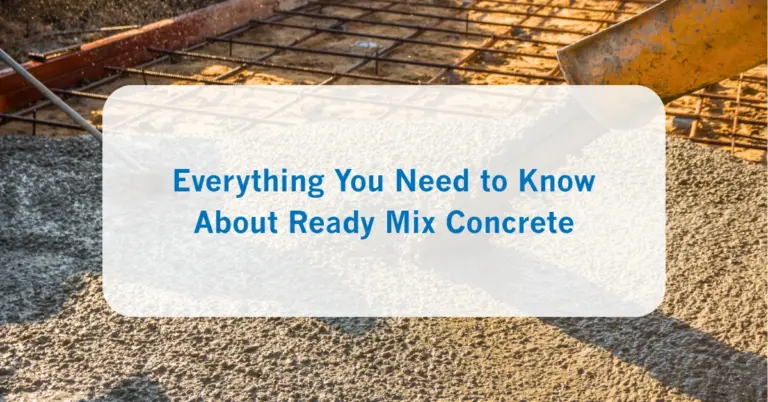
    Everything You Need to Know About Ready Mix Concrete
    www.aparnarmc.com
    Whether you’re building a small house or a large infrastructure project, one question always comes up: “Which concrete should I use?
    0 Commenti ·0 condivisioni ·3K Views ·0 Anteprima
  • Mix Proportion of Concrete: Understanding the Right Balance for Strong Construction

    The strength, durability, and performance of concrete depend largely on its Mix Proportion of Concrete. A proper mix proportion ensures that cement, sand, aggregates, water, and admixtures work together to achieve the desired strength and workability for a specific construction project.

    Concrete mix proportion refers to the ratio of materials used in concrete production. Different construction applications require different mix designs depending on load requirements, environmental conditions, and durability expectations.

    Key Components of Concrete Mix

    Cement – Acts as the binding material

    Fine Aggregate (Sand) – Fills voids and improves workability

    Coarse Aggregate – Provides strength and volume

    Water – Initiates the hydration process

    Admixtures – Enhance specific performance characteristics

    Common Concrete Mix Proportions

    Traditional nominal mix ratios include:

    M10 → 1 : 3 : 6
    M15 → 1 : 2 : 4
    M20 → 1 : 1.5 : 3

    However, modern construction increasingly relies on design mix concrete, where proportions are scientifically calculated based on strength, durability, and project requirements rather than fixed ratios.

    Why Proper Mix Proportion Matters

    Improved Strength

    Better Durability

    Enhanced Workability

    Reduced Cracking

    Lower Material Waste

    Cost-Effective Construction

    A well-designed concrete mix helps structures withstand environmental exposure, heavy loads, and long service life requirements.

    Ready Mix Concrete and Mix Design

    Modern Ready Mix Concrete (RMC) plants use advanced mix design techniques to ensure consistency and quality. Automated batching systems precisely measure every ingredient, reducing human error and improving performance.

    Unlike traditional site mixing, ready-mix concrete provides:

    Consistent Quality
    Faster Construction
    Accurate Material Proportioning
    Better Resource Utilization
    Improved Structural Performance
    Importance in Industrial Construction

    Industrial projects require concrete capable of handling heavy machinery loads, high traffic, chemical exposure, and demanding operational conditions. Proper mix proportioning becomes even more critical in such environments.

    High-performance concrete mixes used in industrial construction are designed to provide:

    High Load-Bearing Capacity

    Long-Term Durability

    Chemical Resistance

    Reduced Maintenance Requirements

    Improved Structural Reliability

    Aparna RMC emphasizes advanced ready-mix concrete solutions for industrial construction through carefully engineered mix designs that optimize performance, durability, and sustainability.

    Whether you're constructing a residential building, commercial complex, or industrial facility, selecting the right concrete mix proportion is essential for ensuring long-lasting structural integrity.

    Read More:
    https://www.aparnarmc.com/ready-mix-concrete-for-industrial-construction/


    #MixProportionOfConcrete #ConcreteMixDesign #ReadyMixConcrete #AparnaRMC #ConcreteTechnology #CivilEngineering #ConstructionIndustry #BuildingMaterials #IndustrialConstruction #CommercialConstruction #ResidentialConstruction #InfrastructureDevelopment #HighPerformanceConcrete #SmartConstruction #SustainableConstruction
    Mix Proportion of Concrete: Understanding the Right Balance for Strong Construction The strength, durability, and performance of concrete depend largely on its Mix Proportion of Concrete. A proper mix proportion ensures that cement, sand, aggregates, water, and admixtures work together to achieve the desired strength and workability for a specific construction project. Concrete mix proportion refers to the ratio of materials used in concrete production. Different construction applications require different mix designs depending on load requirements, environmental conditions, and durability expectations. Key Components of Concrete Mix 🧱 Cement – Acts as the binding material 🏖️ Fine Aggregate (Sand) – Fills voids and improves workability 🪨 Coarse Aggregate – Provides strength and volume 💧 Water – Initiates the hydration process ⚗️ Admixtures – Enhance specific performance characteristics Common Concrete Mix Proportions Traditional nominal mix ratios include: M10 → 1 : 3 : 6 M15 → 1 : 2 : 4 M20 → 1 : 1.5 : 3 However, modern construction increasingly relies on design mix concrete, where proportions are scientifically calculated based on strength, durability, and project requirements rather than fixed ratios. Why Proper Mix Proportion Matters ✅ Improved Strength ✅ Better Durability ✅ Enhanced Workability ✅ Reduced Cracking ✅ Lower Material Waste ✅ Cost-Effective Construction A well-designed concrete mix helps structures withstand environmental exposure, heavy loads, and long service life requirements. Ready Mix Concrete and Mix Design Modern Ready Mix Concrete (RMC) plants use advanced mix design techniques to ensure consistency and quality. Automated batching systems precisely measure every ingredient, reducing human error and improving performance. Unlike traditional site mixing, ready-mix concrete provides: Consistent Quality Faster Construction Accurate Material Proportioning Better Resource Utilization Improved Structural Performance Importance in Industrial Construction Industrial projects require concrete capable of handling heavy machinery loads, high traffic, chemical exposure, and demanding operational conditions. Proper mix proportioning becomes even more critical in such environments. High-performance concrete mixes used in industrial construction are designed to provide: 🏭 High Load-Bearing Capacity 🏭 Long-Term Durability 🏭 Chemical Resistance 🏭 Reduced Maintenance Requirements 🏭 Improved Structural Reliability Aparna RMC emphasizes advanced ready-mix concrete solutions for industrial construction through carefully engineered mix designs that optimize performance, durability, and sustainability. Whether you're constructing a residential building, commercial complex, or industrial facility, selecting the right concrete mix proportion is essential for ensuring long-lasting structural integrity. Read More: https://www.aparnarmc.com/ready-mix-concrete-for-industrial-construction/ #MixProportionOfConcrete #ConcreteMixDesign #ReadyMixConcrete #AparnaRMC #ConcreteTechnology #CivilEngineering #ConstructionIndustry #BuildingMaterials #IndustrialConstruction #CommercialConstruction #ResidentialConstruction #InfrastructureDevelopment #HighPerformanceConcrete #SmartConstruction #SustainableConstruction
    Industrial
    www.aparnarmc.com
    Aparna RMC offers custom ready-mix concrete for industrial needs—durable, digitally tracked, and delivered on time, every time.
    0 Commenti ·0 condivisioni ·2K Views ·0 Anteprima
  • Concrete Mix Design: The Science Behind Stronger and More Sustainable Construction

    Concrete is one of the most widely used construction materials in the world, but its performance depends heavily on proper Concrete Mix Design. A well-designed concrete mix ensures the right balance of strength, durability, workability, and sustainability for a specific construction application.

    Concrete mix design is the process of selecting and proportioning cement, aggregates, water, and admixtures to achieve desired performance characteristics. Modern mix design goes beyond basic strength requirements and focuses on durability, environmental impact, and long-term structural efficiency. Advances in materials and engineering continue to improve how concrete is designed and produced.

    Why Concrete Mix Design Matters

    Higher Strength Performance

    Improved Durability

    Better Workability

    Reduced Material Waste

    Enhanced Sustainability

    Cost-Effective Construction

    A properly designed mix helps ensure that structures can withstand environmental conditions, heavy loads, and long service life requirements while minimizing maintenance costs.

    Key Components of Concrete Mix Design
    Cement

    Acts as the binding material that holds the mix together.

    Fine Aggregates

    Typically sand, which fills voids and improves workability.

    Coarse Aggregates

    Provide bulk and contribute to structural strength.

    Water

    Initiates hydration and affects both strength and workability.

    Admixtures

    Used to improve performance characteristics such as setting time, durability, and flowability.

    Innovations in Modern Concrete Mix Design

    The construction industry is increasingly focusing on performance-based and sustainable mix designs. Modern innovations include:

    High-Performance Concrete
    Self-Compacting Concrete
    Lightweight Concrete
    Fiber Reinforced Concrete
    Green Concrete
    3D Printing Concrete Mixes

    Advanced mix designs use supplementary materials such as fly ash, GGBS, silica fume, and specialized admixtures to reduce cement consumption while maintaining strength and durability. Machine-learning-based mix optimization is also emerging as a tool to improve performance and reduce environmental impact.

    Sustainability Through Better Mix Design

    Sustainable construction is becoming a major priority worldwide. Optimized concrete mix designs help reduce carbon emissions, improve resource efficiency, and extend the lifespan of structures. Alternative materials and innovative mix formulations are helping engineers develop greener and more durable construction solutions.

    Role of Technology in Concrete Design

    Digital tools, laboratory testing, automated batching systems, and data-driven optimization techniques are transforming concrete production. These technologies help manufacturers deliver consistent quality and customized solutions for different project requirements. Advanced applications such as 3D concrete printing also depend heavily on specialized mix designs that balance workability, buildability, and strength.

    Aparna RMC highlights how innovations in concrete mix design can enhance both performance and sustainability, supporting modern construction projects with advanced concrete solutions.

    Read More:
    https://www.aparnarmc.com/innovations-in-concrete-mix-design-enhancing-performance-and-sustainability/


    #ConcreteMixDesign #ConcreteTechnology #ReadyMixConcrete #AparnaRMC #ConstructionIndustry #CivilEngineering #HighPerformanceConcrete #GreenConcrete #SustainableConstruction #FiberReinforcedConcrete #ConstructionInnovation #BuildingMaterials #InfrastructureDevelopment #SmartConstruction #ModernConstruction
    Concrete Mix Design: The Science Behind Stronger and More Sustainable Construction Concrete is one of the most widely used construction materials in the world, but its performance depends heavily on proper Concrete Mix Design. A well-designed concrete mix ensures the right balance of strength, durability, workability, and sustainability for a specific construction application. Concrete mix design is the process of selecting and proportioning cement, aggregates, water, and admixtures to achieve desired performance characteristics. Modern mix design goes beyond basic strength requirements and focuses on durability, environmental impact, and long-term structural efficiency. Advances in materials and engineering continue to improve how concrete is designed and produced. Why Concrete Mix Design Matters ✅ Higher Strength Performance ✅ Improved Durability ✅ Better Workability ✅ Reduced Material Waste ✅ Enhanced Sustainability ✅ Cost-Effective Construction A properly designed mix helps ensure that structures can withstand environmental conditions, heavy loads, and long service life requirements while minimizing maintenance costs. Key Components of Concrete Mix Design Cement Acts as the binding material that holds the mix together. Fine Aggregates Typically sand, which fills voids and improves workability. Coarse Aggregates Provide bulk and contribute to structural strength. Water Initiates hydration and affects both strength and workability. Admixtures Used to improve performance characteristics such as setting time, durability, and flowability. Innovations in Modern Concrete Mix Design The construction industry is increasingly focusing on performance-based and sustainable mix designs. Modern innovations include: High-Performance Concrete Self-Compacting Concrete Lightweight Concrete Fiber Reinforced Concrete Green Concrete 3D Printing Concrete Mixes Advanced mix designs use supplementary materials such as fly ash, GGBS, silica fume, and specialized admixtures to reduce cement consumption while maintaining strength and durability. Machine-learning-based mix optimization is also emerging as a tool to improve performance and reduce environmental impact. Sustainability Through Better Mix Design Sustainable construction is becoming a major priority worldwide. Optimized concrete mix designs help reduce carbon emissions, improve resource efficiency, and extend the lifespan of structures. Alternative materials and innovative mix formulations are helping engineers develop greener and more durable construction solutions. Role of Technology in Concrete Design Digital tools, laboratory testing, automated batching systems, and data-driven optimization techniques are transforming concrete production. These technologies help manufacturers deliver consistent quality and customized solutions for different project requirements. Advanced applications such as 3D concrete printing also depend heavily on specialized mix designs that balance workability, buildability, and strength. Aparna RMC highlights how innovations in concrete mix design can enhance both performance and sustainability, supporting modern construction projects with advanced concrete solutions. Read More: https://www.aparnarmc.com/innovations-in-concrete-mix-design-enhancing-performance-and-sustainability/ #ConcreteMixDesign #ConcreteTechnology #ReadyMixConcrete #AparnaRMC #ConstructionIndustry #CivilEngineering #HighPerformanceConcrete #GreenConcrete #SustainableConstruction #FiberReinforcedConcrete #ConstructionInnovation #BuildingMaterials #InfrastructureDevelopment #SmartConstruction #ModernConstruction
    Innovations in Concrete Mix Design: Enhancing Performance and Sustainability
    www.aparnarmc.com
    Discover cutting-edge concrete mix designs, from geopolymer concrete to nanotechnology, and see how Aparna RMC leads in sustainable RMC solutions.
    0 Commenti ·0 condivisioni ·3K Views ·0 Anteprima

  • Services for Landslide Monitoring – Avacam provide reliable and data-driven solutions for detecting slope instability and environmental hazards in real time. Using advanced industrial sensors, remote connectivity, cloud-based analytics, and automated warning systems, Avacam enables continuous monitoring of ground movement and environmental conditions, helping organizations reduce risks, improve safety, and protect critical infrastructure from potential landslide events.
    https://avacam.io/en/services/landslide-monitoring/
    Services for Landslide Monitoring – Avacam provide reliable and data-driven solutions for detecting slope instability and environmental hazards in real time. Using advanced industrial sensors, remote connectivity, cloud-based analytics, and automated warning systems, Avacam enables continuous monitoring of ground movement and environmental conditions, helping organizations reduce risks, improve safety, and protect critical infrastructure from potential landslide events. https://avacam.io/en/services/landslide-monitoring/
    Services for landslide monitoring - Avacam
    avacam.io
    Learn how Avacam's devices are critical for monitoring natural disasters, contributing to the safety of hazardous areas.
    0 Commenti ·0 condivisioni ·650 Views ·0 Anteprima
  • How Climate and Environment Shape Modern Housing Decisions?

    Climate and environmental factors increasingly shape modern housing decisions, as buyers consider risks like extreme weather, flooding, and heat. Energy efficiency, sustainability, and access to green spaces also influence choices, driving demand for resilient, eco-friendly homes that reduce long-term costs while supporting healthier living and adapting to changing environmental conditions.

    Visit https://www.alexmonge.ca/News/1442975/how-climate-and-environment-shape-modern-housing-decisions
    How Climate and Environment Shape Modern Housing Decisions? Climate and environmental factors increasingly shape modern housing decisions, as buyers consider risks like extreme weather, flooding, and heat. Energy efficiency, sustainability, and access to green spaces also influence choices, driving demand for resilient, eco-friendly homes that reduce long-term costs while supporting healthier living and adapting to changing environmental conditions. Visit https://www.alexmonge.ca/News/1442975/how-climate-and-environment-shape-modern-housing-decisions
    How Climate and Environment Shape Modern Housing Decisions? | Top Real Estate Agent Barrie | Broker & Realtor Ontario | Alex Monge
    www.alexmonge.ca
    Climate, weather patterns, and environmental risks now influence housing choices. See how buyers evaluate sustainability, safety, and long-term livability.
    0 Commenti ·0 condivisioni ·459 Views ·0 Anteprima
  • Industries and construction sites as well as residential buildings and outdoor electrical installations extensively use rubber cables because these cables provide flexibility and durability while being built to endure severe environmental conditions.

    Read More: https://www.pr3-articles.com/Articles-of-2024/complete-buying-guide-rubber-cable-types-benefits-and-safety-standards
    Industries and construction sites as well as residential buildings and outdoor electrical installations extensively use rubber cables because these cables provide flexibility and durability while being built to endure severe environmental conditions. Read More: https://www.pr3-articles.com/Articles-of-2024/complete-buying-guide-rubber-cable-types-benefits-and-safety-standards
    0 Commenti ·0 condivisioni ·978 Views ·0 Anteprima
  • One of the essential requirements for cables used in industrial wiring is their ability to withstand tough environmental conditions, going along with mechanical load and continuous use over long periods.

    Read More: https://znergy.federatedjournals.com/type-409-cable-features-applications-and-advantages-in-industrial-wiring/
    One of the essential requirements for cables used in industrial wiring is their ability to withstand tough environmental conditions, going along with mechanical load and continuous use over long periods. Read More: https://znergy.federatedjournals.com/type-409-cable-features-applications-and-advantages-in-industrial-wiring/
    Type 409 Cable: Features, Applications, and Advantages in Industrial Wiring
    znergy.federatedjournals.com
    One of the essential requirements for cables used in industrial wiring is their ability to withstand tough environmental conditions, going along with mechanical load and continuous use over long periods. The choice of the right cable type is very crucial if the three factors namely, safety, effectiveness, and longevity of
    0 Commenti ·0 condivisioni ·796 Views ·0 Anteprima
  • Mining‍‌‍‍‌ ranks among the most challenging industrial sectors regarding the environmental conditions of the workplace.

    Read More: https://www.auseka.com.au/blog/top-types-of-mining-cables-for-safe-and-efficient-operations
    Mining‍‌‍‍‌ ranks among the most challenging industrial sectors regarding the environmental conditions of the workplace. Read More: https://www.auseka.com.au/blog/top-types-of-mining-cables-for-safe-and-efficient-operations
    Top Types of Mining Cables for Safe and Efficient Operations
    www.auseka.com.au
    Here is what we are going to cover in this post about the main types of mining cables, like type 241.1 mining cable and type 245 mining cable, along with their applications and features
    0 Commenti ·0 condivisioni ·1K Views ·0 Anteprima
  • corrugated sheets manufacturer india

    Goodluck India Limited is a leading corrugated sheets manufacturer India, offering durable and high-quality roofing and cladding solutions for industrial, commercial, agricultural, and infrastructure applications. Manufactured using premium-grade galvanized and color-coated steel, these corrugated sheets provide excellent strength, weather resistance, and long service life. Designed to withstand harsh environmental conditions, they are ideal for warehouses, factories, sheds, rural structures, and large-scale construction projects.

    With advanced manufacturing facilities and strict quality control processes, Goodluck India Limited ensures consistent thickness, precise corrugation profiles, and superior surface finish in every product. The corrugated sheets are available in various sizes, thicknesses, and coatings to meet diverse project requirements. As a trusted corrugated sheets manufacturer in India, Goodluck India Limited serves both domestic and export markets, delivering reliable, cost-effective, and high-performance steel roofing solutions.

    Visit : https://www.goodluckindia.com/
    corrugated sheets manufacturer india Goodluck India Limited is a leading corrugated sheets manufacturer India, offering durable and high-quality roofing and cladding solutions for industrial, commercial, agricultural, and infrastructure applications. Manufactured using premium-grade galvanized and color-coated steel, these corrugated sheets provide excellent strength, weather resistance, and long service life. Designed to withstand harsh environmental conditions, they are ideal for warehouses, factories, sheds, rural structures, and large-scale construction projects. With advanced manufacturing facilities and strict quality control processes, Goodluck India Limited ensures consistent thickness, precise corrugation profiles, and superior surface finish in every product. The corrugated sheets are available in various sizes, thicknesses, and coatings to meet diverse project requirements. As a trusted corrugated sheets manufacturer in India, Goodluck India Limited serves both domestic and export markets, delivering reliable, cost-effective, and high-performance steel roofing solutions. Visit : https://www.goodluckindia.com/
    www.goodluckindia.com
    Goodluck India offers Precision Forgings and Metal Forging Solutions, along with Tubes, Flanges, Towers, and more. 37 years of manufacturing expertise.
    0 Commenti ·0 condivisioni ·2K Views ·0 Anteprima
  • Castor Organic Carrier Oil

    Ricinus communis is a species of perennial flowering plant in the Euphorbiaceae spurge family. Castor Carrier Oil is popularly used as an emulsifying agent. It also acts as a protective barrier on your skin that will protect against harsh environmental conditions. The Oil is popular as a conditioning agent in hair-care products and is widely used in skin-care and soap-making products. Read more: https://aromaticscanada.ca/shop/oils/carrier-oils-organic/castor-organic-carrier-oil

    #castororganiccarrieroil #carrieroil
    Castor Organic Carrier Oil Ricinus communis is a species of perennial flowering plant in the Euphorbiaceae spurge family. Castor Carrier Oil is popularly used as an emulsifying agent. It also acts as a protective barrier on your skin that will protect against harsh environmental conditions. The Oil is popular as a conditioning agent in hair-care products and is widely used in skin-care and soap-making products. Read more: https://aromaticscanada.ca/shop/oils/carrier-oils-organic/castor-organic-carrier-oil #castororganiccarrieroil #carrieroil
    Castor Organic Carrier Oil - Aromatics Canada Inc.
    aromaticscanada.ca
    Botanical Name: Ricinus communis. Type: Unrefined (Extra Virgin) Plant Part: Seeds. Origin: India. Processing Method: Expeller Pressed Product Description: Ricinus communis is a species of perennial flowering plant in the Euphorbiaceae spurge family. Castor Carrier Oil is popularly used as an emulsifying agent. It also acts as a protective barrier on your skin that will protect against harsh environmental conditions. [...]
    0 Commenti ·0 condivisioni ·3K Views ·0 Anteprima
  • Mobile Network in Andaman

    https://www.traveltourister.com/andaman-tourism/mobile-network-in-andaman/

    The mobile network in the Andaman and Nicobar Islands is functional but limited, and travelers should be prepared for variable connectivity across different regions of the archipelago. BSNL remains the most widely available network, offering the broadest reach that extends even into many remote and less-developed islands, although data speeds may be modest and sometimes inconsistent. Airtel provides good coverage in major areas such as Port Blair and popular tourist destinations like Havelock and Neil Island, delivering relatively stable 4G connectivity where available, but its signal tends to weaken quickly as you move toward secluded beaches, forested areas, or smaller islands. Jio is present and works reasonably well in urban centers and certain populated zones, but its coverage is generally patchier than Airtel or BSNL outside the main hotspots. Vodafone-Idea (Vi) has the most limited presence, typically functioning only in Port Blair and select nearby locations, making it the least reliable choice for visitors planning to explore beyond town limits. Because the islands are geographically isolated and surrounded by the sea, network fluctuations are common, especially during bad weather or while traveling between islands by ferry. Internet speeds can vary significantly, and there may be periods with little to no connectivity. For a smoother experience, travelers are advised to carry a BSNL SIM for maximum coverage and rely on Airtel or Jio only if most of their stay is within well-connected areas. Downloading offline maps, saving travel details, and preparing for intermittent network access is essential, particularly when visiting remote beaches, undertaking water activities, or exploring eco-sensitive regions where reception may drop entirely. Overall, while mobile networks in Andaman provide basic communication needs, expectations should remain flexible, with connectivity often dependent on location and environmental conditions.
    Mobile Network in Andaman https://www.traveltourister.com/andaman-tourism/mobile-network-in-andaman/ The mobile network in the Andaman and Nicobar Islands is functional but limited, and travelers should be prepared for variable connectivity across different regions of the archipelago. BSNL remains the most widely available network, offering the broadest reach that extends even into many remote and less-developed islands, although data speeds may be modest and sometimes inconsistent. Airtel provides good coverage in major areas such as Port Blair and popular tourist destinations like Havelock and Neil Island, delivering relatively stable 4G connectivity where available, but its signal tends to weaken quickly as you move toward secluded beaches, forested areas, or smaller islands. Jio is present and works reasonably well in urban centers and certain populated zones, but its coverage is generally patchier than Airtel or BSNL outside the main hotspots. Vodafone-Idea (Vi) has the most limited presence, typically functioning only in Port Blair and select nearby locations, making it the least reliable choice for visitors planning to explore beyond town limits. Because the islands are geographically isolated and surrounded by the sea, network fluctuations are common, especially during bad weather or while traveling between islands by ferry. Internet speeds can vary significantly, and there may be periods with little to no connectivity. For a smoother experience, travelers are advised to carry a BSNL SIM for maximum coverage and rely on Airtel or Jio only if most of their stay is within well-connected areas. Downloading offline maps, saving travel details, and preparing for intermittent network access is essential, particularly when visiting remote beaches, undertaking water activities, or exploring eco-sensitive regions where reception may drop entirely. Overall, while mobile networks in Andaman provide basic communication needs, expectations should remain flexible, with connectivity often dependent on location and environmental conditions.
    0 Commenti ·0 condivisioni ·2K Views ·0 Anteprima
  • Strengthening Environmental Management Through Formation ISO 14001

    Introduction to Formation ISO 14001

    Formation ISO 14001 provides individuals and organizations with the knowledge and skills required to implement and maintain an effective Environmental Management System (EMS) in accordance with the ISO 14001 standard. This training is designed for professionals aiming to enhance environmental performance, reduce ecological impact, and ensure compliance with environmental laws and regulations. It offers a comprehensive understanding of the ISO 14001 framework, the principles of sustainable resource management, and the methods required to establish a structured and efficient EMS.

    Key Objectives of ISO 14001 Training

    The primary aim of formation ISO 14001 is to equip participants with the competencies needed to integrate environmental considerations into operational processes. The course covers important topics such as environmental risk assessment, life-cycle thinking, pollution prevention, waste management, and the identification of environmental aspects and impacts. Through practical examples and case studies, learners gain insights into setting environmental objectives, implementing controls, conducting internal audits, and fostering a culture of continuous improvement. This training ensures that participants are prepared to contribute effectively to the organization's environmental strategy.

    Benefits of Formation ISO 14001

    Formation ISO 14001 offers significant advantages for both individuals and organizations. For professionals, it enhances their expertise, making them valuable resources in environmental compliance and sustainable management roles. For businesses, the training helps establish a proactive approach to environmental protection, reducing operational risks and improving efficiency. Organizations benefit from lower waste, optimized resource usage, and reduced regulatory penalties. Additionally, implementing the knowledge from this training supports corporate reputation, promotes stakeholder trust, and improves competitiveness by demonstrating a commitment to environmental responsibility.

    How ISO 14001 Training Supports EMS Implementation

    Effective EMS implementation requires structured planning, documentation, monitoring, and evaluation. Formation ISO 14001 guides participants through each stage, from understanding the context of the organization and leadership responsibilities to operational planning and performance evaluation. Participants learn how to develop policies, manage emergency preparedness, and engage employees at all levels to ensure consistent environmental performance. The training also highlights the importance of continual improvement, ensuring that organizations adapt to changing environmental conditions and regulatory requirements.

    Conclusion

    Formation ISO 14001 is an essential step for organizations and individuals seeking to strengthen their environmental management capabilities. By providing a deeper understanding of the ISO 14001 standard and its practical application, the training empowers professionals to implement effective strategies that reduce environmental impact and enhance sustainability. Ultimately, formation ISO 14001 supports the creation of responsible, compliant, and future-focused organizations committed to protecting the environment and promoting long-term ecological balance.

    Read more: https://iasiso-europe.com/french/iso-14001-chef-auditeur-formation-en-france/

    Strengthening Environmental Management Through Formation ISO 14001 Introduction to Formation ISO 14001 Formation ISO 14001 provides individuals and organizations with the knowledge and skills required to implement and maintain an effective Environmental Management System (EMS) in accordance with the ISO 14001 standard. This training is designed for professionals aiming to enhance environmental performance, reduce ecological impact, and ensure compliance with environmental laws and regulations. It offers a comprehensive understanding of the ISO 14001 framework, the principles of sustainable resource management, and the methods required to establish a structured and efficient EMS. Key Objectives of ISO 14001 Training The primary aim of formation ISO 14001 is to equip participants with the competencies needed to integrate environmental considerations into operational processes. The course covers important topics such as environmental risk assessment, life-cycle thinking, pollution prevention, waste management, and the identification of environmental aspects and impacts. Through practical examples and case studies, learners gain insights into setting environmental objectives, implementing controls, conducting internal audits, and fostering a culture of continuous improvement. This training ensures that participants are prepared to contribute effectively to the organization's environmental strategy. Benefits of Formation ISO 14001 Formation ISO 14001 offers significant advantages for both individuals and organizations. For professionals, it enhances their expertise, making them valuable resources in environmental compliance and sustainable management roles. For businesses, the training helps establish a proactive approach to environmental protection, reducing operational risks and improving efficiency. Organizations benefit from lower waste, optimized resource usage, and reduced regulatory penalties. Additionally, implementing the knowledge from this training supports corporate reputation, promotes stakeholder trust, and improves competitiveness by demonstrating a commitment to environmental responsibility. How ISO 14001 Training Supports EMS Implementation Effective EMS implementation requires structured planning, documentation, monitoring, and evaluation. Formation ISO 14001 guides participants through each stage, from understanding the context of the organization and leadership responsibilities to operational planning and performance evaluation. Participants learn how to develop policies, manage emergency preparedness, and engage employees at all levels to ensure consistent environmental performance. The training also highlights the importance of continual improvement, ensuring that organizations adapt to changing environmental conditions and regulatory requirements. Conclusion Formation ISO 14001 is an essential step for organizations and individuals seeking to strengthen their environmental management capabilities. By providing a deeper understanding of the ISO 14001 standard and its practical application, the training empowers professionals to implement effective strategies that reduce environmental impact and enhance sustainability. Ultimately, formation ISO 14001 supports the creation of responsible, compliant, and future-focused organizations committed to protecting the environment and promoting long-term ecological balance. Read more: https://iasiso-europe.com/french/iso-14001-chef-auditeur-formation-en-france/
    Formation ISO 14001 | Cours d'auditeur principal ISO 14001
    iasiso-europe.com
    Améliorez vos compétences en audit et devenez un auditeur principal certifié IRCA grâce à la formation ISO 14001 par IAS ! S'inscrire maintenant!
    0 Commenti ·0 condivisioni ·3K Views ·0 Anteprima

Pagine in Evidenza