• # ISO Training: The Foundation for Successful Management System Implementation

    ISO training is an essential step for organizations seeking to implement, maintain, and improve internationally recognized management systems. It equips employees, managers, and auditors with the knowledge and skills required to understand ISO standards, ensure compliance, and contribute to continuous improvement initiatives. Effective ISO training helps businesses maximize the benefits of certification while building a culture of quality, efficiency, and accountability.

    Organizations across various industries adopt ISO standards to enhance performance and meet customer expectations. Popular standards include ISO 9001 for Quality Management Systems, ISO 14001 for Environmental Management Systems, ISO 45001 for Occupational Health and Safety Management Systems, ISO 27001 for Information Security Management Systems, and ISO 13485 for Medical Device Quality Management Systems. Training ensures that employees understand the requirements of these standards and their role in achieving compliance.

    One of the key advantages of ISO training is improved employee competence. Participants gain a clear understanding of management system principles, process-based approaches, risk management, and continual improvement methodologies. This knowledge enables employees to perform their responsibilities more effectively and contribute to organizational objectives.

    ISO training also supports successful certification and audit readiness. Employees learn how to maintain required documentation, follow established procedures, identify nonconformities, and participate in internal and external audits. Well-trained teams are better prepared to demonstrate compliance and maintain certification requirements.

    Another important benefit is enhanced operational efficiency. Through training, employees learn how to identify process improvements, eliminate inefficiencies, reduce errors, and implement corrective actions. These improvements can lead to increased productivity, lower operational costs, and better overall business performance.

    Internal auditor training is a critical component of many ISO programs. Internal auditors are trained to assess management system effectiveness, identify opportunities for improvement, and verify compliance with applicable standards. Regular internal audits help organizations maintain strong management systems and support continual improvement efforts.

    ISO training also promotes a culture of quality and responsibility throughout the organization. When employees understand the importance of compliance, customer satisfaction, and risk management, they become more engaged in achieving organizational goals and maintaining high standards of performance.

    In conclusion, ISO training is a valuable investment that strengthens employee capabilities and supports effective management system implementation. By providing the necessary knowledge and practical skills, organizations can improve compliance, enhance operational efficiency, achieve certification objectives, and build a foundation for long-term business success.
    https://iasiso-australia.com/iso-training-in-australia/
    # ISO Training: The Foundation for Successful Management System Implementation ISO training is an essential step for organizations seeking to implement, maintain, and improve internationally recognized management systems. It equips employees, managers, and auditors with the knowledge and skills required to understand ISO standards, ensure compliance, and contribute to continuous improvement initiatives. Effective ISO training helps businesses maximize the benefits of certification while building a culture of quality, efficiency, and accountability. Organizations across various industries adopt ISO standards to enhance performance and meet customer expectations. Popular standards include ISO 9001 for Quality Management Systems, ISO 14001 for Environmental Management Systems, ISO 45001 for Occupational Health and Safety Management Systems, ISO 27001 for Information Security Management Systems, and ISO 13485 for Medical Device Quality Management Systems. Training ensures that employees understand the requirements of these standards and their role in achieving compliance. One of the key advantages of ISO training is improved employee competence. Participants gain a clear understanding of management system principles, process-based approaches, risk management, and continual improvement methodologies. This knowledge enables employees to perform their responsibilities more effectively and contribute to organizational objectives. ISO training also supports successful certification and audit readiness. Employees learn how to maintain required documentation, follow established procedures, identify nonconformities, and participate in internal and external audits. Well-trained teams are better prepared to demonstrate compliance and maintain certification requirements. Another important benefit is enhanced operational efficiency. Through training, employees learn how to identify process improvements, eliminate inefficiencies, reduce errors, and implement corrective actions. These improvements can lead to increased productivity, lower operational costs, and better overall business performance. Internal auditor training is a critical component of many ISO programs. Internal auditors are trained to assess management system effectiveness, identify opportunities for improvement, and verify compliance with applicable standards. Regular internal audits help organizations maintain strong management systems and support continual improvement efforts. ISO training also promotes a culture of quality and responsibility throughout the organization. When employees understand the importance of compliance, customer satisfaction, and risk management, they become more engaged in achieving organizational goals and maintaining high standards of performance. In conclusion, ISO training is a valuable investment that strengthens employee capabilities and supports effective management system implementation. By providing the necessary knowledge and practical skills, organizations can improve compliance, enhance operational efficiency, achieve certification objectives, and build a foundation for long-term business success. https://iasiso-australia.com/iso-training-in-australia/
    ISO Training - Integrated Assessment Services Australia
    iasiso-australia.com
    ISO Training helps individuals understand how to implement & maintain an ISO management system to ensure efficient business processes.
    0 Комментарии ·0 Поделились ·215 Просмотры ·0 предпросмотр
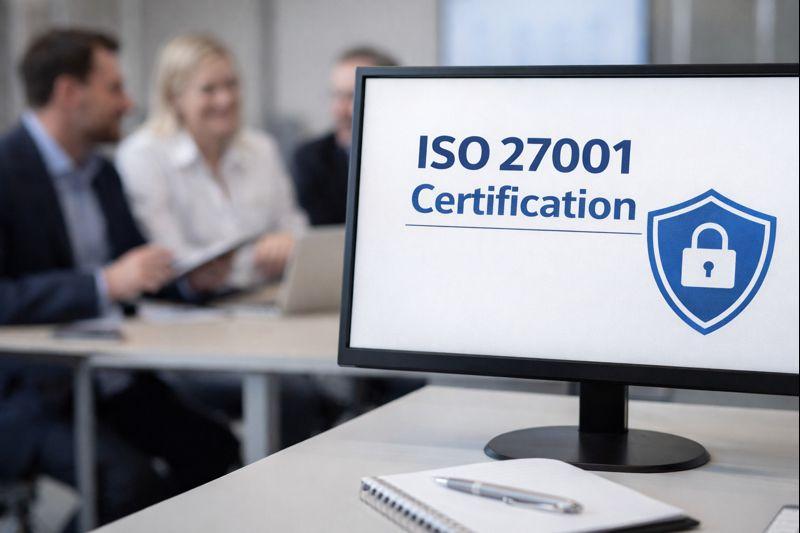
  • ISO 27001 Certification Cost: A Complete Guide

    ISO 27001 certification cost varies depending on several factors, including the size of the organization, complexity of operations, and the scope of the Information Security Management System (ISMS). Developed by the International Organization for Standardization, ISO 27001 is a globally recognized standard for managing information security risks and protecting sensitive data.

    What is ISO 27001 Certification?

    ISO 27001 certification demonstrates that an organization has implemented a robust ISMS to safeguard data, reduce risks, and ensure business continuity. It is applicable to businesses of all sizes and industries, particularly those handling sensitive information such as IT companies, financial institutions, and healthcare providers.

    Factors Affecting ISO 27001 Certification Cost

    The total cost of ISO 27001 certification depends on multiple elements:

    Organization Size: Larger organizations require more time and resources for implementation and auditing.
    Scope of Certification: A broader scope increases documentation and audit complexity.
    Current Compliance Level: Organizations with existing security practices may incur lower costs.
    Consultancy Fees: Hiring external consultants adds to the overall cost.
    Certification Body Fees: Accredited certification bodies charge for audits and certification.
    Training Costs: Employee training and awareness programs are essential for compliance.
    Breakdown of ISO 27001 Certification Cost
    Gap Analysis: Initial assessment to identify areas of improvement
    Documentation and Implementation: Costs for developing policies and procedures
    Training: Employee and auditor training programs
    Internal Audit: Costs for conducting internal audits
    Certification Audit: External audit conducted in two stages
    Surveillance Audits: Annual audits to maintain certification
    Estimated Cost Range

    For small to medium-sized businesses, ISO 27001 certification costs can range from a few thousand to several lakhs of rupees. Larger enterprises may incur significantly higher costs due to the scale and complexity of their systems.

    While the upfront investment may seem substantial, it is important to consider the long-term value. ISO 27001 certification helps prevent data breaches, reduces financial risks, and enhances customer trust.

    Benefits Justifying the Cost
    Enhanced Data Security: Protects sensitive information from cyber threats.
    Regulatory Compliance: Meets legal and contractual requirements.
    Business Credibility: Builds trust with clients and stakeholders.
    Risk Management: Identifies and mitigates security risks effectively.
    Competitive Advantage: Helps win contracts and expand globally.
    Tips to Optimize Certification Costs
    Start with a well-defined scope to avoid unnecessary expenses
    Train internal staff to reduce reliance on consultants
    Choose an experienced and accredited certification body
    Use existing processes where possible to minimize implementation costs
    Conclusion

    ISO 27001 certification cost depends on various organizational factors, but it should be viewed as a strategic investment rather than an expense. By achieving certification, businesses can strengthen their information security framework, gain customer confidence, and unlock new growth opportunities in the global market.

    website: http://iasiso-africa.com/gh/iso-27001-2013-certification-in-ghana/
    ISO 27001 Certification Cost: A Complete Guide ISO 27001 certification cost varies depending on several factors, including the size of the organization, complexity of operations, and the scope of the Information Security Management System (ISMS). Developed by the International Organization for Standardization, ISO 27001 is a globally recognized standard for managing information security risks and protecting sensitive data. What is ISO 27001 Certification? ISO 27001 certification demonstrates that an organization has implemented a robust ISMS to safeguard data, reduce risks, and ensure business continuity. It is applicable to businesses of all sizes and industries, particularly those handling sensitive information such as IT companies, financial institutions, and healthcare providers. Factors Affecting ISO 27001 Certification Cost The total cost of ISO 27001 certification depends on multiple elements: Organization Size: Larger organizations require more time and resources for implementation and auditing. Scope of Certification: A broader scope increases documentation and audit complexity. Current Compliance Level: Organizations with existing security practices may incur lower costs. Consultancy Fees: Hiring external consultants adds to the overall cost. Certification Body Fees: Accredited certification bodies charge for audits and certification. Training Costs: Employee training and awareness programs are essential for compliance. Breakdown of ISO 27001 Certification Cost Gap Analysis: Initial assessment to identify areas of improvement Documentation and Implementation: Costs for developing policies and procedures Training: Employee and auditor training programs Internal Audit: Costs for conducting internal audits Certification Audit: External audit conducted in two stages Surveillance Audits: Annual audits to maintain certification Estimated Cost Range For small to medium-sized businesses, ISO 27001 certification costs can range from a few thousand to several lakhs of rupees. Larger enterprises may incur significantly higher costs due to the scale and complexity of their systems. While the upfront investment may seem substantial, it is important to consider the long-term value. ISO 27001 certification helps prevent data breaches, reduces financial risks, and enhances customer trust. Benefits Justifying the Cost Enhanced Data Security: Protects sensitive information from cyber threats. Regulatory Compliance: Meets legal and contractual requirements. Business Credibility: Builds trust with clients and stakeholders. Risk Management: Identifies and mitigates security risks effectively. Competitive Advantage: Helps win contracts and expand globally. Tips to Optimize Certification Costs Start with a well-defined scope to avoid unnecessary expenses Train internal staff to reduce reliance on consultants Choose an experienced and accredited certification body Use existing processes where possible to minimize implementation costs Conclusion ISO 27001 certification cost depends on various organizational factors, but it should be viewed as a strategic investment rather than an expense. By achieving certification, businesses can strengthen their information security framework, gain customer confidence, and unlock new growth opportunities in the global market. website: http://iasiso-africa.com/gh/iso-27001-2013-certification-in-ghana/
    0 Комментарии ·0 Поделились ·852 Просмотры ·0 предпросмотр
  • ISO 27001 lead auditor training is a professional certification course designed to help individuals develop the skills required to audit information security management systems (ISMS) based on ISO 27001 standards. As cybersecurity threats and data breaches continue to increase globally, organizations are focusing more on information security and compliance. ISO 27001 lead auditor training helps professionals understand audit techniques, risk management practices, and international information security standards. https://iasiso-australia.com/iso-27001-lead-auditor-training-in-australia/
    ISO 27001 lead auditor training is a professional certification course designed to help individuals develop the skills required to audit information security management systems (ISMS) based on ISO 27001 standards. As cybersecurity threats and data breaches continue to increase globally, organizations are focusing more on information security and compliance. ISO 27001 lead auditor training helps professionals understand audit techniques, risk management practices, and international information security standards. https://iasiso-australia.com/iso-27001-lead-auditor-training-in-australia/
    0 Комментарии ·0 Поделились ·432 Просмотры ·0 предпросмотр
  • ISO 27001 Lead Auditor Online Training: A Complete Guide to Information Security Auditing

    Introduction to ISO 27001 Lead Auditor Online Training

    ISO 27001 Lead Auditor online training is a professional program designed to equip individuals with the skills needed to audit Information Security Management Systems (ISMS) based on the ISO/IEC 27001 standard. Delivered through online platforms, this training allows learners to study flexibly while gaining globally recognized auditing knowledge. It is ideal for professionals aiming to build a career in cybersecurity, compliance, and information security auditing.

    Objectives of the Training Program

    The main objective of ISO 27001 Lead Auditor online training is to develop competent auditors who can evaluate and improve an organization’s information security framework. Participants learn how to plan, conduct, report, and follow up on ISMS audits. The training also focuses on risk-based thinking, regulatory compliance, and best practices for protecting sensitive data from security threats.

    Key Topics Covered in the Training

    ISO 27001 Lead Auditor online training covers a wide range of essential topics, including:

    Overview of ISO/IEC 27001 standard and ISMS principles
    Information security risk assessment and treatment
    Audit planning and preparation techniques
    Conducting opening and closing audit meetings
    Collecting audit evidence and interviewing techniques
    Identifying nonconformities and reporting findings
    Corrective actions and audit follow-up procedures

    These topics ensure participants gain both theoretical knowledge and practical auditing skills.

    Benefits of Online ISO 27001 Lead Auditor Training

    One of the biggest advantages of online training is flexibility. Learners can study at their own pace from any location, making it ideal for working professionals. The course enhances career opportunities by qualifying individuals for roles such as lead auditor, ISMS consultant, or information security manager. It also improves understanding of cybersecurity frameworks, helping organizations strengthen data protection and reduce security risks.

    Who Should Attend This Training?

    This training is suitable for IT professionals, cybersecurity experts, compliance officers, internal auditors, and consultants. It is also beneficial for individuals seeking to transition into information security auditing or advance their careers in ISO management systems. Organizations can also use this training to build internal auditing capabilities.

    Certification and Assessment Process

    Participants are typically assessed through exams, assignments, or case studies at the end of the course. Successful candidates receive a Lead Auditor certificate, which demonstrates their ability to conduct ISO 27001 audits professionally. This certification is often recognized internationally and adds strong value to a professional profile.

    Conclusion

    ISO 27001 Lead Auditor online training is a valuable investment for professionals seeking expertise in information security auditing. It combines flexibility, practical knowledge, and global recognition, making it ideal for career growth. By completing this training, individuals can help organizations protect sensitive data, ensure compliance, and strengthen overall cybersecurity posture.

    website: http://iasiso-africa.com/za/iso-27001-2013-lead-auditor-training/
    ISO 27001 Lead Auditor Online Training: A Complete Guide to Information Security Auditing Introduction to ISO 27001 Lead Auditor Online Training ISO 27001 Lead Auditor online training is a professional program designed to equip individuals with the skills needed to audit Information Security Management Systems (ISMS) based on the ISO/IEC 27001 standard. Delivered through online platforms, this training allows learners to study flexibly while gaining globally recognized auditing knowledge. It is ideal for professionals aiming to build a career in cybersecurity, compliance, and information security auditing. Objectives of the Training Program The main objective of ISO 27001 Lead Auditor online training is to develop competent auditors who can evaluate and improve an organization’s information security framework. Participants learn how to plan, conduct, report, and follow up on ISMS audits. The training also focuses on risk-based thinking, regulatory compliance, and best practices for protecting sensitive data from security threats. Key Topics Covered in the Training ISO 27001 Lead Auditor online training covers a wide range of essential topics, including: Overview of ISO/IEC 27001 standard and ISMS principles Information security risk assessment and treatment Audit planning and preparation techniques Conducting opening and closing audit meetings Collecting audit evidence and interviewing techniques Identifying nonconformities and reporting findings Corrective actions and audit follow-up procedures These topics ensure participants gain both theoretical knowledge and practical auditing skills. Benefits of Online ISO 27001 Lead Auditor Training One of the biggest advantages of online training is flexibility. Learners can study at their own pace from any location, making it ideal for working professionals. The course enhances career opportunities by qualifying individuals for roles such as lead auditor, ISMS consultant, or information security manager. It also improves understanding of cybersecurity frameworks, helping organizations strengthen data protection and reduce security risks. Who Should Attend This Training? This training is suitable for IT professionals, cybersecurity experts, compliance officers, internal auditors, and consultants. It is also beneficial for individuals seeking to transition into information security auditing or advance their careers in ISO management systems. Organizations can also use this training to build internal auditing capabilities. Certification and Assessment Process Participants are typically assessed through exams, assignments, or case studies at the end of the course. Successful candidates receive a Lead Auditor certificate, which demonstrates their ability to conduct ISO 27001 audits professionally. This certification is often recognized internationally and adds strong value to a professional profile. Conclusion ISO 27001 Lead Auditor online training is a valuable investment for professionals seeking expertise in information security auditing. It combines flexibility, practical knowledge, and global recognition, making it ideal for career growth. By completing this training, individuals can help organizations protect sensitive data, ensure compliance, and strengthen overall cybersecurity posture. website: http://iasiso-africa.com/za/iso-27001-2013-lead-auditor-training/
    0 Комментарии ·0 Поделились ·2Кб Просмотры ·0 предпросмотр
  • ISO Training: Building Skills for Global Quality and Compliance

    Introduction to ISO Training

    ISO training is an essential step for organizations and professionals who want to understand international standards and apply them effectively in daily operations. International Organization for Standardization (ISO) standards are recognized worldwide for improving quality, safety, efficiency, environmental responsibility, and customer satisfaction. Through proper training, employees and management teams gain the knowledge needed to implement, maintain, and audit management systems according to international requirements.

    Businesses across manufacturing, healthcare, food production, construction, logistics, information technology, and service industries rely on ISO training to strengthen their operations and meet market expectations. It helps organizations improve internal processes while demonstrating commitment to quality and regulatory compliance.

    Why ISO Training Is Important

    ISO training plays a major role in helping organizations achieve operational excellence. Employees who understand ISO requirements can perform their responsibilities more effectively and contribute to continual improvement within the company. Training also reduces errors, minimizes risks, and improves communication between departments.

    Organizations that invest in ISO training often experience better customer confidence because trained employees are capable of maintaining consistent standards. ISO training also supports organizations during certification audits by ensuring that staff members understand documentation, procedures, and compliance requirements.

    In today’s competitive business environment, many clients and international partners prefer to work with organizations that follow globally accepted standards. ISO training therefore becomes a valuable investment for long-term growth and business success.

    Types of ISO Training Programs

    ISO training programs are available for different management system standards and professional levels. Some training courses focus on basic awareness, while others provide advanced auditing and implementation skills.

    ISO 9001 training focuses on quality management systems and helps organizations improve customer satisfaction and process efficiency. ISO 14001 training is related to environmental management and teaches businesses how to reduce environmental impact. ISO 45001 training focuses on occupational health and safety, helping organizations create safer workplaces for employees.

    Food industries often choose ISO 22000 or HACCP training to strengthen food safety practices. Information security professionals commonly attend ISO 27001 training to learn how to protect sensitive business data and manage cybersecurity risks effectively.

    Lead auditor and internal auditor training programs are especially popular because they prepare professionals to conduct audits according to international standards. These courses improve analytical skills, reporting abilities, and understanding of compliance processes.

    Benefits of ISO Training for Professionals

    ISO training provides excellent career opportunities for professionals in different industries. Certified professionals are often valued by employers because they possess specialized knowledge in quality management, auditing, risk assessment, and compliance systems.

    Training programs help individuals improve leadership, problem-solving, and decision-making skills. Professionals who complete ISO lead auditor courses can work as internal auditors, consultants, compliance officers, or certification auditors in both local and international markets.

    ISO qualifications also increase professional credibility and may open opportunities for career advancement, higher salaries, and global employment.

    Choosing the Right ISO Training Provider

    Selecting a reliable ISO training provider is important for gaining quality education and recognized certification. A professional training provider offers experienced trainers, updated course materials, practical case studies, and internationally accepted training methods.

    Many organizations prefer accredited training providers because their certificates are widely recognized across industries and countries. Online ISO training options are also becoming increasingly popular due to their flexibility and accessibility for working professionals.

    Conclusion

    ISO training is a powerful tool for organizations and individuals seeking continuous improvement and international recognition. It strengthens operational performance, supports compliance with global standards, and improves professional skills. Whether a company is planning to achieve certification or a professional wants to expand career opportunities, ISO training provides the knowledge and confidence needed to succeed in today’s global business environment.

    Web: https://ias-malaysia.com/iso-training-in-malaysia/
    ISO Training: Building Skills for Global Quality and Compliance Introduction to ISO Training ISO training is an essential step for organizations and professionals who want to understand international standards and apply them effectively in daily operations. International Organization for Standardization (ISO) standards are recognized worldwide for improving quality, safety, efficiency, environmental responsibility, and customer satisfaction. Through proper training, employees and management teams gain the knowledge needed to implement, maintain, and audit management systems according to international requirements. Businesses across manufacturing, healthcare, food production, construction, logistics, information technology, and service industries rely on ISO training to strengthen their operations and meet market expectations. It helps organizations improve internal processes while demonstrating commitment to quality and regulatory compliance. Why ISO Training Is Important ISO training plays a major role in helping organizations achieve operational excellence. Employees who understand ISO requirements can perform their responsibilities more effectively and contribute to continual improvement within the company. Training also reduces errors, minimizes risks, and improves communication between departments. Organizations that invest in ISO training often experience better customer confidence because trained employees are capable of maintaining consistent standards. ISO training also supports organizations during certification audits by ensuring that staff members understand documentation, procedures, and compliance requirements. In today’s competitive business environment, many clients and international partners prefer to work with organizations that follow globally accepted standards. ISO training therefore becomes a valuable investment for long-term growth and business success. Types of ISO Training Programs ISO training programs are available for different management system standards and professional levels. Some training courses focus on basic awareness, while others provide advanced auditing and implementation skills. ISO 9001 training focuses on quality management systems and helps organizations improve customer satisfaction and process efficiency. ISO 14001 training is related to environmental management and teaches businesses how to reduce environmental impact. ISO 45001 training focuses on occupational health and safety, helping organizations create safer workplaces for employees. Food industries often choose ISO 22000 or HACCP training to strengthen food safety practices. Information security professionals commonly attend ISO 27001 training to learn how to protect sensitive business data and manage cybersecurity risks effectively. Lead auditor and internal auditor training programs are especially popular because they prepare professionals to conduct audits according to international standards. These courses improve analytical skills, reporting abilities, and understanding of compliance processes. Benefits of ISO Training for Professionals ISO training provides excellent career opportunities for professionals in different industries. Certified professionals are often valued by employers because they possess specialized knowledge in quality management, auditing, risk assessment, and compliance systems. Training programs help individuals improve leadership, problem-solving, and decision-making skills. Professionals who complete ISO lead auditor courses can work as internal auditors, consultants, compliance officers, or certification auditors in both local and international markets. ISO qualifications also increase professional credibility and may open opportunities for career advancement, higher salaries, and global employment. Choosing the Right ISO Training Provider Selecting a reliable ISO training provider is important for gaining quality education and recognized certification. A professional training provider offers experienced trainers, updated course materials, practical case studies, and internationally accepted training methods. Many organizations prefer accredited training providers because their certificates are widely recognized across industries and countries. Online ISO training options are also becoming increasingly popular due to their flexibility and accessibility for working professionals. Conclusion ISO training is a powerful tool for organizations and individuals seeking continuous improvement and international recognition. It strengthens operational performance, supports compliance with global standards, and improves professional skills. Whether a company is planning to achieve certification or a professional wants to expand career opportunities, ISO training provides the knowledge and confidence needed to succeed in today’s global business environment. Web: https://ias-malaysia.com/iso-training-in-malaysia/
    ISO Training in Malaysia
    ias-malaysia.com
    Enroll in ISO training in Malaysia to understand the requirements of ISO management system standards and improve your career prospects!
    0 Комментарии ·0 Поделились ·2Кб Просмотры ·0 предпросмотр
  • ISO 27001 Lead Auditor Training: Building Experts in Information Security Auditing

    Introduction to ISO 27001 Lead Auditor Training

    In today’s digital environment, organizations face increasing threats related to cyberattacks, data breaches, and information misuse. Businesses across industries are under pressure to protect confidential information while complying with international security standards. ISO 27001 Lead Auditor Training is designed to help professionals develop the knowledge and skills needed to audit Information Security Management Systems (ISMS) effectively. This training provides a detailed understanding of ISO 27001 requirements, audit principles, risk management practices, and compliance evaluation techniques.

    Understanding the Importance of ISO 27001

    ISO 27001 is an internationally recognized standard for information security management. It provides a systematic framework for identifying risks, implementing controls, and improving data protection processes within an organization. As businesses rely heavily on digital systems and cloud-based operations, the demand for qualified ISO 27001 auditors continues to grow worldwide.

    ISO 27001 Lead Auditor Training helps professionals understand how to assess security policies, identify vulnerabilities, and verify compliance with the standard.

    Key Topics Covered in ISO 27001 Lead Auditor Training

    The training program covers a wide range of topics related to information security management and auditing practices. Participants learn the structure and requirements of ISO 27001, including risk assessment methodologies, security controls, documentation processes, and incident management procedures. The course also focuses on audit planning, audit execution, reporting techniques, and corrective action verification.

    Practical exercises and case studies are commonly included to help learners gain real-world auditing experience. Participants develop the ability to conduct opening meetings, interview employees, collect audit evidence, and prepare professional audit reports.

    Benefits of ISO 27001 Lead Auditor Training

    ISO 27001 Lead Auditor Training offers significant advantages for both individuals and organizations. For professionals, the certification improves career opportunities and demonstrates expertise in information security auditing. Certified lead auditors are often preferred for senior roles in compliance management, cybersecurity governance, and audit consulting.

    For organizations, having trained lead auditors strengthens internal security practices and supports compliance with international standards.

    Who Should Attend ISO 27001 Lead Auditor Training

    This training is suitable for information security managers, IT professionals, compliance officers, internal auditors, cybersecurity consultants, and quality management professionals. Individuals involved in implementing or maintaining an ISMS can also benefit greatly from the course. Even professionals seeking career advancement in risk management or data protection can use this training to strengthen their qualifications and industry credibility.

    Conclusion

    ISO 27001 Lead Auditor Training plays a vital role in helping organizations secure sensitive information and maintain compliance with international standards. As cyber risks continue to evolve, the need for qualified auditors becomes increasingly important. This training equips professionals with the expertise needed to conduct effective audits, improve organizational security practices, and support long-term business resilience. By becoming a certified ISO 27001 lead auditor, individuals gain valuable skills that contribute to both professional growth and organizational success.

    Web: https://ias-malaysia.com/iso-27001-lead-auditor-training-in-malaysia/
    ISO 27001 Lead Auditor Training: Building Experts in Information Security Auditing Introduction to ISO 27001 Lead Auditor Training In today’s digital environment, organizations face increasing threats related to cyberattacks, data breaches, and information misuse. Businesses across industries are under pressure to protect confidential information while complying with international security standards. ISO 27001 Lead Auditor Training is designed to help professionals develop the knowledge and skills needed to audit Information Security Management Systems (ISMS) effectively. This training provides a detailed understanding of ISO 27001 requirements, audit principles, risk management practices, and compliance evaluation techniques. Understanding the Importance of ISO 27001 ISO 27001 is an internationally recognized standard for information security management. It provides a systematic framework for identifying risks, implementing controls, and improving data protection processes within an organization. As businesses rely heavily on digital systems and cloud-based operations, the demand for qualified ISO 27001 auditors continues to grow worldwide. ISO 27001 Lead Auditor Training helps professionals understand how to assess security policies, identify vulnerabilities, and verify compliance with the standard. Key Topics Covered in ISO 27001 Lead Auditor Training The training program covers a wide range of topics related to information security management and auditing practices. Participants learn the structure and requirements of ISO 27001, including risk assessment methodologies, security controls, documentation processes, and incident management procedures. The course also focuses on audit planning, audit execution, reporting techniques, and corrective action verification. Practical exercises and case studies are commonly included to help learners gain real-world auditing experience. Participants develop the ability to conduct opening meetings, interview employees, collect audit evidence, and prepare professional audit reports. Benefits of ISO 27001 Lead Auditor Training ISO 27001 Lead Auditor Training offers significant advantages for both individuals and organizations. For professionals, the certification improves career opportunities and demonstrates expertise in information security auditing. Certified lead auditors are often preferred for senior roles in compliance management, cybersecurity governance, and audit consulting. For organizations, having trained lead auditors strengthens internal security practices and supports compliance with international standards. Who Should Attend ISO 27001 Lead Auditor Training This training is suitable for information security managers, IT professionals, compliance officers, internal auditors, cybersecurity consultants, and quality management professionals. Individuals involved in implementing or maintaining an ISMS can also benefit greatly from the course. Even professionals seeking career advancement in risk management or data protection can use this training to strengthen their qualifications and industry credibility. Conclusion ISO 27001 Lead Auditor Training plays a vital role in helping organizations secure sensitive information and maintain compliance with international standards. As cyber risks continue to evolve, the need for qualified auditors becomes increasingly important. This training equips professionals with the expertise needed to conduct effective audits, improve organizational security practices, and support long-term business resilience. By becoming a certified ISO 27001 lead auditor, individuals gain valuable skills that contribute to both professional growth and organizational success. Web: https://ias-malaysia.com/iso-27001-lead-auditor-training-in-malaysia/
    ISO 27001 Lead Auditor Training in Malaysia
    ias-malaysia.com
    Looking for ISO 27001 Training? IAS offer an industry-leading ISO 27001 Lead Auditor training course that will certify you as an ISMS Lead Auditor!
    0 Комментарии ·0 Поделились ·1Кб Просмотры ·0 предпросмотр
  • ISO 27001 Lead Auditor Certification Cost
    ISO 27001 Lead Auditor certification is a valuable credential for professionals aiming to build a career in information security and auditing. It equips individuals with the expertise to audit an Information Security Management System (ISMS) in accordance with ISO 27001 standards. One of the most common questions among aspirants is the cost of obtaining this certification.

    website: https://iasiso-africa.com/iso-27001-lead-auditor-training-in-nigeria/
    ISO 27001 Lead Auditor Certification Cost ISO 27001 Lead Auditor certification is a valuable credential for professionals aiming to build a career in information security and auditing. It equips individuals with the expertise to audit an Information Security Management System (ISMS) in accordance with ISO 27001 standards. One of the most common questions among aspirants is the cost of obtaining this certification. website: https://iasiso-africa.com/iso-27001-lead-auditor-training-in-nigeria/
    0 Комментарии ·0 Поделились ·729 Просмотры ·0 предпросмотр
  • ISO Certification in Jordan: Enhancing Quality and Global Competitiveness

    In today’s increasingly competitive global marketplace, organizations must demonstrate their commitment to quality, efficiency, and continuous improvement. One of the most recognized ways to achieve this is through ISO certification. In Jordan, ISO standards have gained significant importance across industries, helping businesses align with international best practices and improve their credibility both locally and globally.

    Understanding ISO Certification

    ISO certification refers to the approval granted to organizations that comply with standards developed by the International Organization for Standardization (ISO). These standards are designed to ensure quality, safety, efficiency, and interoperability of products and services.

    Some of the most widely adopted ISO standards in Jordan include:

    * ISO 9001 (Quality Management Systems)
    * ISO 14001 (Environmental Management Systems)
    * ISO 45001 (Occupational Health and Safety)
    * ISO 22000 (Food Safety Management)

    These certifications are not limited to specific sectors; they apply to manufacturing, healthcare, education, construction, and service industries.

    Importance of ISO Certification in Jordan

    Jordan’s economy is steadily integrating with global markets, making ISO certification increasingly valuable. Organizations in Jordan pursue ISO certification for several reasons:

    Increased Customer Trust

    Certification signals reliability and professionalism. Customers are more likely to trust organizations that follow internationally recognized standards.

    The ISO Certification Process in Jordan

    Obtaining ISO certification in Jordan involves a systematic process. While the exact steps may vary slightly depending on the standard and certification body, the general process includes the following stages:

    1. Gap Analysis

    Organizations begin by assessing their current processes against the requirements of the chosen ISO standard. This helps identify areas that need improvement.

    2. Documentation and Implementation

    The organization develops necessary policies, procedures, and records. Employees are trained, and systems are implemented to meet ISO requirements.

    3. Internal Audit

    Before applying for certification, the organization conducts an internal audit to ensure compliance and identify any remaining gaps.

    4. Certification and Surveillance

    Once the organization meets all requirements, it is awarded ISO certification. Regular surveillance audits are conducted to ensure ongoing compliance.

    Cost and Resource Allocation

    Small and medium-sized enterprises (SMEs) may find the cost of certification and implementation relatively high. It requires investment in training, documentation, and audits.

    Implementing ISO standards often requires changes in organizational culture and processes, which may face internal resistance.

    Future of ISO Certification in Jordan

    The demand for ISO certification in Jordan is expected to grow as the country continues to expand its industrial and service sectors. Government initiatives and trade agreements are also encouraging organizations to adopt international standards.

    Moreover, with increasing emphasis on sustainability and digital transformation, newer ISO standards related to information security and environmental responsibility are gaining traction. Businesses that proactively adopt these standards will be better positioned to compete globally.


    Conclusion

    ISO certification has become a strategic tool for organizations in Jordan aiming to improve quality, efficiency, and global competitiveness. While the certification process requires time, effort, and investment, the long-term benefits far outweigh the challenges.

    By adopting ISO standards, Jordanian businesses can enhance their reputation, gain customer trust, and access new markets. As global expectations continue to rise, ISO certification will remain a key driver of organizational excellence and sustainable growth in Jordan.

    Our site: https://iasiso-middleeast.com/JO/iso-certification/
    ISO Certification in Jordan: Enhancing Quality and Global Competitiveness In today’s increasingly competitive global marketplace, organizations must demonstrate their commitment to quality, efficiency, and continuous improvement. One of the most recognized ways to achieve this is through ISO certification. In Jordan, ISO standards have gained significant importance across industries, helping businesses align with international best practices and improve their credibility both locally and globally. Understanding ISO Certification ISO certification refers to the approval granted to organizations that comply with standards developed by the International Organization for Standardization (ISO). These standards are designed to ensure quality, safety, efficiency, and interoperability of products and services. Some of the most widely adopted ISO standards in Jordan include: * ISO 9001 (Quality Management Systems) * ISO 14001 (Environmental Management Systems) * ISO 45001 (Occupational Health and Safety) * ISO 22000 (Food Safety Management) These certifications are not limited to specific sectors; they apply to manufacturing, healthcare, education, construction, and service industries. Importance of ISO Certification in Jordan Jordan’s economy is steadily integrating with global markets, making ISO certification increasingly valuable. Organizations in Jordan pursue ISO certification for several reasons: Increased Customer Trust Certification signals reliability and professionalism. Customers are more likely to trust organizations that follow internationally recognized standards. The ISO Certification Process in Jordan Obtaining ISO certification in Jordan involves a systematic process. While the exact steps may vary slightly depending on the standard and certification body, the general process includes the following stages: 1. Gap Analysis Organizations begin by assessing their current processes against the requirements of the chosen ISO standard. This helps identify areas that need improvement. 2. Documentation and Implementation The organization develops necessary policies, procedures, and records. Employees are trained, and systems are implemented to meet ISO requirements. 3. Internal Audit Before applying for certification, the organization conducts an internal audit to ensure compliance and identify any remaining gaps. 4. Certification and Surveillance Once the organization meets all requirements, it is awarded ISO certification. Regular surveillance audits are conducted to ensure ongoing compliance. Cost and Resource Allocation Small and medium-sized enterprises (SMEs) may find the cost of certification and implementation relatively high. It requires investment in training, documentation, and audits. Implementing ISO standards often requires changes in organizational culture and processes, which may face internal resistance. Future of ISO Certification in Jordan The demand for ISO certification in Jordan is expected to grow as the country continues to expand its industrial and service sectors. Government initiatives and trade agreements are also encouraging organizations to adopt international standards. Moreover, with increasing emphasis on sustainability and digital transformation, newer ISO standards related to information security and environmental responsibility are gaining traction. Businesses that proactively adopt these standards will be better positioned to compete globally. Conclusion ISO certification has become a strategic tool for organizations in Jordan aiming to improve quality, efficiency, and global competitiveness. While the certification process requires time, effort, and investment, the long-term benefits far outweigh the challenges. By adopting ISO standards, Jordanian businesses can enhance their reputation, gain customer trust, and access new markets. As global expectations continue to rise, ISO certification will remain a key driver of organizational excellence and sustainable growth in Jordan. Our site: https://iasiso-middleeast.com/JO/iso-certification/
    ISO Certification | Get ISO Certified - IAS Jordan
    iasiso-middleeast.com
    ISO certification is a way to show interested parties that a company has an efficient management system in place to provide the best services. Apply now!
    0 Комментарии ·0 Поделились ·2Кб Просмотры ·0 предпросмотр
  • Enhance your cybersecurity expertise with ISO/IEC 27001 Lead Auditor Certification Training in Zurich by Sprintzeal. This comprehensive program equips professionals with the skills to plan, conduct, and manage Information Security Management System (ISMS) audits in line with ISO/IEC 27001 standards. Gain hands-on experience through real-world scenarios, expert-led sessions, and practical exercises while preparing for the PECB-certified exam. With flexible learning modes, 24/7 learner support, and globally recognized certification, this training helps you build strong capabilities in risk management, compliance, and information security auditing.
    https://www.sprintzeal.com/course/iso-iec-27001-lead-auditor-certification-training/zurich
    Enhance your cybersecurity expertise with ISO/IEC 27001 Lead Auditor Certification Training in Zurich by Sprintzeal. This comprehensive program equips professionals with the skills to plan, conduct, and manage Information Security Management System (ISMS) audits in line with ISO/IEC 27001 standards. Gain hands-on experience through real-world scenarios, expert-led sessions, and practical exercises while preparing for the PECB-certified exam. With flexible learning modes, 24/7 learner support, and globally recognized certification, this training helps you build strong capabilities in risk management, compliance, and information security auditing. https://www.sprintzeal.com/course/iso-iec-27001-lead-auditor-certification-training/zurich
    ISO/IEC 27001 Lead Auditor Certification in Zurich
    www.sprintzeal.com
    Sprintzeal's ISO/IEC 27001 Lead Auditor Training in Zurich helps gain expertise in conducting audits and validating your ISMS skills.
    0 Комментарии ·0 Поделились ·1Кб Просмотры ·0 предпросмотр
  • ISO Certification in Iraq: Enhancing Business Standards and Global Recognition

    ISO certification in Iraq helps organizations improve their management systems, maintain consistent quality, and meet international business standards. Many companies across industries such as oil and gas, construction, manufacturing, healthcare, and food production pursue ISO certification to enhance operational efficiency and gain credibility in both local and international markets. Implementing ISO standards enables businesses to adopt structured processes, improve productivity, and build trust with customers and stakeholders.

    What is ISO Certification?

    ISO certification in iraq confirms that a company follows internationally recognized standards for managing processes, quality, safety, or information security. These standards provide guidelines for creating effective management systems that ensure consistent performance and continuous improvement. Organizations that achieve ISO certification demonstrate their commitment to delivering reliable products and services while maintaining compliance with global best practices.

    Popular ISO Standards in Iraq

    Several ISO standards are widely implemented by organizations in Iraq depending on their industry requirements:

    ISO 9001 – Quality Management System

    ISO 14001 – Environmental Management System

    ISO 45001 – Occupational Health and Safety Management System

    ISO 27001 – Information Security Management System

    ISO 22000 – Food Safety Management System

    These certifications help organizations standardize their processes, improve performance, and comply with international expectations.

    Benefits of ISO Certification in Iraq

    Obtaining ISO certification offers several advantages for Iraqi businesses.

    1. Improved Operational Efficiency
    ISO standards require companies to define processes, monitor performance, and eliminate inefficiencies, which helps improve productivity and reduce operational errors.

    2. Better Market Opportunities
    Many government and private sector tenders prefer or require ISO-certified companies, particularly in industries such as construction, infrastructure, and oil and gas.

    3. Increased Customer Confidence
    Certification demonstrates that a company follows recognized quality and safety standards, which strengthens trust among customers, partners, and investors.

    4. Access to International Markets
    ISO certification aligns companies with global standards, making it easier to collaborate with international clients and expand into new markets.

    5. Improved Risk Management
    ISO frameworks encourage organizations to identify potential risks and implement preventive measures, helping maintain stable operations.

    ISO Certification Process in Iraq

    The process for obtaining ISO certification usually includes the following steps:

    Gap Analysis – Evaluate existing processes and identify areas for improvement.

    System Implementation – Develop policies and procedures according to ISO requirements.

    Employee Training – Train staff to understand and follow the management system.

    Internal Audit – Conduct internal reviews to ensure compliance.

    Certification Audit – An accredited certification body performs an external audit.

    Certification Issued – The organization receives ISO certification after successful evaluation.

    Depending on the organization’s size and readiness, the certification process may take around 45–90 days.

    Conclusion

    ISO certification in Iraq plays an important role in helping organizations improve quality, enhance efficiency, and build international credibility. By implementing standards such as ISO 9001, ISO 14001, and ISO 45001, businesses can strengthen their management systems, gain customer trust, and compete effectively in both local and global markets.

    website:https://iasiso-gulf.com/iso-certification/
    ISO Certification in Iraq: Enhancing Business Standards and Global Recognition ISO certification in Iraq helps organizations improve their management systems, maintain consistent quality, and meet international business standards. Many companies across industries such as oil and gas, construction, manufacturing, healthcare, and food production pursue ISO certification to enhance operational efficiency and gain credibility in both local and international markets. Implementing ISO standards enables businesses to adopt structured processes, improve productivity, and build trust with customers and stakeholders. What is ISO Certification? ISO certification in iraq confirms that a company follows internationally recognized standards for managing processes, quality, safety, or information security. These standards provide guidelines for creating effective management systems that ensure consistent performance and continuous improvement. Organizations that achieve ISO certification demonstrate their commitment to delivering reliable products and services while maintaining compliance with global best practices. Popular ISO Standards in Iraq Several ISO standards are widely implemented by organizations in Iraq depending on their industry requirements: ISO 9001 – Quality Management System ISO 14001 – Environmental Management System ISO 45001 – Occupational Health and Safety Management System ISO 27001 – Information Security Management System ISO 22000 – Food Safety Management System These certifications help organizations standardize their processes, improve performance, and comply with international expectations. Benefits of ISO Certification in Iraq Obtaining ISO certification offers several advantages for Iraqi businesses. 1. Improved Operational Efficiency ISO standards require companies to define processes, monitor performance, and eliminate inefficiencies, which helps improve productivity and reduce operational errors. 2. Better Market Opportunities Many government and private sector tenders prefer or require ISO-certified companies, particularly in industries such as construction, infrastructure, and oil and gas. 3. Increased Customer Confidence Certification demonstrates that a company follows recognized quality and safety standards, which strengthens trust among customers, partners, and investors. 4. Access to International Markets ISO certification aligns companies with global standards, making it easier to collaborate with international clients and expand into new markets. 5. Improved Risk Management ISO frameworks encourage organizations to identify potential risks and implement preventive measures, helping maintain stable operations. ISO Certification Process in Iraq The process for obtaining ISO certification usually includes the following steps: Gap Analysis – Evaluate existing processes and identify areas for improvement. System Implementation – Develop policies and procedures according to ISO requirements. Employee Training – Train staff to understand and follow the management system. Internal Audit – Conduct internal reviews to ensure compliance. Certification Audit – An accredited certification body performs an external audit. Certification Issued – The organization receives ISO certification after successful evaluation. Depending on the organization’s size and readiness, the certification process may take around 45–90 days. Conclusion ISO certification in Iraq plays an important role in helping organizations improve quality, enhance efficiency, and build international credibility. By implementing standards such as ISO 9001, ISO 14001, and ISO 45001, businesses can strengthen their management systems, gain customer trust, and compete effectively in both local and global markets. website:https://iasiso-gulf.com/iso-certification/
    ISO Certification | ISO Certification In Iraq - IAS
    iasiso-gulf.com
    Achieve ISO certification with IAS! We offer the most affordable ISO Certification Services in the market! E-mail: enquiry@iascertification.com to apply!
    0 Комментарии ·0 Поделились ·4Кб Просмотры ·0 предпросмотр
  • ISO 27001 Certification: Strengthening Information Security Management in Organizations

    Introduction to ISO 27001 Certification

    ISO 27001 certification is an internationally recognized standard that focuses on establishing, implementing, maintaining, and continually improving an Information Security Management System (ISMS). In today’s digital world, organizations rely heavily on data and information systems, making information security a top priority. ISO 27001 provides a structured framework that helps organizations protect sensitive information from risks such as cyberattacks, data breaches, and unauthorized access. Achieving ISO 27001 certification demonstrates that an organization has implemented effective security controls and follows best practices to safeguard critical data and maintain the confidentiality, integrity, and availability of information.

    Importance of ISO 27001 for Businesses

    Information security has become a crucial concern for organizations of all sizes across various industries. Businesses handle large volumes of sensitive data, including customer information, financial records, and intellectual property. Without proper security measures, this information can become vulnerable to threats and cyber incidents. ISO 27001 certification helps organizations identify potential risks and implement strategies to mitigate them effectively. By adopting this standard, companies can strengthen their security posture and demonstrate their commitment to protecting sensitive data. In addition, many clients and partners prefer to work with organizations that are ISO 27001 certified because it ensures a reliable approach to managing information security.

    Key Components of ISO 27001

    ISO 27001 is based on a comprehensive risk management approach that requires organizations to identify, assess, and treat information security risks. The standard outlines several key components that form the foundation of an effective Information Security Management System. These components include defining security policies, assigning responsibilities for information security, implementing appropriate technical and organizational controls, and continuously monitoring and reviewing the effectiveness of the system. ISO 27001 also emphasizes the importance of documentation, employee awareness, and regular risk assessments. By following these components, organizations can build a robust framework for protecting sensitive information.

    Benefits of ISO 27001 Certification

    Obtaining ISO 27001 certification offers numerous benefits for organizations operating in a digital and data-driven environment. One of the most significant advantages is enhanced protection against cyber threats and data breaches. The certification also helps organizations build trust with customers, partners, and stakeholders by demonstrating a strong commitment to information security. In addition, implementing ISO 27001 improves internal processes by promoting clear policies, structured risk management, and continuous improvement. Many organizations also find that ISO 27001 certification provides a competitive advantage in the marketplace, as it enhances credibility and supports compliance with legal and regulatory requirements related to data protection.

    Process of Achieving ISO 27001 Certification

    The process of obtaining ISO 27001 certification involves several stages that require careful planning and implementation. Organizations typically begin by conducting a gap analysis to assess their current information security practices and identify areas that need improvement. After this evaluation, they develop and implement an Information Security Management System aligned with ISO 27001 requirements. This includes establishing security policies, conducting risk assessments, implementing appropriate controls, and providing training for employees. Internal audits are then performed to ensure that the system is functioning effectively. Finally, an accredited certification body conducts an external audit to verify compliance with the standard before granting ISO 27001 certification.

    Conclusion

    ISO 27001 certification plays a vital role in helping organizations protect their valuable information assets in an increasingly complex digital landscape. By implementing a structured Information Security Management System, organizations can effectively manage risks, prevent data breaches, and ensure the secure handling of sensitive information. Beyond improving security, ISO 27001 certification enhances an organization’s reputation and strengthens trust with customers and business partners. In an era where information is one of the most valuable assets, adopting ISO 27001 standards is a strategic step toward long-term security, reliability, and business success.

    Web: https://iasiso-europe.com/french/iso-27001-certification-en-france/
    ISO 27001 Certification: Strengthening Information Security Management in Organizations Introduction to ISO 27001 Certification ISO 27001 certification is an internationally recognized standard that focuses on establishing, implementing, maintaining, and continually improving an Information Security Management System (ISMS). In today’s digital world, organizations rely heavily on data and information systems, making information security a top priority. ISO 27001 provides a structured framework that helps organizations protect sensitive information from risks such as cyberattacks, data breaches, and unauthorized access. Achieving ISO 27001 certification demonstrates that an organization has implemented effective security controls and follows best practices to safeguard critical data and maintain the confidentiality, integrity, and availability of information. Importance of ISO 27001 for Businesses Information security has become a crucial concern for organizations of all sizes across various industries. Businesses handle large volumes of sensitive data, including customer information, financial records, and intellectual property. Without proper security measures, this information can become vulnerable to threats and cyber incidents. ISO 27001 certification helps organizations identify potential risks and implement strategies to mitigate them effectively. By adopting this standard, companies can strengthen their security posture and demonstrate their commitment to protecting sensitive data. In addition, many clients and partners prefer to work with organizations that are ISO 27001 certified because it ensures a reliable approach to managing information security. Key Components of ISO 27001 ISO 27001 is based on a comprehensive risk management approach that requires organizations to identify, assess, and treat information security risks. The standard outlines several key components that form the foundation of an effective Information Security Management System. These components include defining security policies, assigning responsibilities for information security, implementing appropriate technical and organizational controls, and continuously monitoring and reviewing the effectiveness of the system. ISO 27001 also emphasizes the importance of documentation, employee awareness, and regular risk assessments. By following these components, organizations can build a robust framework for protecting sensitive information. Benefits of ISO 27001 Certification Obtaining ISO 27001 certification offers numerous benefits for organizations operating in a digital and data-driven environment. One of the most significant advantages is enhanced protection against cyber threats and data breaches. The certification also helps organizations build trust with customers, partners, and stakeholders by demonstrating a strong commitment to information security. In addition, implementing ISO 27001 improves internal processes by promoting clear policies, structured risk management, and continuous improvement. Many organizations also find that ISO 27001 certification provides a competitive advantage in the marketplace, as it enhances credibility and supports compliance with legal and regulatory requirements related to data protection. Process of Achieving ISO 27001 Certification The process of obtaining ISO 27001 certification involves several stages that require careful planning and implementation. Organizations typically begin by conducting a gap analysis to assess their current information security practices and identify areas that need improvement. After this evaluation, they develop and implement an Information Security Management System aligned with ISO 27001 requirements. This includes establishing security policies, conducting risk assessments, implementing appropriate controls, and providing training for employees. Internal audits are then performed to ensure that the system is functioning effectively. Finally, an accredited certification body conducts an external audit to verify compliance with the standard before granting ISO 27001 certification. Conclusion ISO 27001 certification plays a vital role in helping organizations protect their valuable information assets in an increasingly complex digital landscape. By implementing a structured Information Security Management System, organizations can effectively manage risks, prevent data breaches, and ensure the secure handling of sensitive information. Beyond improving security, ISO 27001 certification enhances an organization’s reputation and strengthens trust with customers and business partners. In an era where information is one of the most valuable assets, adopting ISO 27001 standards is a strategic step toward long-term security, reliability, and business success. Web: https://iasiso-europe.com/french/iso-27001-certification-en-france/
    Certification ISO 27001 | Sécurité de l'information - IAS
    iasiso-europe.com
    Obtenez la certification ISO 27001 avec IAS en France pour vous assurer que votre entreprise peut protéger ses informations sensibles !
    0 Комментарии ·0 Поделились ·3Кб Просмотры ·0 предпросмотр
  • ISO Certification in Kuwait: Elevate Your Business Standards

    In a global business environment, adhering to international standards is essential for credibility, efficiency, and customer trust. ISO certification in Kuwait enables organizations to implement structured management systems that meet internationally recognized benchmarks. From quality and environmental management to information security and occupational health, ISO certification covers a wide range of standards to help businesses improve operations and competitiveness.

    What is ISO Certification?

    ISO certification is a formal recognition that an organization’s management systems comply with standards set by the International Organization for Standardization (ISO). These standards, such as ISO 9001 (Quality Management), ISO 14001 (Environmental Management), ISO 45001 (Occupational Health & Safety), and ISO 27001 (Information Security), provide a framework for consistent processes, risk management, and continuous improvement.

    Benefits of ISO Certification in Kuwait

    1. Improved Operational Efficiency:
    Implementing ISO standards ensures processes are streamlined, reducing errors and operational costs while boosting productivity.

    2. Enhanced Customer Confidence:
    Certification demonstrates a commitment to quality and reliability, which builds trust with clients, partners, and stakeholders.

    3. Competitive Advantage:
    ISO-certified organizations are often preferred in tenders, contracts, and international markets, giving them a strategic edge over non-certified competitors.

    4. Regulatory Compliance:
    Many ISO standards align with legal and regulatory requirements, helping businesses in Kuwait avoid penalties and meet industry obligations.

    5. Continuous Improvement:
    ISO frameworks emphasize monitoring, assessment, and corrective actions, allowing organizations to identify gaps and enhance performance over time.

    The Certification Process

    Obtaining ISO certification in Kuwait generally involves the following steps:

    Gap Analysis: Evaluate current processes against ISO requirements to identify areas for improvement.

    Implementation: Document and implement management systems according to the chosen ISO standard.

    Internal Audit: Conduct internal audits to ensure readiness and compliance before the external review.

    External Audit: An accredited certification body evaluates the organization’s systems against ISO standards.

    Certification: Successful audits result in official ISO certification, typically valid for three years with annual surveillance audits to maintain compliance.

    Choosing the Right ISO Certification Body

    Selecting an accredited and reputable certification body is crucial for credible results. Look for organizations recognized internationally that offer guidance, transparent processes, and professional support throughout the certification journey.

    Conclusion

    ISO certification in Kuwait is more than a formal recognition; it is a strategic investment in operational excellence, customer trust, and business growth. Whether your organization focuses on quality, environmental management, occupational health, or information security, ISO certification provides a structured framework for continuous improvement and compliance. By achieving ISO certification, companies in Kuwait can enhance efficiency, strengthen their market position, and demonstrate a commitment to internationally recognized standards.

    website: https://iasiso-gulf.com/KW/iso-certification/
    ISO Certification in Kuwait: Elevate Your Business Standards In a global business environment, adhering to international standards is essential for credibility, efficiency, and customer trust. ISO certification in Kuwait enables organizations to implement structured management systems that meet internationally recognized benchmarks. From quality and environmental management to information security and occupational health, ISO certification covers a wide range of standards to help businesses improve operations and competitiveness. What is ISO Certification? ISO certification is a formal recognition that an organization’s management systems comply with standards set by the International Organization for Standardization (ISO). These standards, such as ISO 9001 (Quality Management), ISO 14001 (Environmental Management), ISO 45001 (Occupational Health & Safety), and ISO 27001 (Information Security), provide a framework for consistent processes, risk management, and continuous improvement. Benefits of ISO Certification in Kuwait 1. Improved Operational Efficiency: Implementing ISO standards ensures processes are streamlined, reducing errors and operational costs while boosting productivity. 2. Enhanced Customer Confidence: Certification demonstrates a commitment to quality and reliability, which builds trust with clients, partners, and stakeholders. 3. Competitive Advantage: ISO-certified organizations are often preferred in tenders, contracts, and international markets, giving them a strategic edge over non-certified competitors. 4. Regulatory Compliance: Many ISO standards align with legal and regulatory requirements, helping businesses in Kuwait avoid penalties and meet industry obligations. 5. Continuous Improvement: ISO frameworks emphasize monitoring, assessment, and corrective actions, allowing organizations to identify gaps and enhance performance over time. The Certification Process Obtaining ISO certification in Kuwait generally involves the following steps: Gap Analysis: Evaluate current processes against ISO requirements to identify areas for improvement. Implementation: Document and implement management systems according to the chosen ISO standard. Internal Audit: Conduct internal audits to ensure readiness and compliance before the external review. External Audit: An accredited certification body evaluates the organization’s systems against ISO standards. Certification: Successful audits result in official ISO certification, typically valid for three years with annual surveillance audits to maintain compliance. Choosing the Right ISO Certification Body Selecting an accredited and reputable certification body is crucial for credible results. Look for organizations recognized internationally that offer guidance, transparent processes, and professional support throughout the certification journey. Conclusion ISO certification in Kuwait is more than a formal recognition; it is a strategic investment in operational excellence, customer trust, and business growth. Whether your organization focuses on quality, environmental management, occupational health, or information security, ISO certification provides a structured framework for continuous improvement and compliance. By achieving ISO certification, companies in Kuwait can enhance efficiency, strengthen their market position, and demonstrate a commitment to internationally recognized standards. website: https://iasiso-gulf.com/KW/iso-certification/
    ISO Certification | ISO Certification In Kuwait - IAS
    iasiso-gulf.com
    Achieve ISO Certification in Kuwait with IAS to enhance your business processes and provide quality products and services to your customers! Apply today!
    0 Комментарии ·0 Поделились ·3Кб Просмотры ·0 предпросмотр
Расширенные страницы