• RoHS Certification: A Complete Guide


    RoHS certification is an essential requirement for manufacturers and exporters of electrical and electronic products. It ensures that products are free from hazardous substances and are safe for both consumers and the environment. Businesses aiming to enter global markets, especially in Europe, must comply with RoHS regulations to meet legal and environmental standards.

    What Is RoHS Certification?

    Restriction of Hazardous Substances Directive (RoHS) is a regulation introduced by the European Union that restricts the use of specific hazardous materials found in electrical and electronic equipment. RoHS certification confirms that a product complies with these restrictions and does not contain harmful substances beyond permitted limits.

    The directive primarily limits substances such as lead (Pb), mercury (Hg), cadmium (Cd), hexavalent chromium (Cr6+), polybrominated biphenyls (PBB), and polybrominated diphenyl ethers (PBDE).

    Why RoHS Certification Is Important

    RoHS certification plays a crucial role in protecting human health and the environment. Hazardous substances used in electronics can pose serious risks during manufacturing, usage, and disposal. By complying with RoHS standards, companies reduce environmental pollution and improve product safety.

    Additionally, RoHS compliance is mandatory for selling electronic products in the European market. Without certification, businesses may face legal penalties, product recalls, or restrictions on market entry.

    Scope of RoHS Certification

    RoHS applies to a wide range of electrical and electronic equipment, including:

    Household appliances
    IT and telecommunications equipment
    Consumer electronics
    Lighting products
    Medical devices
    Monitoring and control instruments

    Manufacturers, importers, and distributors involved in these product categories must ensure compliance with RoHS requirements.

    RoHS Certification Process

    The process of obtaining RoHS certification involves several steps:

    Product Assessment: Identify materials and components used in the product.
    Testing and Analysis: Conduct laboratory testing to detect restricted substances.
    Documentation: Prepare technical files, including test reports and compliance declarations.
    Declaration of Conformity (DoC): Issue a formal statement confirming compliance.
    CE Marking: Affix the CE mark to indicate conformity with EU regulations.

    Working with accredited testing laboratories and certification bodies ensures a smooth certification process.

    Benefits of RoHS Certification

    Obtaining RoHS certification offers several advantages:

    Market Access: Enables entry into European and international markets
    Environmental Protection: Reduces harmful waste and pollution
    Brand Reputation: Builds trust with customers and stakeholders
    Legal Compliance: Avoids fines and regulatory issues
    Competitive Advantage: Demonstrates commitment to sustainability
    Who Needs RoHS Certification?

    RoHS certification is required for:

    Manufacturers of electrical and electronic equipment
    Exporters targeting European markets
    Importers and distributors handling electronic products
    Businesses aiming to improve environmental compliance
    Conclusion

    RoHS certification is a critical standard for ensuring the safety and sustainability of electronic products. By complying with the Restriction of Hazardous Substances Directive, businesses not only meet legal requirements but also contribute to a cleaner and safer environment. Investing in RoHS compliance enhances global market opportunities and strengthens a company’s commitment to responsible manufacturing.

    website: https://iasiso-africa.com/rohs-certification-in-nigeria/
    RoHS Certification: A Complete Guide RoHS certification is an essential requirement for manufacturers and exporters of electrical and electronic products. It ensures that products are free from hazardous substances and are safe for both consumers and the environment. Businesses aiming to enter global markets, especially in Europe, must comply with RoHS regulations to meet legal and environmental standards. What Is RoHS Certification? Restriction of Hazardous Substances Directive (RoHS) is a regulation introduced by the European Union that restricts the use of specific hazardous materials found in electrical and electronic equipment. RoHS certification confirms that a product complies with these restrictions and does not contain harmful substances beyond permitted limits. The directive primarily limits substances such as lead (Pb), mercury (Hg), cadmium (Cd), hexavalent chromium (Cr6+), polybrominated biphenyls (PBB), and polybrominated diphenyl ethers (PBDE). Why RoHS Certification Is Important RoHS certification plays a crucial role in protecting human health and the environment. Hazardous substances used in electronics can pose serious risks during manufacturing, usage, and disposal. By complying with RoHS standards, companies reduce environmental pollution and improve product safety. Additionally, RoHS compliance is mandatory for selling electronic products in the European market. Without certification, businesses may face legal penalties, product recalls, or restrictions on market entry. Scope of RoHS Certification RoHS applies to a wide range of electrical and electronic equipment, including: Household appliances IT and telecommunications equipment Consumer electronics Lighting products Medical devices Monitoring and control instruments Manufacturers, importers, and distributors involved in these product categories must ensure compliance with RoHS requirements. RoHS Certification Process The process of obtaining RoHS certification involves several steps: Product Assessment: Identify materials and components used in the product. Testing and Analysis: Conduct laboratory testing to detect restricted substances. Documentation: Prepare technical files, including test reports and compliance declarations. Declaration of Conformity (DoC): Issue a formal statement confirming compliance. CE Marking: Affix the CE mark to indicate conformity with EU regulations. Working with accredited testing laboratories and certification bodies ensures a smooth certification process. Benefits of RoHS Certification Obtaining RoHS certification offers several advantages: Market Access: Enables entry into European and international markets Environmental Protection: Reduces harmful waste and pollution Brand Reputation: Builds trust with customers and stakeholders Legal Compliance: Avoids fines and regulatory issues Competitive Advantage: Demonstrates commitment to sustainability Who Needs RoHS Certification? RoHS certification is required for: Manufacturers of electrical and electronic equipment Exporters targeting European markets Importers and distributors handling electronic products Businesses aiming to improve environmental compliance Conclusion RoHS certification is a critical standard for ensuring the safety and sustainability of electronic products. By complying with the Restriction of Hazardous Substances Directive, businesses not only meet legal requirements but also contribute to a cleaner and safer environment. Investing in RoHS compliance enhances global market opportunities and strengthens a company’s commitment to responsible manufacturing. website: https://iasiso-africa.com/rohs-certification-in-nigeria/
    RoHS Certification | RoHS Compliance - IAS Nigeria
    iasiso-africa.com
    Achieve RoHS Certification with IAS in Nigeria to ensure your products can be sold in Europe and meets the health and safety requirements. Apply today!
    0 Commentarii ·0 Distribuiri ·576 Views ·0 previzualizare
  • The Energy Revolution System is transforming how Americans power their homes and lifestyles. Designed for efficiency and sustainability, this cutting-edge system ensures maximum energy output while reducing costs.

    Visit us - https://www.shop-theenergyrevolutionsystem.us
    The Energy Revolution System is transforming how Americans power their homes and lifestyles. Designed for efficiency and sustainability, this cutting-edge system ensures maximum energy output while reducing costs. Visit us - https://www.shop-theenergyrevolutionsystem.us
    Energy Revolution System™ | Slash Power Bills Today
    www.shop-theenergyrevolutionsystem.us
    Build your own DIY Tesla-inspired generator with the Energy Revolution System™. Save up to 80% on electricity bills. No tech skills required—start now!
    0 Commentarii ·0 Distribuiri ·154 Views ·0 previzualizare
  • ISO 50001 Training: Building Energy Management Expertise for Sustainable Business Growth

    Introduction to ISO 50001 Training

    ISO 50001 training is designed to help professionals and organizations understand and implement an effective Energy Management System (EnMS) based on the internationally recognized ISO 50001 standard. This training provides detailed knowledge about energy performance improvement, energy efficiency, energy consumption monitoring, and sustainable operational practices. As industries across the world focus on reducing energy costs and minimizing environmental impact, ISO 50001 training has become increasingly important for organizations seeking long-term operational excellence.

    Importance of ISO 50001 Training

    Energy costs continue to rise globally, making efficient energy management a major priority for businesses. ISO 50001 training helps organizations understand how to systematically manage energy use and improve overall efficiency. By implementing the principles learned during training, organizations can reduce unnecessary energy consumption, lower operational expenses, and improve environmental performance.

    The training also supports businesses in meeting regulatory requirements and demonstrating their commitment to sustainability. Many clients, investors, and stakeholders now expect organizations to adopt environmentally responsible practices. ISO 50001 training helps companies build credibility and strengthen their reputation in competitive international markets.

    Key Topics Covered in ISO 50001 Training

    ISO 50001 training typically covers the structure and requirements of the ISO 50001 standard in detail. Participants learn about energy policies, energy planning, performance evaluation, operational controls, internal auditing, and management review processes. The training also explains how organizations can establish energy baselines and measure energy performance indicators effectively.

    Another important aspect of the training involves risk-based thinking and continuous improvement methodologies. Participants gain knowledge about identifying significant energy uses, collecting and analyzing energy data, and implementing corrective actions to improve system performance.

    Benefits of ISO 50001 Training for Organizations

    Organizations that invest in ISO 50001 training can achieve multiple operational and financial benefits. Improved energy efficiency directly contributes to reduced utility costs and better resource management. Companies can also decrease greenhouse gas emissions and support global sustainability goals through effective energy management practices.

    ISO 50001 training improves employee awareness regarding energy conservation and encourages better operational discipline. It also enhances the organization’s ability to maintain compliance with legal and environmental obligations.

    Career Opportunities After ISO 50001 Training

    ISO 50001 training opens valuable career opportunities for professionals across various industries. Certified professionals are increasingly in demand in manufacturing, construction, energy, logistics, healthcare, and facility management sectors. Roles such as Energy Management Representative, ISO Consultant, Internal Auditor, Sustainability Coordinator, and Compliance Manager are commonly associated with ISO 50001 expertise.

    Professionals with ISO 50001 knowledge are recognized for their ability to help organizations reduce costs and improve environmental performance. This specialized expertise can enhance career growth, increase employability, and provide opportunities to work on global sustainability projects.

    Conclusion

    ISO 50001 training is an essential investment for organizations and professionals aiming to improve energy performance and achieve sustainable growth. The training provides comprehensive knowledge of energy management principles, practical implementation techniques, and continuous improvement strategies. By developing expertise in ISO 50001, organizations can strengthen operational efficiency, reduce environmental impact, and gain a competitive advantage in today’s sustainability-focused business environment.

    Web: https://ias-malaysia.com/iso-50001-lead-auditor-training-in-malaysia/
    ISO 50001 Training: Building Energy Management Expertise for Sustainable Business Growth Introduction to ISO 50001 Training ISO 50001 training is designed to help professionals and organizations understand and implement an effective Energy Management System (EnMS) based on the internationally recognized ISO 50001 standard. This training provides detailed knowledge about energy performance improvement, energy efficiency, energy consumption monitoring, and sustainable operational practices. As industries across the world focus on reducing energy costs and minimizing environmental impact, ISO 50001 training has become increasingly important for organizations seeking long-term operational excellence. Importance of ISO 50001 Training Energy costs continue to rise globally, making efficient energy management a major priority for businesses. ISO 50001 training helps organizations understand how to systematically manage energy use and improve overall efficiency. By implementing the principles learned during training, organizations can reduce unnecessary energy consumption, lower operational expenses, and improve environmental performance. The training also supports businesses in meeting regulatory requirements and demonstrating their commitment to sustainability. Many clients, investors, and stakeholders now expect organizations to adopt environmentally responsible practices. ISO 50001 training helps companies build credibility and strengthen their reputation in competitive international markets. Key Topics Covered in ISO 50001 Training ISO 50001 training typically covers the structure and requirements of the ISO 50001 standard in detail. Participants learn about energy policies, energy planning, performance evaluation, operational controls, internal auditing, and management review processes. The training also explains how organizations can establish energy baselines and measure energy performance indicators effectively. Another important aspect of the training involves risk-based thinking and continuous improvement methodologies. Participants gain knowledge about identifying significant energy uses, collecting and analyzing energy data, and implementing corrective actions to improve system performance. Benefits of ISO 50001 Training for Organizations Organizations that invest in ISO 50001 training can achieve multiple operational and financial benefits. Improved energy efficiency directly contributes to reduced utility costs and better resource management. Companies can also decrease greenhouse gas emissions and support global sustainability goals through effective energy management practices. ISO 50001 training improves employee awareness regarding energy conservation and encourages better operational discipline. It also enhances the organization’s ability to maintain compliance with legal and environmental obligations. Career Opportunities After ISO 50001 Training ISO 50001 training opens valuable career opportunities for professionals across various industries. Certified professionals are increasingly in demand in manufacturing, construction, energy, logistics, healthcare, and facility management sectors. Roles such as Energy Management Representative, ISO Consultant, Internal Auditor, Sustainability Coordinator, and Compliance Manager are commonly associated with ISO 50001 expertise. Professionals with ISO 50001 knowledge are recognized for their ability to help organizations reduce costs and improve environmental performance. This specialized expertise can enhance career growth, increase employability, and provide opportunities to work on global sustainability projects. Conclusion ISO 50001 training is an essential investment for organizations and professionals aiming to improve energy performance and achieve sustainable growth. The training provides comprehensive knowledge of energy management principles, practical implementation techniques, and continuous improvement strategies. By developing expertise in ISO 50001, organizations can strengthen operational efficiency, reduce environmental impact, and gain a competitive advantage in today’s sustainability-focused business environment. Web: https://ias-malaysia.com/iso-50001-lead-auditor-training-in-malaysia/
    ISO 50001 Lead Auditor Training
    ias-malaysia.com
    Become a Certified Lead Auditor by enrolling in the ISO 50001 Training. Contact IAS-Malaysia to register!
    0 Commentarii ·0 Distribuiri ·701 Views ·0 previzualizare
  • Top Trends in Architectural Signage for 2026

    Architectural signage in 2026 is no longer just about displaying names or directions. It has evolved into a critical part of branding, user experience, sustainability, and smart building design. Modern signage is becoming immersive, intelligent, environmentally conscious, and deeply integrated with architecture itself. Businesses, architects, and developers are now treating signage as part of the built environment rather than an afterthought.

    1. Seamless Integration with Architecture

    One of the biggest trends in 2026 is the integration of signage directly into architectural planning. Instead of attaching signs after construction, designers are embedding them into facades, landscaping, entryways, and structural materials from the beginning of the project.

    This approach creates:

    Cleaner visual aesthetics
    Stronger brand identity
    Better harmony between signage and building materials
    Enhanced property value

    Materials such as brushed aluminum, corten steel, stone, timber, and textured acrylic are increasingly used to match modern architectural finishes. Monument signs and directional systems now feel like extensions of the building itself.

    2. Sustainable and Eco-Friendly Signage

    Sustainability has become a defining force in signage design. Companies and property developers are demanding environmentally responsible materials and energy-efficient systems.

    Popular sustainable trends include:

    Recycled metal and acrylic materials
    Solar-powered illuminated signs
    Low-energy LED lighting
    FSC-certified wood products
    Modular signage systems that reduce waste

    Green signage also aligns with the rise of net-zero and eco-conscious buildings. Many brands now use signage to communicate their sustainability commitments visually.

    3. Digital and Interactive Signage

    Intelligent digital systems are rapidly replacing static signs. Interactive displays, touch-enabled directories, and AI-powered information screens are becoming standard in commercial buildings, retail centers, airports, and hospitals.

    Key developments include:

    Real-time content updates
    Smart wayfinding systems
    QR code integration
    Mobile-connected signage
    AI-driven personalized messaging

    Digital signage is now viewed as a communication infrastructure rather than simple advertising. Businesses want flexible systems that can adapt instantly to changing needs.

    4. Immersive and Experiential Signage

    Experiential design is reshaping architectural signage. In 2026, signage is expected to create memorable visual experiences rather than simply convey information.

    Emerging innovations include:

    Large-format LED video walls
    3D anamorphic displays
    Projection mapping
    Responsive lighting systems
    Multi-sensory environments combining sound and visuals

    Retail and hospitality sectors are especially embracing immersive signage to attract visitors and encourage social media engagement. Buildings are increasingly turning entrances and facades into dynamic storytelling spaces.

    5. Human-Centered and Biophilic Design

    Architectural trends are shifting away from cold minimalism toward warmer, more human-centered environments. Signage is following the same direction.

    This trend emphasizes:

    Natural textures and finishes
    Organic forms and soft edges
    Warm color palettes
    Nature-inspired typography
    Integration of greenery and lighting

    Biophilic signage creates spaces that feel calming, welcoming, and emotionally engaging. Designers are focusing more on how signage affects mood and user comfort.

    Conclusion

    The architectural signage industry in 2026 is defined by the convergence of design, technology, sustainability, and human experience. Signage is becoming smarter, greener, more immersive, and more integrated into architecture than ever before. From AI-powered digital systems to biophilic materials and experiential installations, modern signage is helping shape how people interact with buildings and spaces.

    As architecture continues evolving toward connected and sustainable environments, signage will play an even larger role in creating memorable, functional, and emotionally engaging experiences.

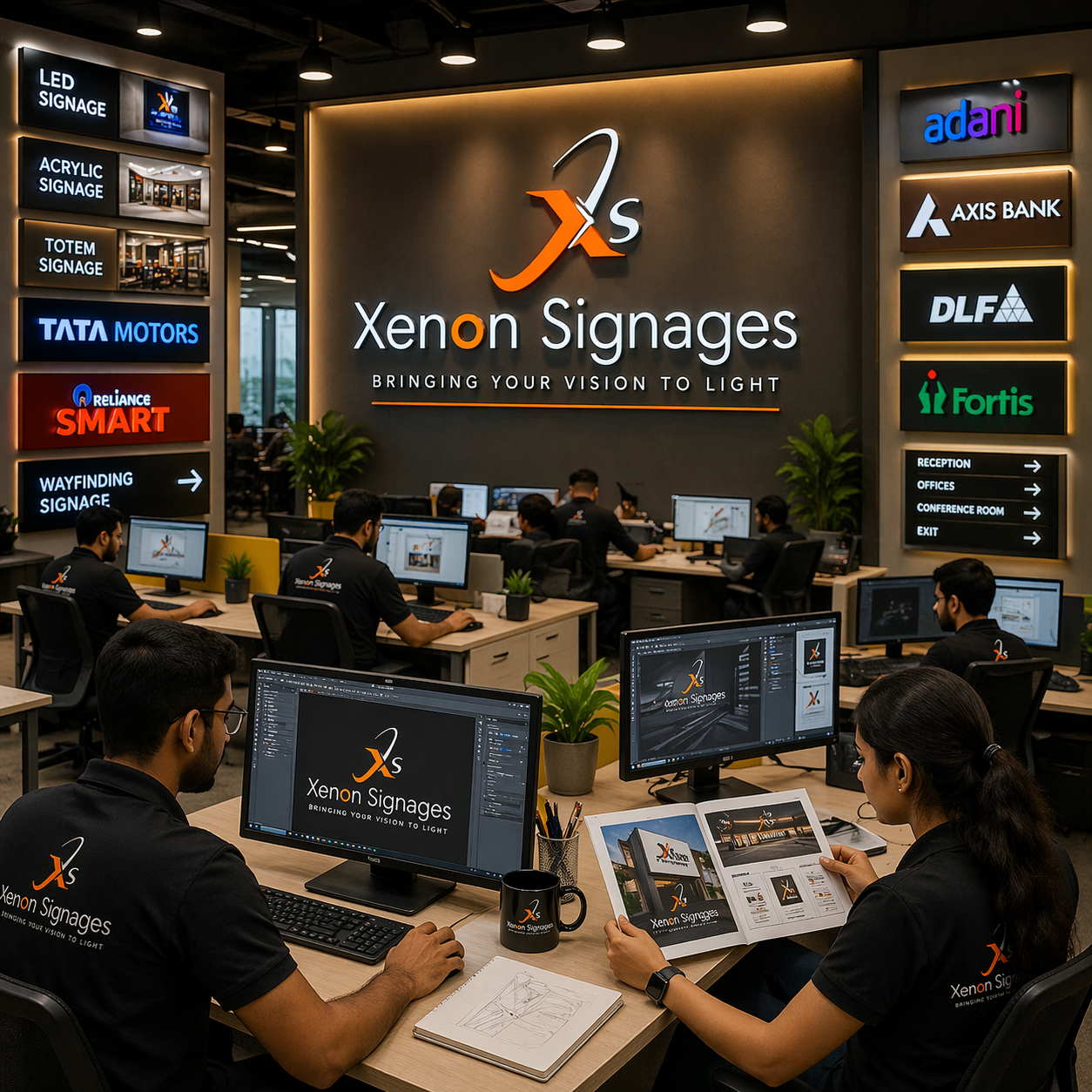
    Xenon Signages, Custom Indoor/Outdoor Signage Board Manufacturer in Delhi #signage #digitalsignage #Architectural

    For more info, visit: https://www.xenonsignages.com/signage-board.php
    Top Trends in Architectural Signage for 2026 Architectural signage in 2026 is no longer just about displaying names or directions. It has evolved into a critical part of branding, user experience, sustainability, and smart building design. Modern signage is becoming immersive, intelligent, environmentally conscious, and deeply integrated with architecture itself. Businesses, architects, and developers are now treating signage as part of the built environment rather than an afterthought. 1. Seamless Integration with Architecture One of the biggest trends in 2026 is the integration of signage directly into architectural planning. Instead of attaching signs after construction, designers are embedding them into facades, landscaping, entryways, and structural materials from the beginning of the project. This approach creates: Cleaner visual aesthetics Stronger brand identity Better harmony between signage and building materials Enhanced property value Materials such as brushed aluminum, corten steel, stone, timber, and textured acrylic are increasingly used to match modern architectural finishes. Monument signs and directional systems now feel like extensions of the building itself. 2. Sustainable and Eco-Friendly Signage Sustainability has become a defining force in signage design. Companies and property developers are demanding environmentally responsible materials and energy-efficient systems. Popular sustainable trends include: Recycled metal and acrylic materials Solar-powered illuminated signs Low-energy LED lighting FSC-certified wood products Modular signage systems that reduce waste Green signage also aligns with the rise of net-zero and eco-conscious buildings. Many brands now use signage to communicate their sustainability commitments visually. 3. Digital and Interactive Signage Intelligent digital systems are rapidly replacing static signs. Interactive displays, touch-enabled directories, and AI-powered information screens are becoming standard in commercial buildings, retail centers, airports, and hospitals. Key developments include: Real-time content updates Smart wayfinding systems QR code integration Mobile-connected signage AI-driven personalized messaging Digital signage is now viewed as a communication infrastructure rather than simple advertising. Businesses want flexible systems that can adapt instantly to changing needs. 4. Immersive and Experiential Signage Experiential design is reshaping architectural signage. In 2026, signage is expected to create memorable visual experiences rather than simply convey information. Emerging innovations include: Large-format LED video walls 3D anamorphic displays Projection mapping Responsive lighting systems Multi-sensory environments combining sound and visuals Retail and hospitality sectors are especially embracing immersive signage to attract visitors and encourage social media engagement. Buildings are increasingly turning entrances and facades into dynamic storytelling spaces. 5. Human-Centered and Biophilic Design Architectural trends are shifting away from cold minimalism toward warmer, more human-centered environments. Signage is following the same direction. This trend emphasizes: Natural textures and finishes Organic forms and soft edges Warm color palettes Nature-inspired typography Integration of greenery and lighting Biophilic signage creates spaces that feel calming, welcoming, and emotionally engaging. Designers are focusing more on how signage affects mood and user comfort. Conclusion The architectural signage industry in 2026 is defined by the convergence of design, technology, sustainability, and human experience. Signage is becoming smarter, greener, more immersive, and more integrated into architecture than ever before. From AI-powered digital systems to biophilic materials and experiential installations, modern signage is helping shape how people interact with buildings and spaces. As architecture continues evolving toward connected and sustainable environments, signage will play an even larger role in creating memorable, functional, and emotionally engaging experiences. Xenon Signages, Custom Indoor/Outdoor Signage Board Manufacturer in Delhi #signage #digitalsignage #Architectural For more info, visit: https://www.xenonsignages.com/signage-board.php
    0 Commentarii ·0 Distribuiri ·1K Views ·0 previzualizare
  • Recycling Center Dubai and Reliable Waste Management Service for a Sustainable Future

    The growing demand for eco-friendly solutions has made the role of every recycling center Dubai more important than ever. Businesses, industries, and households are now actively searching for dependable waste management service providers that can help reduce environmental impact while promoting sustainability. Dubai has become a leading example in the Middle East for implementing modern waste disposal and recycling systems that support a cleaner and greener future.
    Website:- http://socialmobie.com/blog/recycling-center-dubai-and-reliable-waste-management-service-for-a-sustainable-future
    Recycling Center Dubai and Reliable Waste Management Service for a Sustainable Future The growing demand for eco-friendly solutions has made the role of every recycling center Dubai more important than ever. Businesses, industries, and households are now actively searching for dependable waste management service providers that can help reduce environmental impact while promoting sustainability. Dubai has become a leading example in the Middle East for implementing modern waste disposal and recycling systems that support a cleaner and greener future. Website:- http://socialmobie.com/blog/recycling-center-dubai-and-reliable-waste-management-service-for-a-sustainable-future
    Recycling Center Dubai and Reliable Waste Management Service for a Sustainable Future - Blog View - Socialmobie.com
    socialmobie.com
    The growing demand for eco-friendly solutions has made the role of every recycling center Dubai more important than ever. Businesses, industries, and households are now actively searching for dependable waste management service providers that can help red... This page displays a blog entry. Socialmobie.com is a free social media platform. Post your status updates, write a blog, connect with friends, join a group, share your photos/videos/music, and more. Come and share your life in our community.
    0 Commentarii ·0 Distribuiri ·286 Views ·0 previzualizare
  • ISO 14001 Lead Auditor Training Course: A Complete Guide to Environmental Auditing

    The ISO 14001 Lead Auditor Training Course is designed to equip professionals with the knowledge and skills required to audit Environmental Management Systems (EMS) effectively. As environmental concerns and regulatory requirements continue to grow, organizations need qualified auditors who can ensure compliance and drive continuous improvement. This course provides a comprehensive understanding of ISO 14001 standards and auditing techniques.

    What is ISO 14001 Lead Auditor Training?

    ISO 14001 Lead Auditor Training focuses on teaching participants how to plan, conduct, manage, and report EMS audits in accordance with ISO 14001 requirements. It covers the principles of auditing, including integrity, objectivity, confidentiality, and evidence-based decision-making. Participants also gain in-depth knowledge of environmental management concepts and legal compliance requirements.

    Importance of Lead Auditor Training

    Lead auditor training is essential for organizations that want to maintain ISO 14001 certification and improve environmental performance. Trained auditors can identify gaps in the EMS, assess compliance with environmental regulations, and recommend corrective actions. This helps organizations reduce environmental risks, improve efficiency, and ensure sustainable operations.

    Key Topics Covered in the Course

    The ISO 14001 Lead Auditor Training Course includes a wide range of topics. These include understanding ISO 14001 clauses, environmental aspects and impacts, risk assessment, and compliance obligations. Participants also learn audit planning, checklist preparation, conducting audit interviews, and collecting objective evidence.

    The course emphasizes reporting audit findings, writing nonconformities, and implementing corrective actions. It also covers follow-up audits and continuous improvement strategies to ensure long-term effectiveness of the EMS.

    Benefits of ISO 14001 Lead Auditor Training

    This training offers significant benefits for both individuals and organizations. For professionals, it enhances auditing skills, increases career opportunities, and provides internationally recognized certification. For organizations, it ensures effective internal audits, improved environmental performance, and compliance with regulatory requirements.

    The training also helps organizations reduce environmental impact, optimize resource use, and strengthen their reputation as environmentally responsible businesses.

    Who Should Attend the Course?

    The ISO 14001 Lead Auditor Training Course is suitable for environmental managers, auditors, consultants, and professionals responsible for EMS implementation and maintenance. It is also beneficial for individuals aspiring to become certified lead auditors.

    Conclusion

    ISO 14001 Lead Auditor Training Course is a valuable investment for organizations and professionals committed to environmental excellence. It provides the skills needed to conduct effective audits, ensure compliance, and support continuous improvement. By developing qualified lead auditors, organizations can enhance their Environmental Management Systems and achieve long-term sustainability goals.

    website: http://iasiso-africa.com/gh/iso-14001-2015-lead-auditor-training/
    ISO 14001 Lead Auditor Training Course: A Complete Guide to Environmental Auditing The ISO 14001 Lead Auditor Training Course is designed to equip professionals with the knowledge and skills required to audit Environmental Management Systems (EMS) effectively. As environmental concerns and regulatory requirements continue to grow, organizations need qualified auditors who can ensure compliance and drive continuous improvement. This course provides a comprehensive understanding of ISO 14001 standards and auditing techniques. What is ISO 14001 Lead Auditor Training? ISO 14001 Lead Auditor Training focuses on teaching participants how to plan, conduct, manage, and report EMS audits in accordance with ISO 14001 requirements. It covers the principles of auditing, including integrity, objectivity, confidentiality, and evidence-based decision-making. Participants also gain in-depth knowledge of environmental management concepts and legal compliance requirements. Importance of Lead Auditor Training Lead auditor training is essential for organizations that want to maintain ISO 14001 certification and improve environmental performance. Trained auditors can identify gaps in the EMS, assess compliance with environmental regulations, and recommend corrective actions. This helps organizations reduce environmental risks, improve efficiency, and ensure sustainable operations. Key Topics Covered in the Course The ISO 14001 Lead Auditor Training Course includes a wide range of topics. These include understanding ISO 14001 clauses, environmental aspects and impacts, risk assessment, and compliance obligations. Participants also learn audit planning, checklist preparation, conducting audit interviews, and collecting objective evidence. The course emphasizes reporting audit findings, writing nonconformities, and implementing corrective actions. It also covers follow-up audits and continuous improvement strategies to ensure long-term effectiveness of the EMS. Benefits of ISO 14001 Lead Auditor Training This training offers significant benefits for both individuals and organizations. For professionals, it enhances auditing skills, increases career opportunities, and provides internationally recognized certification. For organizations, it ensures effective internal audits, improved environmental performance, and compliance with regulatory requirements. The training also helps organizations reduce environmental impact, optimize resource use, and strengthen their reputation as environmentally responsible businesses. Who Should Attend the Course? The ISO 14001 Lead Auditor Training Course is suitable for environmental managers, auditors, consultants, and professionals responsible for EMS implementation and maintenance. It is also beneficial for individuals aspiring to become certified lead auditors. Conclusion ISO 14001 Lead Auditor Training Course is a valuable investment for organizations and professionals committed to environmental excellence. It provides the skills needed to conduct effective audits, ensure compliance, and support continuous improvement. By developing qualified lead auditors, organizations can enhance their Environmental Management Systems and achieve long-term sustainability goals. website: http://iasiso-africa.com/gh/iso-14001-2015-lead-auditor-training/
    0 Commentarii ·0 Distribuiri ·322 Views ·0 previzualizare
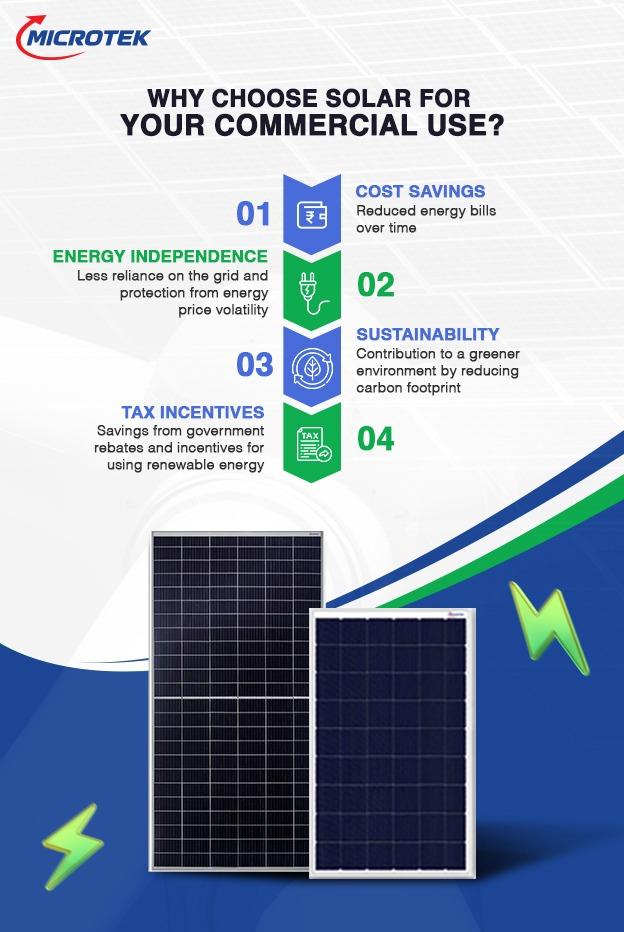
  • Microtek offers advanced Solar Power Solutions designed to deliver reliable and energy-efficient performance for commercial and residential needs. As one of the providers of the best solar system solutions, Microtek helps reduce electricity costs through high-quality solar technology and smart energy management. Their innovative solar panels home systems promote energy independence, sustainability, and long-term savings while supporting eco-friendly living.
    know more:- https://www.microtek.in/product/solar-solutions/solar-power-conditioning-units
    Microtek offers advanced Solar Power Solutions designed to deliver reliable and energy-efficient performance for commercial and residential needs. As one of the providers of the best solar system solutions, Microtek helps reduce electricity costs through high-quality solar technology and smart energy management. Their innovative solar panels home systems promote energy independence, sustainability, and long-term savings while supporting eco-friendly living. know more:- https://www.microtek.in/product/solar-solutions/solar-power-conditioning-units
    0 Commentarii ·0 Distribuiri ·242 Views ·0 previzualizare
  • Improve ESG Compliance with Smart ESG Risk Mapping Solutions

    Discover how Correntics supports businesses with ESG risk mapping tools designed to analyze sustainability risks, improve reporting accuracy, and strengthen long-term business resilience.

    read also :-https://www.correntics.com/what-is-esg-risk-assessment-a-step-by-step-guide-for-businesses/

    #ESGRisk #ESGRiskMapping #CorrenticsSolutions #SustainabilityGoals #EnvironmentalRisk #Governance #ESGReporting #ClimateAnalytics #SustainableGrowth #CorporateESG
    Improve ESG Compliance with Smart ESG Risk Mapping Solutions Discover how Correntics supports businesses with ESG risk mapping tools designed to analyze sustainability risks, improve reporting accuracy, and strengthen long-term business resilience. read also :-https://www.correntics.com/what-is-esg-risk-assessment-a-step-by-step-guide-for-businesses/ #ESGRisk #ESGRiskMapping #CorrenticsSolutions #SustainabilityGoals #EnvironmentalRisk #Governance #ESGReporting #ClimateAnalytics #SustainableGrowth #CorporateESG
    What Is ESG Risk Assessment? Step-by-Step Guide for Businesses
    www.correntics.com
    Learn what ESG risk assessment is and how businesses can identify, measure, and mitigate environmental, social, and governance risks. Explore tools, templates, supplier assessments, and consulting solutions to strengthen operational resilience.
    0 Commentarii ·0 Distribuiri ·1K Views ·0 previzualizare
  • ISO 9001 Training: Building Quality Excellence Across Every Business Process

    Introduction to ISO 9001 Training

    ISO 9001 training is an essential step for organizations that want to improve quality management, customer satisfaction, and operational efficiency. Based on the internationally recognized International Organization for Standardization ISO 9001 standard, this training helps employees, managers, and quality professionals understand how to implement and maintain an effective Quality Management System (QMS). Businesses across manufacturing, healthcare, logistics, food production, education, and service industries rely on ISO 9001 training to strengthen internal processes and meet global market expectations.

    The purpose of ISO 9001 training is not only to teach the requirements of the standard but also to create a culture of continuous improvement within the organization. Through proper training, employees gain the skills needed to identify risks, reduce errors, improve documentation, and deliver consistent quality in products and services.

    Understanding the Importance of ISO 9001

    ISO 9001 is one of the most widely adopted quality management standards in the world. Organizations choose this standard because it provides a structured framework for managing processes effectively and ensuring customer satisfaction. ISO 9001 training helps participants understand important concepts such as process-based thinking, risk management, leadership involvement, and performance evaluation.

    Companies that invest in ISO 9001 training often experience improved operational control, reduced waste, better communication, and enhanced customer trust. Training also prepares organizations for certification audits by helping teams understand compliance requirements and documentation practices. Employees become more confident in handling quality responsibilities, which contributes to long-term business growth and sustainability.

    Key Topics Covered in ISO 9001 Training

    ISO 9001 training programs typically cover the structure and requirements of the standard in detail. Participants learn about the principles of quality management, including customer focus, leadership, engagement of people, process approach, and continuous improvement. Training also explains how organizations can establish quality objectives, monitor performance, and manage corrective actions effectively.

    Another important area of ISO 9001 training is internal auditing. Employees are taught how to conduct audits, identify nonconformities, and recommend improvements. Documentation management, risk assessment, root cause analysis, and management review processes are also commonly included in the training curriculum. Practical examples and case studies help learners understand how ISO 9001 requirements apply in real business environments.

    Benefits of ISO 9001 Training for Organizations

    Organizations that provide ISO 9001 training to their workforce gain significant advantages in both internal operations and external business opportunities. Trained employees are more aware of quality expectations and are better equipped to maintain compliance with company procedures. This leads to improved consistency, reduced operational errors, and stronger customer relationships.

    ISO 9001 training also enhances employee engagement because team members understand their roles more clearly within the quality management system. Businesses often see increased productivity, improved decision-making, and greater efficiency after implementing ISO 9001 principles effectively. In competitive markets, organizations with ISO 9001 knowledge and certification are often viewed as more reliable and professional by customers, suppliers, and stakeholders.

    Conclusion

    ISO 9001 training is a valuable investment for organizations aiming to achieve operational excellence and long-term success. It equips employees with the knowledge and practical skills required to implement a strong quality management system and maintain international quality standards. By improving processes, reducing risks, and promoting continuous improvement, ISO 9001 training helps businesses strengthen their reputation and deliver greater value to customers. As industries continue to evolve, organizations that prioritize quality management through ISO 9001 training are better positioned for sustainable growth and global recognition.

    Web: https://ias-malaysia.com/iso-9001-lead-auditor-training-in-malaysia/
    ISO 9001 Training: Building Quality Excellence Across Every Business Process Introduction to ISO 9001 Training ISO 9001 training is an essential step for organizations that want to improve quality management, customer satisfaction, and operational efficiency. Based on the internationally recognized International Organization for Standardization ISO 9001 standard, this training helps employees, managers, and quality professionals understand how to implement and maintain an effective Quality Management System (QMS). Businesses across manufacturing, healthcare, logistics, food production, education, and service industries rely on ISO 9001 training to strengthen internal processes and meet global market expectations. The purpose of ISO 9001 training is not only to teach the requirements of the standard but also to create a culture of continuous improvement within the organization. Through proper training, employees gain the skills needed to identify risks, reduce errors, improve documentation, and deliver consistent quality in products and services. Understanding the Importance of ISO 9001 ISO 9001 is one of the most widely adopted quality management standards in the world. Organizations choose this standard because it provides a structured framework for managing processes effectively and ensuring customer satisfaction. ISO 9001 training helps participants understand important concepts such as process-based thinking, risk management, leadership involvement, and performance evaluation. Companies that invest in ISO 9001 training often experience improved operational control, reduced waste, better communication, and enhanced customer trust. Training also prepares organizations for certification audits by helping teams understand compliance requirements and documentation practices. Employees become more confident in handling quality responsibilities, which contributes to long-term business growth and sustainability. Key Topics Covered in ISO 9001 Training ISO 9001 training programs typically cover the structure and requirements of the standard in detail. Participants learn about the principles of quality management, including customer focus, leadership, engagement of people, process approach, and continuous improvement. Training also explains how organizations can establish quality objectives, monitor performance, and manage corrective actions effectively. Another important area of ISO 9001 training is internal auditing. Employees are taught how to conduct audits, identify nonconformities, and recommend improvements. Documentation management, risk assessment, root cause analysis, and management review processes are also commonly included in the training curriculum. Practical examples and case studies help learners understand how ISO 9001 requirements apply in real business environments. Benefits of ISO 9001 Training for Organizations Organizations that provide ISO 9001 training to their workforce gain significant advantages in both internal operations and external business opportunities. Trained employees are more aware of quality expectations and are better equipped to maintain compliance with company procedures. This leads to improved consistency, reduced operational errors, and stronger customer relationships. ISO 9001 training also enhances employee engagement because team members understand their roles more clearly within the quality management system. Businesses often see increased productivity, improved decision-making, and greater efficiency after implementing ISO 9001 principles effectively. In competitive markets, organizations with ISO 9001 knowledge and certification are often viewed as more reliable and professional by customers, suppliers, and stakeholders. Conclusion ISO 9001 training is a valuable investment for organizations aiming to achieve operational excellence and long-term success. It equips employees with the knowledge and practical skills required to implement a strong quality management system and maintain international quality standards. By improving processes, reducing risks, and promoting continuous improvement, ISO 9001 training helps businesses strengthen their reputation and deliver greater value to customers. As industries continue to evolve, organizations that prioritize quality management through ISO 9001 training are better positioned for sustainable growth and global recognition. Web: https://ias-malaysia.com/iso-9001-lead-auditor-training-in-malaysia/
    ISO 9001 Training (ISO 9001 Lead Auditor)
    ias-malaysia.com
    Looking for ISO 9001 training in Malaysia? IAS offer an industry-leading ISO 9001 Lead Auditor training course that will certify you as a QMS Lead Auditor!
    0 Commentarii ·0 Distribuiri ·786 Views ·0 previzualizare
  • Architecture Assignment Help Australia – Expert Design Support
    Architecture assignments involve building design, structural planning, drafting, sustainability concepts, and architectural analysis, requiring strong creative and technical skills. Students often struggle with design projects, technical drawings, and architectural planning concepts visit- https://www.onlineassignment-expert.com/engineering/architecture-assignment-help.htm
    Architecture Assignment Help Australia – Expert Design Support Architecture assignments involve building design, structural planning, drafting, sustainability concepts, and architectural analysis, requiring strong creative and technical skills. Students often struggle with design projects, technical drawings, and architectural planning concepts visit- https://www.onlineassignment-expert.com/engineering/architecture-assignment-help.htm
    0 Commentarii ·0 Distribuiri ·496 Views ·0 previzualizare
  • Innovative Engineering Solutions for Modern Product Development and Sustainable Design

    Modern industries are evolving rapidly, creating a strong demand for innovative engineering solutions that improve efficiency, accuracy, and sustainability.
    Visit: https://ext-6854997.livejournal.com/10245.html
    Innovative Engineering Solutions for Modern Product Development and Sustainable Design Modern industries are evolving rapidly, creating a strong demand for innovative engineering solutions that improve efficiency, accuracy, and sustainability. Visit: https://ext-6854997.livejournal.com/10245.html
    Innovative Engineering Solutions for Modern Product Development and Sustainable Design
    ext-6854997.livejournal.com
    Modern industries are evolving rapidly, creating a strong demand for innovative engineering solutions that improve efficiency, accuracy, and sustainability. Businesses today require a combination of smart product development, precise technical drafting, and renewable energy planning to remain…
    0 Commentarii ·0 Distribuiri ·131 Views ·0 previzualizare
  • ISO Certified Recycling Company for Reliable Recycling and Waste Disposal in Dubai

    Managing waste responsibly has become essential for businesses and households across the UAE. With growing environmental concerns and stricter sustainability goals, choosing an ISO certified recycling company ensures safe, compliant, and eco-friendly waste management solutions. Whether it is electronic waste, metal scrap, batteries, or general commercial waste, professional recycling and waste disposal services help reduce landfill impact while supporting a cleaner future.
    Website:- https://daddycow.com/blogs/view/107971/iso-certified-recycling-company-for-reliable-recycling-and-waste-dispo
    ISO Certified Recycling Company for Reliable Recycling and Waste Disposal in Dubai Managing waste responsibly has become essential for businesses and households across the UAE. With growing environmental concerns and stricter sustainability goals, choosing an ISO certified recycling company ensures safe, compliant, and eco-friendly waste management solutions. Whether it is electronic waste, metal scrap, batteries, or general commercial waste, professional recycling and waste disposal services help reduce landfill impact while supporting a cleaner future. Website:- https://daddycow.com/blogs/view/107971/iso-certified-recycling-company-for-reliable-recycling-and-waste-dispo
    ISO Certified Recycling Company for Reliable Recycling and Waste Disposal in Dubai
    daddycow.com
    Managing waste responsibly has become essential for businesses and households across the UAE. With growing environmental concerns and stricter sustainability goals, choosing an ISO certified recycling company ensures safe, compliant, and eco-friendly waste management solutions. Whether it is electronic waste,
    0 Commentarii ·0 Distribuiri ·235 Views ·0 previzualizare
Sponsorizeaza Paginile