



@MyrtleCohen
11 Articoli
1 Foto
0 Video
Vive a chennai
Dal chennai
Male
-
RoHS Certification: A Complete Guide
RoHS certification is an essential requirement for manufacturers and exporters of electrical and electronic products. It ensures that products are free from hazardous substances and are safe for both consumers and the environment. Businesses aiming to enter global markets, especially in Europe, must comply with RoHS regulations to meet legal and environmental standards.
What Is RoHS Certification?
Restriction of Hazardous Substances Directive (RoHS) is a regulation introduced by the European Union that restricts the use of specific hazardous materials found in electrical and electronic equipment. RoHS certification confirms that a product complies with these restrictions and does not contain harmful substances beyond permitted limits.
The directive primarily limits substances such as lead (Pb), mercury (Hg), cadmium (Cd), hexavalent chromium (Cr6+), polybrominated biphenyls (PBB), and polybrominated diphenyl ethers (PBDE).
Why RoHS Certification Is Important
RoHS certification plays a crucial role in protecting human health and the environment. Hazardous substances used in electronics can pose serious risks during manufacturing, usage, and disposal. By complying with RoHS standards, companies reduce environmental pollution and improve product safety.
Additionally, RoHS compliance is mandatory for selling electronic products in the European market. Without certification, businesses may face legal penalties, product recalls, or restrictions on market entry.
Scope of RoHS Certification
RoHS applies to a wide range of electrical and electronic equipment, including:
Household appliances
IT and telecommunications equipment
Consumer electronics
Lighting products
Medical devices
Monitoring and control instruments
Manufacturers, importers, and distributors involved in these product categories must ensure compliance with RoHS requirements.
RoHS Certification Process
The process of obtaining RoHS certification involves several steps:
Product Assessment: Identify materials and components used in the product.
Testing and Analysis: Conduct laboratory testing to detect restricted substances.
Documentation: Prepare technical files, including test reports and compliance declarations.
Declaration of Conformity (DoC): Issue a formal statement confirming compliance.
CE Marking: Affix the CE mark to indicate conformity with EU regulations.
Working with accredited testing laboratories and certification bodies ensures a smooth certification process.
Benefits of RoHS Certification
Obtaining RoHS certification offers several advantages:
Market Access: Enables entry into European and international markets
Environmental Protection: Reduces harmful waste and pollution
Brand Reputation: Builds trust with customers and stakeholders
Legal Compliance: Avoids fines and regulatory issues
Competitive Advantage: Demonstrates commitment to sustainability
Who Needs RoHS Certification?
RoHS certification is required for:
Manufacturers of electrical and electronic equipment
Exporters targeting European markets
Importers and distributors handling electronic products
Businesses aiming to improve environmental compliance
Conclusion
RoHS certification is a critical standard for ensuring the safety and sustainability of electronic products. By complying with the Restriction of Hazardous Substances Directive, businesses not only meet legal requirements but also contribute to a cleaner and safer environment. Investing in RoHS compliance enhances global market opportunities and strengthens a company’s commitment to responsible manufacturing.
website: https://iasiso-africa.com/rohs-certification-in-nigeria/RoHS Certification: A Complete Guide RoHS certification is an essential requirement for manufacturers and exporters of electrical and electronic products. It ensures that products are free from hazardous substances and are safe for both consumers and the environment. Businesses aiming to enter global markets, especially in Europe, must comply with RoHS regulations to meet legal and environmental standards. What Is RoHS Certification? Restriction of Hazardous Substances Directive (RoHS) is a regulation introduced by the European Union that restricts the use of specific hazardous materials found in electrical and electronic equipment. RoHS certification confirms that a product complies with these restrictions and does not contain harmful substances beyond permitted limits. The directive primarily limits substances such as lead (Pb), mercury (Hg), cadmium (Cd), hexavalent chromium (Cr6+), polybrominated biphenyls (PBB), and polybrominated diphenyl ethers (PBDE). Why RoHS Certification Is Important RoHS certification plays a crucial role in protecting human health and the environment. Hazardous substances used in electronics can pose serious risks during manufacturing, usage, and disposal. By complying with RoHS standards, companies reduce environmental pollution and improve product safety. Additionally, RoHS compliance is mandatory for selling electronic products in the European market. Without certification, businesses may face legal penalties, product recalls, or restrictions on market entry. Scope of RoHS Certification RoHS applies to a wide range of electrical and electronic equipment, including: Household appliances IT and telecommunications equipment Consumer electronics Lighting products Medical devices Monitoring and control instruments Manufacturers, importers, and distributors involved in these product categories must ensure compliance with RoHS requirements. RoHS Certification Process The process of obtaining RoHS certification involves several steps: Product Assessment: Identify materials and components used in the product. Testing and Analysis: Conduct laboratory testing to detect restricted substances. Documentation: Prepare technical files, including test reports and compliance declarations. Declaration of Conformity (DoC): Issue a formal statement confirming compliance. CE Marking: Affix the CE mark to indicate conformity with EU regulations. Working with accredited testing laboratories and certification bodies ensures a smooth certification process. Benefits of RoHS Certification Obtaining RoHS certification offers several advantages: Market Access: Enables entry into European and international markets Environmental Protection: Reduces harmful waste and pollution Brand Reputation: Builds trust with customers and stakeholders Legal Compliance: Avoids fines and regulatory issues Competitive Advantage: Demonstrates commitment to sustainability Who Needs RoHS Certification? RoHS certification is required for: Manufacturers of electrical and electronic equipment Exporters targeting European markets Importers and distributors handling electronic products Businesses aiming to improve environmental compliance Conclusion RoHS certification is a critical standard for ensuring the safety and sustainability of electronic products. By complying with the Restriction of Hazardous Substances Directive, businesses not only meet legal requirements but also contribute to a cleaner and safer environment. Investing in RoHS compliance enhances global market opportunities and strengthens a company’s commitment to responsible manufacturing. website: https://iasiso-africa.com/rohs-certification-in-nigeria/0 Commenti ·0 condivisioni ·4K Views ·0 Anteprima -
ISO 14001 Lead Auditor Training Course: A Complete Guide to Environmental Auditing
The ISO 14001 Lead Auditor Training Course is designed to equip professionals with the knowledge and skills required to audit Environmental Management Systems (EMS) effectively. As environmental concerns and regulatory requirements continue to grow, organizations need qualified auditors who can ensure compliance and drive continuous improvement. This course provides a comprehensive understanding of ISO 14001 standards and auditing techniques.
What is ISO 14001 Lead Auditor Training?
ISO 14001 Lead Auditor Training focuses on teaching participants how to plan, conduct, manage, and report EMS audits in accordance with ISO 14001 requirements. It covers the principles of auditing, including integrity, objectivity, confidentiality, and evidence-based decision-making. Participants also gain in-depth knowledge of environmental management concepts and legal compliance requirements.
Importance of Lead Auditor Training
Lead auditor training is essential for organizations that want to maintain ISO 14001 certification and improve environmental performance. Trained auditors can identify gaps in the EMS, assess compliance with environmental regulations, and recommend corrective actions. This helps organizations reduce environmental risks, improve efficiency, and ensure sustainable operations.
Key Topics Covered in the Course
The ISO 14001 Lead Auditor Training Course includes a wide range of topics. These include understanding ISO 14001 clauses, environmental aspects and impacts, risk assessment, and compliance obligations. Participants also learn audit planning, checklist preparation, conducting audit interviews, and collecting objective evidence.
The course emphasizes reporting audit findings, writing nonconformities, and implementing corrective actions. It also covers follow-up audits and continuous improvement strategies to ensure long-term effectiveness of the EMS.
Benefits of ISO 14001 Lead Auditor Training
This training offers significant benefits for both individuals and organizations. For professionals, it enhances auditing skills, increases career opportunities, and provides internationally recognized certification. For organizations, it ensures effective internal audits, improved environmental performance, and compliance with regulatory requirements.
The training also helps organizations reduce environmental impact, optimize resource use, and strengthen their reputation as environmentally responsible businesses.
Who Should Attend the Course?
The ISO 14001 Lead Auditor Training Course is suitable for environmental managers, auditors, consultants, and professionals responsible for EMS implementation and maintenance. It is also beneficial for individuals aspiring to become certified lead auditors.
Conclusion
ISO 14001 Lead Auditor Training Course is a valuable investment for organizations and professionals committed to environmental excellence. It provides the skills needed to conduct effective audits, ensure compliance, and support continuous improvement. By developing qualified lead auditors, organizations can enhance their Environmental Management Systems and achieve long-term sustainability goals.
website: http://iasiso-africa.com/gh/iso-14001-2015-lead-auditor-training/ISO 14001 Lead Auditor Training Course: A Complete Guide to Environmental Auditing The ISO 14001 Lead Auditor Training Course is designed to equip professionals with the knowledge and skills required to audit Environmental Management Systems (EMS) effectively. As environmental concerns and regulatory requirements continue to grow, organizations need qualified auditors who can ensure compliance and drive continuous improvement. This course provides a comprehensive understanding of ISO 14001 standards and auditing techniques. What is ISO 14001 Lead Auditor Training? ISO 14001 Lead Auditor Training focuses on teaching participants how to plan, conduct, manage, and report EMS audits in accordance with ISO 14001 requirements. It covers the principles of auditing, including integrity, objectivity, confidentiality, and evidence-based decision-making. Participants also gain in-depth knowledge of environmental management concepts and legal compliance requirements. Importance of Lead Auditor Training Lead auditor training is essential for organizations that want to maintain ISO 14001 certification and improve environmental performance. Trained auditors can identify gaps in the EMS, assess compliance with environmental regulations, and recommend corrective actions. This helps organizations reduce environmental risks, improve efficiency, and ensure sustainable operations. Key Topics Covered in the Course The ISO 14001 Lead Auditor Training Course includes a wide range of topics. These include understanding ISO 14001 clauses, environmental aspects and impacts, risk assessment, and compliance obligations. Participants also learn audit planning, checklist preparation, conducting audit interviews, and collecting objective evidence. The course emphasizes reporting audit findings, writing nonconformities, and implementing corrective actions. It also covers follow-up audits and continuous improvement strategies to ensure long-term effectiveness of the EMS. Benefits of ISO 14001 Lead Auditor Training This training offers significant benefits for both individuals and organizations. For professionals, it enhances auditing skills, increases career opportunities, and provides internationally recognized certification. For organizations, it ensures effective internal audits, improved environmental performance, and compliance with regulatory requirements. The training also helps organizations reduce environmental impact, optimize resource use, and strengthen their reputation as environmentally responsible businesses. Who Should Attend the Course? The ISO 14001 Lead Auditor Training Course is suitable for environmental managers, auditors, consultants, and professionals responsible for EMS implementation and maintenance. It is also beneficial for individuals aspiring to become certified lead auditors. Conclusion ISO 14001 Lead Auditor Training Course is a valuable investment for organizations and professionals committed to environmental excellence. It provides the skills needed to conduct effective audits, ensure compliance, and support continuous improvement. By developing qualified lead auditors, organizations can enhance their Environmental Management Systems and achieve long-term sustainability goals. website: http://iasiso-africa.com/gh/iso-14001-2015-lead-auditor-training/0 Commenti ·0 condivisioni ·1K Views ·0 Anteprima -
ISO 45001 certification
ISO 45001 certification is an international standard for Occupational Health and Safety Management Systems. It helps organizations reduce workplace risks, prevent injuries, and ensure legal compliance. The certification improves safety performance, boosts employee confidence, and demonstrates commitment to a safe and healthy working environment across all industries.
website: http://iasiso-africa.com/za/iso-45001-2018-certification-in-south-africa/ISO 45001 certification ISO 45001 certification is an international standard for Occupational Health and Safety Management Systems. It helps organizations reduce workplace risks, prevent injuries, and ensure legal compliance. The certification improves safety performance, boosts employee confidence, and demonstrates commitment to a safe and healthy working environment across all industries. website: http://iasiso-africa.com/za/iso-45001-2018-certification-in-south-africa/0 Commenti ·0 condivisioni ·431 Views ·0 Anteprima -
ISO 22000 certification is an international standard for food safety management systems that ensures organizations control food safety hazards and deliver safe products to consumers. It integrates the principles of HACCP and focuses on risk management across the food supply chain.
website: https://iasiso-africa.com/za/iso-22000-certification-in-south-africa/ISO 22000 certification is an international standard for food safety management systems that ensures organizations control food safety hazards and deliver safe products to consumers. It integrates the principles of HACCP and focuses on risk management across the food supply chain. website: https://iasiso-africa.com/za/iso-22000-certification-in-south-africa/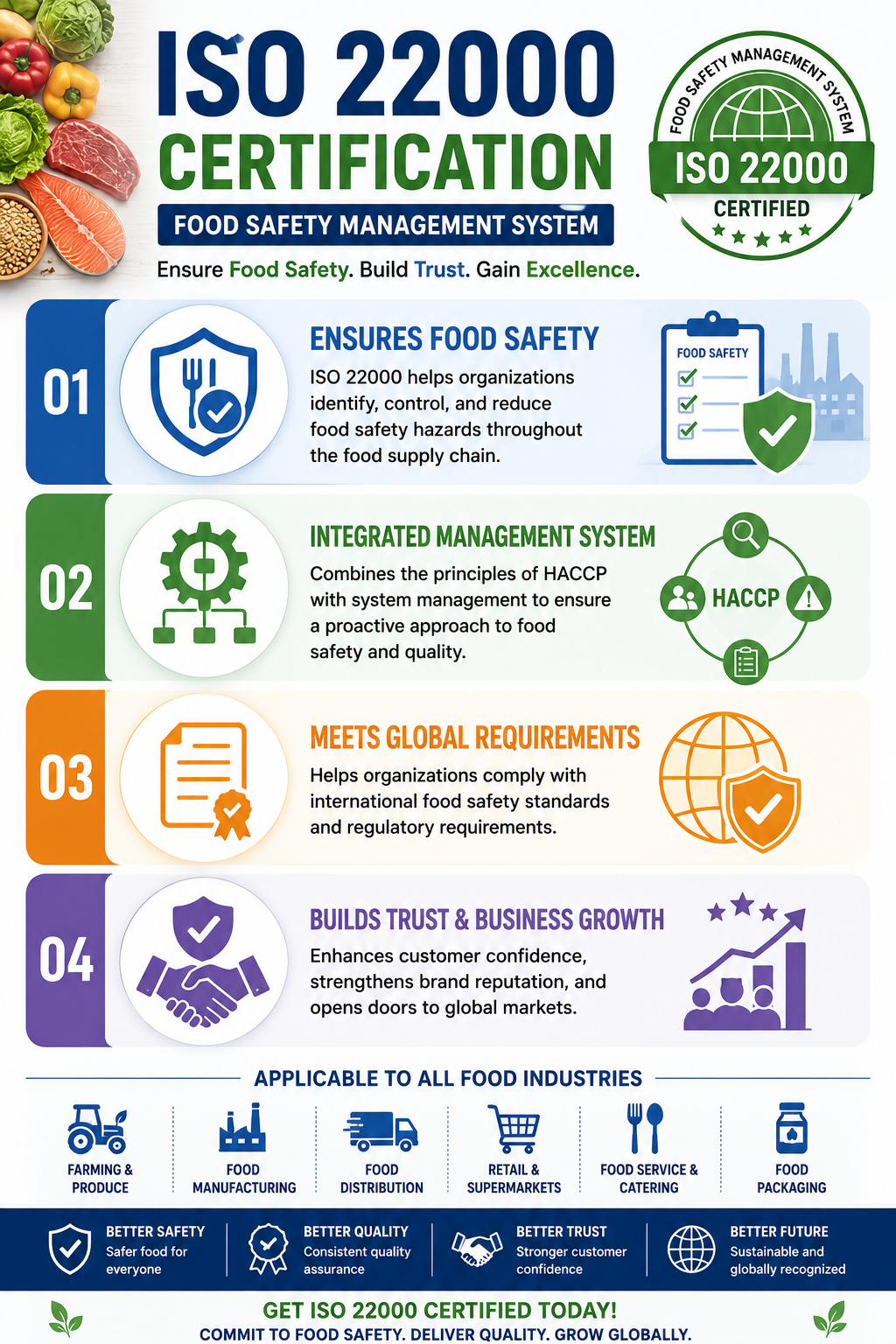 0 Commenti ·0 condivisioni ·1K Views ·0 Anteprima
 -
ISO Auditor Training: Building Skills for Effective Compliance and Auditing
ISO auditor training is a professional program designed to equip individuals with the knowledge and skills required to audit management systems based on international standards. These standards are developed by the International Organization for Standardization and are widely used across industries to ensure quality, safety, and efficiency. ISO auditor training is essential for professionals who want to assess organizational processes and ensure compliance with these standards.
There are different types of ISO auditor training programs, including internal auditor and lead auditor courses. Internal auditor training focuses on conducting audits within an organization, while lead auditor training prepares individuals to perform external audits and lead audit teams. Popular courses include ISO 9001 Lead Auditor Training, ISO 14001 Internal Auditor Training, and ISO 45001 Lead Auditor Training.
ISO auditor training typically covers key topics such as audit principles, audit planning, risk-based thinking, process evaluation, and reporting techniques. Participants learn how to identify non-conformities, evaluate evidence, and recommend corrective actions. The training also emphasizes communication skills and ethical practices, which are critical for effective auditing.
The benefits of ISO auditor training are significant for both individuals and organizations. For professionals, it enhances career opportunities and credibility in fields such as quality management, environmental management, and occupational health and safety. Certified auditors are in high demand across industries, making this training a valuable investment in career growth.
For organizations, having trained ISO auditors ensures that management systems are properly implemented and maintained. Internal audits help identify gaps and areas for improvement, enabling businesses to take corrective actions before external audits. This proactive approach reduces risks, improves efficiency, and ensures compliance with regulatory requirements.
The process of completing ISO auditor training usually involves classroom or online learning, followed by practical exercises and assessments. Participants may also need to pass an examination to receive certification. Lead auditor courses often include case studies and real-world audit scenarios to provide hands-on experience.
ISO auditor training also supports continuous improvement within organizations. By regularly auditing processes and systems, businesses can monitor performance, address issues, and enhance overall effectiveness. This aligns with the core principle of ISO standards, which is ongoing improvement and excellence.
In conclusion, ISO auditor training is a vital component of effective management systems. It equips professionals with the skills needed to conduct thorough audits and ensure compliance with international standards. For organizations, it strengthens internal controls and supports long-term success. By investing in ISO auditor training, both individuals and businesses can achieve higher levels of performance, credibility, and global competitiveness.
website: http://iasiso-africa.com/gh/iso-lead-auditor-training/ISO Auditor Training: Building Skills for Effective Compliance and Auditing ISO auditor training is a professional program designed to equip individuals with the knowledge and skills required to audit management systems based on international standards. These standards are developed by the International Organization for Standardization and are widely used across industries to ensure quality, safety, and efficiency. ISO auditor training is essential for professionals who want to assess organizational processes and ensure compliance with these standards. There are different types of ISO auditor training programs, including internal auditor and lead auditor courses. Internal auditor training focuses on conducting audits within an organization, while lead auditor training prepares individuals to perform external audits and lead audit teams. Popular courses include ISO 9001 Lead Auditor Training, ISO 14001 Internal Auditor Training, and ISO 45001 Lead Auditor Training. ISO auditor training typically covers key topics such as audit principles, audit planning, risk-based thinking, process evaluation, and reporting techniques. Participants learn how to identify non-conformities, evaluate evidence, and recommend corrective actions. The training also emphasizes communication skills and ethical practices, which are critical for effective auditing. The benefits of ISO auditor training are significant for both individuals and organizations. For professionals, it enhances career opportunities and credibility in fields such as quality management, environmental management, and occupational health and safety. Certified auditors are in high demand across industries, making this training a valuable investment in career growth. For organizations, having trained ISO auditors ensures that management systems are properly implemented and maintained. Internal audits help identify gaps and areas for improvement, enabling businesses to take corrective actions before external audits. This proactive approach reduces risks, improves efficiency, and ensures compliance with regulatory requirements. The process of completing ISO auditor training usually involves classroom or online learning, followed by practical exercises and assessments. Participants may also need to pass an examination to receive certification. Lead auditor courses often include case studies and real-world audit scenarios to provide hands-on experience. ISO auditor training also supports continuous improvement within organizations. By regularly auditing processes and systems, businesses can monitor performance, address issues, and enhance overall effectiveness. This aligns with the core principle of ISO standards, which is ongoing improvement and excellence. In conclusion, ISO auditor training is a vital component of effective management systems. It equips professionals with the skills needed to conduct thorough audits and ensure compliance with international standards. For organizations, it strengthens internal controls and supports long-term success. By investing in ISO auditor training, both individuals and businesses can achieve higher levels of performance, credibility, and global competitiveness. website: http://iasiso-africa.com/gh/iso-lead-auditor-training/0 Commenti ·0 condivisioni ·2K Views ·0 Anteprima -
Lead Auditor Training: Building Expertise in Auditing and Management Systems
Lead Auditor training is a professional certification program designed to equip individuals with the knowledge and skills required to plan, conduct, manage, and report audits of management systems. It is based on internationally recognized standards developed by the International Organization for Standardization. This training is essential for professionals who wish to become certified lead auditors in standards such as ISO 9001, ISO 14001, ISO 45001, and ISO 27001.
The primary objective of Lead Auditor training is to develop a deep understanding of audit principles, techniques, and practices. Participants learn how to evaluate whether an organization’s management system complies with applicable standards and effectively supports business objectives. The course also focuses on improving analytical thinking, communication skills, and decision-making abilities, which are critical for successful auditing.
One of the key benefits of Lead Auditor training is career advancement. Certified lead auditors are in high demand across industries, including manufacturing, construction, healthcare, IT, and service sectors. This certification opens opportunities to work as internal auditors, external auditors, consultants, or certification body auditors. It significantly enhances professional credibility and global employability.
The training covers a wide range of topics, including audit planning, preparation, execution, reporting, and follow-up. Participants are trained on how to develop audit checklists, conduct interviews, gather evidence, and evaluate compliance. They also learn how to identify non-conformities, assess risks, and recommend corrective actions. Role-playing exercises and case studies are often included to provide practical experience.
Another important aspect of Lead Auditor training is understanding audit standards and guidelines. Participants are introduced to ISO audit requirements, principles of auditing, and certification processes. This helps them ensure that audits are conducted in a consistent, objective, and professional manner. The training also emphasizes ethical behavior, confidentiality, and impartiality in auditing practices.
Lead Auditor training also enhances organizational performance. Skilled auditors help organizations identify gaps in their management systems and recommend improvements. This leads to better compliance, increased efficiency, and continuous improvement. Internal audits conducted by trained professionals also help organizations prepare for external certification audits.
The training typically includes both theoretical and practical components. Participants engage in workshops, group discussions, and mock audits to apply their knowledge in real-world scenarios. Assessment exams are conducted to evaluate understanding and competency. Successful candidates receive a recognized certification, which is often accredited by international certification bodies.
In addition to technical skills, Lead Auditor training develops leadership and communication abilities. Auditors must be able to interact effectively with management and employees at all levels. Strong communication ensures that audit findings are clearly presented and understood, leading to effective corrective actions.
In conclusion, Lead Auditor training is a valuable program for professionals seeking expertise in auditing and management systems. It provides comprehensive knowledge of audit processes, enhances career opportunities, and improves organizational performance. By completing Lead Auditor training, individuals can contribute to maintaining high standards, ensuring compliance, and driving continuous improvement across industries.
website: https://iasiso-gulf.com/SA/iso-lead-auditor-training/Lead Auditor Training: Building Expertise in Auditing and Management Systems Lead Auditor training is a professional certification program designed to equip individuals with the knowledge and skills required to plan, conduct, manage, and report audits of management systems. It is based on internationally recognized standards developed by the International Organization for Standardization. This training is essential for professionals who wish to become certified lead auditors in standards such as ISO 9001, ISO 14001, ISO 45001, and ISO 27001. The primary objective of Lead Auditor training is to develop a deep understanding of audit principles, techniques, and practices. Participants learn how to evaluate whether an organization’s management system complies with applicable standards and effectively supports business objectives. The course also focuses on improving analytical thinking, communication skills, and decision-making abilities, which are critical for successful auditing. One of the key benefits of Lead Auditor training is career advancement. Certified lead auditors are in high demand across industries, including manufacturing, construction, healthcare, IT, and service sectors. This certification opens opportunities to work as internal auditors, external auditors, consultants, or certification body auditors. It significantly enhances professional credibility and global employability. The training covers a wide range of topics, including audit planning, preparation, execution, reporting, and follow-up. Participants are trained on how to develop audit checklists, conduct interviews, gather evidence, and evaluate compliance. They also learn how to identify non-conformities, assess risks, and recommend corrective actions. Role-playing exercises and case studies are often included to provide practical experience. Another important aspect of Lead Auditor training is understanding audit standards and guidelines. Participants are introduced to ISO audit requirements, principles of auditing, and certification processes. This helps them ensure that audits are conducted in a consistent, objective, and professional manner. The training also emphasizes ethical behavior, confidentiality, and impartiality in auditing practices. Lead Auditor training also enhances organizational performance. Skilled auditors help organizations identify gaps in their management systems and recommend improvements. This leads to better compliance, increased efficiency, and continuous improvement. Internal audits conducted by trained professionals also help organizations prepare for external certification audits. The training typically includes both theoretical and practical components. Participants engage in workshops, group discussions, and mock audits to apply their knowledge in real-world scenarios. Assessment exams are conducted to evaluate understanding and competency. Successful candidates receive a recognized certification, which is often accredited by international certification bodies. In addition to technical skills, Lead Auditor training develops leadership and communication abilities. Auditors must be able to interact effectively with management and employees at all levels. Strong communication ensures that audit findings are clearly presented and understood, leading to effective corrective actions. In conclusion, Lead Auditor training is a valuable program for professionals seeking expertise in auditing and management systems. It provides comprehensive knowledge of audit processes, enhances career opportunities, and improves organizational performance. By completing Lead Auditor training, individuals can contribute to maintaining high standards, ensuring compliance, and driving continuous improvement across industries. website: https://iasiso-gulf.com/SA/iso-lead-auditor-training/0 Commenti ·0 condivisioni ·2K Views ·0 Anteprima -
ISO 45001 Certification
Introduction
The ISO 45001 certification is an internationally recognized standard for Occupational Health and Safety Management Systems (OH&S). It helps organizations create a safe and healthy work environment by preventing workplace injuries and illnesses.
Importance of ISO 45001
ISO 45001 certification enables organizations to proactively identify hazards, assess risks, and implement effective control measures. It demonstrates a strong commitment to employee safety and compliance with legal and regulatory requirements, enhancing trust among stakeholders.
Key Requirements
The standard focuses on leadership involvement, worker participation, and risk-based thinking. Organizations must establish safety policies, define responsibilities, conduct risk assessments, and maintain proper documentation. Continuous monitoring and improvement are also essential components.
Certification Process
The process begins with a gap analysis, followed by system implementation, employee training, and internal audits. An accredited certification body then conducts an external audit. If successful, the certification is awarded, typically valid for three years with periodic surveillance audits.
Benefits of ISO 45001 Certification
This certification reduces workplace incidents, improves employee morale, and enhances productivity. It also minimizes legal risks, reduces downtime, and strengthens the organization’s reputation in the market.
Continuous Improvement
Organizations must regularly review and improve their OH&S systems to maintain certification and adapt to changing workplace conditions.
Conclusion
ISO 45001 certification is essential for organizations committed to ensuring workplace safety, improving performance, and achieving long-term sustainability.
website: https://iasiso-asia.com/VN/iso-45001-certification-in-vietnam/
ISO 45001 Certification Introduction The ISO 45001 certification is an internationally recognized standard for Occupational Health and Safety Management Systems (OH&S). It helps organizations create a safe and healthy work environment by preventing workplace injuries and illnesses. Importance of ISO 45001 ISO 45001 certification enables organizations to proactively identify hazards, assess risks, and implement effective control measures. It demonstrates a strong commitment to employee safety and compliance with legal and regulatory requirements, enhancing trust among stakeholders. Key Requirements The standard focuses on leadership involvement, worker participation, and risk-based thinking. Organizations must establish safety policies, define responsibilities, conduct risk assessments, and maintain proper documentation. Continuous monitoring and improvement are also essential components. Certification Process The process begins with a gap analysis, followed by system implementation, employee training, and internal audits. An accredited certification body then conducts an external audit. If successful, the certification is awarded, typically valid for three years with periodic surveillance audits. Benefits of ISO 45001 Certification This certification reduces workplace incidents, improves employee morale, and enhances productivity. It also minimizes legal risks, reduces downtime, and strengthens the organization’s reputation in the market. Continuous Improvement Organizations must regularly review and improve their OH&S systems to maintain certification and adapt to changing workplace conditions. Conclusion ISO 45001 certification is essential for organizations committed to ensuring workplace safety, improving performance, and achieving long-term sustainability. website: https://iasiso-asia.com/VN/iso-45001-certification-in-vietnam/0 Commenti ·0 condivisioni ·2K Views ·0 Anteprima -
CE Certification in Sri Lanka
What is CE Certification?
CE Certification is a mandatory conformity marking required for products sold within the European Economic Area (EEA). The “CE” mark indicates that a product meets essential health, safety, and environmental protection standards set by European regulations. For businesses in Sri Lanka, obtaining CE certification allows them to export products to European markets and demonstrate compliance with international quality standards.
Importance of CE Certification in Sri Lanka
For Sri Lankan manufacturers and exporters, CE certification plays a crucial role in expanding global business opportunities. It is not just a regulatory requirement but also a mark of trust and quality. Companies that obtain CE certification gain easier access to European markets, reduce trade barriers, and enhance their brand reputation.
Additionally, CE certification helps businesses align with global safety and quality benchmarks. This increases customer confidence and gives Sri Lankan products a competitive edge in international markets.
Products That Require CE Certification
CE certification applies to a wide range of products, especially those that may impact safety, health, or the environment. Some common product categories include:
Electrical and electronic equipment
Machinery and industrial equipment
Medical devices
Construction products
Personal protective equipment (PPE)
Toys and consumer goods
Manufacturers in Sri Lanka producing these goods must comply with relevant EU directives before placing their products in the European market.
CE Certification Process in Sri Lanka
The process of obtaining CE certification involves several important steps:
1. Identify Applicable Directives
The first step is to determine which EU directives or regulations apply to your product. Different products fall under different compliance requirements.
2. Product Testing and Assessment
Products must be tested to ensure they meet the required safety and performance standards. This may involve laboratory testing and risk assessment.
3. Technical Documentation
Manufacturers must prepare detailed technical documentation, including product design, specifications, test reports, and risk analysis.
4. Declaration of Conformity
Once compliance is confirmed, the manufacturer issues a Declaration of Conformity, stating that the product meets all applicable EU requirements.
5. Affixing the CE Mark
After completing all requirements, the CE mark is affixed to the product, allowing it to be legally sold in the European market.
Benefits of CE Certification
Obtaining CE certification offers several advantages for Sri Lankan businesses:
Market Access: Enables entry into European markets without additional restrictions
Increased Credibility: Demonstrates compliance with international safety standards
Competitive Advantage: Enhances brand image and customer trust
Legal Compliance: Helps avoid penalties and product recalls
Business Growth: Opens opportunities for global expansion
Challenges in CE Certification
While CE certification provides many benefits, businesses in Sri Lanka may face certain challenges:
Understanding complex EU regulations
High costs of testing and compliance
Preparing accurate technical documentation
Keeping up with changing standards
Working with experienced consultants can help overcome these challenges and streamline the certification process.
Choosing a CE Certification Consultant in Sri Lanka
Selecting the right certification partner is essential for a smooth process. A good consultant can guide you through regulatory requirements, documentation, and testing procedures. They help ensure faster certification and reduce the risk of non-compliance.
Look for consultants with proven experience, industry knowledge, and strong client support services.
Conclusion
CE certification is a valuable asset for Sri Lankan businesses aiming to enter the European market. It ensures that products meet high safety and quality standards while boosting international credibility. By understanding the certification process and working with the right experts, companies in Sri Lanka can successfully achieve CE compliance and expand their global presence.
website: https://iasiso-asia.com/LK/ce-marking-certification-in-sri-lanka/CE Certification in Sri Lanka What is CE Certification? CE Certification is a mandatory conformity marking required for products sold within the European Economic Area (EEA). The “CE” mark indicates that a product meets essential health, safety, and environmental protection standards set by European regulations. For businesses in Sri Lanka, obtaining CE certification allows them to export products to European markets and demonstrate compliance with international quality standards. Importance of CE Certification in Sri Lanka For Sri Lankan manufacturers and exporters, CE certification plays a crucial role in expanding global business opportunities. It is not just a regulatory requirement but also a mark of trust and quality. Companies that obtain CE certification gain easier access to European markets, reduce trade barriers, and enhance their brand reputation. Additionally, CE certification helps businesses align with global safety and quality benchmarks. This increases customer confidence and gives Sri Lankan products a competitive edge in international markets. Products That Require CE Certification CE certification applies to a wide range of products, especially those that may impact safety, health, or the environment. Some common product categories include: Electrical and electronic equipment Machinery and industrial equipment Medical devices Construction products Personal protective equipment (PPE) Toys and consumer goods Manufacturers in Sri Lanka producing these goods must comply with relevant EU directives before placing their products in the European market. CE Certification Process in Sri Lanka The process of obtaining CE certification involves several important steps: 1. Identify Applicable Directives The first step is to determine which EU directives or regulations apply to your product. Different products fall under different compliance requirements. 2. Product Testing and Assessment Products must be tested to ensure they meet the required safety and performance standards. This may involve laboratory testing and risk assessment. 3. Technical Documentation Manufacturers must prepare detailed technical documentation, including product design, specifications, test reports, and risk analysis. 4. Declaration of Conformity Once compliance is confirmed, the manufacturer issues a Declaration of Conformity, stating that the product meets all applicable EU requirements. 5. Affixing the CE Mark After completing all requirements, the CE mark is affixed to the product, allowing it to be legally sold in the European market. Benefits of CE Certification Obtaining CE certification offers several advantages for Sri Lankan businesses: Market Access: Enables entry into European markets without additional restrictions Increased Credibility: Demonstrates compliance with international safety standards Competitive Advantage: Enhances brand image and customer trust Legal Compliance: Helps avoid penalties and product recalls Business Growth: Opens opportunities for global expansion Challenges in CE Certification While CE certification provides many benefits, businesses in Sri Lanka may face certain challenges: Understanding complex EU regulations High costs of testing and compliance Preparing accurate technical documentation Keeping up with changing standards Working with experienced consultants can help overcome these challenges and streamline the certification process. Choosing a CE Certification Consultant in Sri Lanka Selecting the right certification partner is essential for a smooth process. A good consultant can guide you through regulatory requirements, documentation, and testing procedures. They help ensure faster certification and reduce the risk of non-compliance. Look for consultants with proven experience, industry knowledge, and strong client support services. Conclusion CE certification is a valuable asset for Sri Lankan businesses aiming to enter the European market. It ensures that products meet high safety and quality standards while boosting international credibility. By understanding the certification process and working with the right experts, companies in Sri Lanka can successfully achieve CE compliance and expand their global presence. website: https://iasiso-asia.com/LK/ce-marking-certification-in-sri-lanka/0 Commenti ·0 condivisioni ·4K Views ·0 Anteprima -
CE Certification: Ensuring Product Safety and Compliance in the European Market
CE Marking, often referred to as CE certification, is a mandatory conformity marking required for many products sold within the European Union and the European Economic Area. The CE mark indicates that a product meets the essential safety, health, and environmental protection requirements established by European regulations. Manufacturers use this marking to demonstrate that their products comply with applicable EU directives before they are placed on the European market.
What is CE Certification?
The CE Marking is not a quality mark but a declaration by the manufacturer that the product complies with all relevant European legislation. It allows products to move freely within the European market without additional national approvals.
Products that commonly require CE certification include medical devices, electrical equipment, machinery, toys, construction products, and personal protective equipment. The CE mark ensures that these products meet strict safety and performance requirements before they reach consumers.
Importance of CE Certification
Obtaining CE Marking provides several important benefits for manufacturers and businesses. One of the primary advantages is access to the European market. Without the CE mark, many products cannot legally be sold in EU countries.
Another benefit is increased consumer trust. The CE marking indicates that a product has been assessed for safety and compliance, giving customers confidence in its reliability. It also helps manufacturers demonstrate compliance with European regulations and avoid legal penalties or product recalls.
CE certification also improves a company’s global reputation. Many businesses outside Europe seek CE marking because it shows that their products meet internationally recognized safety standards.
CE Certification Process
The process of obtaining CE Marking typically involves several steps. First, manufacturers must identify the applicable EU directives and standards related to their product. These directives define the safety and performance requirements that must be met.
Next, the manufacturer conducts a conformity assessment to verify that the product meets the necessary requirements. This may include product testing, risk analysis, and preparation of technical documentation. In some cases, an independent testing organization called a Notified Body must evaluate the product before certification.
Once compliance is confirmed, the manufacturer prepares a Declaration of Conformity and affixes the CE mark to the product. This declaration states that the product meets all relevant EU regulations.
Industries That Require CE Certification
Many industries require CE Marking to sell products in Europe. These include electronics, medical devices, construction materials, industrial machinery, telecommunications equipment, and consumer products. Companies in these sectors must ensure their products meet the necessary standards before entering the market.
Conclusion
CE Marking plays a crucial role in ensuring product safety and regulatory compliance within the European Union. By obtaining CE certification, manufacturers can legally market their products across European countries, improve customer trust, and demonstrate their commitment to meeting strict safety and environmental requirements. This certification is an essential step for businesses seeking to expand into international markets and maintain high product quality standards.
website: https://iasiso-asia.com/VN/ce-marking-certification-in-vietnam/CE Certification: Ensuring Product Safety and Compliance in the European Market CE Marking, often referred to as CE certification, is a mandatory conformity marking required for many products sold within the European Union and the European Economic Area. The CE mark indicates that a product meets the essential safety, health, and environmental protection requirements established by European regulations. Manufacturers use this marking to demonstrate that their products comply with applicable EU directives before they are placed on the European market. What is CE Certification? The CE Marking is not a quality mark but a declaration by the manufacturer that the product complies with all relevant European legislation. It allows products to move freely within the European market without additional national approvals. Products that commonly require CE certification include medical devices, electrical equipment, machinery, toys, construction products, and personal protective equipment. The CE mark ensures that these products meet strict safety and performance requirements before they reach consumers. Importance of CE Certification Obtaining CE Marking provides several important benefits for manufacturers and businesses. One of the primary advantages is access to the European market. Without the CE mark, many products cannot legally be sold in EU countries. Another benefit is increased consumer trust. The CE marking indicates that a product has been assessed for safety and compliance, giving customers confidence in its reliability. It also helps manufacturers demonstrate compliance with European regulations and avoid legal penalties or product recalls. CE certification also improves a company’s global reputation. Many businesses outside Europe seek CE marking because it shows that their products meet internationally recognized safety standards. CE Certification Process The process of obtaining CE Marking typically involves several steps. First, manufacturers must identify the applicable EU directives and standards related to their product. These directives define the safety and performance requirements that must be met. Next, the manufacturer conducts a conformity assessment to verify that the product meets the necessary requirements. This may include product testing, risk analysis, and preparation of technical documentation. In some cases, an independent testing organization called a Notified Body must evaluate the product before certification. Once compliance is confirmed, the manufacturer prepares a Declaration of Conformity and affixes the CE mark to the product. This declaration states that the product meets all relevant EU regulations. Industries That Require CE Certification Many industries require CE Marking to sell products in Europe. These include electronics, medical devices, construction materials, industrial machinery, telecommunications equipment, and consumer products. Companies in these sectors must ensure their products meet the necessary standards before entering the market. Conclusion CE Marking plays a crucial role in ensuring product safety and regulatory compliance within the European Union. By obtaining CE certification, manufacturers can legally market their products across European countries, improve customer trust, and demonstrate their commitment to meeting strict safety and environmental requirements. This certification is an essential step for businesses seeking to expand into international markets and maintain high product quality standards. website: https://iasiso-asia.com/VN/ce-marking-certification-in-vietnam/0 Commenti ·0 condivisioni ·6K Views ·0 Anteprima -
ISO Certification in Iraq: Enhancing Business Standards and Global Recognition
ISO certification in Iraq helps organizations improve their management systems, maintain consistent quality, and meet international business standards. Many companies across industries such as oil and gas, construction, manufacturing, healthcare, and food production pursue ISO certification to enhance operational efficiency and gain credibility in both local and international markets. Implementing ISO standards enables businesses to adopt structured processes, improve productivity, and build trust with customers and stakeholders.
What is ISO Certification?
ISO certification in iraq confirms that a company follows internationally recognized standards for managing processes, quality, safety, or information security. These standards provide guidelines for creating effective management systems that ensure consistent performance and continuous improvement. Organizations that achieve ISO certification demonstrate their commitment to delivering reliable products and services while maintaining compliance with global best practices.
Popular ISO Standards in Iraq
Several ISO standards are widely implemented by organizations in Iraq depending on their industry requirements:
ISO 9001 – Quality Management System
ISO 14001 – Environmental Management System
ISO 45001 – Occupational Health and Safety Management System
ISO 27001 – Information Security Management System
ISO 22000 – Food Safety Management System
These certifications help organizations standardize their processes, improve performance, and comply with international expectations.
Benefits of ISO Certification in Iraq
Obtaining ISO certification offers several advantages for Iraqi businesses.
1. Improved Operational Efficiency
ISO standards require companies to define processes, monitor performance, and eliminate inefficiencies, which helps improve productivity and reduce operational errors.
2. Better Market Opportunities
Many government and private sector tenders prefer or require ISO-certified companies, particularly in industries such as construction, infrastructure, and oil and gas.
3. Increased Customer Confidence
Certification demonstrates that a company follows recognized quality and safety standards, which strengthens trust among customers, partners, and investors.
4. Access to International Markets
ISO certification aligns companies with global standards, making it easier to collaborate with international clients and expand into new markets.
5. Improved Risk Management
ISO frameworks encourage organizations to identify potential risks and implement preventive measures, helping maintain stable operations.
ISO Certification Process in Iraq
The process for obtaining ISO certification usually includes the following steps:
Gap Analysis – Evaluate existing processes and identify areas for improvement.
System Implementation – Develop policies and procedures according to ISO requirements.
Employee Training – Train staff to understand and follow the management system.
Internal Audit – Conduct internal reviews to ensure compliance.
Certification Audit – An accredited certification body performs an external audit.
Certification Issued – The organization receives ISO certification after successful evaluation.
Depending on the organization’s size and readiness, the certification process may take around 45–90 days.
Conclusion
ISO certification in Iraq plays an important role in helping organizations improve quality, enhance efficiency, and build international credibility. By implementing standards such as ISO 9001, ISO 14001, and ISO 45001, businesses can strengthen their management systems, gain customer trust, and compete effectively in both local and global markets.
website:https://iasiso-gulf.com/iso-certification/
ISO Certification in Iraq: Enhancing Business Standards and Global Recognition ISO certification in Iraq helps organizations improve their management systems, maintain consistent quality, and meet international business standards. Many companies across industries such as oil and gas, construction, manufacturing, healthcare, and food production pursue ISO certification to enhance operational efficiency and gain credibility in both local and international markets. Implementing ISO standards enables businesses to adopt structured processes, improve productivity, and build trust with customers and stakeholders. What is ISO Certification? ISO certification in iraq confirms that a company follows internationally recognized standards for managing processes, quality, safety, or information security. These standards provide guidelines for creating effective management systems that ensure consistent performance and continuous improvement. Organizations that achieve ISO certification demonstrate their commitment to delivering reliable products and services while maintaining compliance with global best practices. Popular ISO Standards in Iraq Several ISO standards are widely implemented by organizations in Iraq depending on their industry requirements: ISO 9001 – Quality Management System ISO 14001 – Environmental Management System ISO 45001 – Occupational Health and Safety Management System ISO 27001 – Information Security Management System ISO 22000 – Food Safety Management System These certifications help organizations standardize their processes, improve performance, and comply with international expectations. Benefits of ISO Certification in Iraq Obtaining ISO certification offers several advantages for Iraqi businesses. 1. Improved Operational Efficiency ISO standards require companies to define processes, monitor performance, and eliminate inefficiencies, which helps improve productivity and reduce operational errors. 2. Better Market Opportunities Many government and private sector tenders prefer or require ISO-certified companies, particularly in industries such as construction, infrastructure, and oil and gas. 3. Increased Customer Confidence Certification demonstrates that a company follows recognized quality and safety standards, which strengthens trust among customers, partners, and investors. 4. Access to International Markets ISO certification aligns companies with global standards, making it easier to collaborate with international clients and expand into new markets. 5. Improved Risk Management ISO frameworks encourage organizations to identify potential risks and implement preventive measures, helping maintain stable operations. ISO Certification Process in Iraq The process for obtaining ISO certification usually includes the following steps: Gap Analysis – Evaluate existing processes and identify areas for improvement. System Implementation – Develop policies and procedures according to ISO requirements. Employee Training – Train staff to understand and follow the management system. Internal Audit – Conduct internal reviews to ensure compliance. Certification Audit – An accredited certification body performs an external audit. Certification Issued – The organization receives ISO certification after successful evaluation. Depending on the organization’s size and readiness, the certification process may take around 45–90 days. Conclusion ISO certification in Iraq plays an important role in helping organizations improve quality, enhance efficiency, and build international credibility. By implementing standards such as ISO 9001, ISO 14001, and ISO 45001, businesses can strengthen their management systems, gain customer trust, and compete effectively in both local and global markets. website:https://iasiso-gulf.com/iso-certification/0 Commenti ·0 condivisioni ·5K Views ·0 Anteprima -
ISO 45001 Training: Building Safer Workplaces
ISO 45001 training is designed to help professionals and organizations understand and implement the international standard for Occupational Health and Safety Management Systems (OHSMS). The training focuses on improving workplace safety, identifying hazards, managing risks, and creating a safer environment for employees. Many industries such as construction, manufacturing, oil and gas, and logistics rely on ISO 45001 to maintain high safety standards and protect their workforce.
What is ISO 45001 Training?
ISO 45001 training provides participants with the knowledge and practical skills needed to implement and manage an occupational health and safety management system. The course explains the requirements of the ISO 45001 standard and how organizations can apply these guidelines to reduce workplace accidents and injuries.
Participants learn how to develop safety policies, conduct risk assessments, and create procedures that improve workplace safety. The training also helps organizations establish a proactive approach to health and safety management.
Key Topics Covered in ISO 45001 Training
ISO 45001 training programs usually cover several important topics related to occupational health and safety management. These include:
Understanding the ISO 45001 standard and its structure
Identifying workplace hazards and performing risk assessments
Developing safety policies and procedures
Conducting internal audits for safety management systems
Implementing corrective actions and continuous improvement
These topics help professionals understand how to create an effective health and safety system within their organizations.
Who Should Attend ISO 45001 Training?
ISO 45001 training is suitable for safety officers, quality managers, supervisors, auditors, and employees responsible for workplace safety. It is also beneficial for individuals who want to develop a career in occupational health and safety management.
Organizations often provide this training to their staff to ensure they understand safety requirements and follow proper procedures in daily operations.
Benefits of ISO 45001 Training
One of the main benefits of ISO 45001 training is improved workplace safety. Employees become more aware of potential hazards and learn how to prevent accidents. This helps organizations reduce workplace incidents and protect their workforce.
Another benefit is improved compliance with safety regulations and international standards. Companies that follow ISO 45001 guidelines demonstrate their commitment to employee well-being and responsible business practices.
ISO 45001 training also enhances organizational efficiency. By managing risks effectively, companies can reduce downtime, improve productivity, and maintain a safer working environment.
Conclusion
ISO 45001 training is essential for organizations that want to build a strong workplace safety culture. By understanding and implementing the ISO 45001 standard, businesses can reduce risks, protect employees, and improve overall operational performance. Investing in ISO 45001 training not only supports compliance with international safety standards but also contributes to long-term business success.
website: https://isoleadauditor.com/indonesia/iso-45001-lead-auditor-training-in-indonesia/ISO 45001 Training: Building Safer Workplaces ISO 45001 training is designed to help professionals and organizations understand and implement the international standard for Occupational Health and Safety Management Systems (OHSMS). The training focuses on improving workplace safety, identifying hazards, managing risks, and creating a safer environment for employees. Many industries such as construction, manufacturing, oil and gas, and logistics rely on ISO 45001 to maintain high safety standards and protect their workforce. What is ISO 45001 Training? ISO 45001 training provides participants with the knowledge and practical skills needed to implement and manage an occupational health and safety management system. The course explains the requirements of the ISO 45001 standard and how organizations can apply these guidelines to reduce workplace accidents and injuries. Participants learn how to develop safety policies, conduct risk assessments, and create procedures that improve workplace safety. The training also helps organizations establish a proactive approach to health and safety management. Key Topics Covered in ISO 45001 Training ISO 45001 training programs usually cover several important topics related to occupational health and safety management. These include: Understanding the ISO 45001 standard and its structure Identifying workplace hazards and performing risk assessments Developing safety policies and procedures Conducting internal audits for safety management systems Implementing corrective actions and continuous improvement These topics help professionals understand how to create an effective health and safety system within their organizations. Who Should Attend ISO 45001 Training? ISO 45001 training is suitable for safety officers, quality managers, supervisors, auditors, and employees responsible for workplace safety. It is also beneficial for individuals who want to develop a career in occupational health and safety management. Organizations often provide this training to their staff to ensure they understand safety requirements and follow proper procedures in daily operations. Benefits of ISO 45001 Training One of the main benefits of ISO 45001 training is improved workplace safety. Employees become more aware of potential hazards and learn how to prevent accidents. This helps organizations reduce workplace incidents and protect their workforce. Another benefit is improved compliance with safety regulations and international standards. Companies that follow ISO 45001 guidelines demonstrate their commitment to employee well-being and responsible business practices. ISO 45001 training also enhances organizational efficiency. By managing risks effectively, companies can reduce downtime, improve productivity, and maintain a safer working environment. Conclusion ISO 45001 training is essential for organizations that want to build a strong workplace safety culture. By understanding and implementing the ISO 45001 standard, businesses can reduce risks, protect employees, and improve overall operational performance. Investing in ISO 45001 training not only supports compliance with international safety standards but also contributes to long-term business success. website: https://isoleadauditor.com/indonesia/iso-45001-lead-auditor-training-in-indonesia/0 Commenti ·0 condivisioni ·3K Views ·0 Anteprima


Altre storie