STEM Education in Chennai: Programs, Schools and Future Skills
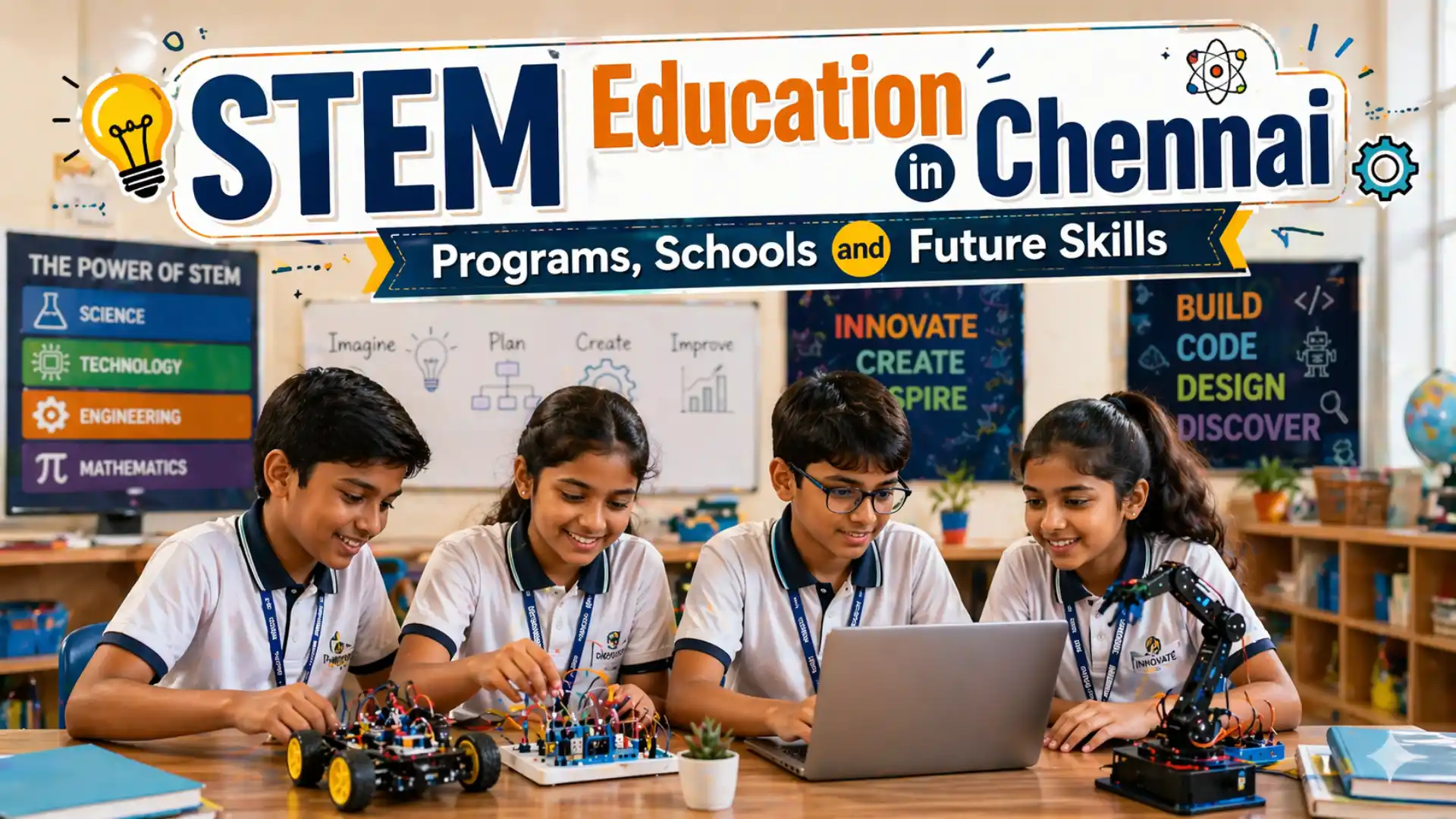
What is STEM Education in Chennai?
STEM education in Chennai is hands-on, integrating science, technology, engineering, and mathematics through real-world applications such as robotics, coding, and project-based learning. In Chennai, this approach is rapidly gaining adoption as schools shift toward curriculum-aligned STEM programs to meet NEP 2020 goals and prepare students for technology-driven careers. This transition is helping institutions move beyond theoretical learning toward practical, skill-based education that improves engagement and long-term outcomes.
Why Schools in Chennai Are Adopting STEM..
Schools in Chennai are adopting STEM education to improve student engagement, enhance academic outcomes, and strengthen their competitive position in admissions. As parents increasingly seek schools that offer practical, future-focused learning, institutions are integrating robotics, coding, and innovation-based programs into their curricula.
Key drivers of adoption:
-
Rising demand for future-ready skills
-
Parent preference for hands-on STEM activities
-
Need for improved classroom engagement
-
Alignment with NEP 2020
-
Stronger differentiation in Chennai’s school market
As a result, STEM is becoming a key factor in both schools' and parents' decisions when evaluating educational quality and long-term student success.
What the STEM Landscape in Chennai Looks Like
STEM education in Chennai is supported by a growing ecosystem of schools, private providers, and institutional initiatives. Many CBSE and international schools are investing in robotics labs, AI learning programs, and innovation labs to enhance classroom experiences.
Additionally, initiatives such as STEM workshops and programs at the American Centre Chennai, a public diplomacy initiative that supports STEM learning, innovation, and community education, are expanding access to hands-on learning opportunities. This reflects a clear shift toward experiential and curriculum-integrated STEM education across the city.
Types of STEM Programs Schools Can Implement
Schools in Chennai can adopt various STEM programs depending on their academic goals and infrastructure. These programs focus on practical learning and long-term curriculum integration.
Common STEM program options:
-
Robotics and automation labs
-
Coding and artificial intelligence programs
-
Engineering-based project learning
-
Classroom-integrated STEM activities
-
Teacher training and implementation support
Programs integrated into daily learning environments tend to deliver stronger, more consistent outcomes.
How STEM Education Impacts Schools
STEM education improves both student learning outcomes and institutional growth. Schools that implement STEM programs experience higher engagement, better academic performance, and stronger participation across classrooms.
From a strategic perspective, STEM enhances school branding and builds trust among parents seeking future-ready education. Schools offering advanced STEM learning opportunities are often perceived as innovative institutions, which can lead to improved admissions and long-term growth.
Key benefits for schools:
-
Higher student engagement and retention
-
Improved admissions positioning
-
Enhanced parent perception
-
Development of critical thinking and innovation skills
-
Alignment with global education standards
STEM vs Traditional Learning
STEM education differs from traditional learning by prioritising real-world application, exposure to technology, and industry-relevant skill development over memorisation and theory.
|
Aspect |
Traditional Learning |
STEM Education |
|
Learning Approach |
Theory-based |
Hands-on, project-based |
|
Student Engagement |
Moderate |
High |
|
Skill Development |
Memorization |
Problem-solving and innovation |
|
Technology Exposure |
Limited |
High (AI, robotics, coding) |
|
Career Readiness |
General |
Industry-focused |
Challenges Schools Face in Implementing STEM
The main challenges schools face in implementing STEM education include high setup costs, limited teacher training, and a lack of curriculum integration. Setting up robotics labs and acquiring advanced technology requires significant investment, which can be a barrier for many institutions.
Teacher readiness is another key concern, as educators need proper training to deliver experiential learning effectively. In many cases, STEM is treated as an add-on rather than embedded in the curriculum, reducing its long-term impact.
Without a well-planned implementation model and measurable outcomes, schools may struggle to benefit from STEM programs fully.
How Schools Can Choose the Right STEM Program
Schools should choose STEM programs that align with their academic goals and provide measurable outcomes. A well-planned approach ensures long-term success and scalability.
Key evaluation factors:
-
Alignment with STEM curriculum for schools
-
Hands-on and experiential learning approach
-
Teacher training and continuous support
-
Scalability across grades
-
Clear performance and engagement metrics
Choosing the right school STEM solution plays a critical role in successful implementation.
The Future of STEM Education in Chennai
STEM education in Chennai is evolving toward fully integrated learning ecosystems where robotics, AI, and engineering concepts are embedded into everyday teaching. Schools are moving from standalone initiatives to curriculum-driven models that support consistent learning outcomes.
This shift will help students develop practical skills alongside academic knowledge, preparing them for emerging careers in technology and innovation.
How MH Intellect Supports Schools
Schools often face challenges, including curriculum alignment issues, insufficient teacher training, and difficulty measuring outcomes when implementing STEM education. Without the right support, even well-equipped labs may not deliver meaningful results.
MH Intellect helps address these challenges by providing comprehensive STEM solutions, including curriculum integration, robotics labs, teacher training, and ongoing academic support. This enables schools to build scalable STEM ecosystems and achieve consistent learning outcomes over time. To explore how these solutions can work for your institution, visit our website
Conclusion
STEM education in Chennai is becoming a critical factor in how schools deliver modern, future-ready learning. It not only improves student engagement and academic performance but also strengthens a school’s positioning in a competitive education market.
By adopting integrated STEM programs and focusing on practical learning, schools can prepare students for real-world challenges while enhancing institutional growth. As demand for experiential education continues to rise, early adoption of STEM will provide a lasting advantage.
Take the Next Step
If your school is planning to implement or upgrade STEM education in Chennai, the next step is to book a STEM implementation consultation. Visit our website or contact our team directly to assess your current setup, identify gaps, and build a clear roadmap for successful STEM integration.

Categorias
Leia Mais
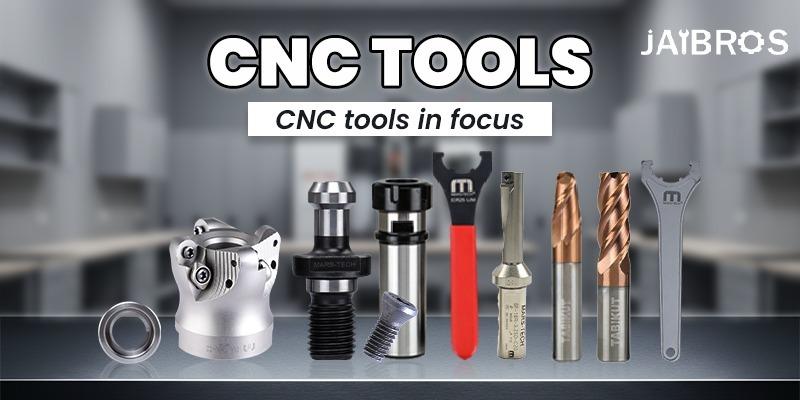
Discover what a CNC tool is, its types, uses, and benefits. This beginner guide explains CNC machining, tool holders, and cutting tools clearly. What Is a CNC Tool? Complete Beginner’s Guide Before explaining the concept of the modern manufacturing process, it is essential to explain CNC technology and CNC tools. The CNC tool is any machine tool that will cut or shape the materials of the...
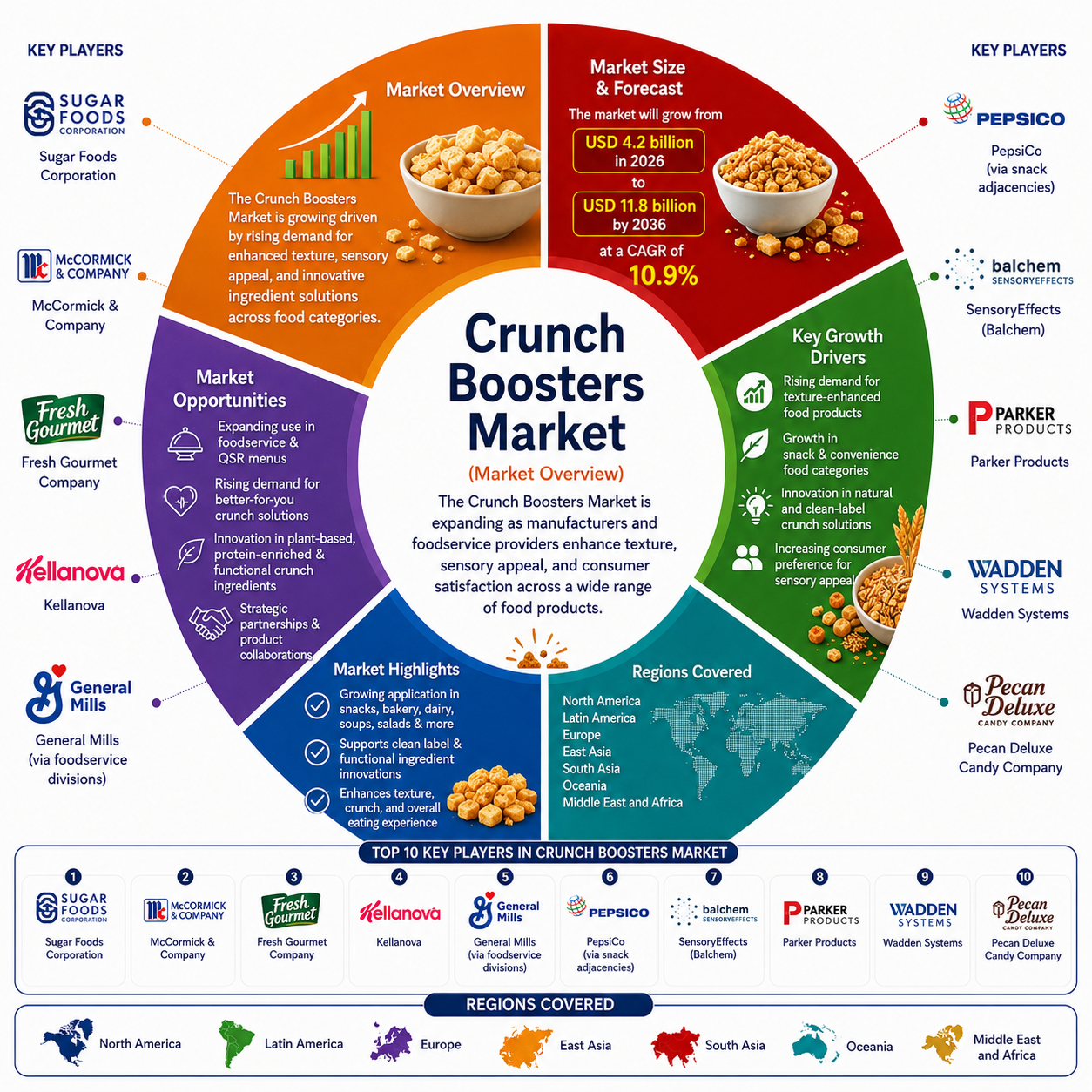
NEWARK, Del., USA | May 15, 2026 — According to Future Market Insights (FMI), the global crunch boosters market is witnessing rapid growth, supported by increasing demand for multisensory food experiences, rising adoption of shelf-stable texture-enhancing toppings, and expanding integration across foodservice, salad kits, and ready-meal applications. The market is also...
The digital audio integrated circuit industry is witnessing remarkable expansion as consumer demand for immersive sound experiences continues to rise across smartphones, automotive infotainment systems, smart speakers, gaming devices, and home entertainment platforms. Increasing adoption of connected devices and advancements in semiconductor technologies are encouraging manufacturers to develop...

Hearing is one of the most vital senses, allowing us to connect, communicate, and experience the world. However, modern lifestyles, environmental factors, and age-related changes can compromise hearing clarity and ear health. EchoXen is a natural supplement formulated to support auditory function, reduce ringing (tinnitus), and maintain long-term hearing wellness. In this...

"Executive Summary Procurement as a Service Market Market Size and Share: Global Industry Snapshot CAGR Value The global procurement as a service market size was valued at USD 9.46 billion in 2024 and is expected to reach USD 16.49 billion by 2032, at a CAGR of 7.20% during the forecast period Each of the topics covered in the Procurement as a Service...