


Blast Protection Sleeves Improve Safety
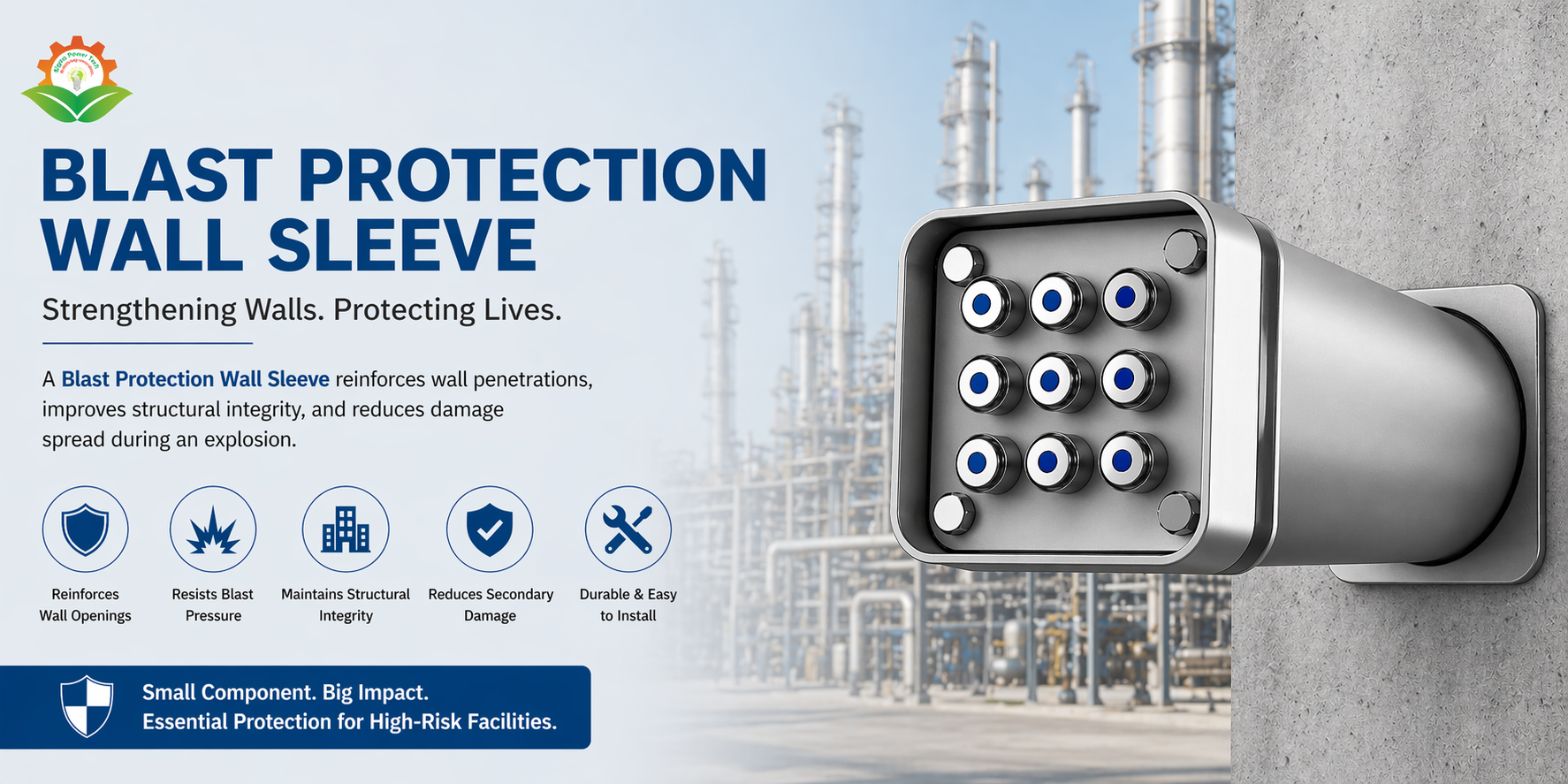
In a chemical plant, refinery, or power facility, a single wall penetration can become a weak point during an accident. A cable tray, duct, or pipe passing through that opening may seem routine, but in a blast event it can help determine how far the damage spreads. That is why a Blast Protection Wall Sleeve is no longer treated as a minor fitting in high-risk projects.
An explosion protection sleeve is designed to reinforce wall openings and support the structure around them. It helps the wall perform better under sudden pressure and reduces the chance of failure at the penetration point. In critical facilities, this small component can play a major role in limiting secondary damage.
What the sleeve does
A Blast Protection Sleeve protects wall penetrations where services pass through blast-rated barriers. Its purpose is to strengthen the opening, preserve structural continuity, and reduce the risk of localized failure. In simple terms, it makes the vulnerable part of the wall more resilient.
Depending on the application, it may also be referred to as an Explosion Protection Sleeve, Blast Resistant Sleeve, or Blast Guard Sleeve. The name can change, but the objective stays the same: improve the performance of the wall where utility lines pass through it.
How it works under pressure
During an explosion, pressure rises suddenly and strikes the wall in a fraction of a second. If the penetration zone is weak, the wall can deform, crack, or transfer the blast effect into nearby areas. A well-designed Protective Blast Sleeve helps manage that risk by supporting the opening and reducing movement around it.
The sleeve does not stop the event itself. Instead, it helps reduce secondary damage by improving how the wall responds. That may include better structural support, tighter sealing, and less displacement at the penetration point.
In industrial safety, controlling damage spread is just as important as resisting the initial blast. A Blast Shield Sleeve helps contain the effect more effectively, especially near occupied areas, control rooms, and critical equipment zones.
Key performance features
Strength is the first thing engineers look for. A sleeve must support the opening without becoming a weak point in the wall system. Durability is equally important because industrial environments often involve heat, vibration, moisture, and corrosion.
Pressure resistance is another key factor. A sleeve may look robust, but it must also perform under real blast conditions, not just normal operating loads. Sealing performance matters too, because poor sealing can allow movement or damage propagation around the opening.
A Sigma Power Tech Blast Sleeve is often considered in this context because buyers want a solution that fits into a wider safety design. The best products are engineered for both performance and practical installation.
Where they are used
Blast protection wall sleeves are commonly used in oil and gas plants, chemical units, refineries, power stations, defense facilities, and other high-risk industrial environments. They are also found in utility corridors, technical rooms, and service walls where critical lines pass through protective barriers.
These areas are often overlooked until a safety review shows them as vulnerable points. In many projects, the sleeve becomes part of the passive protection strategy that helps preserve wall integrity and reduce exposure to blast effects.
What affects price
The blast protection wall sleeve price depends on several factors. Material choice is one of the biggest. Heavy-duty steel, corrosion-resistant finishes, and specialized fabrication usually cost more than standard options.
Size and wall thickness also affect price. A larger penetration or a higher pressure rating typically needs more material and more precise engineering. If the sleeve requires custom dimensions, special sealing details, or project-specific integration, the cost goes up.
Testing, documentation, and quality requirements also influence pricing. Buyers often compare only the initial quote, but that can be misleading. A lower price may mean weaker performance, reduced durability, or more installation risk later.
Choosing the right manufacturer
If you are comparing blast proof wall sleeve manufacturers in India, focus on engineering capability, not just branding. The right manufacturer should understand blast-rated wall systems, site conditions, and the relationship between the sleeve and surrounding structure.
Ask whether the supplier can explain material selection, load assumptions, sealing method, and installation details clearly. Good manufacturers will also discuss how the sleeve fits into the larger safety design. If the answer is vague, the product may not suit a critical application.
A practical way to evaluate options is to review blast protection wall sleeve solutions and compare how the product is positioned for industrial use. That helps buyers assess the solution against real project needs.
Common mistakes to avoid
One common mistake is treating the sleeve as a simple accessory. It is part of the wall system, so it must be selected with the full application in mind. Another mistake is choosing the cheapest option without checking the pressure rating or material quality.
Installation errors are also common. Even a strong Blast Resistant Sleeve can underperform if it is fitted poorly or if the wall interface is not properly coordinated. Maintenance is another overlooked area, especially in sites with vibration, moisture, or chemical exposure.
Some teams also forget to match the product to the actual risk level. A sleeve meant for a light-duty service opening will not be enough in a facility with high blast exposure. The product should always match the hazard, not just the opening size.
Why it matters
High-risk facilities depend on details. A wall penetration may seem small compared with the rest of the building, but it can become one of the most important failure points during an emergency. That is why a Blast Protection Sleeve is more than a technical item. It is a practical measure that helps reduce damage where walls are most vulnerable.
The real value lies in controlling how damage spreads. When the penetration zone is better protected, the facility has a stronger chance of limiting the impact to one area instead of letting it affect the wider structure.
Categorie
Leggi tutto
In today’s fast-evolving medical landscape, patients seek more than treatment—they seek trust, innovation, and a truly personalized experience. Royal Clinic Riyadh stands as a symbol of modern healthcare excellence, blending advanced medical technologies with patient-centered care. Designed to meet the highest international standards, the clinic represents a new era where...

Introduction Chrome Hearts is one of the world's most recognizable luxury lifestyle brands, celebrated for its handcrafted jewelry, premium apparel, leather goods, eyewear, and accessories. Since its founding in 1988, the brand has blended rock-inspired aesthetics with exceptional craftsmanship, creating timeless products that appeal to fashion enthusiasts, celebrities, and collectors alike....

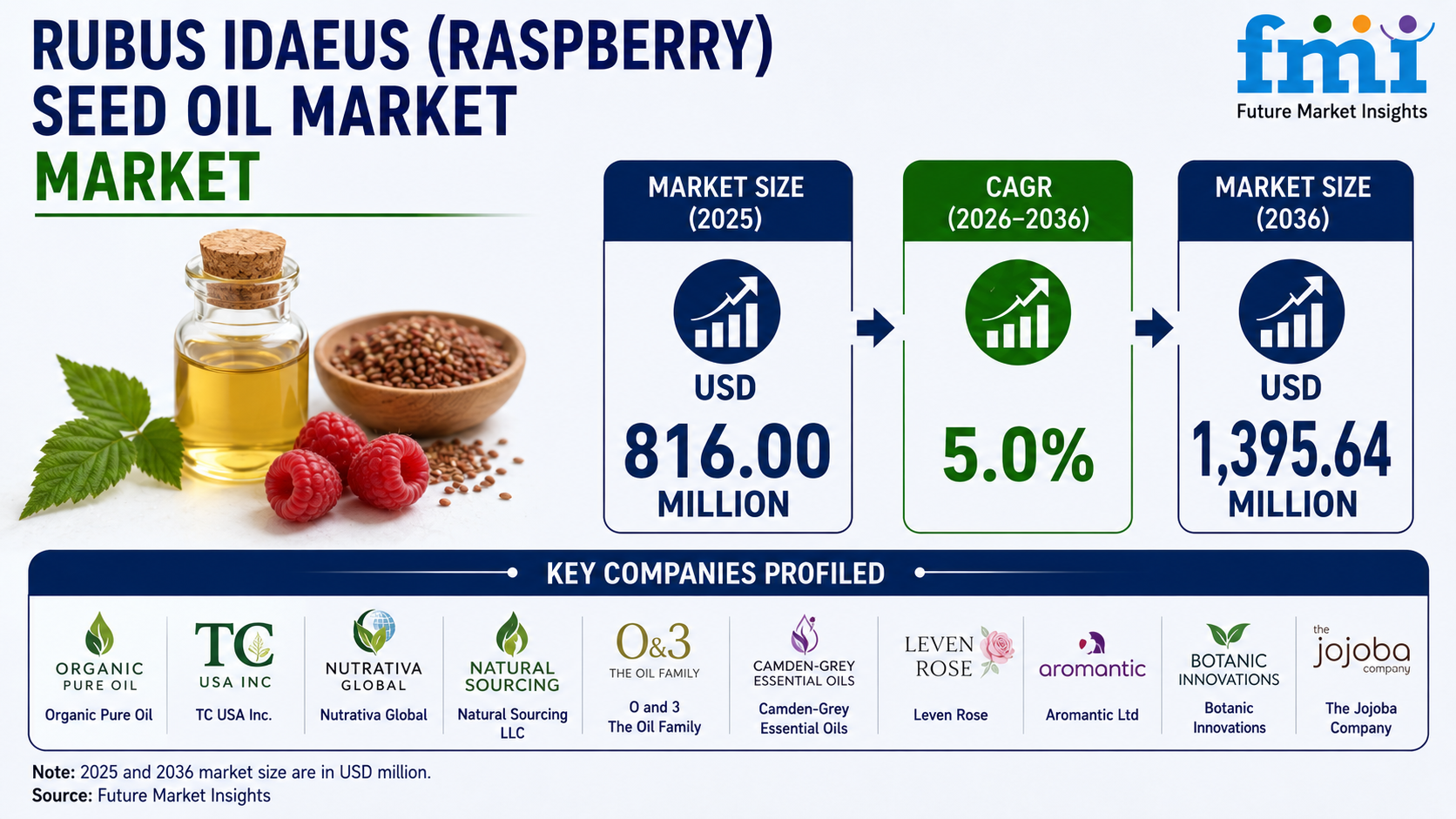
NEWARK, Del., USA | May 18, 2026 — According to the latest market analysis by Future Market Insights (FMI), the global Rubus Idaeus (Raspberry) Seed Oil Market is experiencing steady growth, supported by increasing consumer preference for natural and organic botanical oils across skincare, pharmaceutical, nutraceutical, and wellness applications. The market is also benefiting from rising...
Dalam era digital yang terus berkembang, berbagai jenis hiburan berbasis online semakin mudah diakses oleh masyarakat. Salah satu yang cukup populer adalah togel online, termasuk variasi seperti toto togel 4D, toto togel, dan layanan dari bandar togel online. Banyak pengguna tertarik karena sistemnya yang sederhana, fleksibel, serta dapat diakses kapan saja melalui...

Planning a trip to Chamonix is an exciting experience. Nestled in the heart of the French Alps, Chamonix is one of Europe's most famous mountain destinations. Known for its breathtaking scenery, world-class skiing, hiking trails, and year-round outdoor activities, it attracts millions of visitors from around the world. However, one of the most important parts of any mountain holiday is...