How AI is Transforming eCommerce App Development

A few years ago, most shopping apps worked in a simple way. You searched for a product, added it to the cart, and placed an order. Today, things feel very different. Apps now suggest products, understand your choices, and even predict what you may want next. This shift is mainly because of AI, which is now a key part of ecommerce app development.
As competition grows, businesses are using AI to improve user experience and increase sales. This is why modern ecommerce mobile app development focuses not just on design, but also on intelligence and personalization. Let’s understand how this transformation is happening in a simple and practical way.
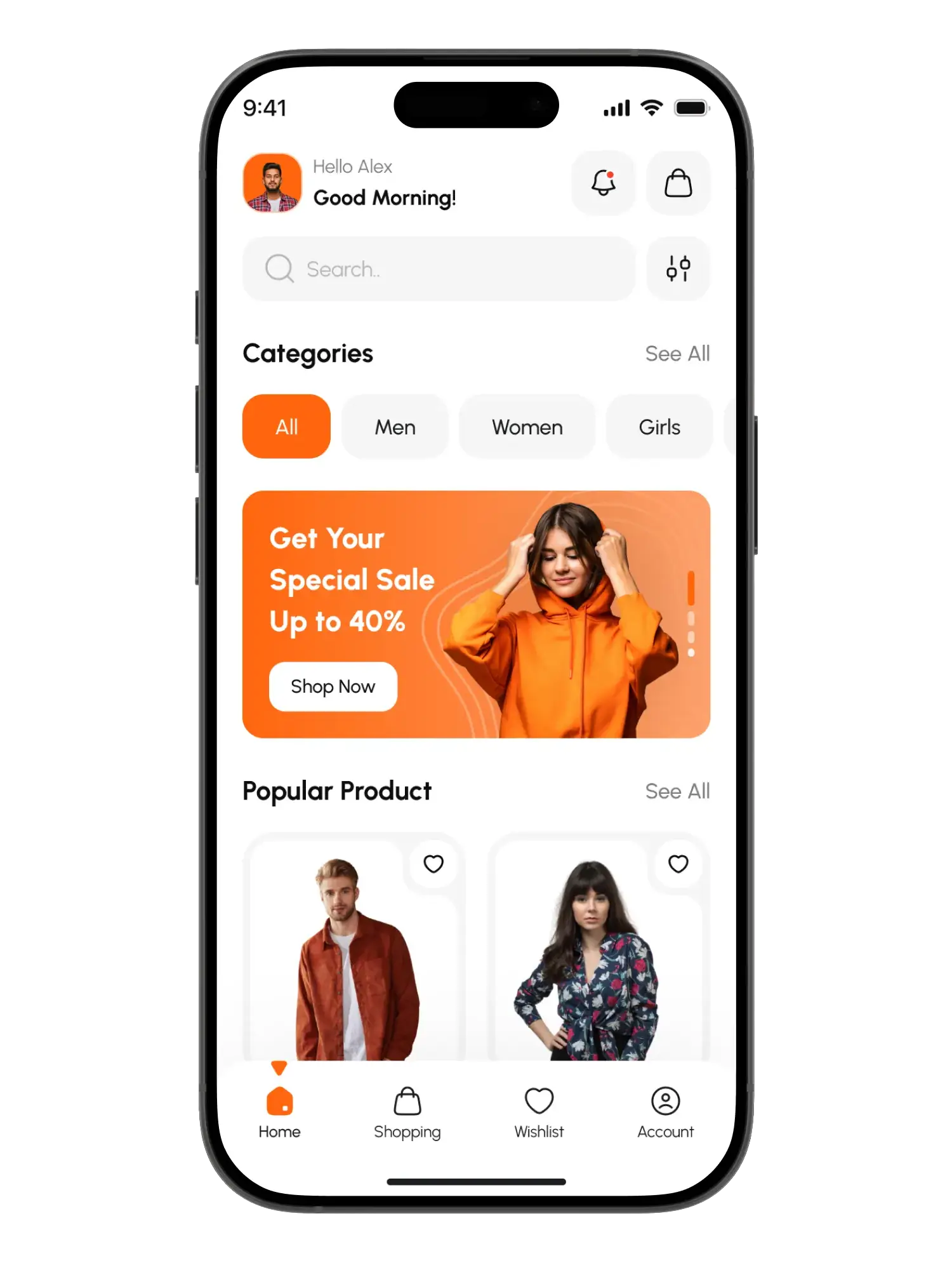
Why is AI Becoming Important in Ecommerce Apps?
AI is becoming important because user expectations have changed. People no longer want a basic app. They expect fast results, relevant suggestions, and smooth navigation.
AI helps apps understand user behavior, such as what users search for, what they click, and what they buy. Based on this data, the app can improve its performance and offer better results.
In simple terms, AI makes the app smarter, which helps businesses connect better with their customers and improve overall engagement.
How Does AI Improve the Shopping Experience for Users?
The biggest impact of AI can be seen in how users interact with ecommerce apps. It makes the experience more personal and easy to use.
For example, when you open a shopping app and see products that match your interest, that is AI working in the background. It studies your past behavior and shows relevant items.
This leads to a more personalized ecommerce experience, where users feel that the app understands their needs. As a result, users spend more time on the app and are more likely to make a purchase.
What Are the Key Ways AI is Used in Ecommerce App Development?
AI is used in different ways to improve both user experience and business performance.
- Product Recommendations
AIanalyzes user behavior and suggests products that match their interests. This increases the chances of purchase and improves customer satisfaction. - Chatbots and Customer Support
AI-powered chatbots can answer customer queries instantly. This reduces response time and improves user experience without increasing support costs.
III. Search Optimization
AI improves search results by understanding user intent. Even if the user types incomplete or unclear queries, the app can still show relevant results.
- Fraud Detection
AI can detect unusual activities and prevent fraud. This helps in protecting both the business and the users.
How Does AI Help in Ecommerce Performance Optimization?
Performance is a key factor in the success of any ecommerce app. Slow apps or poor navigation can lead to lost sales.
AI helps in ecommerce performance optimization by analyzing user data and identifying areas that need improvement. It can detect slow loading pages, track user behavior, and suggest changes.
According to recent industry data, businesses using AI in ecommerce apps have seen up to a 30 percent increase in conversion rates and nearly 20 percent improvement in customer retention. This shows how AI directly impacts business growth.
What Technologies Support AI in Ecommerce App Development?
AI works with several technologies that help in building smart and efficient apps.
|
Technology |
Role in Ecommerce |
|
Machine Learning |
Helps apps learn from user data and improve over time |
|
Natural Language Processing |
Enables chatbots and voice search features |
|
Data Analytics |
Provides insights into user behavior and trends |
|
Cloud Computing |
Supports storage and processing of large data |
These technologies are widely used by any ecommerce app development company to build advanced and scalable applications.
What Challenges Do Businesses Face While Using AI in Ecommerce Apps?
While AI offers many benefits, it also comes with certain challenges that businesses need to manage carefully.
- High Implementation Cost
AIrequires advanced tools and skilled developers. This increases the initial cost of development, especially for small businesses. - Data Privacy Concerns
AI depends on user data to function effectively. Businesses must ensure that data is handled securely tomaintain user trust. - Complexity in Integration
Integrating AI into existing systems can be complex. It requires proper planning and technicalexpertise. - Continuous Updates
AI models need regular updates to stay effective. Without proper maintenance, their performance may decline over time.
How Can Businesses Start Using AI in Ecommerce App Development?
Adopting AI does not always mean building everything from scratch. Businesses can start small and expand gradually.
- IdentifyKey Areas
Start by understanding where AI can add value, such as recommendations or customer support. This helps in focusing efforts on the most important areas. - Choose the Right Tools
Selecting the right tools and platforms ensures smooth implementation and better results. - Work with Experts
Partnering with experienced developers or using ecommerce development services can simplify the process and reduce risks. - Test and Improve Continuously
AI systems improve over time. Regular testing and updates help in achieving better performance.
What is the Future of AI in Ecommerce App Development?
The future of AI in ecommerce looks very promising. As technology continues to evolve, apps will become even more intelligent and user-friendly.
Features like voice shopping, visual search, and predictive analytics will become more common. Businesses that adopt AI early will have a strong advantage in the market.
At the same time, AI will continue to improve efficiency, reduce costs, and enhance user experience, making it a key part of modern ecommerce strategies.
AI is no longer an optional feature in ecommerce apps. It is becoming a core part of how apps are built and used. By understanding its role and benefits, businesses can create apps that are not only functional but also smart and engaging.
Related Article:
Enhancing Ecommerce Apps with AR Product Visualization
Augmented Reality in Retail & Ecommerce: From Concept to Conversion
Catégories
Lire la suite
Medical Weight Loss Mulund West Are you struggling to lose weight despite trying multiple diets and exercise programs? At Dr. Anil Daxini Medical Weight Loss Centre, we provide personalized and scientifically designed medical weight loss Mulund West programs that focus on achieving sustainable results while improving overall health. Our medically supervised approach helps patients safely reduce...

In the modern world of online entertainment, SLOT GACOR has become one of the most talked-about keywords among gaming enthusiasts. It represents a growing interest in online slot gaming platforms that promise excitement, engagement, and dynamic gameplay experiences. Many players search for reliable information and strategies related to SLOT GACOR because of its popularity in digital gaming...

Du88 is widely recognized as the ultimate bookmaker and a premier online platform for true betting enthusiasts. Every day, thousands of professional bettors choose DU88 as their preferred destination for online entertainment. With a rich ecosystem of games and betting options, the platform delivers a high-quality, safe, and engaging experience. From beginners to seasoned players, DU88 is...
Executive Summary Dunnage Packaging Market : Global Dunnage Packaging Market was valued at USD 3.24 billion in 2021 and is expected to reach USD 5.15 billion by 2029, registering a CAGR of 5.60% during the forecast period of 2022-2029 Comprehensive data and brilliant forecasting techniques used in Dunnage Packaging Market report coincide with precision and correctness. Furthermore, it...
Grant agrees, adding that the doom and gloom discourse does match up with what actually takes place on the ground at NYFW. It's ambitious, but he seems energized. Penn is introduced as the messy but somewhat endearing of Tender, a company that is integral to the storyline. When providers say great news, this AI agent will just go do all your shopping for you. They each had their own language in...