


Improve System Efficiency with GE Nozzle Control Cards
Introduction
In modern turbine systems, efficiency, precision, and reliability are essential for optimal performance. Power generation and industrial turbines operate under demanding conditions, where even small inefficiencies can lead to increased fuel consumption and operational costs. To address these challenges, advanced control components are used to regulate critical processes. Among them, GE nozzle control cards play a key role in managing fuel flow and ensuring stable combustion, ultimately improving overall system efficiency.
What Are Nozzle Control Cards?
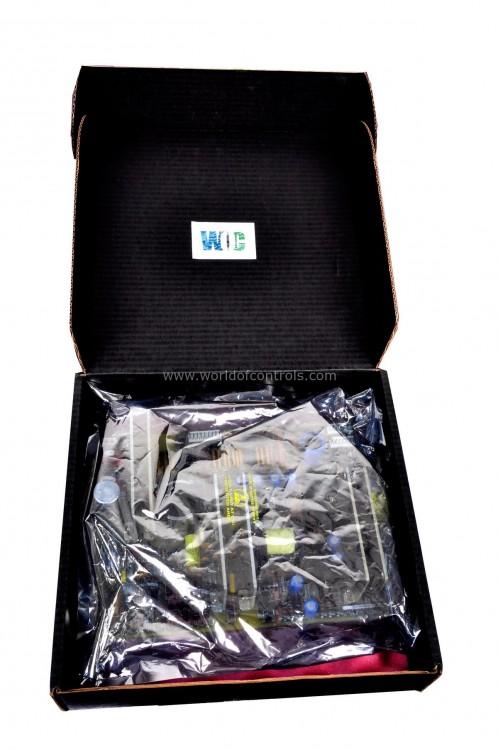
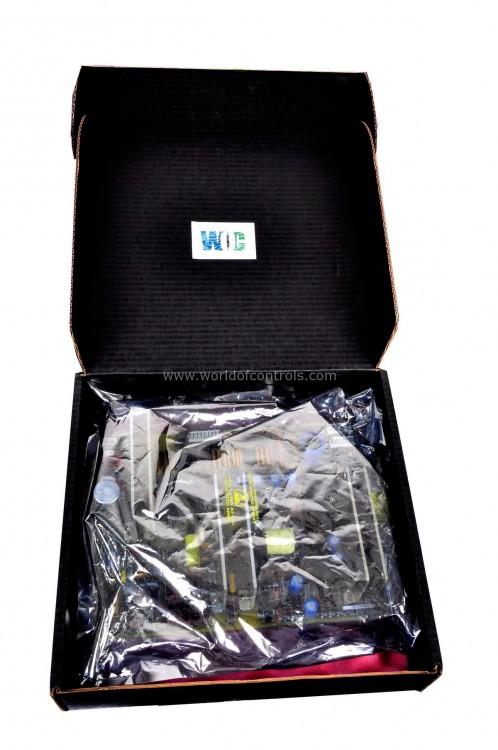
Nozzle control cards are electronic modules designed to control the operation of fuel nozzles within a turbine system. They act as an interface between the turbine’s main control system and the mechanical components responsible for fuel delivery.
These cards process electrical signals and convert them into precise control actions, adjusting the position and behavior of fuel nozzles. This ensures that the correct amount of fuel is delivered based on operating conditions such as load demand, temperature, and pressure. By maintaining accurate fuel-to-air ratios, nozzle control cards help optimize combustion and reduce energy losses.
Role in Turbine Systems
In gas and steam turbine operations, maintaining consistent and controlled combustion is critical. Nozzle control cards are responsible for regulating fuel distribution across the combustion system, ensuring uniform performance.
They support various stages of turbine operation, including startup, load changes, and shutdown. During these transitions, the demand for fuel can vary significantly, and precise adjustments are required to avoid instability. Nozzle control cards ensure smooth transitions by continuously monitoring and adjusting fuel flow.
Additionally, these components are designed to withstand harsh industrial environments, including high temperatures, vibrations, and electrical interference. Their reliability is crucial for maintaining uninterrupted turbine operation and avoiding costly downtime.
How Nozzle Control Cards Improve Efficiency
Optimized Fuel Delivery
Accurate fuel control is one of the most important factors in turbine efficiency. Nozzle control cards ensure that fuel is delivered in the right quantity and at the right time, minimizing waste and maximizing energy output.
Enhanced Combustion Stability
Stable combustion reduces the risk of fluctuations that can negatively impact performance. By maintaining consistent fuel flow, nozzle control cards help prevent issues such as flame instability and uneven heating.
Lower Emissions
Efficient combustion leads to reduced emissions of harmful gases. This not only improves environmental performance but also helps organizations comply with regulatory standards.
Faster System Response
Turbine systems often operate under changing load conditions. Nozzle control cards enable rapid adjustments, allowing the system to respond quickly without sacrificing efficiency or safety.
Maintenance and Reliability Considerations
To maintain optimal performance, regular inspection and maintenance of nozzle control cards are essential. Over time, components may experience wear or degradation, which can affect signal accuracy and system responsiveness.
Routine checks can help identify potential issues early, reducing the risk of unexpected failures. In some cases, refurbishing or upgrading control cards can significantly enhance system performance and extend the lifespan of the turbine.
Ensuring proper installation and compatibility with the existing control system is also important for achieving reliable operation.
Conclusion
GE nozzle control cards are vital components in modern turbine systems, enabling precise fuel control and stable combustion. Their ability to optimize fuel delivery, enhance responsiveness, and reduce emissions makes them essential for improving system efficiency. By investing in proper maintenance and understanding their role within the turbine control system, operators can achieve better performance, lower operating costs, and increased reliability over time.
Categories
Read More
The latest business intelligence report released by Polaris Market Research on On-Device AI Market Size, Share, & Industry Analysis Report: By Component (Hardware and Software), By Deployment, By Technology, By Device Type, By Vertical, and By Region – Market Forecast, 2025–2034. It covers the in-depth knowledge of the On-Device AI Market Share that includes...

Living with neuropathy can feel like navigating a world where your own body sends confusing and painful signals. The tingling, burning, numbness, or sharp, shooting pains in your hands and feet can make simple actions feel like complex tasks. This condition, resulting from damage to the peripheral nerves, can significantly impact your balance, mobility, and overall quality of life. Many people...

Surgical Microscopes Market — Growth Outlook, Trends, Segments & Key Players The Surgical Microscopes Market continues to experience rapid expansion as healthcare providers adopt advanced visualization tools to improve surgical accuracy, reduce complications, and enhance patient outcomes. According to recent projections, the market is expected to grow from USD 1.3...
The landscape of intravenous therapy has been transformed by the remarkable advances in needleless IV connectors, with these essential devices emerging as critical tools for improving patient safety and reducing healthcare-associated infections. Needleless IV connectors are specialized devices designed to provide a secure, closed access point for intravenous therapy without the use of...
Benefits of Using Certification Exam Preparation Material Certification exams help people grow in their careers. They help you get better jobs. They also help you earn more money. Many students want to pass the ASD01 exam on the first attempt. This exam is offered by Blue Prism. However, exam preparation can feel difficult. There are many books to read and many topics to cover. This is why...
