


Why a Blood Test Is Essential for Your Health Checkup?
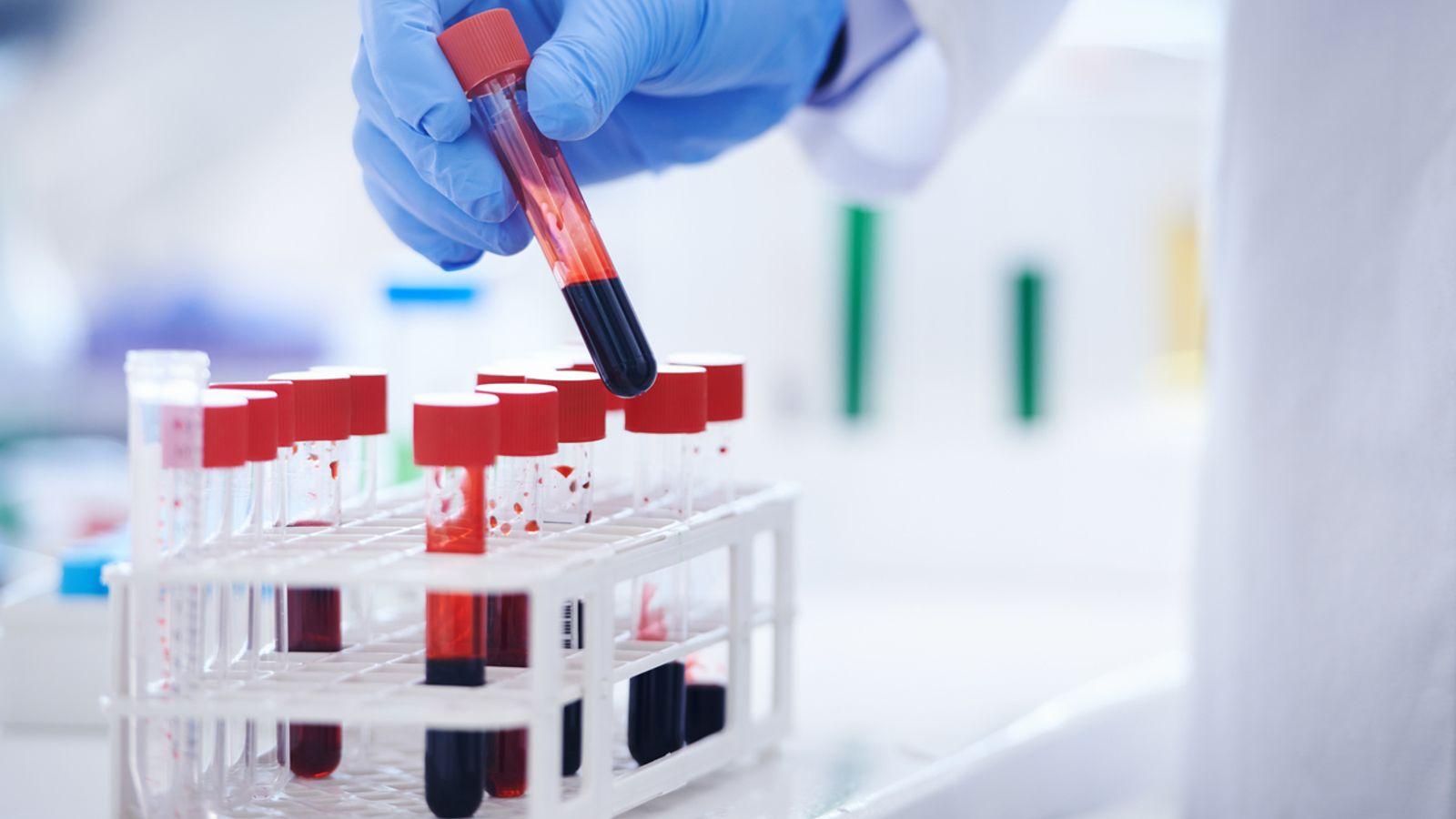
Blood tests are one of the most common yet powerful tools in modern medicine. Whether you’re going for a routine health screening or investigating specific symptoms, understanding how Blood test in Dubai work can help you feel more confident and informed. This comprehensive guide explores the types of blood tests, their benefits, and what you can expect before, during, and after the procedure.
A Simple Test with Powerful Insights:
A blood test is more than just a laboratory procedure—it’s a window into your overall health. By analyzing a small sample of your blood, healthcare providers can evaluate how your organs are functioning, detect diseases early, and monitor ongoing medical conditions.
From identifying infections to checking cholesterol levels and blood sugar, blood tests provide essential data that helps doctors make accurate diagnoses and treatment plans. They are often the first step in preventive healthcare, allowing you to take action before minor issues become serious problems.
Understanding the Most Common Types of Blood Tests:
Different blood tests serve different purposes, and your doctor may recommend one or more depending on your health needs.
Complete Blood Count (CBC) for Overall Health:
A complete blood count measures various components of your blood, including red blood cells, white blood cells, and platelets. This test is widely used to detect anemia, infections, and immune system disorders. It also provides insight into your body’s ability to fight illness.
Basic Metabolic Panel for Organ Function:
This test evaluates key substances such as glucose, calcium, and electrolytes. It helps assess kidney function, liver health, and fluid balance. A metabolic panel is often part of routine health checkups and can reveal hidden health issues.
Lipid Profile for Heart Health:
A lipid panel measures cholesterol levels, including LDL, HDL, and triglycerides. High cholesterol is a major risk factor for heart disease, making this test essential for cardiovascular health monitoring.
Thyroid Function Tests for Hormonal Balance:
These tests measure hormones like TSH, T3, and T4 to determine how well your thyroid gland is functioning. Thyroid imbalances can affect metabolism, energy levels, and weight.
Blood Glucose Tests for Diabetes Screening:
Blood glucose tests are used to diagnose and monitor diabetes. Fasting blood sugar tests and HbA1c tests are commonly used to track long-term blood sugar control.
Specialized Blood Tests for Specific Conditions:
In some cases, doctors may order specialized tests to check for vitamin deficiencies, autoimmune disorders, or infections. These tests provide deeper insights into specific health concerns.
Why Blood Tests Are Essential for Preventive Healthcare?
Preventive healthcare focuses on identifying risks before they develop into serious conditions, and blood tests play a central role in this approach.
Regular blood work can help detect high cholesterol, elevated blood sugar, and nutrient deficiencies early. This allows individuals to make lifestyle changes such as improving diet, increasing physical activity, and managing stress.
For people with chronic conditions like diabetes or high blood pressure, routine blood tests are crucial for monitoring progress and adjusting treatment plans. Early detection and continuous monitoring can significantly improve long-term health outcomes.
Preparing for a Blood Test: Practical Tips for Accurate Results
Proper preparation ensures that your blood test results are accurate and reliable.
Follow Fasting Instructions Carefully:
Some blood tests, especially those measuring glucose and cholesterol, require fasting for 8 to 12 hours. During this period, you should avoid food and drinks except water.
Stay Hydrated Before the Test:
Drinking water helps make veins more visible and can make the blood draw process smoother. Hydration also reduces the chances of dizziness.
Inform Your Doctor About Medications:
Certain medications, supplements, and even herbal remedies can affect test results. Always inform your healthcare provider about anything you are taking.
Get Enough Rest
Lack of sleep can influence certain blood markers, including hormone levels and blood pressure. Aim for a good night’s sleep before your test.
What Happens During the Blood Test Procedure?
If you’re feeling nervous, knowing what to expect can help ease your concerns.
The procedure typically begins with a healthcare professional cleaning the area where the blood will be drawn, usually the inside of your elbow. A tourniquet is placed around your upper arm to make the veins more visible.
A sterile needle is then inserted into the vein to collect a small sample of blood. You may feel a quick pinch, but the process is usually brief and minimally uncomfortable. Once the sample is collected, the needle is removed, and a bandage is applied.
After the Test: Recovery and Next Steps
Most people can return to their normal activities immediately after a blood test. However, it’s important to take a few precautions.
You may experience slight bruising or tenderness at the puncture site. Applying gentle pressure and keeping the area clean can help prevent irritation. If you feel lightheaded, sit down and drink water until you feel better.
If you had to fast before the test, a balanced meal afterward to restore your energy levels.
Decoding Your Blood Test Results:
Understanding your blood test results can feel overwhelming, especially with medical terms and numerical values.
Reference Ranges and What They Mean:
Each test result is compared to a reference range, which indicates what is considered normal. These ranges can vary depending on factors like age, gender, and laboratory standards.
Interpreting Abnormal Results:
Abnormal results do not always indicate a serious problem. Temporary factors such as stress, diet, or illness can influence your results. Your doctor will interpret the findings in the context of your overall health.
Importance of Follow-Up Consultation:
Always discuss your results with your healthcare provider. They can explain what the numbers mean and recommend further tests or treatments if necessary.
Benefits of Regular Blood Testing:
Regular blood testing offers numerous advantages for maintaining good health.
It helps detect diseases early, monitor chronic conditions, and evaluate the effectiveness of treatments. Blood tests also provide valuable insights into your nutritional status, including vitamin and mineral levels.
For individuals aiming to improve their lifestyle, blood tests can serve as a baseline to track progress over time. Whether you’re managing weight, improving diet, or increasing physical activity, these tests provide measurable results.
Common Concerns and How to Overcome Them:
Many people feel anxious about blood tests, especially if they have a fear of needles. However, there are simple ways to make the experience more comfortable.
Try to relax and take deep breaths during the procedure. Looking away from the needle can help reduce anxiety. If you have a history of fainting, inform the technician so they can take extra precautions.
Remember that the discomfort is temporary, but the health insights you gain are long-lasting.
When Should You Consider Getting a Blood Test?
Blood tests are not only for diagnosing illnesses—they are also essential for routine health maintenance.
You should consider getting a blood test during annual checkups, when experiencing symptoms like fatigue or unexplained weight changes, or when managing chronic conditions.
Doctors may also recommend blood tests before surgeries or as part of preventive screenings based on your age and risk factors.
Final Perspective: Empowering Your Health Decisions
A Blood testing services in Dubai is a simple yet powerful step toward understanding your body. By learning about the different types of blood tests, their benefits, and what to expect, you can approach the process with confidence.
Instead of viewing blood tests as a medical requirement, consider them an opportunity to take control of your health. With accurate information and regular monitoring, you can make informed decisions that support your long-term well-being.
الأقسام
إقرأ المزيد
The software industry continues to grow at an incredible pace, and with it comes a greater demand for skilled software testers who can ensure the quality, reliability, and security of applications. In 2025, the Best Software Testing Course in Kerala is evolving to include the latest tools and technologies that meet modern industry standards. These updated courses are designed to help...

When it comes to finding reliable healthcare solutions online, every moment matters. Delaying treatment can allow health concerns to persist longer than necessary, making timely access to quality medications an important part of staying healthy. That's why Meds4go is committed to providing a convenient, dependable shopping experience for customers seeking trusted pharmaceutical...

"Electronic Paper (E-Paper) Display Market Summary: According to the latest report published by Data Bridge Market Research, the Electronic Paper (E-Paper) Display Market CAGR Value Global electronic paper (E-Paper) display market size was valued at USD 5.30 billion in 2024 and is projected to reach USD 44.30 billion by 2032, with a CAGR of 30.40% during the forecast period of 2025 to...

App PC Hitclub - Trải Nghiệm Nhà Cái Đỉnh Cao Từ Máy TínhNhu cầu giải trí và cá cược trực tuyến đang ngày càng tăng cao, và Hitclub đã trở thành một trong những cái tên nổi bật trong lĩnh vực này. Với ứng dụng PC Hitclub, người dùng không chỉ có cơ hội tham gia vào...
XX88 is becoming a popular choice for players who enjoy exciting online entertainment in one place. As part of the KJC alliance, the platform offers a smooth and enjoyable gaming experience with a large collection of interactive games and rewarding features. Many users appreciate the platform because it combines modern technology, user-friendly design, fast access, and engaging...