Fluent Bit for Kubernetes Logging: A Comprehensive Guide
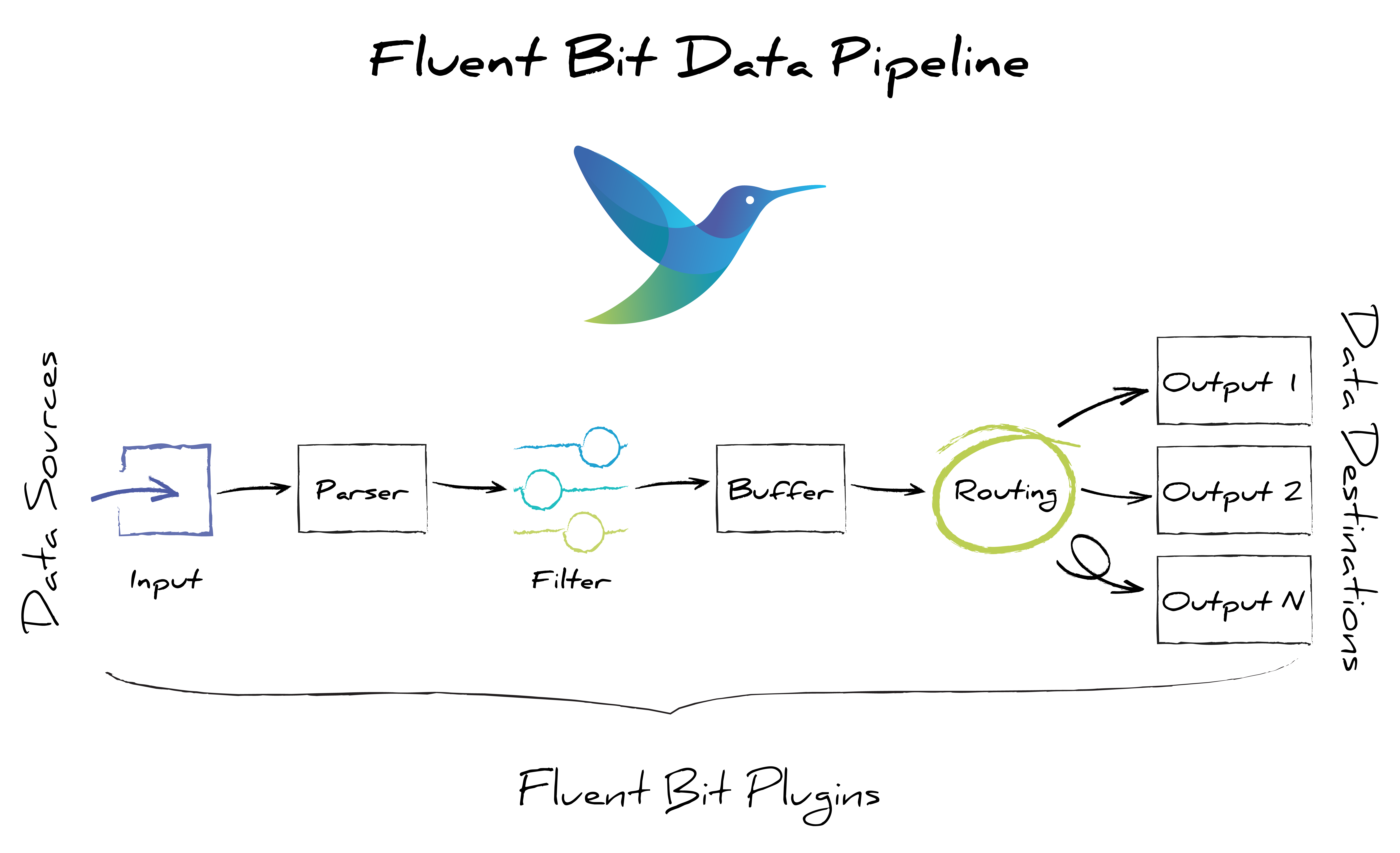
In the rapidly evolving landscape of cloud-native computing, logging remains a fundamental pillar of observability. As organizations transition from monolithic architectures to microservices, the complexity of managing logs across hundreds of containers increases exponentially. Fluent Bit has emerged as the preferred solution for Kubernetes logging due to its high performance, low resource consumption, and deep integration with the CNCF ecosystem.
The Challenge of Logging in Kubernetes
Kubernetes presents unique challenges for log collection. Containers are ephemeral, meaning they can be created and destroyed at any time. When a container is terminated, its local logs are lost unless they are captured and moved to a persistent storage backend. Furthermore, logs are generated in various formats and distributed across multiple nodes, making manual aggregation impossible.
Using Fluent Bit as a logging agent addresses these issues by providing a unified layer for log collection, processing, and routing.
Why Choose Fluent Bit?
When evaluating logging agents, developers often weigh FluentBit vs Fluentd. While both are powerful, Fluent Bit is written in C and designed specifically for high-performance environments. It typically consumes a fraction of the memory required by other agents, making it ideal for the resource-constrained nodes typical in Kubernetes clusters.
Key Features for Kubernetes
-
Lightweight Footprint: Typically uses less than 10MB of RAM.
-
Kubernetes Filter: Automatically enriches logs with metadata like Pod name, Namespace, and Container ID.
-
Extensible Plugin System: Supports a wide range of Fluent Bit plugin options for inputs, filters, and outputs.
-
Reliability: Built-in buffering mechanisms to handle network interruptions or downstream spikes.
Setting Up Fluent Bit on Kubernetes
Integrating Fluent Bit into your cluster is typically done using a DaemonSet. This ensures that a Fluent Bit pod runs on every node, capturing logs from the host's file system where Kubernetes stores container output.
To ensure your deployment is robust, it is vital to follow Fluent Bit operations and best practices. This involves setting proper resource limits, configuring log rotation, and ensuring that the Mem_Buf_Limit is set to prevent memory exhaustion during "log storms."
Step 1: IAM and Permissions
Ensure your nodes have the necessary permissions to communicate with your log storage. For example, if you are using EKS, you might follow a guide to integrate Fluent Bit into CloudWatch for EKS, which requires specific IAM roles for the service account (IRSA).
Step 2: Configuration
A standard Fluent Bit configuration for Kubernetes includes:
-
Input: Tailing
/var/log/containers/*.log. -
Parser: Using the JSON or Docker parser to structure raw logs.
-
Filter (Kubernetes): Adding the metadata that makes logs searchable.
-
Output: Sending data to backends like CloudWatch, OpenSearch, or Splunk.
Advanced Data Routing
One of the strongest advantages of using Fluent Bit is the ability to route data to multiple locations simultaneously. For example, many teams choose to send logs to Fluent Bit and OpenSearch for real-time analysis while also archiving them in S3 for long-term compliance.
This multi-destination routing is made possible by the Fluent Bit plugin architecture, allowing you to filter and modify logs specifically for each destination. You can drop "debug" level logs before they reach expensive storage tiers or mask sensitive information before it reaches your dashboard.
Design Philosophy and Efficiency
Modern software design focuses on responsiveness and efficiency. Just as the Fluent Design in Fall Creators Update revolutionized UI aesthetics through light and motion, Fluent Bit revolutionizes data pipelines through speed and low latency. By processing data as close to the source as possible, Fluent Bit reduces the network overhead and processing load on central log servers.
Conclusion
Implementing Fluent Bit for Kubernetes logging is a strategic move for any DevOps or SRE team. It provides the high-fidelity visibility needed to debug complex microservice interactions without the heavy resource overhead of traditional agents. By leveraging the right Fluent Bit plugin and adhering to Fluent Bit operations and best practices, you can build a logging pipeline that is both scalable and resilient.
Categorii
Citeste mai mult
According to the latest report published by Data Bridge Market Research, the Hypertension Management Devices Market CAGR Value The global hypertension management devices market size was valued at USD 7.17 billion in 2025 and is expected to reach USD 12.57 billion by 2033, at a CAGR of 7.27% during the forecast period For an effectual...

According to the latest report published by Data Bridge Market Research, the Drain Cleaning Equipment Market CAGR Value The global drain cleaning equipment market size was valued at USD 301.90 million in 2024 and is projected to reach USD 429.33 million by 2032, with a CAGR of 4.50% during the forecast period of 2025 to 2032. Winning Drain Cleaning Equipment...
Polaris Market Research has introduced the latest market research report titled Cochlear Implants Market Size, Share, Trends, Industry Analysis Report: By Age Group (Adult and Pediatric), End User, and Region (North America, Europe, Asia Pacific, Latin America, and Middle East & Africa) – Market Forecast, 2025–2034 that highlights the major revenue stream for the...

According to the latest report published by Data Bridge Market Research, the Cryotherapy Market The global cryotherapy market size was valued at USD 1.31 billion in 2024 and is expected to reach USD 2.70 billion by 2032 at a CAGR of 9.44% during the forecast period An influential Cryotherapy Market report contains a specific study of the Cryotherapy...
The global Master Data Management (MDM) Market is witnessing robust expansion as organizations increasingly prioritize data accuracy, consistency, and governance in an era of digital transformation. Valued at USD 19.10 billion in 2025, the market is projected to reach USD 72.79 billion by 2032, growing at a compelling CAGR of 18.21% during the forecast period 2026–2033. The rapid growth...