Digital Printing Market to Reach USD 54.4 Billion by 2034 at 6.1% CAGR Driven by Textile Innovation, Packaging Demand, and Next-Gen Inkjet Technologies
The global digital printing market is entering a transformative growth phase, supported by continuous technological innovation and rising demand from textile and packaging industries. The shift from conventional printing techniques to digital platforms is redefining how businesses approach production, customization, and supply chain efficiency.
Modern digital printing solutions enable faster turnaround times, reduced operational complexity, and highly flexible production workflows. These benefits are particularly critical in today’s demand-driven economy, where customization and personalization are no longer optional but expected. The rise of on-demand printing—especially in applications like customized packaging and can printing—has further strengthened direct-to-customer engagement, allowing brands to deliver tailored experiences at scale.
Additionally, advancements in automation, color precision, and workflow integration are significantly improving print manufacturing efficiency. These trends are positioning digital printing as a cornerstone of modern industrial and commercial printing processes.
Digital Printing Market Overview
Digital printing refers to the process of printing digital images directly onto a variety of substrates without the need for traditional printing plates. Unlike offset printing, digital printing enables direct file-to-print workflows, allowing content from PDFs or desktop publishing software to be printed instantly on materials such as paper, fabric, plastics, glass, and ceramics.
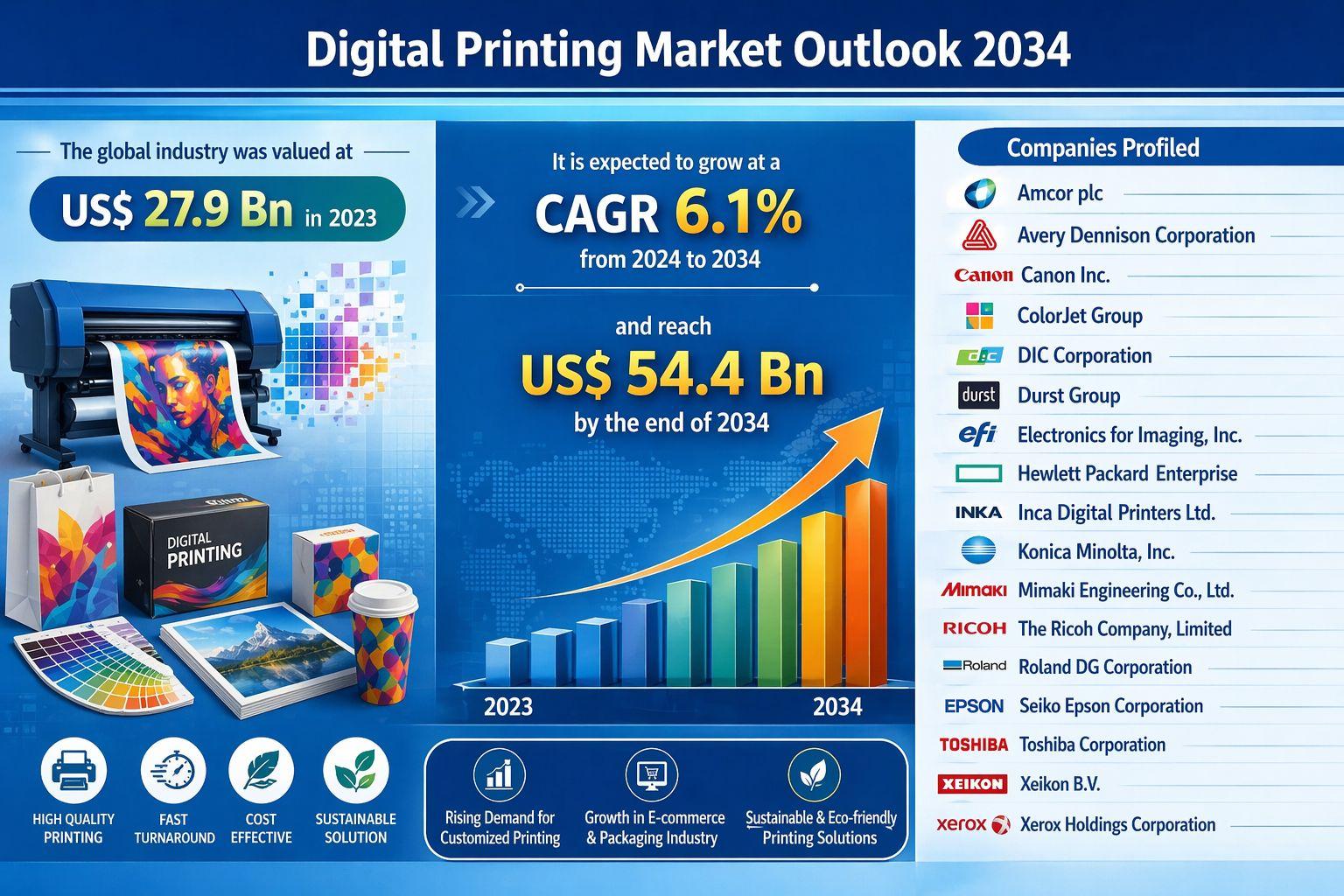
The global digital printing industry was valued at US$ 27.9 Bn in 2023 and is projected to reach US$ 54.4 Bn by 2034, expanding at a CAGR of 6.1% during the forecast period from 2024 to 2034.
One of the primary growth drivers is the reduction in per-unit printing costs. Digital printing eliminates the need for plate setup and minimizes material wastage, as ink is applied directly onto the substrate surface. This efficiency is particularly beneficial for short-run printing jobs and customized orders.
Another key advantage lies in production speed. Advanced digital printing machines can achieve output levels of up to 4,800 sheets per hour, significantly enhancing productivity once the process is initiated. Among printing technologies, inkjet printing dominates the market due to its superior tonal range, precise color blending, and adaptability across diverse substrates.
Key Market Drivers
Technological Advancements Accelerating Market Growth
The digital printing landscape is witnessing rapid technological evolution, enabling manufacturers to outperform traditional printing systems. Companies are heavily investing in research and development to introduce high-performance digital presses that cater to both small-scale and high-volume production.
For instance, HP Inc. introduced advanced platforms such as the HP Indigo 15K and HP Indigo 100K Digital Press, which enhance automation, reduce labor costs, and improve turnaround times. These innovations are particularly valuable for businesses handling medium-to-high volume short-run jobs.
Similarly, WestRock Company strengthened its capabilities by integrating advanced inkjet digital presses into its existing printing infrastructure, enabling a hybrid approach to packaging production.
Another notable trend is the adoption of UV LED printing technology in rigid plastic packaging. This enables seamless integration of variable data such as QR codes, barcodes, and serialized information, which is essential for traceability and consumer engagement.
Collaborative innovation is also shaping the market. For example, Fiery, LLC partnered with Esko to accelerate research in digital print technologies, further pushing the boundaries of print quality and efficiency.
Growth in Textile and Packaging Industries
The textile and packaging sectors are playing a pivotal role in driving demand for digital printing solutions. Digital textile printing has revolutionized fabric design by enabling direct printing of intricate patterns onto textiles, significantly reducing production time and costs.
Countries like India and China are rapidly adopting digital textile printing technologies to cater to both domestic and international markets. The ability to produce customized designs for garments, sarees, and fashion apparel is fueling widespread adoption.
In the packaging industry, digital printing is unlocking new possibilities for branding and product differentiation. From flexible packaging and corrugated boxes to labels and rigid plastics, digital printing allows companies to create visually appealing, customized packaging solutions.
High-speed single-pass inkjet presses are further enhancing production capabilities, offering higher throughput compared to traditional flatbed systems. These presses can handle large-format printing tasks efficiently, reducing the need for multiple print runs and improving operational efficiency.
Emerging Trends in Digital Printing Market
One of the most prominent trends is the rise of on-demand printing services. Companies are increasingly offering customized printing solutions where customers can directly submit designs, approve proofs, and receive finished products with minimal lead time. This trend is particularly evident in the beverage industry, where personalized can printing is gaining traction.
Another key trend is sustainability. Digital printing reduces waste generation and energy consumption compared to conventional printing methods. The use of water-based inks and eco-friendly substrates is further aligning the industry with global sustainability goals.
Automation and smart manufacturing are also becoming integral to digital printing operations. Advanced workflow software, AI-driven color management, and real-time monitoring systems are enabling seamless production processes with minimal human intervention.
Regional Outlook: Asia Pacific Leading the Market
Asia Pacific dominated the global digital printing market in 2023 and is expected to maintain its leadership throughout the forecast period. The region’s growth is driven by rapid industrialization, expanding manufacturing capabilities, and increasing adoption of digital technologies.
China stands out as a key market, with companies investing heavily in digital printing infrastructure to enhance production efficiency and meet rising demand. Large-scale investments in digital presses and end-to-end digitized value chains are strengthening the country’s position as a global printing hub.
For example, companies in China have deployed advanced inkjet systems such as the Fujifilm Jet Press series to achieve higher stability and precision in printing operations.
India is also emerging as a significant market, driven by growth in textile manufacturing and increasing demand for customized packaging solutions. Government initiatives supporting manufacturing and digitalization are further boosting market expansion.
Competitive Landscape and Key Players
The digital printing market is highly competitive, with major players focusing on innovation, capacity expansion, and strategic partnerships to strengthen their market presence.
Leading companies such as Canon Inc., Seiko Epson Corporation, Xerox Holdings Corporation, Konica Minolta, Inc., and Ricoh Company, Limited are continuously launching advanced products to stay ahead in the market.
For instance, Smurfit Kappa Group invested significantly in expanding its production capacity in Brazil to cater to the growing demand for e-commerce packaging.
Similarly, ARC Document Solutions LLC partnered with Canon Solutions America to enhance its digital color printing capabilities through advanced printing and cutting systems.
These strategic initiatives highlight the industry’s focus on innovation, scalability, and customer-centric solutions.
Market Segmentation Insights
The digital printing market is segmented based on printing type, ink type, substrate type, and region.
By printing type, inkjet technology holds the largest share due to its superior performance and versatility. Laser printing also plays a significant role in specific applications requiring high precision and speed.
In terms of ink type, aqueous, UV-cured, solvent, latex, and dye sublimation inks are widely used, each catering to different industrial needs. UV-cured inks are gaining popularity due to their durability and fast curing times.
Based on substrate type, digital printing is extensively used across paper, textiles, plastics, glass, ceramics, and other materials, reflecting its adaptability across industries.
Key Developments in the Market
Recent developments indicate a strong focus on technological innovation and sustainability. For example, Canon Inc. established a highly automated production facility for water-based polymer inks to meet rising demand while minimizing waste.
Such initiatives are not only enhancing production efficiency but also aligning the industry with environmental standards.
Investment Outlook and Future Opportunities
The digital printing market presents significant investment opportunities, particularly in emerging economies and high-growth sectors such as packaging and textiles. The rise of e-commerce, coupled with increasing demand for personalized products, is expected to drive sustained market growth.
Investments in advanced printing technologies, automation, and sustainable solutions are likely to yield strong returns. Companies that focus on innovation, customer engagement, and operational efficiency will be well-positioned to capitalize on future growth opportunities.
Conclusion
The global digital printing market is on a robust growth trajectory, driven by technological advancements, expanding application areas, and increasing demand for customization. With a projected market value of US$ 54.4 Bn by 2034, the industry is set to play a crucial role in shaping the future of printing.
As businesses continue to prioritize efficiency, sustainability, and customer-centric solutions, digital printing will remain at the forefront of innovation, transforming traditional printing paradigms and unlocking new possibilities across industries.
Categories
Read More
In an era defined by rapid technological disruptions, businesses can no longer rely on isolated digital tools to maintain a competitive edge. The global marketplace demands a holistic approach to technology, where software engineering, consumer experience design, cloud infrastructure, and data-driven marketing function as a unified ecosystem. Around the world, specialized technology hubs have...

تُعد عملية تجميل الأنف في الرياض من الإجراءات التجميلية الشائعة التي يختارها العديد من الأشخاص لتحسين شكل الأنف وتعزيز الثقة بالنفس. لتحقيق أفضل النتائج وضمان سلامة العملية، من المهم جدًا معرفة الأدوية التي يجب تجنبها قبل إجراء العملية. فالتحضير الجيد قبل الجراحة يلعب دورًا كبيرًا في نجاحها وسرعة التعافي بعد العملية. من المعروف أن الالتزام بتعليمات الطبيب قبل العملية، بما في ذلك معرفة سعر...

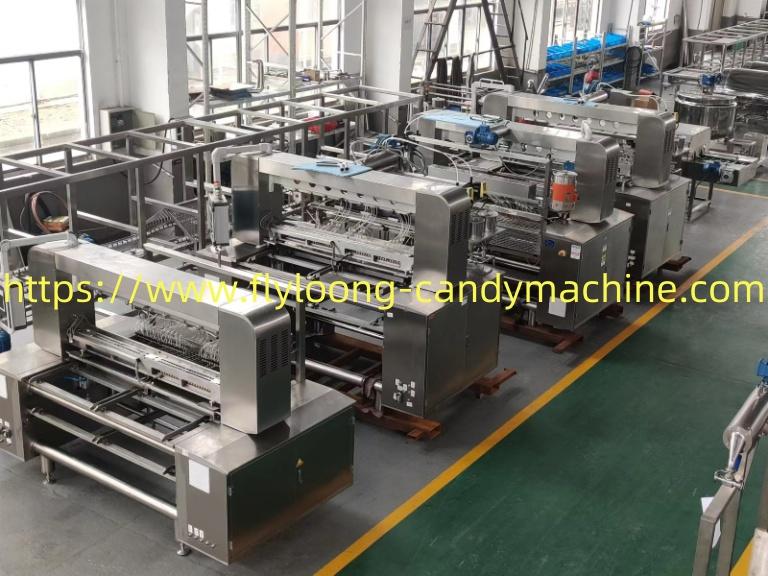
In contemporary confectionery production, the Automatic Rainbow Lollipop Machine has revolutionized the way colorful, visually appealing candies are manufactured efficiently. This type of machine automates the lollipop-forming process, transforming sugar mixtures into perfectly shaped and consistently sized treats with minimal human intervention. By integrating precision engineering,...
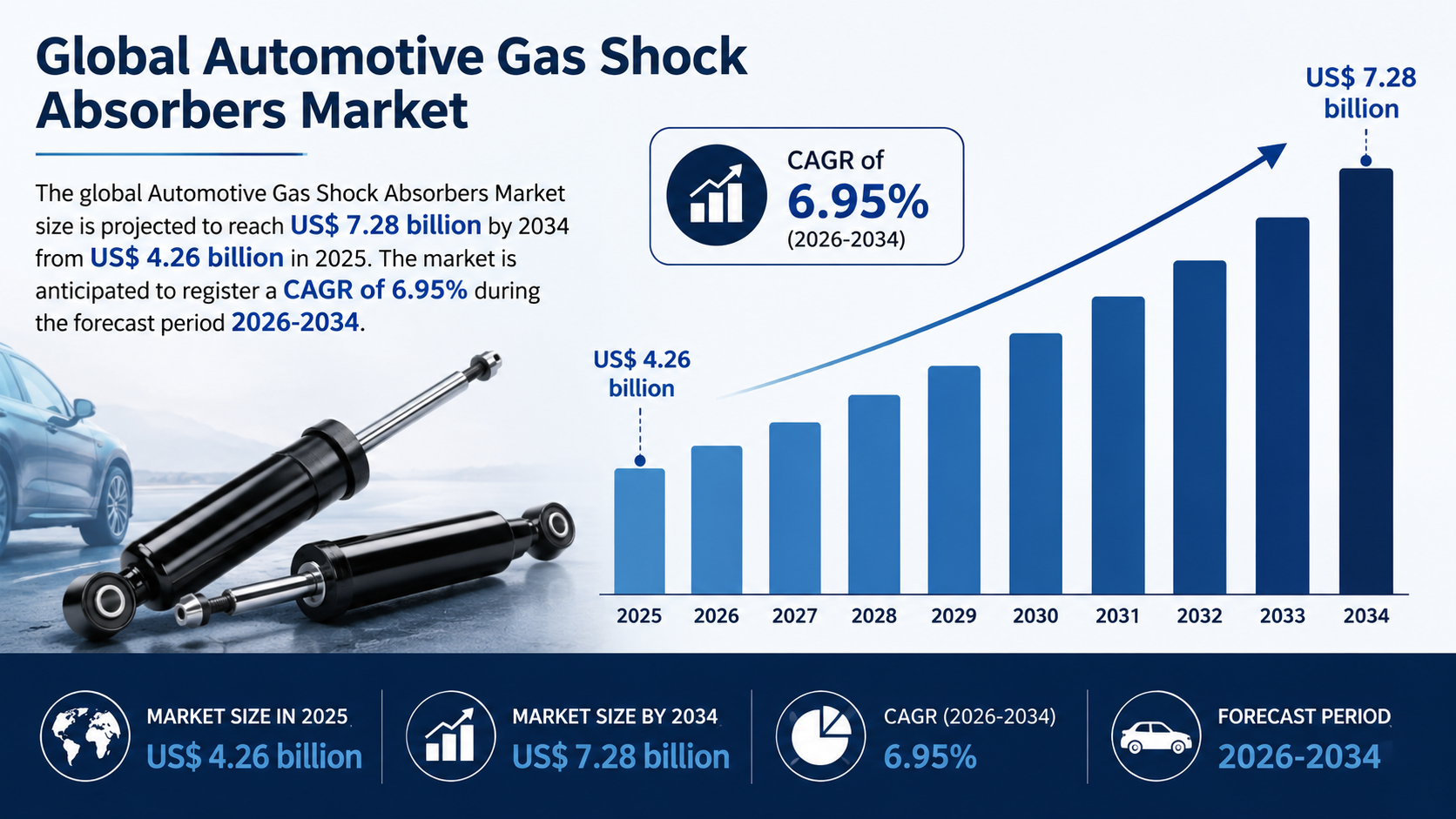
The global automotive landscape is undergoing a significant transformation, driven by the increasing demand for vehicle comfort, safety, and performance. Central to this evolution is the automotive gas shock absorber, a critical component designed to dampen the impact of road irregularities and provide a stable driving experience. Unlike hydraulic variants, gas-charged shock...
Drainage problems are among the most frustrating issues homeowners face in the UK. Blocked pipes, foul odours, slow-draining sinks, and hidden leaks can quickly turn into expensive repairs if ignored. In 2026, more UK homeowners are turning to modern diagnostic solutions to identify drainage problems before they become serious. One of the most effective methods available today is a CCTV drain...