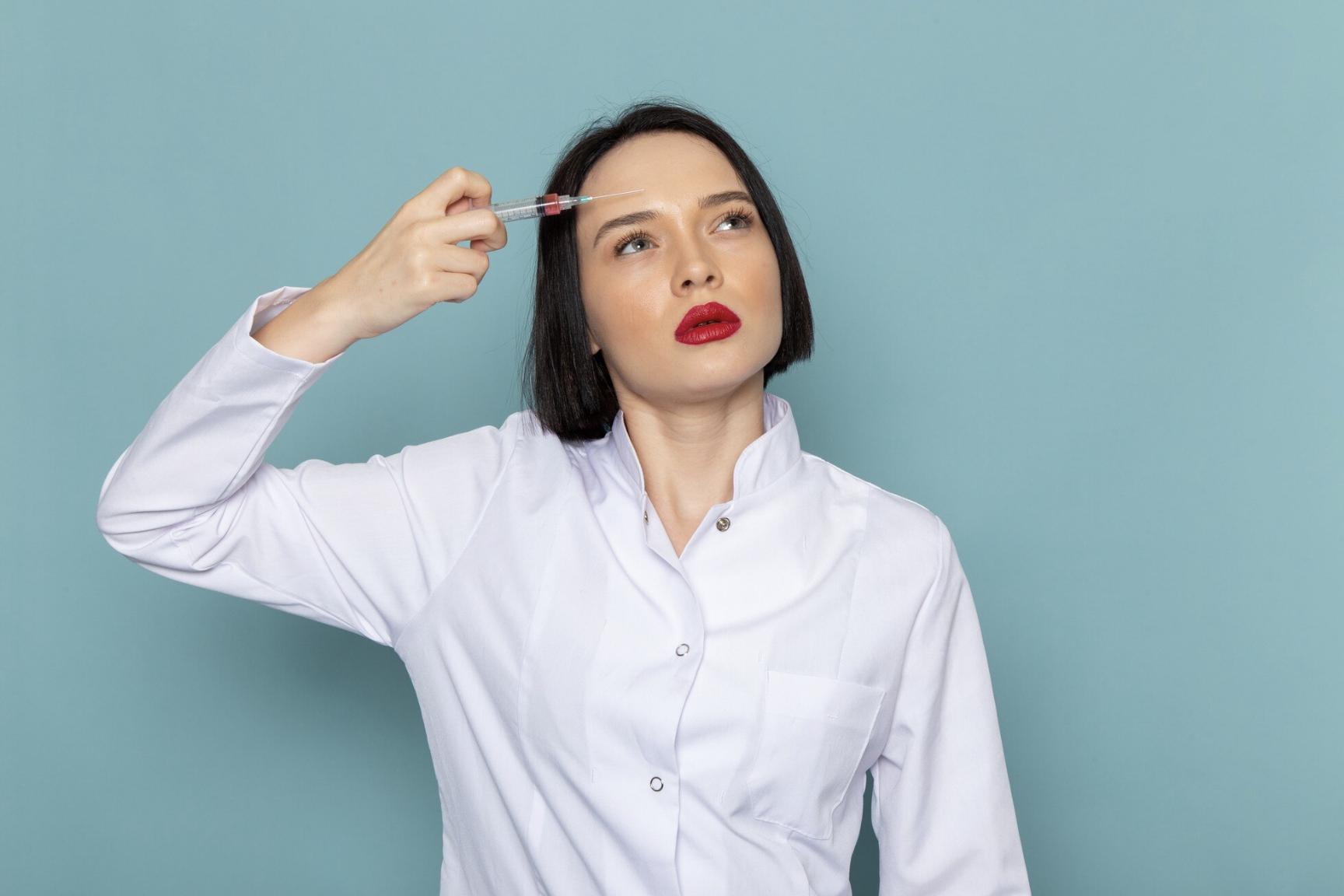
Botox Poisoning Symptoms: What to Watch For
Botox is widely used for cosmetic and medical treatments and is considered very safe when administered correctly. However, in rare cases, the toxin can spread beyond the injection site or be used improperly, leading to what people commonly call “Botox poisoning.”
Medically, this condition is similar to Botulism, which affects the nervous system.
What Is Botox Poisoning?
Botox poisoning happens when the toxin affects more muscles than intended or enters the bloodstream in higher-than-safe amounts.
This can interfere with nerve signals throughout the body, not just in the treated area.
Early Symptoms of Botox Poisoning
Symptoms may appear within hours to several days after injection.
Common early warning signs:
- General weakness or unusual tiredness
- Headache
- Dry mouth
- Blurred or double vision
- Drooping eyelids
- Difficulty focusing
These symptoms can feel mild at first but should not be ignored if they worsen.
Progressive Symptoms
As the toxin spreads, symptoms may become more serious.
Muscle-related symptoms:
- Weakness spreading beyond the injection area
- Difficulty holding your head up
- Trouble lifting arms or walking
Facial and speech symptoms:
- Slurred speech
- Difficulty smiling or controlling facial expressions
- Trouble swallowing (dysphagia)
Breathing issues:
- Shortness of breath
- Difficulty breathing (serious emergency)
These symptoms require immediate medical attention.
Severe Symptoms (Emergency)
In rare but serious cases, Botox poisoning can become life-threatening.
Emergency signs:
- Severe muscle paralysis
- Inability to swallow
- Difficulty breathing or choking
- Loss of muscle control
If any of these occur, seek emergency medical care immediately.
How Common Is Botox Poisoning?
It’s important to understand that Botox poisoning is extremely rare, especially in cosmetic use.
Most reported cases occur when:
- Very high doses are used (often for medical conditions)
- Injections are done incorrectly
- Unlicensed or unsafe products are used
Who Is at Higher Risk?
Some people may have a slightly higher risk:
- Children receiving medical Botox treatments
- People with neuromuscular disorders
- Those receiving large doses
- Individuals treated by unqualified providers
Difference Between Normal Side Effects and Poisoning
It’s easy to confuse normal Botox side effects with something more serious.
Normal side effects:
- Mild swelling or redness
- Headache
- Temporary drooping in the treated area
Possible poisoning symptoms:
- Weakness spreading to other parts of the body
- Difficulty breathing or swallowing
- Vision problems
If symptoms go beyond the treated area, it’s important to act quickly.
When Do Symptoms Appear?
- Typically within 24 to 72 hours
- Can be delayed up to 1–2 weeks in rare cases
Monitoring your body after treatment is important.
What Should You Do If You Suspect Botox Poisoning?
Do not ignore symptoms.
Steps to take:
- Contact your doctor immediately
- Seek emergency care if symptoms are severe
- Inform medical professionals about your recent Botox treatment
Early treatment can prevent complications.
How Is It Treated?
Treatment depends on severity but may include:
- Hospital monitoring
- Support for breathing
- Medications to manage symptoms
In severe cases, patients may need intensive care.
How to Prevent Botox Poisoning
Prevention is key.
Choose a qualified provider
Always go to a licensed and experienced professional.
Avoid cheap or unknown products
Low-cost treatments may use unsafe or counterfeit products.
Follow recommended doses
Do not exceed safe limits.
Share your medical history
Inform your provider about any health conditions or medications.
Final Thoughts
Botox poisoning is extremely rare, but knowing the symptoms can help you act quickly if something feels wrong. Most people experience only mild, temporary side effects after Botox treatments.
However, if you notice symptoms like spreading weakness, difficulty swallowing, or breathing problems, it’s important to seek medical help immediately. Early action can make a significant difference and ensure your safety.
Categorie
Leggi tutto
Polaris Market Research has introduced the latest market research report titled Traction Transformer Market Share, Size, Trends, Industry Analysis Report By Mounting Position, By Voltage Network (AC Systems, DC Systems), By Rolling Stock, By Region – Market Forecast, 2026–2034 that highlights the major revenue stream for the forecast period. The report contains clear,...
Nagaspin99 telah menjadi salah satu platform hiburan digital yang banyak dibicarakan oleh para pemain Indonesia berkat kombinasi fitur lengkap, tampilan modern, serta pengalaman bermain yang nyaman. Popularitasnya tidak muncul begitu saja, melainkan karena kemampuannya menghadirkan berbagai pilihan permainan menarik yang mudah diakses oleh pengguna dari berbagai kalangan. Dengan konsep layanan...
In today’s fast-moving business world, companies need smart, flexible, and cost-effective workspace solutions. This is why portable office cabins have become a popular choice for many industries. From construction sites to corporate offices, these cabins offer convenience, comfort, and quick installation without the high cost of permanent -buildings. Portable office cabins are designed to...
"Executive Summary Personal Gadget Insurance Market Size and Share Analysis Report CAGR Value The global personal gadget insurance market size was valued at USD 25.30 billion in 2024 and is projected to reach USD 55.03 billion by 2032, with a CAGR of 10.20% during the forecast period of 2025 to 2032 The global Personal Gadget Insurance Market research report has incorporated the...
ヘルスケアサプライチェーン管理は、医療用品の調達、在庫管理、物流、配送を最適化し、病院、クリニック、薬局における安定供給を実現する重要な仕組みです。世界のヘルスケアサプライチェーン市場規模は2024年にUSD 149.76 billionと評価され、2025年のUSD 160.72 billionから2033年にはUSD 282.83 billionに達すると予測されており、予測期間(2025–2033)においてCAGR 7.32%で成長すると見込まれています。 レポート全文はこちら:https://straitsresearch.com/jp/report/healthcare-supply-chain-market 市場の推進要因...