Respiratory Health: A Complete Guide to Strong Lungs and Better Breathing
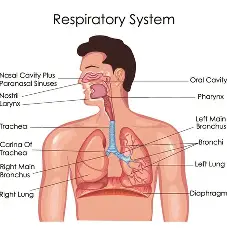
Good respiratory health is essential for a healthy, active, and energetic life. Your lungs play a key role in supplying oxygen to every part of your body. Every breath you take fuels your brain, muscles, and organs. When your lungs are strong, breathing feels natural and effortless. But when respiratory health is weak, even simple activities like walking or climbing stairs can feel tiring.
In today’s world, factors like pollution, stress, lack of exercise, and unhealthy habits can negatively affect lung function. The good news is that you can significantly improve respiratory health with simple lifestyle changes and daily habits.
This guide will help you understand how to strengthen your lungs, improve breathing capacity, and maintain long-term lung wellness in a natural and practical way.


What Is Respiratory Health?

Respiratory health refers to how well your lungs and breathing system function. It includes how efficiently your body takes in oxygen and removes carbon dioxide.
Healthy lungs ensure:
  • Smooth and effortless breathing
  • Efficient oxygen supply to the body
  • Better stamina and energy
  • Strong immune support
  • Improved physical performance
Good respiratory health allows your body to function properly in everyday life without breathlessness or fatigue.

Why Respiratory Health Matters

Maintaining strong respiratory health is important for overall well-being and physical performance.
Healthy lungs help you:
  • Increase energy levels
  • Improve endurance
  • Support heart and brain function
  • Enhance physical activity performance
  • Reduce fatigue and breathlessness
When your lungs work efficiently, your entire body feels more active and balanced.

Common Causes of Poor Respiratory Health

Several factors can weaken respiratory health over time.

1. Air Pollution

Polluted air can irritate and damage the lungs.

2. Smoking and Harmful Habits

These significantly reduce lung capacity and damage airways.

3. Lack of Physical Activity

A sedentary lifestyle weakens breathing muscles.

4. Poor Posture

Slouching restricts lung expansion.

5. Frequent Infections

Repeated respiratory infections can weaken lung function.
Understanding these causes helps improve respiratory health effectively.

Signs of Weak Respiratory Health

Your body often gives warning signs when respiratory health is not at its best.
Common symptoms include:
  • Shortness of breath
  • Low stamina
  • Frequent coughing
  • Chest tightness
  • Fatigue during activity
If these symptoms appear regularly, it may indicate weak respiratory health.

Simple Ways to Improve Respiratory Health

Improving lung function does not require complex methods. Simple daily habits can bring major improvements.

1. Practice Deep Breathing

Deep breathing exercises increase oxygen intake and improve lung capacity.
This is one of the most effective ways to improve respiratory health naturally.

2. Stay Physically Active

Regular movement strengthens breathing muscles and improves oxygen flow.
Even light activities like walking can significantly support respiratory health.

3. Maintain Good Posture

Proper posture allows your lungs to expand fully and improves breathing efficiency.

4. Avoid Polluted Environments

Reducing exposure to pollution helps protect long-term respiratory health.

5. Stay Hydrated

Water helps keep the respiratory system clean and functioning smoothly.

Role of Exercise in Respiratory Health

Exercise is one of the most effective ways to improve lung strength.

Types of Exercise:

  • Walking
  • Jogging
  • Swimming
  • Cycling
  • Yoga
Even 30 minutes of daily activity can greatly improve respiratory health.

Benefits of Exercise:

  • Strengthens breathing muscles
  • Improves oxygen flow
  • Enhances stamina
  • Reduces breathlessness
Regular exercise supports long-term lung function.

Breathing Techniques for Respiratory Health

Breathing exercises are simple but powerful tools for lung improvement.

1. Deep Breathing

Helps expand lung capacity and improve oxygen intake.

2. Diaphragmatic Breathing

Strengthens the diaphragm and improves breathing control.

3. Controlled Breathing

Helps regulate oxygen flow and reduce stress.
Practicing these techniques regularly improves respiratory health naturally.

Importance of Diet in Respiratory Health

What you eat also affects your lungs.
A healthy diet supports:
  • Strong immune system
  • Reduced inflammation
  • Better oxygen flow
  • Improved respiratory health

Foods that support lung health:

  • Fresh fruits and vegetables
  • Whole grains
  • Nuts and seeds
  • Hydrating foods
A balanced diet helps maintain strong lung function.

Stress and Respiratory Health

Stress can directly affect breathing patterns.
High stress levels may cause:
  • Shallow breathing
  • Chest tightness
  • Reduced oxygen intake
Managing stress is essential for maintaining good respiratory health.
Simple stress management techniques:
  • Deep breathing
  • Meditation
  • Relaxation exercises
  • Spending time outdoors

Importance of Sleep for Respiratory Health

Sleep plays a vital role in lung recovery and function.
Poor sleep can:
  • Reduce lung efficiency
  • Increase fatigue
  • Affect oxygen balance
Good sleep supports better respiratory health and energy levels.

Daily Routine for Respiratory Health

A structured routine helps maintain strong lungs.

Morning

  • Fresh air breathing
  • Light exercise
  • Hydration

Afternoon

  • Balanced meals
  • Short walks
  • Good posture

Evening

  • Relaxation
  • Breathing exercises
  • Quality sleep
For more respiratory care tips, [insert your domain link here naturally].

Common Myths About Respiratory Health

Many myths create confusion about lung care.

Myth 1: Only Smokers Need to Worry

Everyone should focus on respiratory health.

Myth 2: Exercise Is Bad for Lungs

Exercise actually strengthens lung capacity.

Myth 3: Breathing Issues Are Always Serious

Many issues can be improved with lifestyle changes.
Understanding these myths improves awareness.

Long-Term Benefits of Strong Respiratory Health

Maintaining good respiratory health provides lifelong benefits:
  • Better stamina
  • Improved energy
  • Stronger immunity
  • Easier breathing
  • Better physical performance
Healthy lungs improve overall quality of life.

Staying Consistent with Lung Health Habits

Consistency is key to maintaining strong lungs.
Simple habits include:
  • Daily breathing exercises
  • Regular physical activity
  • Healthy diet
  • Avoiding pollution exposure
These habits improve long-term respiratory health.

Final Thoughts

Respiratory health is essential for maintaining energy, strength, and overall wellness. Strong lungs ensure that your body receives enough oxygen to function properly. The good news is that improving lung function does not require complicated methods.
With simple habits like deep breathing, regular exercise, proper diet, stress management, and good posture, you can naturally enhance your respiratory health and improve your quality of life.
Small daily actions can lead to stronger lungs and better breathing for the long term.
For more respiratory care tips and simple daily wellness strategies, [insert your domain link here naturally].
Good respiratory health is essential for a healthy, active, and energetic life. Your lungs play a key role in supplying oxygen to every part of your body. Every breath you take fuels your brain, muscles, and organs. When your lungs are strong, breathing feels natural and effortless. But when respiratory health is weak, even simple activities like walking or climbing stairs can feel tiring.
In today’s world, factors like pollution, stress, lack of exercise, and unhealthy habits can negatively affect lung function. The good news is that you can significantly improve respiratory health with simple lifestyle changes and daily habits.
This guide will help you understand how to strengthen your lungs, improve breathing capacity, and maintain long-term lung wellness in a natural and practical way.

What Is Respiratory Health?

Respiratory health refers to how well your lungs and breathing system function. It includes how efficiently your body takes in oxygen and removes carbon dioxide.
Healthy lungs ensure:
  • Smooth and effortless breathing
  • Efficient oxygen supply to the body
  • Better stamina and energy
  • Strong immune support
  • Improved physical performance
Good respiratory health allows your body to function properly in everyday life without breathlessness or fatigue.

Why Respiratory Health Matters

Maintaining strong respiratory health is important for overall well-being and physical performance.
Healthy lungs help you:
  • Increase energy levels
  • Improve endurance
  • Support heart and brain function
  • Enhance physical activity performance
  • Reduce fatigue and breathlessness
When your lungs work efficiently, your entire body feels more active and balanced.

Common Causes of Poor Respiratory Health

Several factors can weaken respiratory health over time.

1. Air Pollution

Polluted air can irritate and damage the lungs.

2. Smoking and Harmful Habits

These significantly reduce lung capacity and damage airways.

3. Lack of Physical Activity

A sedentary lifestyle weakens breathing muscles.

4. Poor Posture

Slouching restricts lung expansion.

5. Frequent Infections

Repeated respiratory infections can weaken lung function.
Understanding these causes helps improve respiratory health effectively.

Signs of Weak Respiratory Health

Your body often gives warning signs when respiratory health is not at its best.
Common symptoms include:
  • Shortness of breath
  • Low stamina
  • Frequent coughing
  • Chest tightness
  • Fatigue during activity
If these symptoms appear regularly, it may indicate weak respiratory health.

Simple Ways to Improve Respiratory Health

Improving lung function does not require complex methods. Simple daily habits can bring major improvements.

1. Practice Deep Breathing

Deep breathing exercises increase oxygen intake and improve lung capacity.
This is one of the most effective ways to improve respiratory health naturally.

2. Stay Physically Active

Regular movement strengthens breathing muscles and improves oxygen flow.
Even light activities like walking can significantly support respiratory health.

3. Maintain Good Posture

Proper posture allows your lungs to expand fully and improves breathing efficiency.

4. Avoid Polluted Environments

Reducing exposure to pollution helps protect long-term respiratory health.

5. Stay Hydrated

Water helps keep the respiratory system clean and functioning smoothly.

Role of Exercise in Respiratory Health

Exercise is one of the most effective ways to improve lung strength.

Types of Exercise:

  • Walking
  • Jogging
  • Swimming
  • Cycling
  • Yoga
Even 30 minutes of daily activity can greatly improve respiratory health.

Benefits of Exercise:

  • Strengthens breathing muscles
  • Improves oxygen flow
  • Enhances stamina
  • Reduces breathlessness
Regular exercise supports long-term lung function.

Breathing Techniques for Respiratory Health

Breathing exercises are simple but powerful tools for lung improvement.

1. Deep Breathing

Helps expand lung capacity and improve oxygen intake.

2. Diaphragmatic Breathing

Strengthens the diaphragm and improves breathing control.

3. Controlled Breathing

Helps regulate oxygen flow and reduce stress.
Practicing these techniques regularly improves respiratory health naturally.

Importance of Diet in Respiratory Health

What you eat also affects your lungs.
A healthy diet supports:
  • Strong immune system
  • Reduced inflammation
  • Better oxygen flow
  • Improved respiratory health

Foods that support lung health:

  • Fresh fruits and vegetables
  • Whole grains
  • Nuts and seeds
  • Hydrating foods
A balanced diet helps maintain strong lung function.

Stress and Respiratory Health

Stress can directly affect breathing patterns.
High stress levels may cause:
  • Shallow breathing
  • Chest tightness
  • Reduced oxygen intake
Managing stress is essential for maintaining good respiratory health.
Simple stress management techniques:
  • Deep breathing
  • Meditation
  • Relaxation exercises
  • Spending time outdoors

Importance of Sleep for Respiratory Health

Sleep plays a vital role in lung recovery and function.
Poor sleep can:
  • Reduce lung efficiency
  • Increase fatigue
  • Affect oxygen balance
Good sleep supports better respiratory health and energy levels.

Daily Routine for Respiratory Health

A structured routine helps maintain strong lungs.

Morning

  • Fresh air breathing
  • Light exercise
  • Hydration

Afternoon

  • Balanced meals
  • Short walks
  • Good posture

Evening

  • Relaxation
  • Breathing exercises
  • Quality sleep
For more respiratory care tips, [Pulmo Balance].

Common Myths About Respiratory Health

Many myths create confusion about lung care.

Myth 1: Only Smokers Need to Worry

Everyone should focus on respiratory health.

Myth 2: Exercise Is Bad for Lungs

Exercise actually strengthens lung capacity.

Myth 3: Breathing Issues Are Always Serious

Many issues can be improved with lifestyle changes.
Understanding these myths improves awareness.

Long-Term Benefits of Strong Respiratory Health

Maintaining good respiratory health provides lifelong benefits:
  • Better stamina
  • Improved energy
  • Stronger immunity
  • Easier breathing
  • Better physical performance
Healthy lungs improve overall quality of life.

Staying Consistent with Lung Health Habits

Consistency is key to maintaining strong lungs.
Simple habits include:
  • Daily breathing exercises
  • Regular physical activity
  • Healthy diet
  • Avoiding pollution exposure
These habits improve long-term respiratory health.

Final Thoughts

Respiratory health is essential for maintaining energy, strength, and overall wellness. Strong lungs ensure that your body receives enough oxygen to function properly. The good news is that improving lung function does not require complicated methods.
With simple habits like deep breathing, regular exercise, proper diet, stress management, and good posture, you can naturally enhance your respiratory health and improve your quality of life.
Small daily actions can lead to stronger lungs and better breathing for the long term.
For more respiratory care tips and simple daily wellness strategies, [Pulmo Balance].


Больше