Gut and Digestive Health: A Complete Guide to Better Digestion, Energy, and Wellness
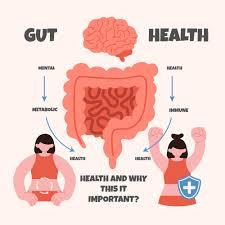
What Is Gut Health?
-
Smooth and regular digestion
-
Efficient nutrient absorption
-
Balanced gut bacteria
-
Strong immune function
-
Minimal digestive discomfort
Why Gut Health Is Important
-
Maintain steady energy levels
-
Strengthen immunity
-
Improve mental clarity and focus
-
Support healthy metabolism
-
Reduce inflammation and discomfort
Signs of Poor Gut Health
-
Frequent bloating or gas
-
Irregular bowel movements
-
Low energy levels
-
Food sensitivity
-
Skin problems
-
Feeling heavy or sluggish after meals
Causes of Poor Gut Health
1. Unhealthy Eating Habits
2. Stress and Anxiety
3. Lack of Physical Activity
4. Poor Sleep Patterns
5. Irregular Meal Timing
How Gut Health Affects the Whole Body
-
Brain function and emotional balance
-
Immune system strength
-
Energy production
-
Hormonal regulation
Simple Ways to Improve Gut Health Naturally
1. Eat Fiber-Rich Foods
-
Fruits
-
Vegetables
-
Whole grains
-
Legumes
2. Stay Hydrated
3. Eat Slowly and Mindfully
4. Stay Physically Active
5. Manage Stress Effectively
-
Deep breathing
-
Meditation
-
Relaxation exercises
-
Spending time outdoors
Role of Diet in Gut Health
-
Fresh fruits and vegetables
-
Whole grains
-
Natural, unprocessed foods
-
Balanced meals
Importance of Lifestyle for Gut Health
-
Regular sleep schedule
-
Daily physical activity
-
Balanced nutrition
-
Stress management
Gut Health and Mental Well-Being
-
Improve mood
-
Reduce stress
-
Enhance focus
-
Support emotional stability
Foods That Support Gut Health
-
Fiber-rich fruits and vegetables
-
Whole grains
-
Fermented foods
-
Natural plant-based foods
Foods That Harm Gut Health
-
Processed foods
-
Excess sugar
-
Fried foods
-
Artificial ingredients
Importance of Sleep for Gut Health
-
Slow digestion
-
Disrupt gut bacteria
-
Increase fatigue
-
Affect metabolism
Exercise and Gut Health Connection
-
Improve digestion
-
Reduce stress
-
Support metabolism
-
Enhance bowel regularity
Common Myths About Gut Health
Myth 1: Only Supplements Improve Gut Health
Myth 2: Digestive Issues Are Normal
Myth 3: Gut Health Only Affects Digestion
Long-Term Benefits of Good Gut Health
-
Better digestion
-
Increased energy
-
Strong immunity
-
Improved mood
-
Enhanced overall wellness
Daily Routine for Gut Health
Morning
-
Drink water
-
Light movement
-
Healthy breakfast
Afternoon
-
Balanced meals
-
Short walk
-
Stress management
Evening
-
Light dinner
-
Relaxation
-
Proper sleep
Final Thoughts
الأقسام
إقرأ المزيد
Purchasing heavy machinery is a smart way to expand your construction fleet without spending a fortune on new equipment. However, buying used machinery comes with its own set of challenges. Many buyers make mistakes that could lead to unexpected costs, delays, or operational issues. By understanding the...

Y Square Thane is an emerging residential landmark that redefines modern urban living with a perfect blend of comfort, connectivity, and contemporary design. Homebuyers and investors who seek a future-ready Thane address can find a premium development by Squarefeet Group which occupies a Kolshet Road location. The combination of its residential spaces and its lifestyle facilities and its nearby...

Why Linen Kurta Pajama Is Trending This Year Linen has always been a classic fabric, but this season it has become one of the top choices in men’s ethnic fashion. Its natural texture, breathable feel and refined appearance make it perfect for both casual and formal wear. This year, designers have introduced new cuts, colors and styling options that have made the linen kurta pajama more...

As per MRFR analysis, the Pet Care Market Size was estimated at 289500.0 USD Billion in 2024. The Pet Care industry is projected to grow from 305200.0 in 2025 to 551000.0 by 2035, exhibiting a compound annual growth rate (CAGR) of 6.1% during the forecast period 2025 - 2035. Pet Care Market is witnessing strong expansion as pet ownership continues to grow globally, driven by increasing...

Custom freezer paper wholesale supports food safety and brand identity in a single solution. Food businesses depend on it for meat, bakery, seafood, and deli packaging. Strong structure helps protect products during freezing and storage. Many brands also use printed sheets to display their logo on every wrap. Demand continues to grow across UK suppliers and global food markets due...