Full Blood Test Explained: What It Detects and Why It Matters
Most people wait for symptoms before taking action, but your body often signals changes long before you feel anything unusual. A Full Blood Test in Dubai acts like a silent communicator, translating those hidden signals into measurable health data. Whether you feel perfectly fine or slightly off, a comprehensive blood test can uncover what’s happening beneath the surface, making it a cornerstone of any effective health checkup.
The Science Behind a Full Blood Test and Why It Matters:
A full blood test, also known as a complete blood panel, evaluates multiple biological markers that reflect how your body is functioning. This includes red blood cells responsible for oxygen transport, white blood cells that defend against infections, and platelets that help in clotting.
Beyond the basic complete blood count, this diagnostic test often includes lipid profile testing, liver function tests, kidney function analysis, and blood glucose measurement. Together, these elements provide a holistic view of your metabolic health, organ performance, and immune system strength. This level of insight is what makes a full body blood checkup essential rather than optional.
The Preventive Power of Early Detection:
One of the most compelling reasons to include a full blood test in your routine health screening is its ability to detect diseases early. Conditions like diabetes, high cholesterol, anemia, and even certain infections can develop quietly without noticeable symptoms.
By identifying abnormal blood markers at an early stage, you gain a critical advantage. Early detection allows for timely intervention, lifestyle adjustments, and targeted treatment, reducing the risk of complications. Preventive healthcare is not just about avoiding illness—it’s about staying ahead of it, and blood testing plays a key role in that process.
Key Components That Make This Test So Valuable:
A full blood test is not a single measurement but a combination of several important analyses. Each component contributes unique information about your health.
A complete blood count helps detect infections, anemia, and immune disorders. A lipid profile evaluates cholesterol levels and assesses cardiovascular risk. Blood sugar testing identifies diabetes or prediabetes, while liver and kidney function tests monitor vital organ health.
Additionally, vitamin and mineral testing can reveal deficiencies that may affect energy levels, bone strength, and cognitive function. This comprehensive approach ensures that no major aspect of your health goes unchecked.
How Blood Tests Support Long-Term Health Monitoring?
Health is not static—it changes over time. A full blood test provides a baseline that can be used to track your health progress. By comparing results from previous tests, doctors can identify trends and detect subtle changes that might otherwise go unnoticed.
For individuals managing chronic conditions such as diabetes, hypertension, or thyroid disorders, regular blood work is essential. It helps evaluate treatment effectiveness and guides necessary adjustments. This continuous monitoring ensures that your healthcare plan remains aligned with your current needs.
The Link Between Blood Testing and Lifestyle Choices:
Your daily habits have a direct impact on your blood test results. Diet, exercise, sleep, and stress levels all influence key health indicators such as cholesterol, blood sugar, and inflammation markers.
A full blood test not only identifies existing health issues but also highlights the effects of your lifestyle. For instance, elevated triglycerides may indicate poor dietary habits, while abnormal glucose levels could point to insulin resistance. This information empowers you to make informed decisions and adopt healthier routines.
Preparing for a Full Blood Test the Right Way:
To ensure accurate results, proper preparation is essential. Many blood tests require fasting for several hours, particularly those measuring glucose and cholesterol levels. Staying hydrated is important, as it can make the blood draw process smoother.
It’s also advisable to avoid alcohol, heavy meals, and strenuous exercise before the test. Inform your healthcare provider about any medications or supplements you are taking, as these can influence the results. Taking these steps ensures that your blood analysis reflects your true health condition.
What Happens During and After the Test?
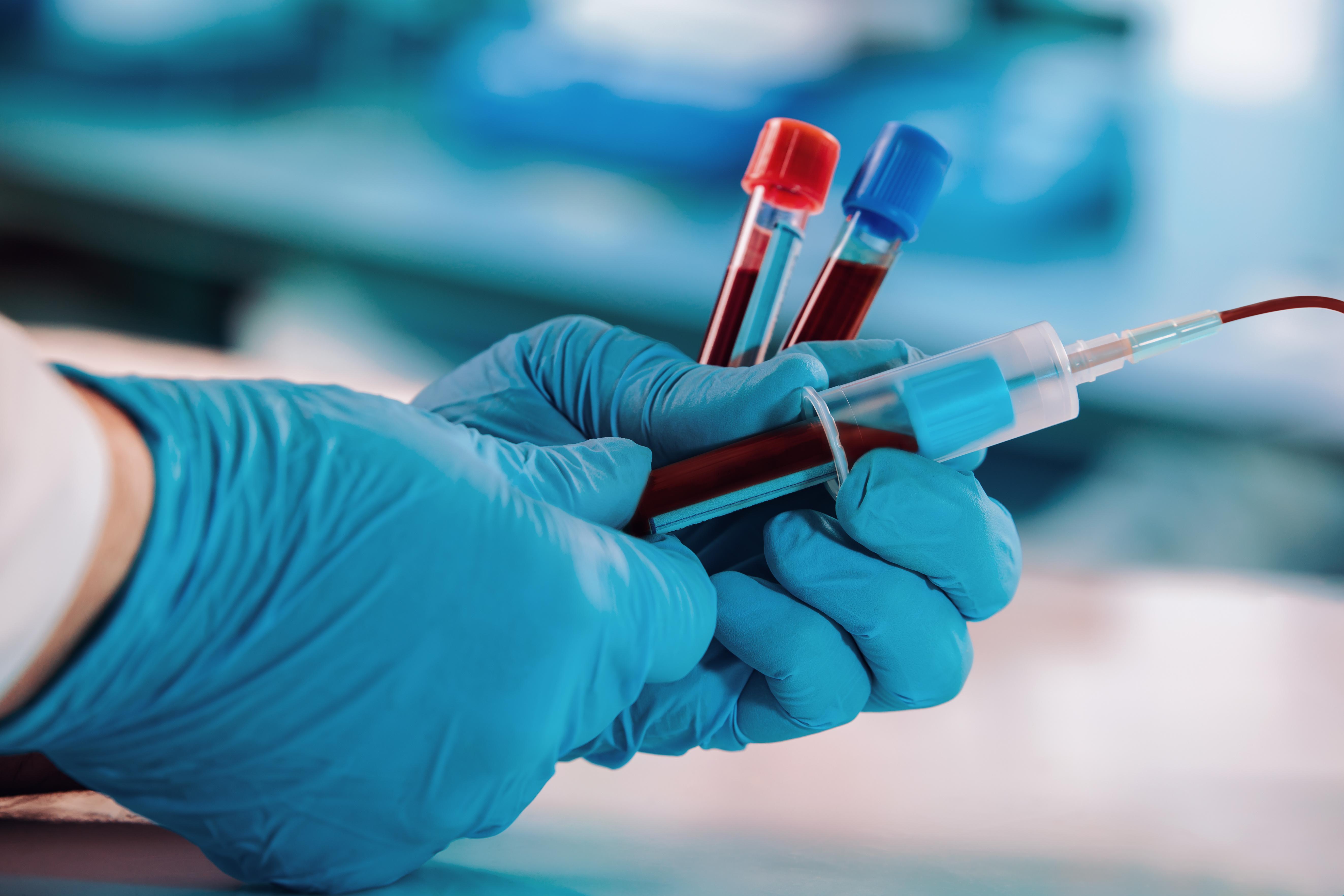
The procedure for a full blood test is quick and straightforward. A trained professional collects a small blood sample, usually from a vein in your arm. The process is minimally invasive and typically completed within minutes.
Once the sample is analyzed in a laboratory, you receive a detailed report outlining various health markers. These results provide valuable insights into your overall health and guide further medical decisions if needed.
Making Sense of Your Blood Test Results:
Understanding your blood test report is crucial for making informed health decisions. Each parameter is presented with a reference range, indicating what is considered normal. Values outside this range may signal potential health concerns.
For example, low hemoglobin levels may indicate anemia, while high cholesterol levels can increase the risk of heart disease. Abnormal liver enzymes might suggest liver stress, and elevated creatinine levels could point to kidney issues.
However, it’s important to interpret these results in context. Factors such as age, medical history, and lifestyle all play a role. Consulting a healthcare professional ensures accurate interpretation and appropriate action.
Addressing Common Concerns About Blood Testing:
Many people hesitate to undergo a full blood test due to misconceptions. Some believe it is only necessary when symptoms appear, while others worry about discomfort or complexity.
In reality, blood testing is a simple, safe, and highly informative procedure. It is designed to provide clarity, not confusion. By understanding its purpose and benefits, you can approach it with confidence and ease.
Who Should Prioritize a Full Blood Test?
While everyone can benefit from regular blood screening, certain groups should prioritize it even more. Individuals with a family history of chronic diseases, those experiencing unexplained symptoms, and people over a certain age should consider more frequent testing.
Additionally, anyone undergoing significant lifestyle changes, such as starting a new diet or fitness program, can use blood tests to monitor their progress. This proactive approach ensures that you stay on the right track toward better health.
The Bigger Impact on Your Overall Well-Being:
A full blood test is not just about identifying problems—it’s about enhancing your quality of life. By providing a clear picture of your health, it enables you to take control of your well-being.
From improving energy levels to preventing serious illnesses, the benefits of regular blood testing extend far beyond the immediate results. It fosters a sense of awareness and responsibility, encouraging you to prioritize your health in meaningful ways.
Final Perspective: A Small Step With Big Benefits
Incorporating a full Lab tests into your routine health checkup is one of the smartest decisions you can make for your long-term wellness. It offers a comprehensive assessment of your body, supports early diagnosis, and guides effective treatment and prevention strategies.
Rather than waiting for symptoms to appear, taking a proactive approach through regular blood screening ensures that you remain informed and prepared. In the journey toward better health, a full blood test is not just a recommendation—it is an essential step that empowers you to live healthier and longer.
Categorias
Leia mais
Bottega Desires: Redefining Modern Luxury Fashion The Rise of Bottega Desires in Contemporary Fashion Bottega Desires has quickly emerged as a recognizable name among fashion enthusiasts who appreciate sophistication, quality, and timeless style. In a market filled with fast-changing trends, the brand stands out by focusing on elegant designs that remain relevant season after season....

Unlock the Excitement of Cricket with Your Online Betting ID from Onlinecricketid99 Cricket isn’t just a sport — it’s an emotion shared by millions of fans worldwide. Every boundary, wicket, and catch keeps the audience on the edge of their seats. For those who want to take their love for the game a step further, online cricket betting offers an exciting way to experience...

In recent years, the global Deep Learning Market has undergone a transformative journey, fueled by evolving consumer demands, cutting-edge innovations, and an increasing focus on sustainability. Our comprehensive Deep Learning Market Research Report unveils key strategic insights, highlighting growth trends, market dynamics, competitive landscapes, and emerging opportunities....

Online casino platforms have become increasingly popular among people who enjoy digital entertainment and games of chance. JJ77 Game is presented as an online casino platform designed to bring different gaming experiences together in one place. Instead of visiting a traditional casino, users can explore games through a digital interface from a compatible device. While casino gaming can be...

As per MRFR analysis, the Automotive Bumper Market Forecast suggests steady growth supported by technological advancements and rising vehicle safety needs. Forecast Overview The market is expected to grow consistently over the coming years. Drivers and Trends EV adoption, lightweight materials, and integrated technologies support future growth. Long-Term Outlook Sustainability and...