


Ear Health: A Complete Guide to Better Hearing, Protection, and Long-Term Wellness
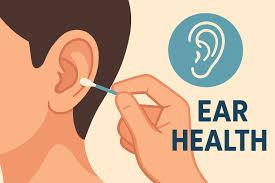
What Is Ear Health?
-
Clear hearing ability
-
Accurate sound processing
-
Good balance and stability
-
Protection from infections
-
Smooth brain-ear communication
Why Ear Health Matters in Daily Life
-
Understand speech clearly in conversations
-
Respond quickly to environmental sounds
-
Maintain balance while walking or moving
-
Enjoy music and nature sounds
-
Stay aware of your surroundings
Early Signs of Poor Ear Health
-
Difficulty hearing clearly
-
Ringing or buzzing sounds in the ears
-
Ear pain or pressure
-
Dizziness or imbalance
-
Sensitivity to loud noise
-
Frequent ear infections
Causes of Poor Ear Health
1. Loud Noise Exposure
2. Poor Ear Hygiene
3. Aging
4. Ear Infections
5. Stress and Fatigue
How Ear Health Affects the Whole Body
-
Clear communication
-
Body balance and coordination
-
Spatial awareness
-
Cognitive processing of sound
Simple Ways to Improve Ear Health Naturally
1. Protect Ears from Loud Noise
-
Keep headphone volume low
-
Avoid long exposure to loud environments
-
Take regular breaks from noise
2. Maintain Proper Ear Hygiene
3. Stay Physically Active
4. Manage Stress Effectively
-
Deep breathing exercises
-
Meditation
-
Yoga
-
Outdoor walks
5. Stay Hydrated
Role of Diet in Ear Health
-
Improve blood circulation
-
Support nerve function
-
Reduce inflammation
-
Strengthen ear tissues
Foods That Support Ear Health
-
Fresh fruits and vegetables
-
Whole grains
-
Nuts and seeds
-
Lean proteins
-
Omega-3 rich foods
Foods That May Harm Ear Health
-
High salt foods
-
Sugary snacks
-
Processed foods
-
Excess caffeine
-
Fried and oily foods
Importance of Sleep for Ear Health
-
Repair nerve function
-
Reduce stress levels
-
Improve brain-ear coordination
-
Support balance system
Exercise and Ear Health Connection
-
Improve blood flow to ear structures
-
Reduce stress hormones
-
Enhance balance and coordination
-
Support nerve function
Mental Health and Ear Health
-
Meditation
-
Breathing exercises
-
Journaling
-
Relaxation routines
Common Myths About Ear Health
Myth 1: Deep Cleaning Is Necessary
Myth 2: Hearing Loss Only Affects Older People
Myth 3: Ear Problems Always Heal Automatically
Daily Routine for Better Ear Health
Morning
-
Drink water
-
Light exercise
-
Healthy breakfast
Afternoon
-
Balanced meals
-
Short walks
-
Noise protection
Evening
-
Relaxation time
-
Reduced screen noise
-
Proper sleep
Long-Term Benefits of Good Ear Health
-
Clear and stable hearing
-
Better communication
-
Improved balance
-
Reduced risk of infections
-
Enhanced quality of life
Final Thoughts
Categorii
Citeste mai mult
According to the latest report published by Data Bridge Market Research, the Ranitidine Market The global ranitidine market size was valued at USD 453.37 million in 2024 and is expected to reach USD 556.72 million by 2032, at a CAGR of 2.60% during the forecast period. DBMR team is focused on understanding client’s business and their needs so that...

Human belief is a complex, fascinating phenomenon. Across history, societies have witnessed the persistence of beliefs and narratives that defy empirical evidence, logic, and reason. From ancient myths to modern conspiracies, the human mind has repeatedly shown a remarkable capacity for blind faith and denial. Even educated individuals, trained in critical thinking and logic, are not immune....

The global Biometrics as a Service (BaaS) Market is experiencing robust growth as organizations increasingly adopt cloud-based biometric authentication to strengthen digital identity verification, improve cybersecurity, and enhance user experiences across digital platforms. According to SNS Insider, the Biometrics as a Service Market was valued at USD 6.259 billion in 2025 and is projected to...

Explore global procurement solutions with Oddway International and competitive sildigra 250mg tablets price offers. We assist buyers in evaluating sildigra 250mg tablets price and understanding sildigra 250 mg cost. As a recognized sildigra tablets exporter, we provide trusted erectile dysfunction drugs for sildigra tablet USA and international markets. Bulk order available for wholesalers and...

The Geometric Foundation of Contemporary Casual Fits The fundamental core of modern garment coordination is no longer centered around flashy visual branding or fast-moving aesthetic changes. Instead, it relies heavily on the physical weight of the textiles and the geometric accuracy of the clothing patterns. True innovators within contemporary street culture prioritize heavy-gauge cotton that...
