Oral Health: A Complete Guide to Strong Teeth, Healthy Gums, and Lasting Freshness
What Is Oral Health?
-
Strong and clean teeth
-
Healthy gums without bleeding or swelling
-
Fresh breath
-
No cavities or infections
-
Comfortable chewing and speaking
Why Oral Health Is Important
-
Eat food comfortably and digest properly
-
Speak clearly without discomfort
-
Maintain self-confidence
-
Prevent infections and diseases
-
Avoid tooth pain and sensitivity
Common Signs of Poor Oral Health
-
Tooth pain or sensitivity
-
Bleeding gums while brushing
-
Bad breath that does not go away
-
Swollen or red gums
-
Loose teeth
-
White or yellow buildup on teeth
Causes of Poor Oral Health
1. Poor Brushing Habits
2. Excess Sugar Intake
3. Lack of Dental Care
4. Smoking and Tobacco Use
5. Dry Mouth
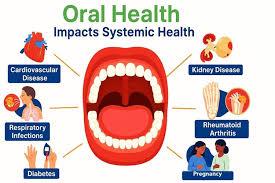
How Oral Health Affects the Whole Body
-
Better digestion
-
Strong immune system
-
Reduced infection risk
-
Improved confidence and mental health
Simple Ways to Improve Oral Health Naturally
1. Brush Your Teeth Properly
-
Brush for at least 2 minutes
-
Use gentle circular motions
-
Clean all tooth surfaces
2. Floss Daily
3. Use Mouth Rinse (Optional)
4. Stay Hydrated
5. Avoid Excess Sugar
Role of Diet in Oral Health
-
Strengthen teeth enamel
-
Support gum health
-
Reduce bacteria growth
-
Improve saliva production
Foods That Support Oral Health
-
Fresh fruits and vegetables
-
Dairy products
-
Nuts and seeds
-
Whole grains
-
Water-rich foods
Foods That Harm Oral Health
-
Sugary snacks and drinks
-
Sticky candies
-
Acidic beverages
-
Processed foods
-
Excessive caffeine
Importance of Gum Health in Oral Health
-
Be pink in color
-
Not bleed easily
-
Feel firm and strong
Oral Health and Bad Breath
-
Bacteria buildup
-
Food particles in teeth
-
Poor oral hygiene
-
Dry mouth
Importance of Regular Dental Care
-
Early detection of problems
-
Professional cleaning
-
Prevention of gum disease
-
Better long-term oral hygiene
Oral Health and Lifestyle Habits
-
Brushing twice daily
-
Drinking enough water
-
Eating balanced meals
-
Avoiding smoking
-
Managing stress
Common Myths About Oral Health
Myth 1: Brushing Hard Cleans Better
Myth 2: No Pain Means No Problem
Myth 3: Mouthwash Replaces Brushing
Daily Routine for Better Oral Health
Morning
-
Brush teeth
-
Drink water
-
Healthy breakfast
Afternoon
-
Drink water
-
Avoid sugary snacks
-
Rinse mouth after meals
Evening
-
Brush and floss
-
Clean tongue
-
Maintain hydration
Long-Term Benefits of Good Oral Health
-
Strong and healthy teeth
-
Fresh breath
-
Better digestion
-
Improved confidence
-
Reduced dental problems
Final Thoughts
Categorie
Leggi tutto
Businesses looking to expand into Ras Al Khaimah (RAK) often face an important decision: should they establish a branch office or create a subsidiary company? While both options allow companies to operate in RAK, they differ significantly in terms of ownership, legal structure, liability, and operational flexibility. Understanding these differences is essential for investors, entrepreneurs, and...

Wellness has evolved beyond daily vitamins and hydration goals. More people are looking for convenient ways to support energy, recovery, immunity, and overall health, making IV drip therapy one of the fastest-growing wellness treatments in Tomball. Clinics across the area continue to expand IV hydration services as demand for personalized vitamin infusions grows. At Enfield Royal Med...

Casinos not on gamstop - Looking for reliable online casinos not on GamStop, but don’t want to risk signing up at unsafe platforms? You’re in the right spot. In this guide, you’ll discover the best alternatives to non-GamStop casinos. These sites offer thousands of online games, larger bonuses, and more payment methods than standard UK platforms. Best of all, these UK...

Nagaspin99 adalah platform hiburan digital yang semakin dikenal di kalangan pengguna online. Nama nagaspin99 login sering muncul dalam pencarian karena menawarkan konsep hiburan yang menarik dan mudah diakses. Platform ini dirancang untuk memberikan pengalaman digital yang praktis serta menyenangkan. Popularitas Nagaspin99 didukung oleh kemudahan navigasi dan tampilan yang modern. Pengguna baru...

Things used to feel messy. Emails, waiting, no replies, then more waiting. Now it feels different. A link building Marketplace gives a clearer path. You log in, explore sites, compare options, and move ahead without guessing. It feels simple, almost calm. Not rushed. Brands get more control, and that changes everything. Instead of chasing links, they choose them. That small shift matters a...