


Peyronie’s Disease: Causes, Symptoms, Diagnosis, and Treatment Options
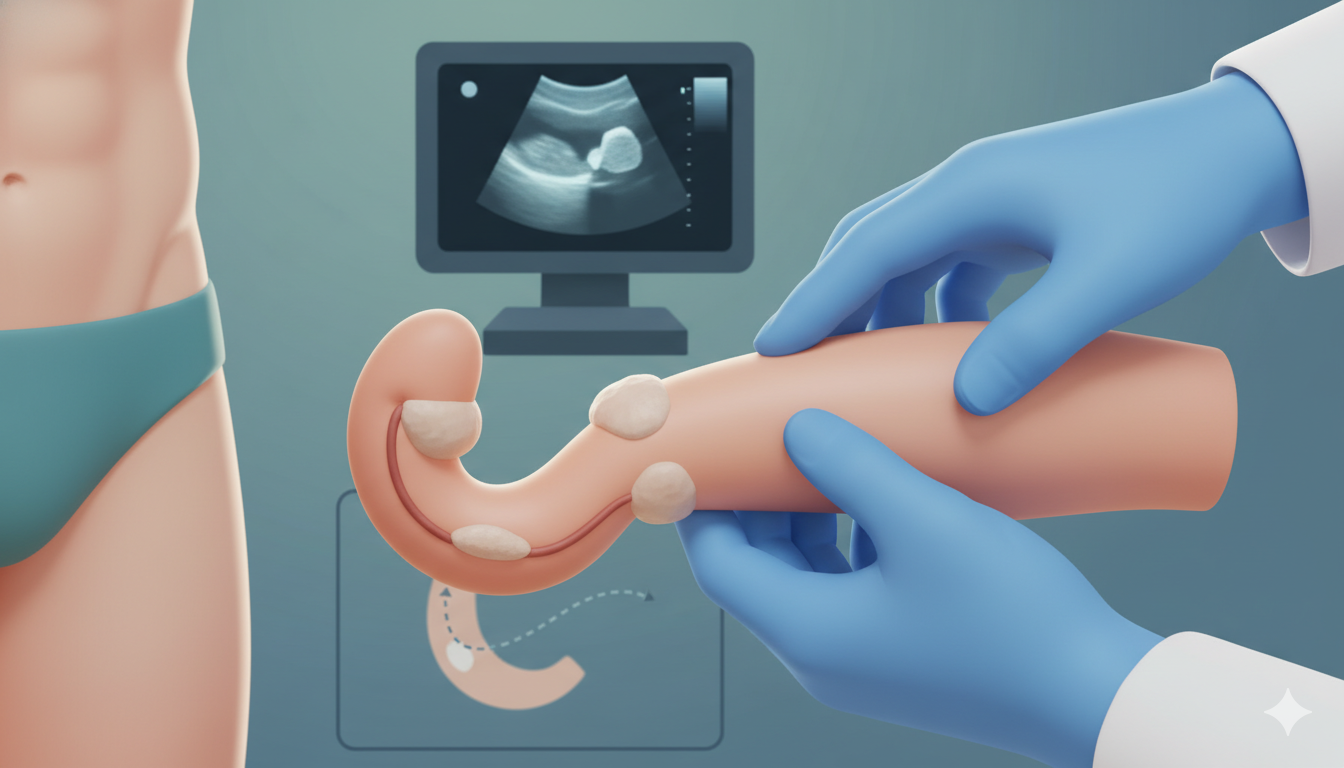
Peyronie’s disease is a medical condition that affects the penis, leading to the development of fibrous scar tissue (plaques) beneath the skin. This scar tissue can cause abnormal curvature, pain, and sometimes difficulty with sexual function. While the condition can be distressing both physically and emotionally, it is more common than many people realize and, importantly, treatable in many cases.
This comprehensive article explores Peyronie’s disease in detail, including its causes, symptoms, stages, diagnosis, treatment options, and psychological impact.
What is Peyronie’s Disease?
Peyronie’s disease is a connective tissue disorder in which fibrous plaques form in the tunica albuginea—the thick layer of tissue surrounding the erectile chambers of the penis. These plaques are not cancerous, but they can interfere with the elasticity of the penis, leading to curvature during erection.
The curvature may be mild or severe, depending on the extent and location of the scar tissue. In some cases, the condition can make sexual intercourse difficult or even impossible.
Causes of Peyronie’s Disease
The exact cause of Peyronie’s disease is not always clear, but several factors are believed to contribute to its development:
1. Penile Trauma or Injury
The most common suspected cause is injury to the penis. This can occur during sexual activity, sports, or accidents. Even minor trauma, repeated over time, may lead to scar tissue formation.
2. Abnormal Healing Response
In some individuals, the body responds abnormally to injury, leading to excessive scar tissue formation instead of normal healing.
3. Genetic Factors
There appears to be a hereditary component. Men with a family history of Peyronie’s disease or related connective tissue disorders may have a higher risk.
4. Age
The condition is more common in men between the ages of 40 and 70, although it can occur at any age. Aging reduces tissue elasticity and increases susceptibility to injury.
5. Associated Medical Conditions
Certain conditions are linked with Peyronie’s disease, including:
- Diabetes
- Erectile dysfunction
- Dupuytren’s contracture (a condition affecting the hands)
Symptoms of Peyronie’s Disease
Symptoms can vary widely depending on the severity and stage of the condition. Common signs include:
1. Penile Curvature
A noticeable bend in the penis during erection is the hallmark symptom. The curve can be upward, downward, or sideways.
2. Palpable Plaques
Hardened lumps or bands of scar tissue may be felt under the skin of the penis.
3. Pain
Pain may occur during erection or even when the penis is flaccid, especially in the early stages.
4. Erectile Dysfunction
Some men experience difficulty achieving or maintaining an erection due to reduced blood flow or psychological factors.
5. Shortening of the Penis
Scar tissue can reduce the length or girth of the penis over time.
6. Deformities
In severe cases, the penis may develop an hourglass shape or indentation.
Stages of Peyronie’s Disease
Peyronie’s disease typically progresses through two main phases:
1. Acute (Active) Phase
- Lasts between 6 to 18 months
- Characterized by pain and progressive curvature
- Plaques are still forming
- Symptoms may worsen during this stage
2. Chronic (Stable) Phase
- Pain usually subsides
- Curvature stabilizes and does not worsen
- Scar tissue becomes permanent
- Treatment decisions are often made during this phase
Diagnosis
Diagnosing Peyronie’s disease involves a combination of medical history, physical examination, and imaging tests.
1. Medical History
Doctors will ask about:
- Onset of symptoms
- Pain levels
- Changes in curvature
- Sexual function
2. Physical Examination
The physician may examine the penis to detect plaques and assess curvature.
3. Imaging Tests
Ultrasound is commonly used to:
- Identify scar tissue
- Evaluate blood flow
- Determine plaque size and location
In some cases, an erection may be induced in a clinical setting to accurately assess curvature.
Treatment Options
Treatment depends on the severity of symptoms, the stage of the disease, and how much it affects quality of life.
Non-Surgical Treatments
1. Oral Medications
Certain medications may be prescribed, although their effectiveness varies:
- Vitamin E (limited evidence)
- Potassium para-aminobenzoate (Potaba)
- Anti-inflammatory drugs
2. Injectable Treatments
Medications injected directly into the plaque can help break down scar tissue:
- Collagenase
- Verapamil
- Interferon
Collagenase injections are among the most commonly used and can significantly reduce curvature in some patients.
3. Penile Traction Therapy
Devices designed to stretch the penis may help:
- Reduce curvature
- Improve length
- Prevent worsening of deformity
Consistency is key, as therapy may require several hours of daily use over months.
4. Shockwave Therapy
Low-intensity shockwave therapy may help reduce pain, though its effect on curvature is limited.
Surgical Treatments
Surgery is usually recommended for men in the chronic phase who have severe curvature or difficulty with intercourse.
1. Plication Surgery
- Shortens the longer side of the penis
- Straightens curvature
- Less complex but may reduce length
2. Plaque Incision/Excision and Grafting
- Removes or cuts the plaque
- Grafts tissue to restore shape
- Suitable for more severe cases
3. Penile Implants
- Recommended for men with severe erectile dysfunction
- Implants can help straighten the penis and restore function
Psychological and Emotional Impact
Peyronie’s disease can significantly affect mental health and relationships. Common emotional responses include:
- Anxiety
- Depression
- Loss of self-esteem
- Relationship stress
Men may avoid intimacy due to embarrassment or fear of pain. Open communication with partners and seeking counseling can be extremely beneficial.
Lifestyle and Home Management
While medical treatment is important, certain lifestyle changes can support recovery and overall well-being:
1. Avoid Further Injury
- Use adequate lubrication during intercourse
- Avoid aggressive sexual activity
2. Maintain Healthy Habits
- Balanced diet
- Regular exercise
- Avoid smoking and excessive alcohol consumption
3. Manage Underlying Conditions
Controlling diabetes and cardiovascular health can improve outcomes.
When to See a Doctor
It is important to seek medical advice if you notice:
- Any curvature of the penis
- Pain during erection
- Lumps or hardened areas
- Difficulty with sexual activity
Early diagnosis can improve treatment outcomes and prevent progression.
Prognosis
The progression of Peyronie’s disease varies:
- Some men experience mild symptoms that stabilize without treatment
- Others may see worsening curvature over time
- A small percentage may experience spontaneous improvement
With modern treatments, many men can achieve significant improvement in both function and appearance.
Myths and Misconceptions
Myth 1: It’s a Rare Condition
In reality, Peyronie’s disease affects a significant number of men, though many cases go unreported.
Myth 2: It’s Caused Only by Injury
While injury is a major factor, genetics and other health conditions also play a role.
Myth 3: It Always Requires Surgery
Many cases can be managed with non-surgical treatments.
Prevention
There is no guaranteed way to prevent Peyronie’s disease, but the following may reduce risk:
- Practicing safe and gentle sexual activity
- Managing chronic health conditions
- Avoiding trauma to the genital area
Conclusion
Peyronie’s disease is a complex but manageable condition that can significantly impact a man’s physical and emotional well-being. Early recognition, proper diagnosis, and a tailored treatment plan are key to improving outcomes.
While the condition may feel isolating, effective medical therapies and supportive care are widely available. If symptoms arise, consulting a qualified healthcare professional is the first step toward recovery and improved quality of life.
Catégories
Lire la suite
A nonstick springform pan is an essential tool for baking delicate desserts such as cheesecakes, tortes, and layered cakes. The material used in these pans plays a critical role in ensuring even baking, easy release, and long-lasting performance. The main material used in nonstick springform pans is typically carbon steel or aluminum. Carbon steel is popular due to its durability,...

The increasing focus on preventive healthcare and balanced nutrition is significantly boosting global demand for superfoods. Consumers are actively seeking foods that offer multiple health advantages, including improved immunity, better digestion, increased energy, and disease prevention. These evolving dietary preferences are creating strong growth opportunities for the global Superfoods...

Introduction: Play anytime and anywhere using the Khelo Yaar Mobile App The future is here for mobile gaming! In 2026 Khelo Yaar Mobile App will be the most popular choice for gamers. Khelo Yaar Mobile App has become the most popular option for gamers who seek excitement within their reach. When you're on the road on vacation, or just relaxing at home it is possible to play at any time and from...

Men today face many daily challenges that can affect their energy, stamina, confidence, and overall wellness. Long work hours, stress, unhealthy eating habits, lack of sleep, and aging can all impact male vitality and performance. Many men begin to notice lower energy levels, reduced motivation, poor stamina, decreased confidence, and changes in libido as they grow older. These concerns...
The market research for the global Self-Adhesive Labels market is an accumulation of first-hand facts and quantitative and qualitative evaluation and analysis for the forecast period (2024-2032). The report offers a comprehensive assessment of macro-economic indicators, parent market trends, and several factors influencing the market dynamics. In addition, it also assesses the...