


Nerve Health: A Complete Guide to Strengthening Your Nervous System Naturally
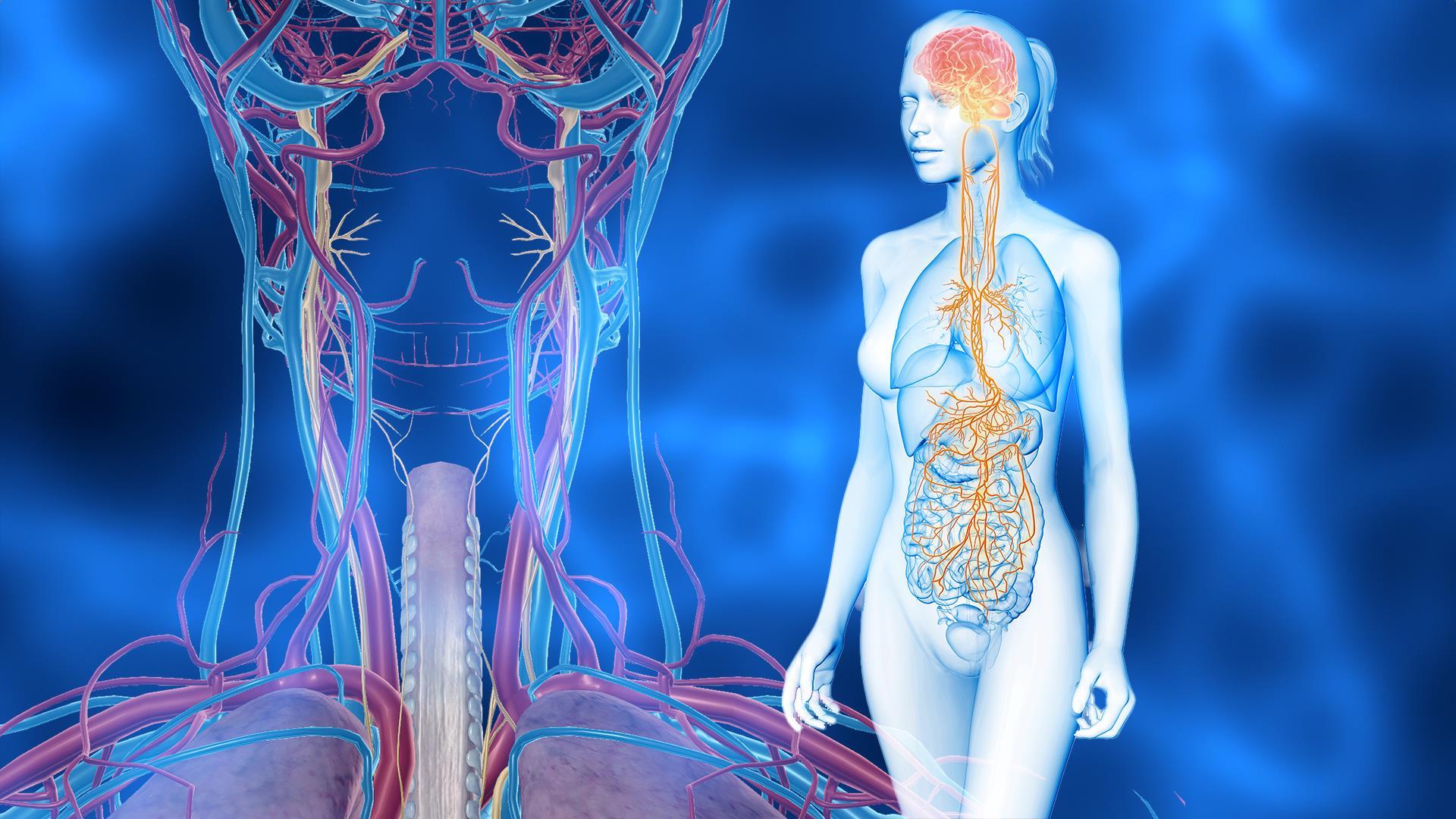
What Is Nerve Health?
-
Smooth communication between brain and body
-
Normal sensation and movement
-
No tingling or numbness
-
Strong reflexes and coordination
-
Proper muscle function
Why Nerve Health Is Important
-
Control muscle movement
-
Regulate heart rate and breathing
-
Process pain and sensation
-
Maintain balance and coordination
-
Support cognitive function and memory
Common Nerve Problems
1. Neuropathy
2. Sciatica
3. Peripheral Nerve Damage
4. Carpal Tunnel Syndrome
5. Nerve Inflammation
Causes of Poor Nerve Health
1. Poor Nutrition
2. Chronic Stress
3. Diabetes
4. Injuries
5. Poor Lifestyle Habits
Symptoms of Weak Nerve Health
-
Tingling or “pins and needles” sensation
-
Numbness in hands or feet
-
Burning pain
-
Muscle weakness
-
Poor coordination
-
Sensitivity to touch
How the Nervous System Works
1. Brain
2. Spinal Cord
3. Peripheral Nerves
Role of Nutrition in Nerve Health
-
Improve nerve signal transmission
-
Support nerve repair
-
Reduce inflammation
-
Strengthen nerve protection
Foods That Support Nerve Health
-
Leafy green vegetables
-
Nuts and seeds
-
Whole grains
-
Eggs
-
Fish rich in omega-3
-
Fruits like bananas and berries
Foods That May Harm Nerve Health
-
Processed foods
-
High-sugar items
-
Excess alcohol
-
Fried foods
-
Artificial additives
Importance of Vitamins for Nerve Health
Vitamin B Complex
Vitamin D
Vitamin E
Magnesium
Exercise and Nerve Health
-
Improve blood flow to nerves
-
Reduce inflammation
-
Strengthen muscles
-
Enhance nerve repair
Best exercises for nerve health:
-
Walking
-
Yoga
-
Stretching
-
Light strength training
Stress and Nerve Health Connection
-
Disrupt nerve signals
-
Increase inflammation
-
Cause muscle tension
-
Lead to fatigue
Importance of Sleep for Nerve Health
-
Nerves repair themselves
-
Brain processes signals
-
Inflammation reduces
-
Energy is restored
Hydration and Nerve Health
-
Improve nerve signal transmission
-
Maintain electrolyte balance
-
Support brain function
-
Reduce fatigue
Lifestyle Habits for Strong Nerve Health
1. Stay Active Daily
2. Avoid Smoking and Alcohol
3. Maintain Healthy Weight
4. Manage Stress
Nerve Health and Aging
-
Slower nerve response
-
Reduced sensation
-
Muscle weakness
-
Balance issues
Mental Health and Nerve Health Connection
-
Disrupt nerve communication
-
Increase physical pain
-
Affect concentration
Preventive Care for Nerve Health
-
Regular exercise
-
Balanced diet
-
Proper sleep
-
Routine health checkups
-
Stress management
Daily Routine for Better Nerve Health
Morning
-
Hydration
-
Light exercise
-
Healthy breakfast
Afternoon
-
Balanced meals
-
Short walks
-
Stress control
Evening
-
Relaxation
-
Stretching
-
Proper sleep preparation
Long-Term Benefits of Good Nerve Health
-
Better movement and coordination
-
Reduced pain and discomfort
-
Improved mental clarity
-
Stronger muscles
-
Better quality of life
Final Thoughts
Категории
Больше
Metamolecule provides high-quality research chemicals intended strictly for laboratory and scientific use by qualified professionals. All information on this website is for educational purposes only and does not replace medical advice. Products are not for human consumption and are not evaluated by the FDA to diagnose, treat, cure, or prevent any disease. https://metamolecule.com/

"Packaged Currants Market Summary: According to the latest report published by Data Bridge Market Research, the Packaged Currants Market The global packaged currants market size was valued at USD 1.69 billion in 2025 and is expected to reach USD 2.70 billion by 2033, at a CAGR of 6.0% during the forecast period The Packaged Currants Marketdocument...

The journey toward securing a home is often guided by the specific financial standards set by major lending institutions. For most potential buyers, a solid understanding of conventional mortgage requirements serves as the primary roadmap for their purchase. These loans are not directly insured by the federal government, which means private lenders bear the risk and, in turn, set strict...

The market research for the global Intelligent Completion market is an accumulation of first-hand facts and quantitative and qualitative evaluation and analysis for the forecast period (2024-2032). The report offers a comprehensive assessment of macro-economic indicators, parent market trends, and several factors influencing the market dynamics. In addition, it also assesses the...

Polaris Market Research has introduced the latest market research report titled Biomethane Market Size, Share, Trends, Industry Analysis Report: By Production Technology (Anaerobic Digestion and Gasification), Application, Feedstock, and Region (North America, Europe, Asia Pacific, Latin America, and Middle East & Africa) – Market Forecast, 2025–2034 that highlights...
