Cost Comparison: How Waterless Car Wash Saves 100 Litres of Water
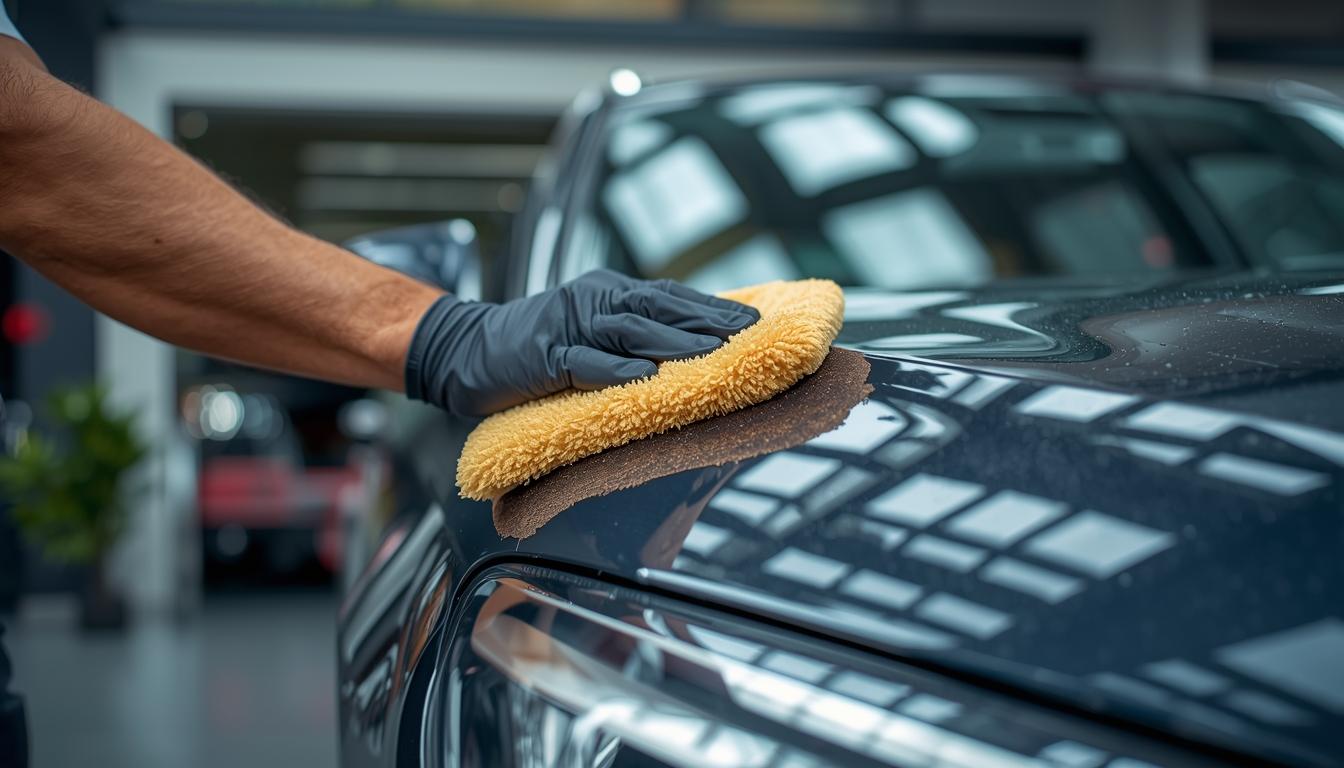
Keeping your car clean is essential, but traditional washing methods often waste a huge amount of water. In a city like Delhi, where water conservation is becoming critical, switching to smarter alternatives is no longer optional. If you regularly opt for a car wash in Delhi, understanding the cost and environmental impact of your choice can help you make a better decision.
This blog explains how waterless car wash works, compares costs, and shows how it can save up to 100 litres of water per wash.
What is a Waterless Car Wash?
A waterless car wash is a modern cleaning method that uses special spray solutions instead of large quantities of water. These solutions are designed to lift dirt, dust, and grime from the surface without damaging the paint.
How it works:
- A cleaning solution is sprayed on the car surface
- Dirt particles are encapsulated and lifted
- Microfiber cloth is used to wipe clean
As a result, the car looks polished without any water runoff.
How Much Water Does a Traditional Car Wash Use?
Traditional car washing methods use excessive water, especially when hoses are involved.
Average water usage:
- Bucket wash: 40–60 litres
- Hose wash: 100–150 litres
- Pressure wash: 60–100 litres
This means every time you wash your car the conventional way, you could be wasting up to 100 litres of water or more.
Waterless Car Wash vs Traditional Car Wash
Comparison Table:
| Feature | Traditional Car Wash | Waterless Car Wash |
|---|---|---|
| Water Usage | 60–150 litres | 0–1 litre |
| Cost per Wash | ₹200–₹500 | ₹250–₹600 |
| Time Required | 30–45 mins | 20–30 mins |
| Eco-Friendly | No | Yes |
| Convenience | Medium | High (doorstep service) |
Although the cost may seem slightly higher, the long-term benefits outweigh the difference.
Cost Comparison: Is Waterless Car Wash Worth It?
At first glance, waterless car wash might look slightly expensive. However, when you consider hidden costs, the picture changes.
Hidden costs in traditional washing:
- Water bills
- Time and travel
- Paint damage due to harsh washing
- Environmental impact
Benefits of waterless washing:
- Saves up to 100 litres of water per wash
- Reduces long-term maintenance cost
- Protects car paint with gentle cleaning
- Offers doorstep convenience
Therefore, even if the upfront cost is a bit higher, the overall value is significantly better.
Environmental Benefits You Should Know
Delhi faces serious water scarcity issues, making sustainable practices more important than ever.
Why waterless washing matters:
- Conserves water resources
- Prevents chemical runoff into drains
- Supports eco-friendly living
- Reduces carbon footprint
Switching to this method contributes directly to a cleaner and greener environment.
Why More People Are Choosing Waterless Car Wash
The demand for eco-friendly car wash solutions is growing rapidly, especially among busy professionals.
Key reasons:
- Time-saving and convenient
- No need to visit a service center
- Safe for all car surfaces
- Ideal for urban lifestyles
Additionally, with increasing awareness, people now prefer smarter alternatives over traditional methods.
Related Keywords Naturally Covered
- doorstep car wash
- eco-friendly car wash
- waterless car wash service
- car cleaning service in Delhi
These terms are commonly searched and help improve SEO visibility while maintaining natural readability.
Conclusion
Choosing a smarter cleaning method is not just about convenience—it’s about responsibility. A waterless car wash not only saves up to 100 litres of water per wash but also protects your vehicle and the environment.
If you are looking for a better car wash in Delhi, switching to a waterless solution is a practical and future-ready choice.
Nach Verein filtern
Read More
A lot of websites keep posting articles regularly and still wonder why traffic barely moves afterward. Usually the issue comes from weak authority signals rather than content alone because search engines still rely heavily on outside trust indicators while ranking competitive websites today. A page may look useful and updated, although rankings often stay weak when almost nobody relevant links...

IPL 2026 Brings Unforgettable Cricket Action and Entertainment for Fans Worldwide The excitement of IPL 2026 continues to grow stronger with every passing match as cricket fans around the world enjoy another incredible season filled with unforgettable performances and thrilling moments. Every game in the tournament delivers fresh excitement, intense rivalries, and nonstop entertainment that...

CustomizedHomeGoods have become increasingly popular among modern families because they combine beauty, functionality, and personal meaning. In today’s world, people want homes that feel comfortable and unique rather than filled with ordinary mass-produced products. Personalized gift for blanton’s bourbon lover goods allow families to create living spaces that reflect their...

Privacy Priority in VPN Use In a recent exploration of VPN usage patterns among our readership, privacy concerns emerged as the dominant motivation, challenging the common assumption that streaming access drives VPN adoption. Our May survey revealed compelling insights into how readers interact with virtual private network technology. Among the 73% of respondents who reported regular VPN use,...
nohuwin – Tại Sao Tốc Độ Truy Cập App Là Chìa Khóa Chiến Thắng? Bạn đã bao giờ rơi vào tình huống đang vào cầu tại nohuwin thì mạng lag, dẫn đến kết quả không như ý? Trong các trò chơi có nhịp độ nhanh như Tài xỉu, Bắn cá, mỗi giây đều là vàng. Đó là...