A Comprehensive Briefing on Conventional Home Finance

Securing a home in today's dynamic real estate environment requires a solid grasp of how private lending institutions evaluate potential borrowers. While government programs exist for specific demographics, most people navigating the open market will find themselves aligning with conventional mortgage requirements to secure their property. These loans are not insured by the federal government, meaning the lender takes on the risk directly or sells the debt to entities like Fannie Mae. This independence from government backing often results in more rigorous standards for credit and assets, but it also offers higher loan limits and more flexible property types for those who meet the necessary criteria.
The Foundation of Eligibility
The primary hurdle for any applicant is proving a baseline of financial stability. Lenders focus on a multi-pillar approach to risk assessment, ensuring that the borrower has both the historical tendency to pay debts and the current cash flow to support a new obligation. This involves a deep look at your lifestyle and spending habits over several years. Unlike simpler forms of credit, a mortgage is a decades-long commitment, so the scrutiny is appropriately intense.
Standard Qualification Benchmarks
-
A minimum credit score of 620 is typically the floor for consideration.
-
Total monthly debt payments should generally not exceed 45% of gross monthly income.
-
Proof of consistent income through the same employer or industry for at least 24 months.
-
Documented legal residency and valid social security identification.
Alternative Financing and Low-Equity Entry
Many prospective buyers assume that they must have a massive cash reserve to even begin the application process. However, the market has evolved to include several paths for those who have strong income but lower liquid savings. Exploring no down payment home loans is a crucial step for those in specific circumstances, such as active-duty military or those purchasing in designated rural development zones. While these are technically separate from the "conventional" label, they represent important tools in the homebuyer's arsenal. For those sticking to the conventional path, specialized "HomeReady" or "Home Possible" programs can allow for down payments as low as three percent.
Evaluating the Upfront Financial Commitment
Deciding how to allocate your savings is one of the most significant choices in the buying process. When people ask how much do you need to put down on a house, they are often weighing the benefit of lower monthly costs against the risk of having all their money tied up in real estate. While the 20% down payment is the gold standard for eliminating extra monthly fees, modern lending data shows that many successful buyers prefer to keep their cash for renovations or emergencies and accept a smaller equity stake at the start.
Down Payment and PMI Comparison
|
Down Payment Percentage |
Impact on Monthly Cost |
Mortgage Insurance Status |
|
3% to 5% |
Highest Monthly Payment |
Required (PMI) |
|
10% to 15% |
Moderate Monthly Payment |
Required (PMI) at lower rates |
|
20% or more |
Lowest Monthly Payment |
Not Required |
The Technical Review and Verification Phase
Once an offer is accepted and the loan application is formally submitted, the file moves into a specialized department for final validation. To understand the safety of the lending system, one must understand what is loan underwriting in its current form. This is the process where a professional risk assessor verifies every piece of data provided. They don't just look at the numbers; they look at the validity of the sources. They will verify your employment directly with your HR department and ensure that the funds for your down payment have been in your account long enough to be considered "seasoned."
Common Underwriting Requirements
-
Verification of the home's value via a professional appraisal.
-
A title search to ensure there are no liens or legal disputes on the property.
-
Confirmation that no new major debts have been opened since the application started.
-
A final "soft pull" of the credit report right before the loan closes.
Property Type and Loan Limits
It is important to note that conventional loans are also categorized by their size. Loans that fall within the limits set by the Federal Housing Finance Agency are known as "conforming" loans. If a property is exceptionally expensive and exceeds these limits, it becomes a "Jumbo" loan, which usually carries even stricter conventional mortgage requirements and may require a higher credit score or a larger down payment. Additionally, the type of property—whether it is a single-family home, a multi-unit building, or a condominium—will influence the interest rate and the amount of documentation required for the building's insurance and HOA health.
Concluding the Transaction
The informative takeaway for any buyer should be that the process is designed to be thorough for the protection of all parties. By maintaining an organized record of your finances and staying communicative with your loan officer, you can navigate the complexities of the modern mortgage market with confidence. Knowledge is the most powerful tool you can bring to the closing table, ensuring that you walk away with a loan that fits your lifestyle and helps you build a secure financial future.
Categorie
Leggi tutto
"Executive Summary Zinc Fertilizers Market Size and Share: Global Industry Snapshot The global zinc fertilizers market size was valued at USD 4.32 billion in 2024 and is expected to reach USD 8.13 billion by 2032, at a CAGR of 8.20% during the forecast period The Zinc Fertilizers report is an ultimate solution for businesses if they want to stay ahead of...

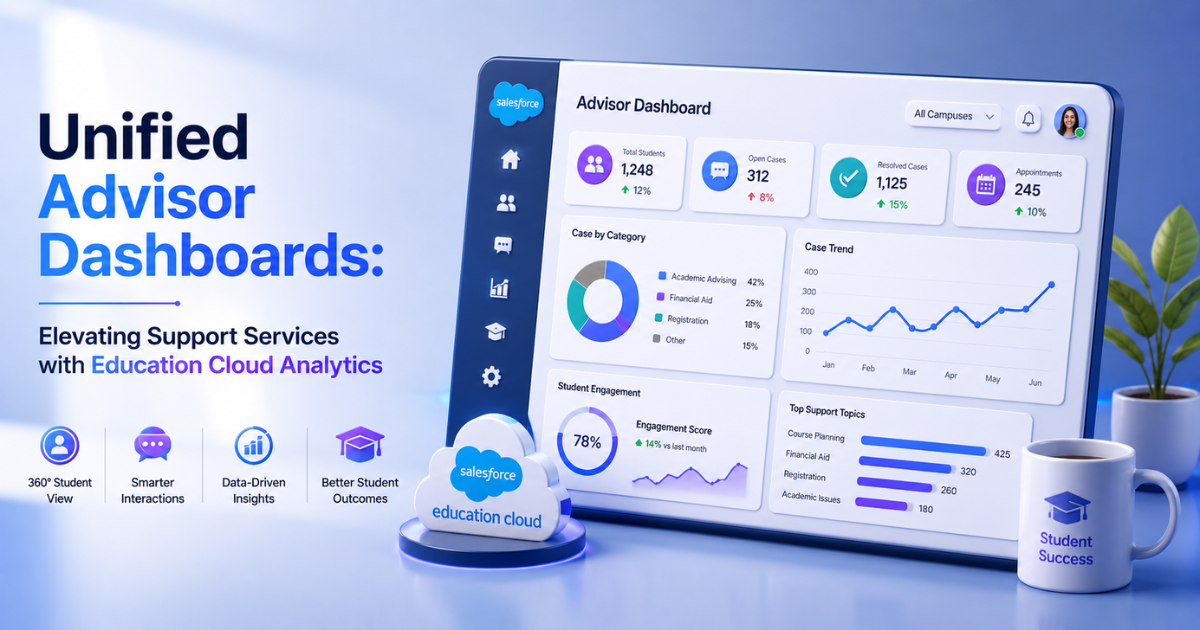
The modern higher education sector faces a major retention crisis. Students navigate complex academic environments, financial stresses, and administrative roadblocks daily. When a student struggles, the warning signs appear across multiple separate systems. The learning management system (LMS) logs a drop in assignment submissions. The campus housing portal registers lower dining hall...
Looking for something to watch on Netflix? The streaming platform's daily rankings offer a helpful guide when decision fatigue sets in during those endless scrolling sessions. These curated lists capture what's resonating with audiences right now, making it easier to discover content that might actually hold your interest. A Spanish limited series has recently entered Netflix's top 10...

Planning for the future is one of the most important steps a person can take to protect loved ones and personal assets. Whether you want to secure your family’s financial future, create a will, or prepare for unexpected life events, working with an estate planning attorney Maryland residents rely on can provide peace of mind and long-term protection. Estate planning is not only for...
If you are planning to pursue MBBS in Georgia, Caucasus University is one of the most popular choices among international students, especially from India. Known for its high-quality education, modern infrastructure, and global recognition, the university has become a preferred destination for students who want to study medicine abroad at an affordable cost. Why Choose...