Post‑Surgery Rehab Timeline: Physiotherapy Milestones and When to Expect Progress
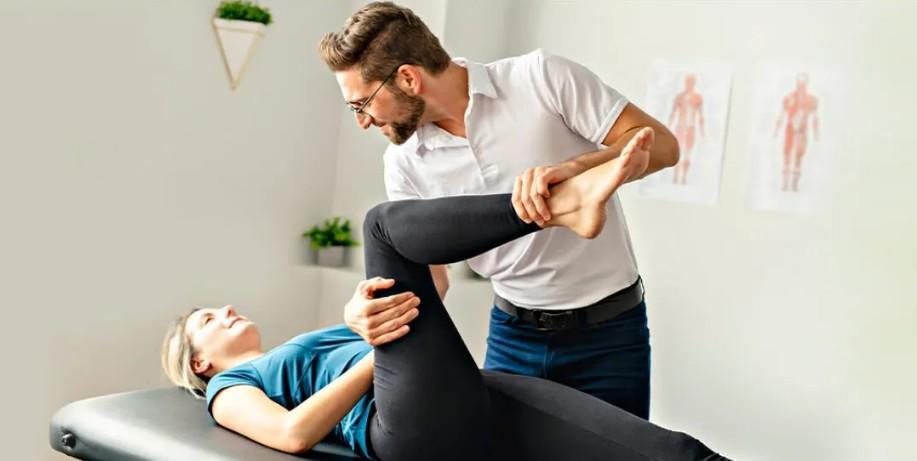
Recovering from surgery is rarely a straight path—it’s a journey that requires patience, consistency, and professional guidance. Physiotherapy plays a central role in helping patients regain mobility, strength, and confidence after an operation. Understanding the typical rehab timeline can ease anxiety and set realistic expectations for recovery. While every patient’s progress is unique, there are common milestones that mark the road back to health.
Early Recovery Phase (Weeks 1–3)
The first few weeks after surgery are focused on pain management, reducing swelling, and protecting the surgical site. During this stage, physiotherapists introduce gentle movements to prevent stiffness and encourage circulation. For example, after knee surgery, patients may begin with passive range‑of‑motion exercises guided by the therapist. This is also the time when education is crucial—patients learn how to move safely, avoid strain, and use assistive devices if needed. Clinics offering physiotherapy Burlington services often emphasize personalized care plans to match the type of surgery and individual health conditions.
Key Points in Early Recovery
-
Pain and swelling control through ice, elevation, and guided movement
-
Gentle mobility exercises to prevent stiffness
-
Breathing and circulation techniques to reduce complications
-
Education on safe movement and posture
Intermediate Phase (Weeks 4–8)
By the fourth week, patients typically notice improvements in mobility and reduced discomfort. Physiotherapy sessions become more active, focusing on rebuilding strength and endurance. Exercises may include light resistance training, balance drills, and functional movements like walking or climbing stairs. This stage is also when therapists begin addressing scar tissue, ensuring flexibility and preventing adhesions.
Key Points in Intermediate Recovery
-
Transition from passive to active exercises
-
Strengthening muscles around the surgical site
-
Improving balance and coordination
-
Gradual return to daily activities
Advanced Recovery Phase (Weeks 9–16)
As healing progresses, physiotherapy shifts toward restoring full function. Patients work on advanced strength training, endurance exercises, and sport‑specific or work‑related movements. For example, someone recovering from shoulder surgery may practice overhead lifting, while a hip replacement patient may focus on walking longer distances without support. This phase is about regaining independence and confidence.
Key Points in Advanced Recovery
-
Higher intensity strength and endurance training
-
Functional exercises tailored to lifestyle or occupation
-
Focus on flexibility and range of motion
-
Preparation for return to sports or demanding activities
Long‑Term Maintenance (Beyond 4 Months)
Even after formal physiotherapy sessions end, long‑term maintenance is essential. Patients are encouraged to continue home exercise programs, maintain healthy habits, and schedule periodic check‑ins with their physiotherapist. This ongoing care helps prevent re‑injury and supports overall wellness. Clinics specializing in physiotherapy Burlington often provide follow‑up programs to ensure patients stay on track.
Key Points in Long‑Term Maintenance
-
Continued home exercise routines
-
Lifestyle adjustments to support recovery
-
Preventive strategies to avoid future injuries
-
Periodic reassessment with a physiotherapist
Factors That Influence Recovery Timelines
It’s important to remember that recovery is not identical for everyone. Several factors can influence how quickly a patient progresses through these milestones:
-
Type of surgery: Orthopedic procedures often require longer rehab compared to minor soft‑tissue surgeries.
-
Age and overall health: Younger, healthier patients may recover faster.
-
Commitment to therapy: Consistency with exercises and appointments accelerates progress.
-
Support system: Family and community support can make recovery smoother.
Conclusion
Post‑surgery rehabilitation is a structured journey marked by clear milestones, from early pain management to long‑term maintenance. Physiotherapy provides the guidance, exercises, and encouragement patients need to move forward confidently. While timelines vary, the consistent effort and professional support offered through physiotherapy Burlington clinics ensure that recovery is not just about healing—it’s about regaining independence, strength, and quality of life.
Categories
Read More
Polaris Market Research has announced the latest report, namely Amniotic Products Market Share, Size, Trends, Industry Analysis Report, By Application (Wound Care, Orthopedics, Ophthalmology, Others); By End-Use (Hospitals & ASCs, Others); By Type; By Region; Segment Forecast, 2022 - 2030, that examines the overall market condition both now and in the future. It provides comprehensive and...

Energy Storage as a Service (ESaaS) Market: Comprehensive Overview, Growth Drivers, Key Segments, and Leading Companies The Energy Storage as a Service (ESaaS) Market is rapidly emerging as one of the most promising segments in the global clean energy ecosystem. Also known as Energy Storage As-a-Service, this innovative business model allows businesses, utilities, and...
Trong những năm gần đây, các nền tảng giải trí trực tuyến phát triển mạnh mẽ và trở thành một phần quen thuộc trong thói quen sử dụng Internet của nhiều người. Trong số đó, 789P được biết đến như một hệ thống giải trí đa dạng, mang đến nhiều lựa chọn khác nhau cho người dùng. Từ các trò chơi mang...
Navigating the world of sexual health can often feel overwhelming, especially when you are looking for reliable and STD Test Dubai in a fast-paced city like Dubai. Taking care of your health is a sign of strength and responsibility, and in 2026, the city offers more accessible ways than ever to ensure you stay on top of your well-being. Whether you are a long-term resident or new to the...

Royal Family Enjoys Private Tour of New 'Harry Potter' HBO Series Set Prince William and Kate Middleton, along with their children Prince George, Princess Charlotte, and Prince Louis, were granted exclusive access to the set of HBO's upcoming "Harry Potter" television adaptation this week. The royal family initially toured the Hogsmeade station set, which has been constructed in Windsor Great...