Future Outlook: What’s Next for the Japan Cloud Computing Market?

A Market in Strategic Transition
For decades, Japan's enterprise IT landscape was dominated by on-premise systems and custom-built software. However, a profound transformation is underway, catapulting the nation's cloud adoption into a phase of rapid growth. The Japan Cloud Computing Market is now one of the largest and fastest-growing in the Asia-Pacific region. This acceleration is driven by a national sense of urgency to overcome the "2025 Digital Cliff"—a government warning about the economic risks of maintaining aging legacy IT systems. Japanese businesses, from global automotive giants to retail chains, are now aggressively pursuing cloud migration as a core strategy to enhance business agility, foster innovation, improve disaster recovery capabilities, and address a shrinking workforce. The cloud is no longer a peripheral technology but a central pillar of Japan's economic revitalization and digital transformation efforts.
Drivers: Digital Transformation (DX) and Government Support
The primary catalyst for Japan's cloud boom is the nationwide focus on Digital Transformation (DX). This concept is being championed by both the government and corporate leadership as essential for global competitiveness. Cloud computing is recognized as the foundational technology that enables DX, providing the flexibility and scalability needed for new initiatives in data analytics, AI, and IoT. The Japanese government is actively promoting this shift through policies and the establishment of the Digital Agency, which aims to modernize public services by moving them to the cloud. Furthermore, demographic challenges, including an aging population and a declining workforce, are pushing companies to adopt cloud-based automation and productivity tools to do more with less. The frequent occurrence of natural disasters like earthquakes and typhoons also makes the cloud's inherent data redundancy and disaster recovery capabilities a compelling business case.
Market Segmentation: SaaS Dominance and Hybrid Cloud Preference
The Japanese cloud market shows a strong preference for certain service and deployment models. Software as a Service (SaaS) currently holds the largest market share, as businesses readily adopt cloud-based applications for communication, collaboration (e.g., web conferencing), and business process management to improve employee productivity. Infrastructure as a Service (IaaS) and Platform as a Service (PaaS) are also experiencing strong growth as more companies undertake complex "lift-and-shift" migrations of their core systems and begin developing cloud-native applications. In terms of deployment, the hybrid cloud model is extremely popular. Many traditional Japanese enterprises favor a cautious, phased approach, using a hybrid strategy to maintain sensitive data on-premise or in a private cloud while leveraging the public cloud's scalability for new services or to handle peak demand, offering a comfortable bridge between the old and the new.
Competitive Dynamics: A Three-Way Race
The competitive landscape in Japan is fiercely contested, primarily between the global hyperscalers and strong domestic IT service providers. The top three public cloud providers are Amazon Web Services (AWS), Microsoft Azure, and Google Cloud Platform (GCP), who have all invested billions in building multiple data center regions across Japan (in Tokyo and Osaka) to cater to customer demands for low latency and data residency. They compete intensely for large enterprise contracts. However, established Japanese IT giants like Fujitsu, NEC, and NTT Communications also play a significant role. These companies have deep, long-standing relationships with Japanese corporations and act as managed service providers and system integrators, often helping their clients navigate the complexities of migrating to the public clouds of AWS or Azure, or offering their own private and hybrid cloud solutions.
Future Outlook: Generative AI, Security, and Modernization
Looking forward, the Japanese cloud computing market is set for continued evolution driven by advanced technologies. The recent explosion of interest in generative AI is a massive new catalyst, with cloud platforms providing the immense computational power required to train and run these large language models. Japanese companies are eager to leverage AI for everything from customer service to R&D, and this will drive significant consumption of IaaS and PaaS. Security will remain a paramount concern, pushing the adoption of advanced cloud security solutions and zero-trust architectures. The overarching theme will continue to be the modernization of legacy systems. The journey to exit the "2025 Digital Cliff" is a multi-year effort, ensuring a sustained, long-term demand for cloud migration services, cloud-native development, and the full spectrum of cloud computing capabilities.
Categorias
Leia Mais
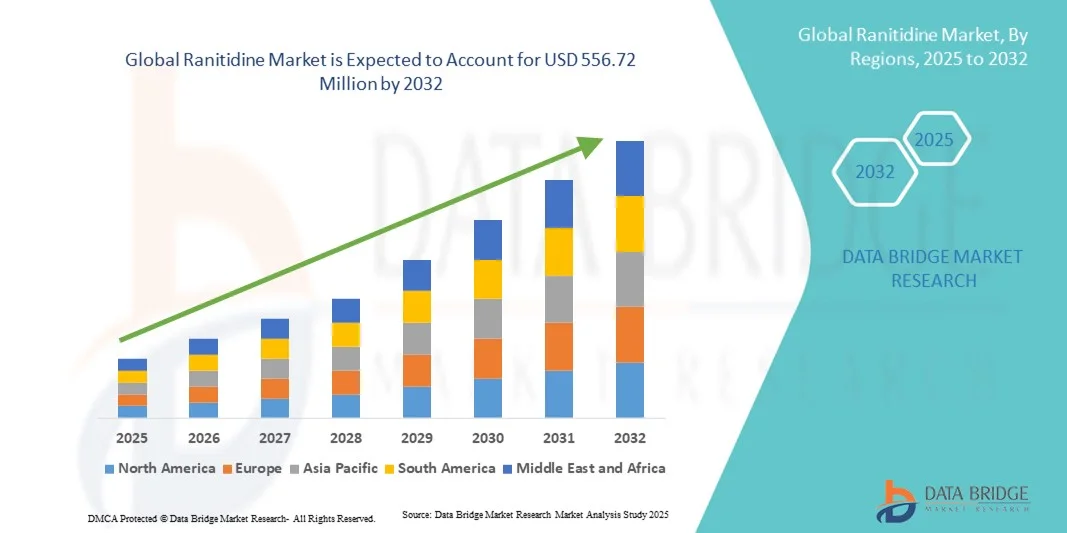
According to the latest report published by Data Bridge Market Research, the Ranitidine Market The global ranitidine market size was valued at USD 453.37 million in 2024 and is expected to reach USD 556.72 million by 2032, at a CAGR of 2.60% during the forecast period. DBMR team is focused on understanding client’s business and their needs so that...
Efficient cooling solutions designed for Ajman homes and commercial spaces providing long-term comfort and reliability with O General ac ajman services offered by Ogeneralacuae.com experienced HVAC professionals.

The Aircraft Full Authority Digital Electronic Control (FADEC) market focuses on advanced engine control systems used in aircraft to manage engine performance, efficiency, and safety through fully automated digital controls. FADEC systems play a critical role in modern aviation by optimizing fuel consumption, improving engine reliability, reducing pilot workload, and ensuring...

Polaris Market Research has introduced a new market research report entitled Xylitol Market Share, Size, Trends, Industry Analysis Report, By Form (Liquid and Powder); By Application; By Region; Segment Forecast, 2024 - 2032, which acts as a reliable resource for analyzing historic and forecast measures, development structure, and key dynamics and their impact. The report is a beneficial...

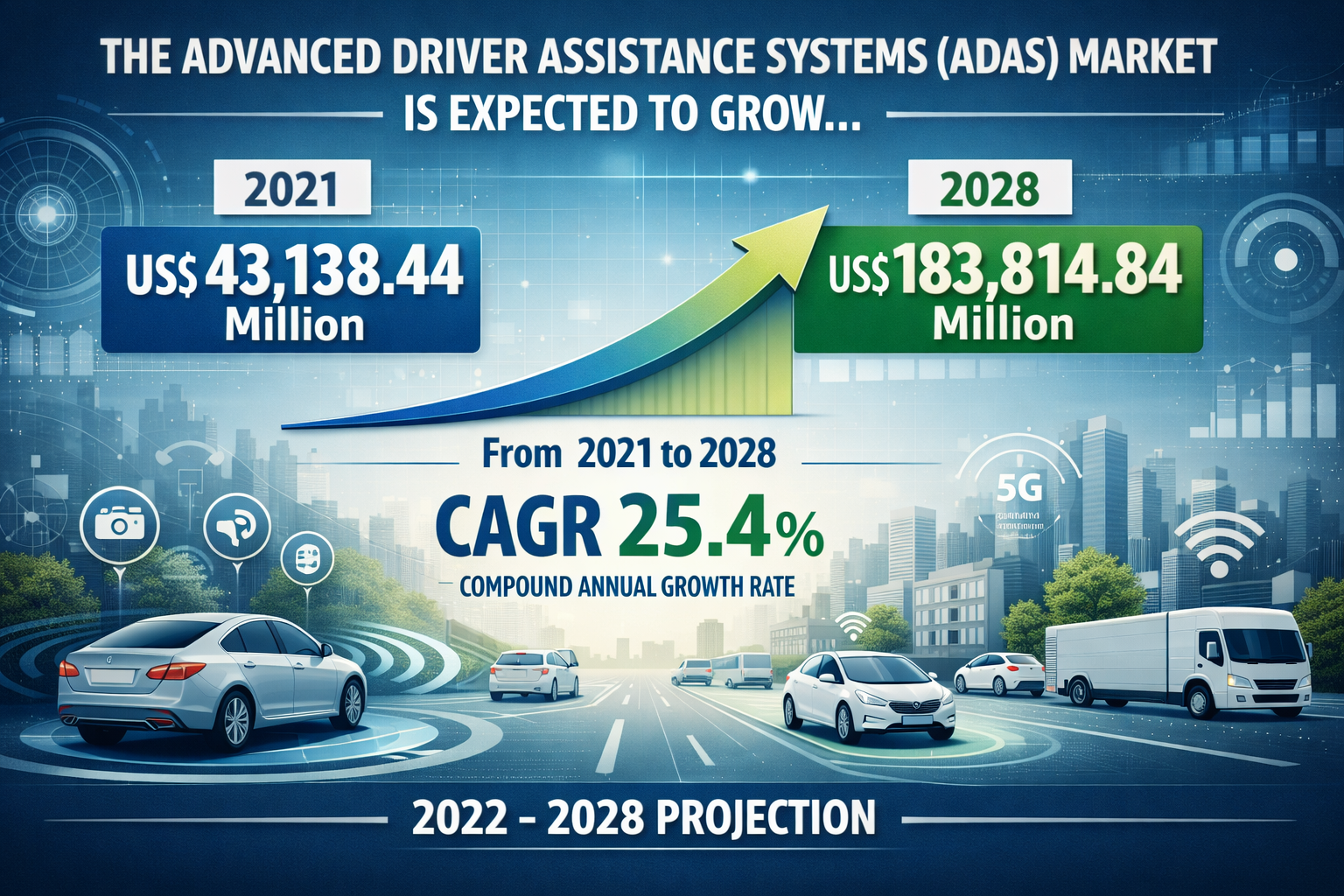
The global automotive industry is witnessing a paradigm shift as safety becomes the ultimate priority for manufacturers and consumers alike. The integration of intelligent systems that can perceive, think, and act on behalf of the driver is no longer a futuristic concept but a present day reality. According to comprehensive industry data, The Advanced Driver Assistance Systems (ADAS) market is...