Child Safety Tips at Home: How to Protect Kids from Everyday Risks

Child Safety Tips at Home: How to Protect Kids from Everyday Risks
Children are naturally curious and love to explore their surroundings, which can sometimes put them at risk of accidents. Most injuries happen at home due to small hazards that are often overlooked. Understanding proper child safety measures can help parents create a secure environment and protect their kids from everyday dangers.
Taking simple precautions can significantly reduce the risk of accidents and ensure a safe home for children.
Why Child Safety Is Important
Child safety is essential for protecting young children from injuries and harmful situations.
Prevents Accidents
Safety measures reduce the chances of falls, burns, and other injuries.
Protects Health
A safe environment helps prevent exposure to harmful substances.
Builds Safe Habits
Children learn safety awareness from an early age.
Gives Peace of Mind
Parents feel more relaxed knowing their children are safe.
Common Risks for Children at Home
Children can face many hazards at home, including:
- Sharp objects like knives or scissors
- Electrical outlets and wires
- Slippery floors and stairs
- Hot surfaces in the kitchen
- Small objects that can cause choking
Identifying these risks is the first step toward prevention.
Essential Child Safety Tips
1. Childproof Your Home
Install safety locks on cabinets, cover electrical outlets, and secure heavy furniture.
2. Keep Dangerous Items Out of Reach
Store chemicals, medicines, and sharp objects in locked cabinets.
3. Supervise Children at All Times
Always keep an eye on young children, especially in risky areas like kitchens and bathrooms.
4. Use Safety Gates
Install gates on stairs to prevent falls.
5. Ensure Safe Sleeping Areas
Use proper beds or cribs and avoid placing small objects near sleeping areas.
6. Teach Basic Safety Rules
Educate children about simple safety practices like not touching hot objects or sharp tools.
Safety Tips for Different Areas of the Home
Kitchen Safety
- Keep hot items away from children
- Turn pot handles inward
- Avoid leaving cooking unattended
Bathroom Safety
- Use non-slip mats
- Keep medicines locked
- Never leave children alone near water
Living Room Safety
- Secure furniture to walls
- Avoid clutter on floors
- Keep cords out of reach
Emergency Preparedness for Children
Parents should be prepared for emergencies involving children.
- Keep a first aid kit ready
- Save emergency contact numbers
- Teach children how to call for help
- Learn basic first aid and CPR
Importance of Awareness and Education
Educating both parents and children about safety reduces risks and prevents accidents. Awareness helps families create a safer environment for kids.
Conclusion
Ensuring proper child safety at home is essential to protect kids from everyday risks. By childproofing your home, supervising children, and teaching safety rules, you can create a secure environment. Small steps today can prevent serious accidents in the future.
Kategoriler
Read More
In today’s fast-moving world, maintaining strong mental performance has become more important than ever. Many people struggle with issues such as forgetfulness, difficulty concentrating, mental fatigue, and reduced clarity. These challenges can arise from multiple factors including stress, busy schedules, aging, lack of sleep, and constant digital distractions. Because of these...

The global shift toward clean and sustainable energy has led to rapid growth in hydrogen technology. One of the most important parts of this ecosystem is Hydrogen fueling Station Companies, which are responsible for building, operating, and maintaining hydrogen refueling infrastructure for fuel cell vehicles. These companies play a critical role in reducing carbon emissions and supporting the...

For meetings, conferences, and staff training, businesses need reliable technology solutions. iPad Hire Dubai provides fully configured iPad devices with fast delivery, on-site support, and flexible iPad rental plans. Contact Techno Edge Systems LLC at +971-54-4653108 today. Visit Us: https://www.ipadrentaldubai.com/

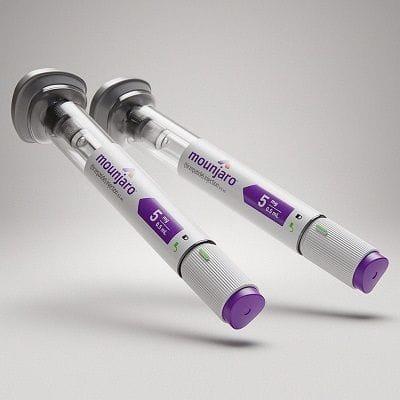
Living with type 2 diabetes requires a multifaceted approach that combines lifestyle changes with advanced medical solutions. In a fast-paced city like Dubai, where health and wellness are prioritized, the introduction of Mounjaro injection in Dubai for type 2 diabetes Dubai has transformed how residents manage their glucose levels. This medication represents a significant shift in metabolic...
The global aerial firefighting market is poised for significant growth over the next decade, expanding from approximately USD 1.2 billion in 2026 to nearly USD 2.1 billion by 2036, registering a CAGR of 5.7%, according to insights from Future Market Insights (FMI). Market expansion is being fueled by the increasing frequency and intensity of wildfires across regions such as North America,...