


What Doctors Wish Patients Knew Before Laser Vision Correction

Laser vision correction has become one of the most talked-about solutions for reducing dependence on glasses and contact lenses. With quick procedures and fast recovery times, it’s easy to see why many people consider it a convenient option. However, eye doctors often notice that patients come in with expectations that don’t always match reality. Understanding what professionals wish patients knew beforehand can make the entire experience smoother and more satisfying.
It’s Not Just About Wanting Better Vision
Many people assume that wanting clear vision is enough to qualify for laser vision correction. While motivation is important, candidacy depends on several medical factors.
Doctors typically evaluate:
-
Stability of your vision over time
-
Overall eye health and corneal thickness
-
Presence of conditions like dry eyes or infections
This means not everyone is immediately eligible. A proper assessment ensures that the procedure is both safe and effective for your specific situation.
Results Are Impressive But Not Always “Perfect”
One of the biggest misconceptions is expecting flawless, 20/20 vision in every case. While many patients achieve excellent results, outcomes can vary.
Doctors want patients to understand:
-
Vision improvement is highly likely, but perfection isn’t guaranteed
-
Some people may still need glasses for specific tasks
-
Minor visual effects like halos or glare can occur temporarily
Having realistic expectations helps avoid disappointment and leads to greater satisfaction with the results.
The Procedure Is Quick, but Preparation Matters
The procedure itself is usually completed within minutes, which can make it seem simple. However, preparation plays a crucial role in the overall success.
Before the procedure, patients may need to:
-
Stop wearing contact lenses for a certain period
-
Undergo detailed eye measurements and scans
-
Follow specific pre-procedure instructions
These steps ensure accuracy and reduce the risk of complications.
Recovery Is Fast—But Not Instant
Many people expect to wake up the next day with perfect vision. While improvement can happen quickly, full recovery takes time.
Doctors often emphasize:
-
Vision may fluctuate during the first few days or weeks
-
Dryness and mild discomfort are common initially
-
Follow-up appointments are essential for monitoring progress
-
Patience during the healing phase is important for achieving the best outcome.
Aftercare Is Just as Important as the Procedure
Some patients focus only on the surgery itself and underestimate the importance of aftercare. In reality, what you do after the procedure can significantly impact results.
Post-procedure care usually includes:
-
Using prescribed eye drops regularly
-
Avoiding rubbing your eyes
-
Protecting your eyes from dust, water, and bright light
Following these instructions carefully helps prevent complications and supports proper healing.
Technology Is Advanced, but Experience Still Matters
Modern laser technology has made vision correction more precise than ever. However, the expertise of the doctor remains a key factor.
Patients should consider:
-
The experience and qualifications of the surgeon
-
The type of technology being used
-
The clinic’s approach to evaluation and follow-up care
A well-equipped facility combined with skilled professionals can make a noticeable difference in both safety and results.
It’s a Lifestyle Decision, Not Just a Medical One
Laser vision correction is often seen purely as a medical procedure, but doctors view it as a lifestyle choice as well. The decision should align with your daily needs and long-term goals.
Factors to think about include:
-
Your level of dependence on glasses or contacts
-
Your work and recreational activities
-
Your expectations from the procedure
-
When the decision is based on both medical advice and personal needs, the outcome tends to be more satisfying.
Cost Should Be Viewed Long-Term
The upfront cost can feel significant, which sometimes makes patients hesitant. However, doctors often encourage looking at the bigger picture.
Over time, expenses related to:
-
Glasses and replacements
-
Contact lenses and solutions
-
Regular eye checkups
can add up. For many, laser vision correction becomes a long-term investment rather than just an immediate cost.
Not Everyone Needs It—and That’s Okay
One important thing doctors want patients to understand is that laser vision correction is optional. It’s not something everyone must undergo.
Some people may:
-
Be comfortable using glasses or contacts
-
Not meet the medical criteria
-
Prefer to wait or explore other options
Making an informed choice is more important than following a trend.
Final Thoughts
Laser vision correction can be a life-changing step, but it’s most successful when patients are well-informed. Doctors don’t just focus on the procedure—they focus on ensuring that patients understand every stage, from evaluation to recovery.
By knowing what to expect, setting realistic goals, and following professional guidance, patients can approach the process with confidence. In the end, the goal isn’t just clearer vision—it’s a better overall experience with lasting results.
Catégories
Lire la suite
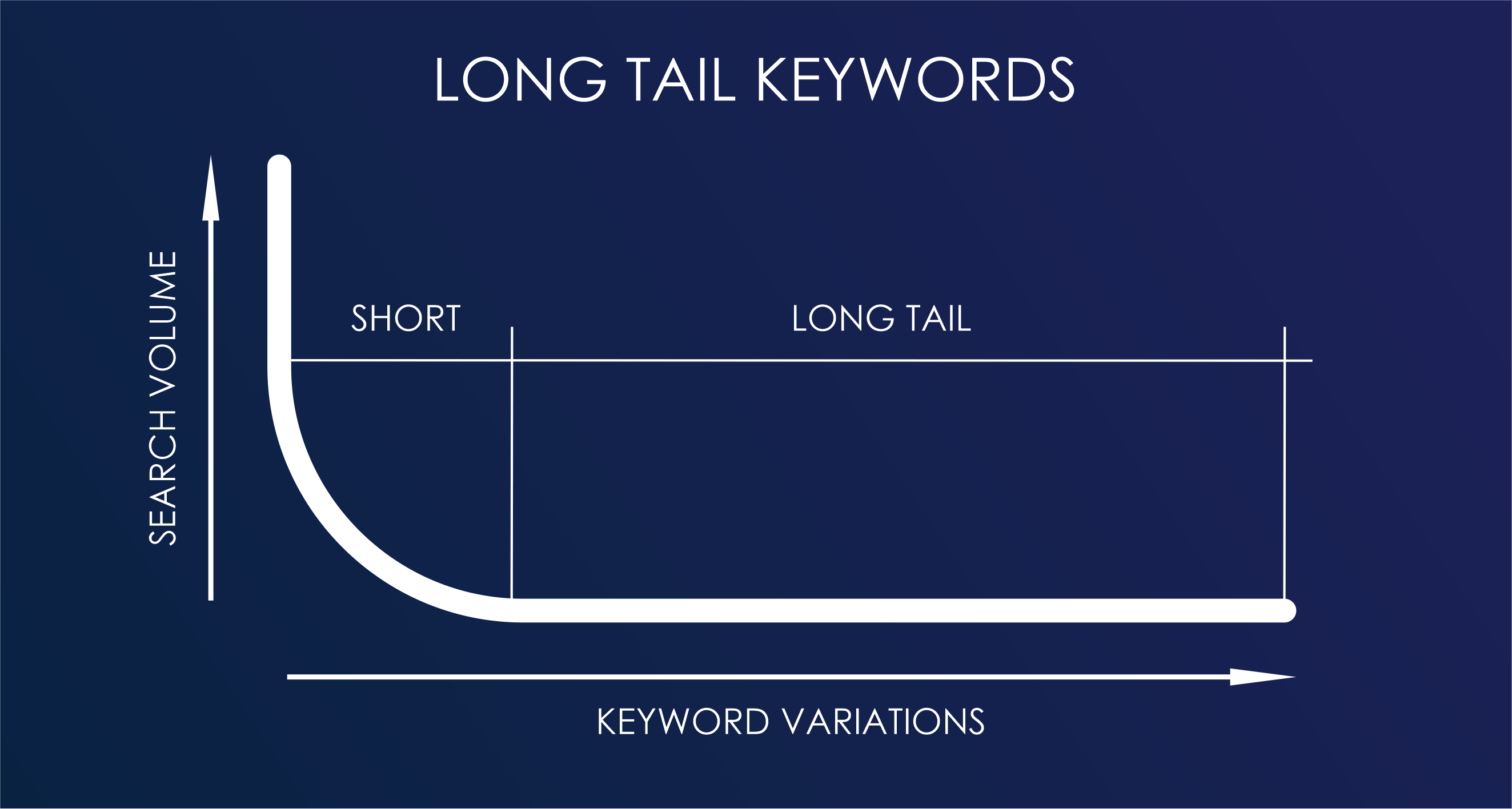
A Long-tail keyword strategy report focuses on targeting specific, low-competition search phrases that attract highly relevant traffic. These keywords improve rankings, increase conversions, and are essential for modern SEO content strategy and long-tail keywords SEO success. Introduction In today’s competitive digital landscape, ranking for broad keywords is becoming increasingly...
" Hi-Fi System Market Summary: According to the latest report published by Data Bridge Market Research, the Hi-Fi System Market The global Hi-Fi system market size was valued at USD 18.11 billion in 2025 and is expected to reach USD 28.88 billion by 2033, at a CAGR of 6.01% during the forecast period Credible Hi-Fi System Market business report...

The global crimping tools market is witnessing steady expansion, driven by rapid industrialization, infrastructure development, and rising demand for reliable electrical connectivity solutions across multiple end-use industries. Valued at approximately US$ 2.9 Bn in 2022, the market is projected to reach US$ 4.8 Bn by 2031, growing at a CAGR of 5.5% from 2023 to 2031. This growth trajectory...

Dubai Escort Agency are unique and will provide you with an unforgettable experience. These beautiful girls are a pleasure to watch with their exceptional skills and dazzling beauty. They are passionate about making your wildest dreams come true in the most enticing way. They can plan everything for you, from romantic dates to a vibrant nightlife. The elegant and beautiful Dubai Call Girls will...

Viele Pokémon-Fans streben danach, ihre Sammlung mit einzigartigen und besonderen Karten zu erweitern. Für einige Sammlerinnen und Sammler steht dabei die persönliche Bedeutung einer Karte im Vordergrund, unabhängig vom offiziellen Wert. Ein beeindruckendes Beispiel ist ein Fan, der unter dem Namen „Kabuto King“ bekannt ist. Sein Ziel ist es, alle...