Water Leak Detection: Stopping Costly Damage Before It Starts
Why Water Damage Is the Most Expensive Hidden Risk
Water damage consistently ranks among the most expensive incidents that can affect a rental property, often producing repair bills that exceed even significant fire or vandalism events. The reason is that water damage frequently develops invisibly. A small leak in a supply line, a dishwasher seal failure, a slow drip from an HVAC condensate line, or a hairline crack in a pipe behind a wall can release thousands of gallons of water gradually before any visible symptom appears. By the time staining, swelling, or sagging makes the issue apparent, the underlying damage has typically extended into framing, insulation, flooring, and adjacent rooms.
Compounding the direct repair costs are the secondary effects. Water-damaged areas are perfect environments for mold growth, which often becomes a separate remediation project on top of the original water damage. Guest bookings have to be cancelled while repairs are underway, generating refund obligations and lost revenue. Insurance deductibles and coverage limits often leave hosts absorbing significant out-of-pocket costs even when claims are accepted. Across a portfolio of any meaningful size, leak prevention represents one of the highest-impact areas for proactive risk management.
How Smart Sensors Detect Leaks Before Damage Spreads
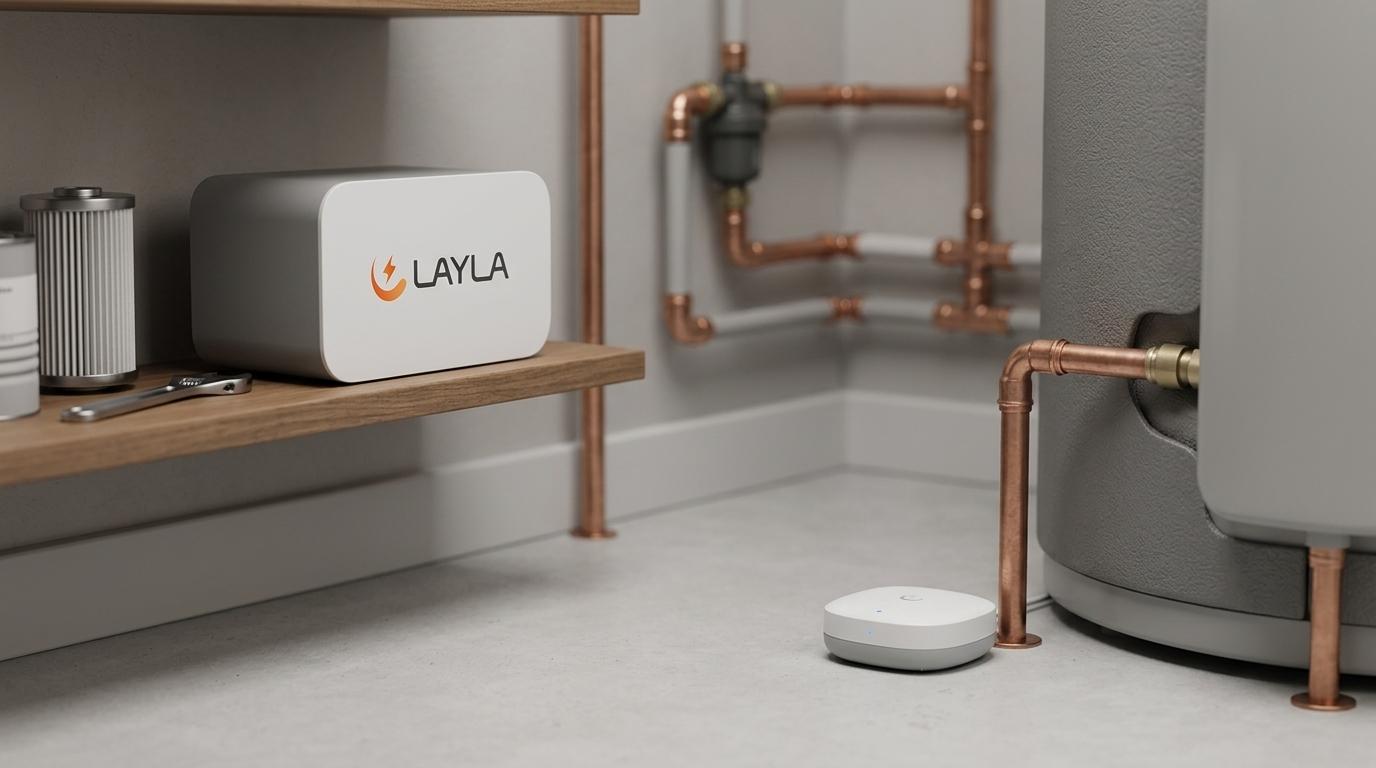
Modern smart monitoring approaches leak detection through two complementary mechanisms. Direct leak detection through dedicated water sensors placed near common leak sources provides immediate alerts when water contacts the sensor. These dedicated sensors typically deploy under sinks, near water heaters, around dishwasher and washing machine connections, and in basements where leaks would naturally pool. When water reaches the sensor, the host receives an immediate notification along with the specific sensor location.
Indirect detection through humidity monitoring provides earlier warning of slow leaks that may not have reached pooling levels yet. A consistent unexpected humidity increase in a specific room often indicates a slow leak releasing moisture into walls or under flooring before any visible water has emerged. Combining direct sensors at high-risk locations with humidity monitoring across the property creates layered detection that catches both fast incidents and slow developing problems. Layla's leak detection system supports this layered approach with both onboard humidity monitoring and an optional external water leak sensor accessory.
Common Leak Sources at Short-Term Rentals
Several leak sources appear repeatedly across short-term rentals and warrant priority sensor deployment. Water heaters fail with notable frequency, particularly older units that have not been recently inspected, releasing significant volumes of water from the tank or connections. Dishwashers and washing machines have flexible supply hoses that degrade over time and rupture suddenly, often during cycles when the appliance is not being directly observed.
Toilet supply lines and shut-off valves are common silent leak sources, sometimes producing slow drips that continue for weeks before being noticed. HVAC condensate drain lines clog and overflow during humid weather, often dripping onto whatever happens to be below the equipment. Refrigerator water lines for ice makers and water dispensers have plastic components that crack with age. Outdoor hose bibs freeze and crack in colder climates and can release water once warmer weather arrives. Each of these sources warrants either a dedicated leak sensor or careful humidity monitoring of nearby spaces.
The Math of Prevention Versus Remediation
The economics of leak prevention strongly favor proactive sensor deployment over waiting for incidents. A typical leak sensor costs less than the deductible on a single insurance claim. A complete leak detection deployment for a typical rental property usually costs under three hundred dollars including multiple sensors, installation, and the integrating monitoring system. A single significant water damage incident routinely generates direct costs in the thousands, plus secondary costs in lost bookings, mold remediation, and insurance premium increases.
Across multi-property portfolios, the leverage of prevention becomes even more compelling. The probability that any single property will experience a water incident in any given year is modest, but the probability that some property in a portfolio will experience an incident within a few years approaches certainty. Portfolio-level deployment of detection systems converts the unknown timing and severity of inevitable future incidents into manageable, contained events that generate alerts before damage extends. The financial logic mirrors fire prevention. The cost of comprehensive prevention is small relative to the avoided damages, even though most prevention deployments never produce a dramatic single rescue moment. Layla's water and humidity sensors make this preventive logic accessible to property operations of every size.
Setting Up Effective Leak Detection at Your Property
Effective leak detection deployment starts with identifying the highest-risk locations at each specific property. Walk through the property looking for water-using appliances, supply line connections, and natural water collection points like floor drains in basements. The water heater, the kitchen sink, the dishwasher, the washing machine, and each bathroom warrant dedicated leak sensor placement. Older properties with original plumbing or recent freeze events should have sensor coverage in basement and behind-wall locations where pipe failures typically manifest.
Configuration is straightforward in most cases. Place each sensor in direct contact with the floor at the lowest point near the protected source, configure the connected smart hub to deliver high-priority alerts on detection, and verify that backup contacts exist in case the primary host is unreachable. Periodic testing, ideally quarterly, confirms that all sensors are functioning and that alerts are actually being delivered. The operational overhead of maintaining a leak detection deployment is minimal once initial setup is complete, and the protection it provides extends across years of operation with very little ongoing attention required.
What to Do When a Leak Alert Arrives
Speed matters enormously when leak alerts arrive. The longer water continues flowing, the greater the damage and the harder the recovery. The first step is always to confirm the alert and then either return to the property immediately or dispatch the closest trusted contact. For hosts not located near the property, having a relationship with a local property manager or trusted contractor who can respond within thirty minutes of an alert is often the highest-value investment any out-of-area host can make.
The immediate physical response usually involves shutting off water supply at the property level, which contains the leak even before the specific source is identified. Most properties have a main water shutoff near the water meter or where supply enters the building. Knowing the location and operation of this shutoff before any incident occurs prevents the panic-driven search during an actual leak event. After containment, professional plumbing assessment and water damage remediation typically follow within hours rather than days, dramatically reducing the long-term consequences of the incident.
Long-Term Peace of Mind for Hosts
Comprehensive leak detection delivers peace of mind that extends far beyond the prevention of any specific incident. Hosts with full detection coverage operate without the background anxiety that something invisible may be developing at any moment. Out-of-area hosts in particular benefit because the monitoring eliminates the helpless feeling that often accompanies remote ownership of properties. Even hosts who actively self-manage benefit because vacation periods, business travel, and even normal weekly absences become much less stressful when continuous monitoring is in place.
Stop water damage early with Layla across your portfolio and convert one of the most expensive risks in property ownership into a managed condition rather than a constant lurking threat. The combined cost of comprehensive detection is modest, the deployment is straightforward, and the resulting reduction in both actual incidents and the worry about potential incidents transforms how it feels to operate rental properties. Many hosts describe the shift to comprehensive monitoring as one of the most meaningful improvements in their hosting experience over years of operation.
Frequently Asked Questions
Q1: Do I need a separate sensor for each potential leak source?
A: Dedicated leak sensors at high-risk locations like water heaters, dishwashers, and bathroom fixtures provide the most reliable detection. Humidity monitoring catches slower leaks elsewhere.
Q2: How fast does a leak need to be detected to prevent damage?
A: The faster the better, but even detection within an hour of leak onset typically limits damage to manageable levels compared to incidents that go undetected for days.
Q3: Will leak sensors work if my home WiFi goes out?
A: Smart sensors require WiFi for remote alerting. Some systems offer cellular backup or local alarms as fallback when internet connectivity fails.
Q4: Are leak sensors really necessary if I have insurance?
A: Yes. Insurance covers some damage costs after the fact, but deductibles, coverage limits, premium increases, and operational disruptions still leave hosts with substantial uncovered costs that prevention avoids entirely.
Q5: Can the same sensor that monitors humidity also detect leaks?
A: The main sensor monitors humidity, which catches slow leaks indirectly. Dedicated water-contact sensors as accessories provide direct detection at high-risk points.
Categorie
Leggi tutto
"Executive Summary Consumer Appliances Market: Growth Trends and Share Breakdown The global consumer appliances market size was valued at USD 398.33 billion in 2024 and is expected to reach USD 549.35 billion by 2032, at a CAGR of 4.10% during the forecast period This global Consumer Appliances Market research report is organized by collecting market research...

In today's competitive digital landscape, pitch videos have become an essential tool for startups, freelancers, marketers, and entrepreneurs. They are short, compelling videos designed to sell an idea, service, or product. While visuals capture attention, sound reinforces emotions and drives the message home. This is where YouTube to MP3 tools step in. By extracting high-quality MP3 audio from...

AviaGames’ Wonderland Wishes campaign has been named a finalist in the 2026 Shorty Awards, highlighting its impact in digital storytelling and community-driven initiatives. Built around the idea that gameplay can create real-world change, the campaign enabled Solitaire Clash players to earn over 691 million Wish Stars in five weeks, which were converted into a $136,000...
Navigating the journey from a nervous beginner to a confident, licensed driver is one of life's most exciting milestones. It's a skill that unlocks independence, opportunity, and a new world of freedom. But this journey requires the right guide—a patient, knowledgeable, and professional instructor who can instill not just the rules of the road, but a genuine sense of confidence behind the...

The Narcotics Scanner Market Size is experiencing steady growth as governments and security agencies worldwide intensify efforts to combat drug trafficking and enhance public safety. The market was valued at USD 6.23 billion in 2025E and is projected to reach USD 11.63 billion by 2033, growing at a CAGR of 8.13% during the forecast period 2026–2033. Narcotics scanners play a critical role...