Astaxanthin Market Growth Supported by Expanding Dietary Supplement Industry
Astaxanthin Extraction Technology: Advanced Methods Driving Efficiency in the Astaxanthin Market
The evolution of astaxanthin extraction technology has become a crucial factor in improving the efficiency, purity, and sustainability of astaxanthin production. As demand rises across nutraceuticals, aquaculture, cosmetics, and pharmaceuticals, extraction innovations are playing a central role in shaping the competitive landscape of the Astaxanthin Market. This high-value carotenoid, known for its strong antioxidant properties, requires efficient recovery methods from natural sources such as microalgae, yeast, and marine by-products.
According to industry insights, the Astaxanthin Market is expanding steadily due to increasing health awareness, growing demand for natural ingredients, and advancements in bioprocessing and green extraction technologies.
Overview of Astaxanthin Extraction
Astaxanthin is primarily produced by the microalga Haematococcus pluvialis, which accumulates the pigment under stress conditions. However, extracting astaxanthin from biological cells is challenging due to its intracellular location and strong binding within lipid structures.
Traditional extraction methods often relied on organic solvents, mechanical disruption, or enzymatic treatment. While effective, these methods faced limitations such as solvent toxicity, environmental concerns, and lower efficiency. As a result, modern extraction technologies have shifted toward cleaner, greener, and more efficient alternatives.
Key Astaxanthin Extraction Technologies
- Supercritical CO₂ Extraction (SFE)
One of the most widely adopted advanced methods is supercritical carbon dioxide extraction. In this process, CO₂ is used under high pressure and temperature conditions where it behaves like both a liquid and a gas, enabling efficient penetration into biomass.
Supercritical CO₂ is considered a green solvent because it is non-toxic, non-flammable, and leaves no chemical residues. It allows selective extraction of astaxanthin while preserving its bioactivity.
Studies show that this method can achieve high recovery rates, often above 90%, under optimized pressure and temperature conditions.
Co-solvents such as ethanol are sometimes added to improve extraction efficiency, especially for polar compounds embedded in algal cells.
- Solvent Extraction Methods
Conventional solvent extraction uses organic solvents such as acetone, ethanol, or hexane to dissolve astaxanthin from disrupted cells. While this method is simple and cost-effective, it has drawbacks:
- Risk of solvent residues in final product
- Environmental and safety concerns
- Degradation of sensitive carotenoids
Despite these limitations, solvent extraction is still used at industrial scale for certain applications due to its simplicity.
- Mechanical Cell Disruption Techniques
Mechanical methods are widely used to break tough algal cell walls before extraction. These include:
- High-pressure homogenization
- Bead milling
- Ultrasonication
- Grinding and spray drying
These techniques improve extraction yield by physically breaking open cells, allowing solvents or CO₂ to access intracellular astaxanthin. However, they often require high energy input and may cause partial degradation of sensitive compounds.
- Enzyme-Assisted Extraction
Enzymatic extraction uses biological enzymes such as cellulases and proteases to degrade cell walls gently. This method is gaining attention for its eco-friendly nature and ability to preserve astaxanthin integrity.
Advantages include:
- Mild operating conditions
- Higher selectivity
- Reduced chemical usage
- Improved product quality
However, enzyme costs and longer processing times remain challenges for large-scale adoption.
- Emerging Green and Hybrid Technologies
New hybrid extraction approaches combine multiple techniques to maximize efficiency. Examples include:
- Mechanical + supercritical CO₂ systems
- Enzyme-assisted + solvent extraction
- Microwave-assisted extraction
- Ultrasonic-assisted supercritical extraction
These hybrid systems aim to improve yield while reducing energy consumption and environmental impact.
Discover the Complete Report Here:
https://www.polarismarketresearch.com/industry-analysis/astaxanthin-market
Key Players
- Algalíf Iceland ehf
- Algatechnologies Ltd.
- BASF SE
- Beijing Gingko Group
- Cyanotech Corporation
- DSM
- ENEOS Corporation
- Fuji Chemical Industry Co., Ltd.
- Parry Nutraceuticals
- Valensa International
Future Outlook
The future of astaxanthin extraction technology is strongly aligned with sustainability, automation, and process optimization. Emerging trends include:
- AI-driven optimization of extraction parameters
- Integration of biorefinery systems for multi-product recovery
- Development of low-energy continuous extraction systems
- Expansion of green solvents and solvent-free technologies
- Enhanced use of genetically optimized microalgae strains
These innovations are expected to significantly improve efficiency while reducing environmental impact, supporting long-term growth in the Astaxanthin Market.
Conclusion
Astaxanthin extraction technology is evolving rapidly, moving from conventional solvent-based methods toward advanced, sustainable, and high-efficiency systems such as supercritical CO₂ extraction and enzyme-assisted processing. These innovations are not only improving production quality and yield but are also reshaping industry standards.
As demand continues to rise across health, nutrition, and aquaculture sectors, advanced extraction technologies will remain a key driver of expansion in the Astaxanthin Market, ensuring a more sustainable and efficient future for this valuable antioxidant industry.
More Trending Latest Reports By Polaris Market Research:
Nonmydriatic Fundus Cameras Market
Rapid Medical Diagnostic Kits Market
الأقسام
إقرأ المزيد
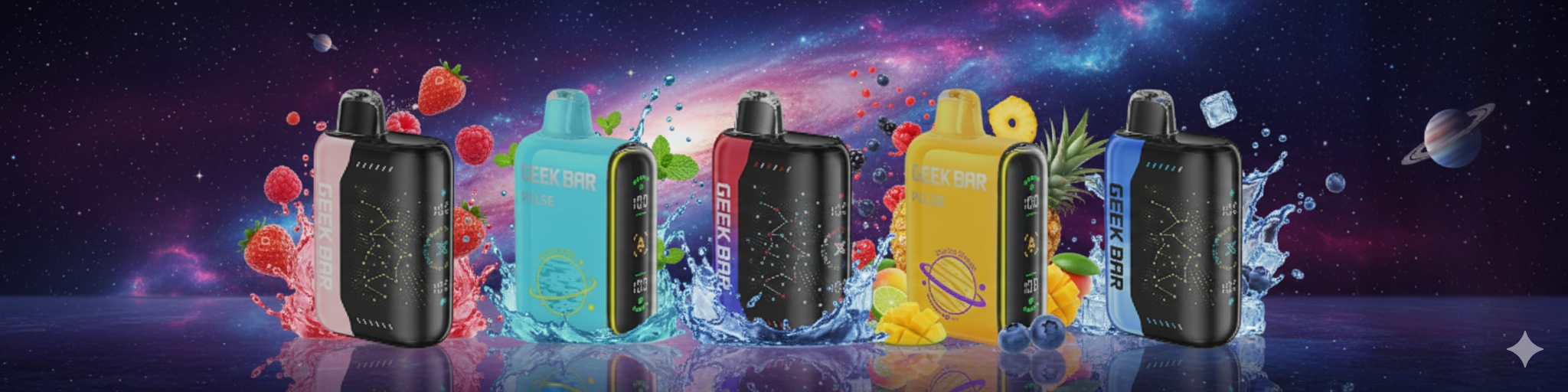
The vaping market is constantly evolving, but few names have caught the attention of enthusiasts quite like the fucking fab vape flavor profile. Often associated with the Geek Bar Pulse and Pulse X lines, this specific flavor has become a staple for those who prefer a complex, candy-like experience over traditional single-fruit options. While the name itself is bold, the actual...
Die Zeit des Wartens neigt sich dem Ende zu, bald schon wechseln die Banner im kosmischen Zug. Mit dem kommenden Patch erwachen neue Gestalten, bereit, ihre Geschichten in den Sternen zu entfalten. Aus den Trümmern einer vom Dunkel verschlungenen Stadt erhebt sich ein Jäger, dem goldenen Erbe verpflichtet. Sein Ziel ist der glühende Kern des Titanen, die Sense in seiner Hand ein...

Avoid costly errors when buying a CNC machine Tool. Learn key mistakes related to CNC machine price, tooling, maintenance, scalability, and ROI. Common Errors That Increase Costs When Buying a CNC Machine Tool Investing in advanced machining technology is a major decision that directly impacts productivity, quality, and profitability. While...

The latest business intelligence report released by Polaris Market Research on Machine Control System Market Size, Share, Trends, Industry Analysis Report By Type [Global Navigation Satellite System (GNSS), Sensors, Total Stations, Laser Scanners], By Equipment, By End Use, By Region – Market Forecast, 2025–2034. It covers the in-depth knowledge of the Machine Control...

Cricket is followed with unmatched passion across India, and online betting has become a popular way for fans to enjoy matches with added excitement. As the demand for reliable betting platforms grows, Mahakal Book has established itself as a trusted and well-known name among online cricket betting users. What Is Mahakal Book? Mahakal Book is an online betting platform that allows users to...