


Beyond the Catalog: Why a Handcrafted Bone Inlay Almirah is the Ultimate Heirloom for the Modern Home?
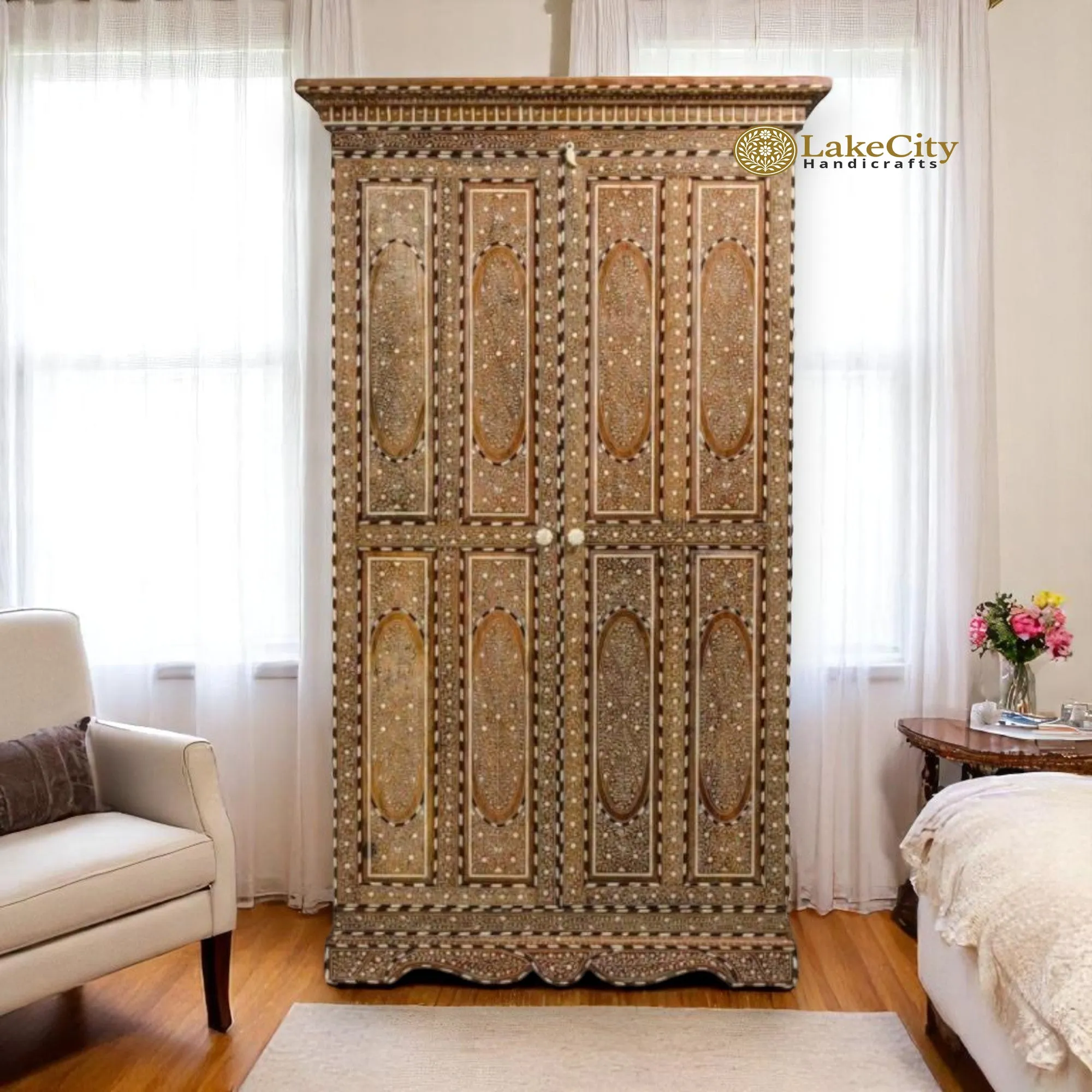
If you’ve ever walked into a room and felt your eyes immediately get "stuck" on a single, mesmerizing piece of furniture, you likely encountered the art of inlay. For a long time, I thought luxury furniture meant sleek, minimalist lines or heavy, dark mahogany. But then I discovered the world of bone inlay, specifically the bone inlay almirah, and my perspective on interior design shifted entirely.
Recently, I’ve been on a mission to upgrade my home storage. I didn’t want another "flat-pack" wardrobe that would lose its soul in three years. I wanted a legacy piece. After spending weeks researching, browsing, and eventually experiencing these pieces firsthand, I’ve put together this guide to help you understand why this specific craft is trending in 2026 and how to pick the right one for your home.
Bone Inlay vs. Mother of Pearl: Which One Wins?
When you start looking for a bone inlay almirah, you’ll inevitably come across its cousin: Mother of Pearl (MOP). Both are stunning, but they serve different aesthetic purposes.
-
The Visual Impact: Bone inlay uses ethically sourced camel bone (usually from animals that have passed of natural causes) to create a matte, organic, and creamy white contrast against a colored resin background. It’s bold and architectural.
-
The Shimmer Factor: Mother of Pearl is made from shells. It has an iridescent, pearly shimmer that changes as you walk past it.
My Take: If you want a piece that acts as a bold anchor for a room, something that says "look at me", the bone inlay almirah is the winner. Its matte finish feels more grounded and "earthy," making it easier to pair with different textures like jute rugs or velvet sofas.
Bone Inlay vs. Hand-Carved Wood
You might also compare an inlay almirah to a traditional hand-carved wooden wardrobe. While solid wood carving is beautiful, it often feels very "old world." Bone inlay, however, bridges the gap between ancient Rajasthani heritage and modern chic. The geometric patterns can look surprisingly "Mid-Century Modern," while the floral motifs fit a soft, Bohemian aesthetic.
Why the Almirah is the "Hero" of the Room?
Most people start their inlay journey with a small bedside table or a tray. But if you really want to experience the craftsmanship, an almirah (or armoire) is the way to go.
Because of its large surface area, the bone inlay almirah allows the artisan to tell a full story. Whether it’s a repetitive "fish scale" pattern or an intricate floral vine that climbs from the base to the crown, the sheer scale of an almirah makes it a piece of functional art. I found that placing one in my hallway didn't just provide storage for linens; it transformed a boring transition space into a gallery-like experience.
Finding Quality: The "Bespoke" Advantage
One thing I learned early on is that mass-produced "inlay-style" furniture exists, and it is almost always a disappointment. Real bone inlay is tactile; you can feel the slight variations in the bone pieces and the smooth, hand-polished resin.
This is why I highly recommend looking for Bespoke Furniture Online. When you go bespoke, you aren't just buying off a shelf. You’re often working with creators who can customize the color of the resin to match your specific wall paint or adjust the dimensions to fit that awkward nook in your bedroom. High-quality inlay is built on a base of solid wood (like Mango or Sheesham), ensuring the piece is heavy, durable, and won't warp over time.
Care and Maintenance: Protecting Your Investment
I often get asked, "Is bone inlay hard to look after?" Honestly, no, it just requires different care. Here are my top tips from living with these pieces:
-
Dust, Don’t Scrub: Use a soft, dry microfiber cloth. Never use a feather duster, as the quills can occasionally snag on the edges of the inlay.
-
Say No to Chemicals: Avoid glass cleaners or multi-surface sprays. The resin can be sensitive to harsh chemicals. If you must use moisture, a very slightly damp cloth with a tiny drop of mild soap is all you need, followed immediately by a dry wipe.
-
Mind the Sun: Like any fine art, direct, harsh sunlight for 8 hours a day can cause the resin to fade or the bone to yellow prematurely. Position your almirah in a spot that gets natural light but isn't a "hot zone."
-
Humidity is Key: Bone and wood are natural materials. They like a stable environment. Extreme dryness can lead to tiny cracks, so if you live in a very arid climate, a humidifier in the room is a great idea.
My Experience and Final Recommendation
Choosing a bone inlay almirah is about more than just buying a cupboard; it’s about supporting a craft that has been passed down through generations of artisans in India. Each piece carries the "signature" of the hand that made it, no two are ever identical.
In my search for the perfect blend of quality and authentic design, I spent a lot of time exploring the collections at Lakecity Handicrafts. Their attention to detail and commitment to the traditional Rajasthani process really shine through in their finished products. If you are looking for a piece that brings soul, history, and incredible beauty into your home, a bone inlay piece is, in my opinion, the most rewarding furniture investment you can make.
Whether you're going for a soft grey floral design for a nursery or a striking black-and-white geometric pattern for a modern office, this furniture style is a conversation starter that never goes out of fashion.
Κατηγορίες
Διαβάζω περισσότερα
Printing machines are essential industrial systems used to produce high-quality printed materials across packaging, publishing, advertising, labeling, and commercial printing applications. Modern printing technologies combine precision engineering, automation, and digital capabilities to deliver faster production, improved print quality, and greater operational efficiency. As industries...

A growing family, changing lifestyle, or the desire for improved comfort often makes homeowners think beyond the limits of their existing space. Expanding or upgrading a home can be a practical alternative to purchasing a new property, especially when the current location already meets personal and family needs. Understanding financing options is an important step before beginning any...

The popularity of Online Slot Games Malaysia has grown rapidly as more players seek exciting digital entertainment that combines immersive gameplay, engaging themes, and rewarding features. Modern online slot games offer much more than simple spinning reels—they include stunning graphics, interactive bonus rounds, and innovative mechanics that keep every session fresh and enjoyable....

Honkai Star Rail New Developments A recent leak from Honkai: Star Rail offers a glimpse into the upcoming gameplay features of the new character, Cyrene. Rumors suggest that she will serve as a vital support figure for Amphoreus' Chrysos Heirs faction. Since the addition of the game’s fourth fully explorable world, the game has introduced a variety of distinctive characters that have...
In today's competitive business landscape, having a strong online presence is no longer optional. Whether you own a startup, local business, eCommerce store, or established company, investing in professional digital marketing services in Kanpur can help you attract more customers, increase brand awareness, and drive sustainable business growth. As consumer behavior continues to shift...
