How Effective Are Home Security Cameras at Deterring Crime?
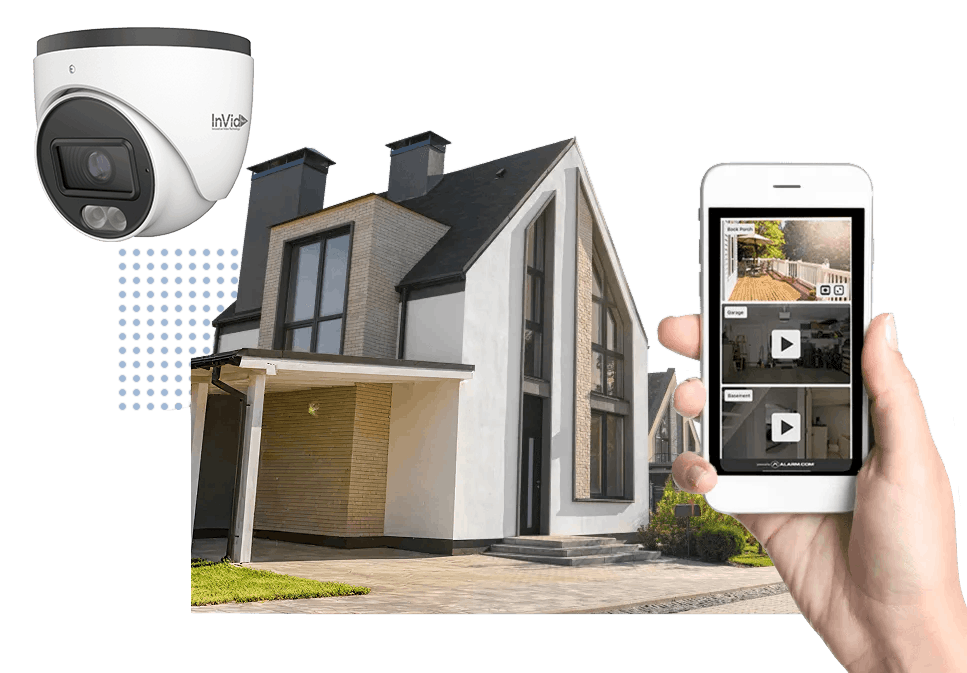
Cameras around homes now rank high among ways people guard their belongings. A basic peephole at the front gate or a network of monitors covering every corner - lots choose these as key pieces in staying safe. Yet uncertainty lingers. Can such devices truly stop wrongdoing, or just make folks feel safer? Truth shifts based on setup details, positioning choices, and what owners expect when installing them.
The Role of Deterrence
A big reason folks put up security cameras? They think it scares off crooks before anything happens. Often, that actually works out. Because thieves usually go after places where getting caught feels unlikely. When they see lenses watching a house, hesitation kicks in - maybe this one’s too risky now. So they walk away instead. Another building becomes their next thought.
Most break-ins drop when entire blocks install surveillance gear. A basic peephole on the front door sometimes stops trouble before it starts. Just knowing they’re watched makes certain people walk away instead of trying. Cameras shift choices quietly - before anything ever happens.
Prevention vs. Response
Most people think cameras keep criminals away. Yet trouble often still finds its way through. Someone set on breaking in might ignore the lens staring back at them. Speed matters more to them than being recorded. If they trust their timing, a camera changes nothing. What looks like protection sometimes only captures what already went wrong. Proof comes later. Prevention? Not so much.
The most useful thing about cameras? They record proof. Footage often shows faces, cars, what people wear - clues police use to track down those involved. Crime still occurs regardless. Yet having visuals raises the odds of finding who did it, getting belongings back. So their role leans more toward fairness after an event than stopping it before.
The Psychological Impact
What if a camera just… sits there? Still, it changes how some folks see their house. A quiet presence watching the driveway or back door shifts something inside. Less worry about who might show up. Fewer what-ifs spinning at 2 in the morning. That space between fear and calm gets smaller when you know someone - or something - is keeping track.
Yet safety isn’t guaranteed just because lenses watch every corner. When folks assume recording devices catch everything, risks slip through unnoticed. Relying only on video gear makes weak spots worse, especially without solid door bolts or bright yard lights. Alarms ignored, shadows unlit - cameras alone cannot fill those gaps. Their real strength shows once woven into wider safeguards.
Limits of Security Cameras
Though cameras might scare off certain thieves, they do not always work. Sometimes people just ignore them.
Whatever the setup, a few thieves still push forward. Masks help them hide. Even surveillance fails to scare off those who plan carefully.
Hidden gaps happen when cameras are set too high or too low, leaving parts of a building out of view. Crooks often check where devices point before making a move. Weak spots in coverage give them space to act without being seen.
Faulty wiring might leave a camera dark when it matters most. Sometimes they just stop working without warning. Power cuts hit right when footage is needed. Glitches creep in at the worst possible time. Recording gaps appear for no clear reason. Equipment gives out mid-event. A sudden crash kills the feed unexpectedly.
When internet-linked cameras lack strong protection, hackers might break in - adding a new danger. A weak setup opens doors to digital intruders without warning. These devices can turn into entry points if safeguards are missing or outdated. Without solid defenses, unauthorized users may gain access quietly. Each unsecured camera increases exposure to outside threats silently.
Because of these flaws, counting only on cameras for protection doesn’t make sense. A single weak point can undo the whole setup when threats come through. Relying just on lenses and sensors leaves too many gaps open by design.
Examples and Real Cases
One thing stands out when looking at data: camera presence shifts how often theft happens. Where lenses watch every corner, breaking into homes or stealing vehicles becomes rarer. Yet places with few or unseen devices see little change in those acts. Evidence from police and analysts shows this split clearly.
When crimes happen anyway, even with cameras around, having video still helps detectives move faster. Footage from security systems gets mentioned by police again and again - not always flashy, yet solid when tracing who did what. It pins down faces, moments, actions - no drama, just facts piling up.
Improving How Well Cameras Work
Thinking about cameras. Where you put them matters just as much as how they connect. Try these ideas to get more out of your setup
Out front, place cameras so people walking up will notice them right away. A clear view deters sneaky behavior before it starts. Seeing a camera might make someone think twice about trying anything. These devices work best when they are hard to miss. Spotting one could shift how a visitor acts from the start.
Out there, shadows give cover - use lights alongside your camera setup to take that away. A well-lit yard strips secrecy from corners where trouble might wait. When bulbs fill the night, hidden spaces shrink. Pair each lens with steady glow so nothing slips through blind zones. Brightness becomes a silent partner to recording gear.
Start at the front door, then move to back exits; each needs watching. Windows on every floor matter just as much. Garages count too, especially if they connect inside. Watch those spots first, before anything else.
Start with cameras tied to alarms so one triggers the other. Motion sensors join next, feeding alerts when activity appears. Smart locks link into the mix, responding only after verification. Layer by layer, pieces connect without overlap or delay. Each part acts when needed, never sooner.
Every now then, look at each camera just to see it still works right. Sometimes things go wrong without warning. A quick check keeps the video running smooth. Hackers try sneaky ways in, so tighten settings once a while. Dust builds up too, even on glass fronts. Fixing small issues early means less trouble later. Always test playback to confirm everything saves like it should.
Starting off strong, these actions make sure cameras work well to scare off trouble while also standing ready when something goes wrong. Ending on a practical note.
Final Thoughts
Most times, yes - home security cameras help keep crime away. Yet they are not a perfect fix. A thief looking around might pause at the sight of one, then move on to an easier spot instead. When something happens anyway, footage often helps piece things together later. These devices play a role upfront, just as much as after lights come back on.
Still, cameras aren’t perfect. Nothing stops an intruder like a locked door, yet visuals can help when someone is already trying to get in. What makes them useful isn’t standing alone - it’s how they fit into broader safety measures. Lights that stay on, strong locks, alerts that sound loud, neighbors who pay attention - these things turn recordings into something stronger. Alone, footage does little; woven together, it adds weight.
Peace of mind often comes from small steps, like installing security cameras - these devices discourage trouble while helping track it when needed. Though far from flawless, they hand people more say in how safe their homes feel. Solving incidents grows simpler because evidence is easier to find. Worthwhile? Many think so, despite limits. Not magic shields, just tools that work quietly.
الأقسام
إقرأ المزيد
" According to the latest report published by Data Bridge Market Research, the Middle East and Africa Robotic Vacuum Cleaner Market Middle East and Africa robotic vacuum cleaner market was valued at USD 294.47 million in 2022 and is expected to reach USD 1,062.66 million by 2030, registering a CAGR of 17.40% during the forecast period of 2023-2030.Credible Middle East and Africa...

As IPL 2026 kicks off, the pleasure for the duration in India is on every exceptional level. From crowded tea stalls to past-due nighttime watch sports activities at home, cricket is anywhere. But these days, fanatics don’t absolutely need to take a look at the in-shape; they want to stay linked in actual time. That’s exactly why the selection for reliable cricket identity is...

SEO never feels as clean as those short guides make it sound, honestly it gets uneven fast. You try links, adjust pages, wait again, then wonder if anything is even working properly. A link building Marketplace can speed things up, sure, but it does not magically fix bad choices. People jump in thinking everything listed will help, which is not how it works in practice. Some listings look...

Stake US Guide: Everything You Need to Know About Social Casino Gaming Introduction Stake US is a sweepstakes-style social casino designed for eligible players in the United States. Unlike traditional real-money online casinos, Stake US uses a dual-currency system that allows users to enjoy casino-style games for entertainment while participating in promotional sweepstakes where permitted by...
Why hop-on hop-off bus tours are the ultimate summer travel hack Summer travel in a major city often feels like a marathon in a sauna. Between the blistering heat and the endless walking, you end up exhausted before you even see the Statue of Liberty or the White House. Here's the thing: you do not have to choose between seeing the sights and staying comfortable. Using a big bus...