Hidden Travel Destinations You've Never Heard Of (Underrated Gems)
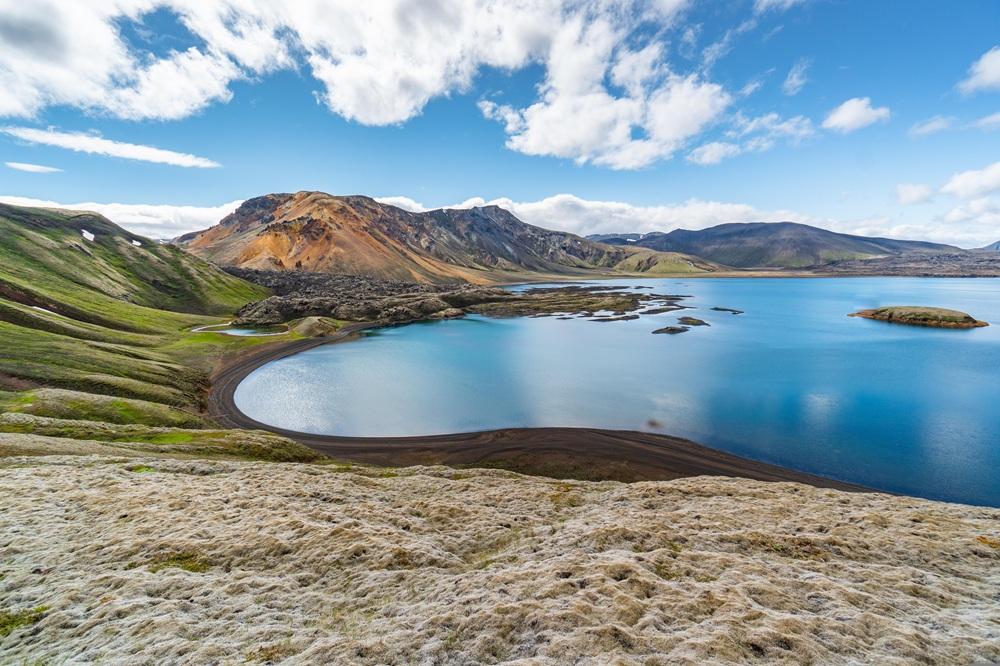
Everyone's heard of Paris, Bali, and New York. And sure, they're great - but they're also crowded, pricey, and frankly overposted on Instagram. If you're the kind of traveler who wants to actually experience a place rather than stand in line for a photo, this list is for you.
These are the places most travel blogs skip. They're affordable, surprisingly safe, and genuinely worth the detour.
1. Matera, Italy - The Ancient Cave City
Matera is one of the oldest continuously inhabited cities in the world, yet it barely makes it onto most Italian itineraries. Carved into the side of a ravine in southern Italy, this city of stone houses and cave dwellings feels like stepping into another era entirely.
Why it's special: You can actually stay in a sassi - a cave hotel - carved out of the limestone rock. The city was named a European Capital of Culture in 2019, and it still hasn't been overrun with tourists.
Cost: Meals average €10-15. Cave hotels range from budget hostels to boutique stays around €80-120/night.
Safety: Very safe for solo travelers, especially women. Locals are welcoming, and the streets are walkable.
Best time to visit: Ideal months to travel are April through June or September through October, offering comfortable temperatures and lighter tourist crowds.
2. Kotor, Montenegro - The Walled City Nobody Talks About
Montenegro is one of Europe's best-kept secrets, and Kotor is its crown jewel. Nestled between dramatic mountains and the Adriatic Sea, this medieval walled city feels like Dubrovnik circa 2005 - before the cruise ships arrived.
The old town is a UNESCO World Heritage Site. You can hike up to a 14th-century fortress in about 45 minutes and get a view that belongs on a postcard.
Cost: Budget-friendly by European standards. Meals run €5-10, and accommodation starts at €30/night for a clean private room.
Safety: One of the safest destinations in the Balkans. Low crime, easy to navigate.
Best time to visit: May or September - summer can get hot and slightly busier.
Solo traveler tip: The old town is compact and easy to explore on foot. It's also a great base for day trips to Budva and the Bay of Kotor.
3. Chefchaouen, Morocco - The Blue City
Tucked away in the Rif Mountains of northern Morocco, Chefchaouen is a town painted almost entirely in shades of blue. It's photogenic, yes - but it's also genuinely peaceful, surprisingly cool in elevation, and deeply affordable.
Unlike Marrakech, there's no aggressive hustle here. The medina is small enough to navigate confidently, and the locals are notably relaxed.
Cost: You can eat well for under $5. Riads (traditional guesthouses) go for $20-40/night.
Best time to visit: The ideal travel window falls between March and May or from September to November.
4. Plovdiv, Bulgaria
Here's one that catches most travelers off guard: Plovdiv, Bulgaria's second-largest city, was named European Capital of Culture in 2019 alongside Matera - and it's arguably even more overlooked.
The old town is a maze of colorful National Revival-era houses, Roman ruins, and independent art spaces. The food scene is excellent and dirt cheap. The people are genuinely friendly to tourists who make the effort to wander off the main drag.
For digital nomads and long-stay travelers, it's particularly practical: fast internet is widely available, and if you're traveling across Europe and need to stay connected without swapping SIM cards every few days, picking up an eSIM for travel before you arrive makes the logistics considerably smoother.
Cost: One of the cheapest cities in the EU. Dinner for two with drinks rarely exceeds €15.
Safety: Very safe. Well-lit old town, easy public transport.
Best time to visit: May to October.
Solo traveler note: Plovdiv has a thriving expat and nomad community. Connecting with others is simple, so you won’t feel alone.
5. Luang Prabang, Laos - Slow Travel at Its Best
If you've ever wanted to wake up at dawn, watch monks collect alms offerings in silence, then eat a bowl of noodles beside the Mekong River, Luang Prabang is the place.
This small UNESCO-listed city in northern Laos has managed to preserve its Buddhist culture and French colonial architecture despite being a popular backpacker stop. It feels unhurried in a way most Southeast Asian cities no longer do.
Cost: Extremely affordable. $1-2 street food, guesthouses from $15/night.
Safety: Safe for solo travelers. Nightlife ends early (11 PM curfew keeps things calm). Petty theft is minimal.
Best time to visit: The ideal period to visit is from November to February, when conditions are dry, and temperatures are cooler.
6. Tbilisi, Georgia - Wine, Sulphur Baths, and Ancient Churches
Georgia (the country, not the US state) has been quietly having a moment. Its capital, Tbilisi, offers an almost overwhelming mix of medieval churches, Soviet-era architecture, natural hot springs, and some of the best wine you'll ever drink - all at prices that feel almost absurdly low.
The old town district of Abanotubani is built on natural sulfur springs. A traditional bath soak costs about $5.
Cost: Budget-friendly to mid-range. Full meals for $4-8. Hostels from $10/night.
Safety: Generally safe. Minor theft can occur in busy tourist spots, though it isn’t very frequent. Solo female travelers report feeling comfortable.
Best time to visit: A great time to plan your trip is from April to June or between September and November.
Final Thought
The world is much bigger and more interesting than the tourist trail suggests. These six destinations each offer something genuinely different - culture, history, food, scenery - without the crowds and costs that come with more famous places.
Pick one. Book the flight. You won't regret being the person who went somewhere nobody else did.
Categories
Read More
Hey, if you're an Indian student right now finishing up or just starting an MBA at the University of East London and already wondering what kinds of jobs actually open up once you graduate, you're thinking ahead in the right way. The MBA from UEL is a one-year full-time program (with part-time options too) that's built around employability real business skills, industry projects, and...

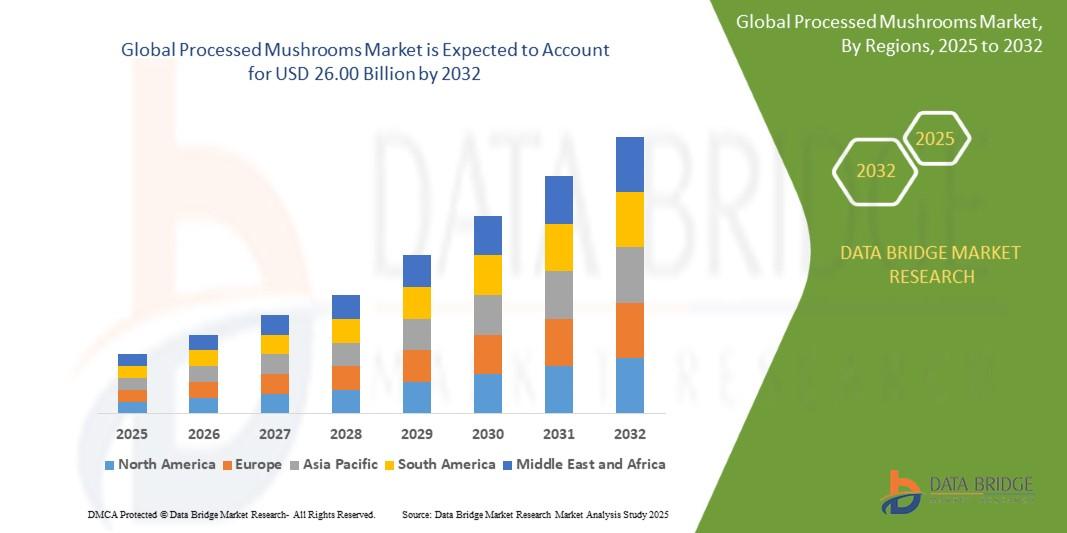
"Latest Insights on Executive Summary Processed Mushrooms Market Share and Size CAGR Value The global processed mushrooms market was valued at USD 18.85 billion in 2024 and is expected to reach USD 26.00 billion by 2032 During the forecast period of 2025 to 2032 the market is likely to grow at a CAGR of 4.10% primarily driven by the increasing demand for...
Luxury interior design today is defined by innovation, elegance, and the creative use of materials. Among the most remarkable advancements in surface design is translucent stone veneer, a material that blends natural stone textures with the captivating effect of light. One of the most sought-after variants in this category is Indian Autumn translucent stone veneers in India ,known for its warm...

Di tengah banyaknya platform online yang bermunculan, tidak sedikit pengguna yang merasa perlu lebih berhati-hati sebelum mengakses sebuah situs. Hal ini juga berlaku ketika orang mencari informasi seputar Onestepwin, terutama terkait akses situs, proses pendaftaran, dan cara login yang benar. Artikel ini membahas secara umum bagaimana onestepwin link, onestepwin daftar, dan onestepwin login...

Understanding Solar Energy and Its Growing ImportanceSolar energy is one of the most abundant renewable resources available on Earth. With technological advances, solar panels have become an increasingly viable solution for both residential and commercial energy needs. The sun produces enough energy in a single hour to power the entire world for a year, but the challenge lies in capturing,...