From Idea to Medicine: How Expert Guidance Shapes New Treatments
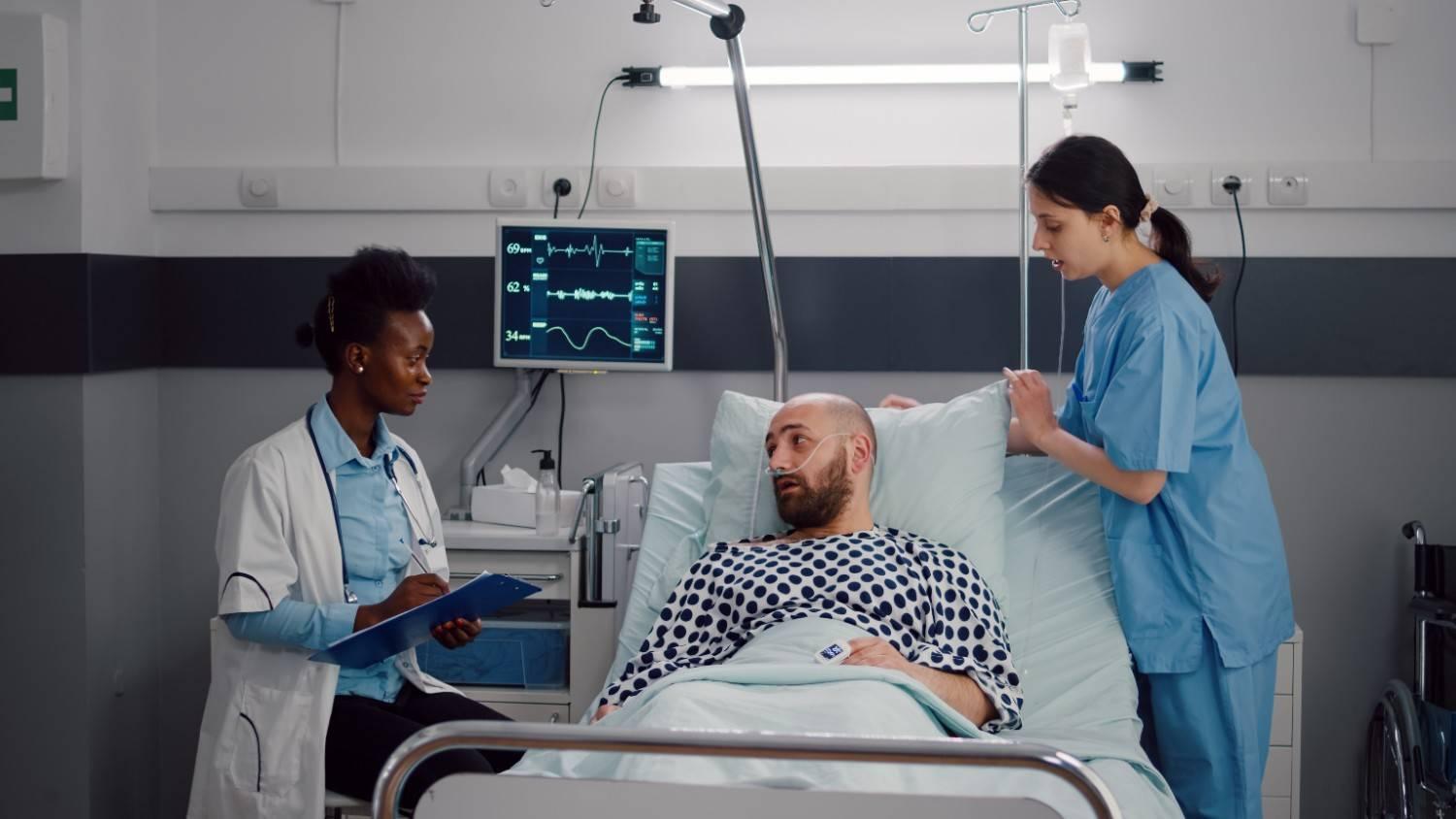
The journey of a new medicine, from a simple idea in a laboratory to a prescription in a patient's hand, is one of the most complex and challenging paths in modern science. It is a long road filled with scientific hurdles, strict regulations, and immense financial risk. For every successful drug that makes it to market, thousands of promising concepts fall by the wayside. This high rate of failure isn't always because the science was bad, but often because the path forward was not clear. Navigating this maze requires more than just brilliant science; it requires strategy, experience, and specialized knowledge. This is where expert support systems play a vital role, helping to steer projects through the two most critical phases: early discovery and later-stage clinical development.
Expert Guidance in Drug Discovery
The very beginning of a drug's life is the discovery phase. This is where scientists search for a new molecule or biological approach that could treat a disease. It is a creative but high-risk stage, like searching for a specific key in a room filled with millions of them. To improve the odds and make this search more efficient, many companies, especially smaller biotechs and academic labs, turn to drug discovery consulting. This service provides the specialized expertise needed to make smart decisions early on, which can save millions of dollars and years of wasted effort down the line. The guidance offered is practical and multi-faceted.
1. Finding the Right Target. A drug needs something to aim at in the body, usually a specific protein or gene involved in a disease. This is called a "target." Consultants help research teams analyze the biology of a disease to identify the most promising targets, ensuring the entire project is built on a solid scientific foundation.
2. Designing a Better Molecule. The first molecule that shows promise (a "hit") is rarely perfect. It might have side effects or not be strong enough. The process of refining this molecule into a viable drug candidate is called "lead optimization." Consultants with deep chemistry experience can guide this process, helping to design a molecule that is both safe and effective.
3. Creating a Strategic Plan. It’s not enough to have a good idea. You need a roadmap. Experts help create a step-by-step plan for research, outlining the key experiments needed to prove the concept and prepare the drug for the next phase of development. This includes setting realistic timelines and budgets.
4. Early Regulatory Insights. Even at this early stage, the decisions made can impact future regulatory approval. Consultants who understand the requirements of agencies like the FDA can provide advice to ensure that the early data collected will be suitable for review later on.
5. Assessing Project Viability. Sometimes, an outside perspective is needed to make a tough call. A consultant can provide an unbiased assessment of a project's scientific and commercial potential, helping a company decide whether to continue investing in it or to pivot to a more promising idea.
Advancing to Human Trials with Development Solutions
Once a promising drug candidate is identified in the lab, it must be tested in people to prove it is safe and that it actually works. This is the clinical development phase, which is famously long, expensive, and heavily regulated. This is where a different kind of expertise is required, often packaged as clinical development solutions. These services are designed to manage the immense operational complexity of running clinical trials, ensuring they are conducted efficiently, ethically, and in a way that generates high-quality data for regulators. These solutions are critical for moving a drug from the lab to the pharmacy.
1. Designing a Strong Clinical Trial. How a trial is designed determines the quality of the answers it gives. Experts in trial design help companies decide how many patients to include, what dose to test, how long the trial should run, and what specific health outcomes to measure. A well-designed trial is more likely to produce a clear result.
2. Navigating the Regulatory Maze. Before a drug can be tested in people, a company must get permission from regulatory bodies like the FDA. This involves submitting a massive application filled with data and detailed plans. Regulatory affairs specialists manage this entire process, communicating with agencies and ensuring all rules are followed.
3. Managing Trial Operations. Clinical trials often take place at multiple hospitals and clinics, sometimes around the world. Operational teams handle the logistics of this, from selecting the best sites and training the staff to making sure the drug supply is managed correctly.
4. Handling the Data. A clinical trial generates a huge amount of data on every single patient. This data must be collected, cleaned, and stored securely. Biostatisticians and data managers then analyze this information to determine if the drug had a positive effect and if it was safe.
5. Monitoring Patient Safety. The most important priority in any clinical trial is patient safety. Specialized teams constantly monitor the data coming from the trial to look for any unexpected side effects or safety concerns, ensuring that participants are protected at all times.
In conclusion, the path to creating a new medicine is a marathon, not a sprint. The two distinct but connected phases of discovery and development each present their own immense challenges. By leveraging the focused expertise offered in both early-stage consulting and later-stage clinical solutions, companies can navigate this path more intelligently. This expert guidance helps de-risk projects, save precious time and resources, and ultimately, increase the chances of bringing life-changing treatments to the patients who need them most.
Catégories
Lire la suite
In a fashion world saturated with trends and brand mimicry, Fugazi Clothing stands out as a boundary-pushing label that thrives on rebellion, craftsmanship, and layered meaning. Based out of New York City, Fugazi NYC has evolved from a niche underground brand into a cult streetwear icon, drawing attention for its Fugazi Clothing designs, limited drops, and enigmatic creative...

The Global HVAC Control Market Report presents an in-depth analysis, merging qualitative and quantitative insights to provide a holistic understanding of the market's dynamics. The report evaluates growth drivers, challenges, and constraints while forecasting revenue trends across key segments. It offers both historical and projected data, giving stakeholders a clear view of market trends and...

United States of America – [10-December-2025] – The Insight Partners is proud to announce its newest market report, Vacuum Insulated Tubing Market: An In-depth Analysis of the Market. The report provides a holistic view of the market and describes the current scenario as well as growth estimates during the forecast period. Overview of Vacuum Insulated Tubing Market The Vacuum...
Situs togel dan bandar togel online terpercaya menjadi istilah yang semakin populer di dunia hiburan digital. Konsep togel online memungkinkan pemain memasang taruhan angka dengan mudah melalui platform digital tanpa harus datang ke lokasi fisik. Situs terpercaya biasanya menonjolkan keamanan, kecepatan transaksi, dan transparansi, sehingga pemain merasa nyaman saat bermain. Salah satu contoh...
Gynecomastia — the enlargement of male breast tissue — is a condition that can affect men of all ages, from adolescents to adults. Although it isn’t typically harmful to physical health, it can create emotional discomfort, body image concerns, and self-consciousness in social situations. For many men, gynecomastia surgery offers an effective and lasting solution. In Islamabad,...