What is Cognitive Testing and Why It Matters for Mental Health

Cognitive health is a key part of overall mental well-being, yet it is often overlooked until noticeable problems begin to appear. Many people experience issues like memory loss, difficulty concentrating, or slowed thinking but are unsure of the cause. This is where cognitive testing becomes important.
Cognitive testing helps evaluate how well your brain is functioning and can identify potential concerns early. In this article, we’ll explore what cognitive testing is, how it works, and why it plays a crucial role in mental health care.
Understanding Cognitive Testing
Cognitive testing is a structured process used to measure different aspects of brain function. These tests assess abilities such as:
-
Memory
-
Attention and concentration
-
Problem-solving skills
-
Language abilities
-
Processing speed
The goal is to understand how well a person’s brain is working and identify any areas of concern. These tests are commonly used by mental health professionals as part of a comprehensive evaluation.
Why Cognitive Testing is Important
Cognitive testing provides valuable insights that are not always visible through general observation. Many mental health conditions affect thinking patterns, memory, and focus.
By identifying these issues early, cognitive testing helps:
-
Detect underlying mental health conditions
-
Differentiate between similar symptoms
-
Track changes in brain function over time
-
Guide accurate diagnosis and treatment
Without proper testing, symptoms may be misunderstood or misdiagnosed.
Conditions Identified Through Cognitive Testing
Cognitive testing is often used to evaluate a wide range of mental health and neurological conditions, including:
-
Anxiety and depression
-
Learning difficulties
-
Memory-related disorders
-
Effects of stress or trauma
For example, someone struggling with focus might assume they have anxiety, but testing may reveal attention-related challenges that require a different approach.
How Cognitive Testing Works
Cognitive testing usually involves a series of tasks and questions designed to measure different mental abilities. These may include:
-
Remembering words or patterns
-
Solving simple problems
-
Answering questions that test reasoning
-
Completing timed tasks
The process is non-invasive and can be conducted in person or through virtual platforms, depending on the provider.
A mental health professional interprets the results and explains what they mean in the context of your overall mental health.
The Role of Cognitive Testing in Diagnosis
One of the biggest advantages of cognitive testing is its ability to support accurate diagnosis. Many mental health conditions share similar symptoms, such as difficulty concentrating or memory problems.
Cognitive testing helps professionals:
-
Identify the root cause of symptoms
-
Distinguish between different conditions
-
Develop a clear understanding of cognitive strengths and weaknesses
This ensures that treatment plans are tailored to the individual’s specific needs.
Supporting Personalized Treatment Plans
Once cognitive testing is complete, the results are used to create a personalized treatment plan. This may include:
-
Therapy to improve thinking patterns
-
Behavioral strategies for focus and organization
-
Medication management if needed
-
Lifestyle changes to support brain health
You can explore professional mental health services here: https://bpwimh.com/our-services
A personalized approach leads to more effective outcomes and long-term improvement.
Monitoring Progress Over Time
Cognitive testing is not just a one-time process. It can also be used to track progress and evaluate how well treatment is working.
Regular assessments help:
-
Measure improvements in memory and focus
-
Adjust treatment plans when necessary
-
Ensure long-term cognitive health
This ongoing evaluation is especially important for conditions that may change over time.
Benefits of Early Cognitive Assessment
Early cognitive testing can prevent minor issues from becoming more serious. Identifying problems at an early stage allows for timely intervention and better outcomes.
Key benefits include:
-
Early detection of mental health conditions
-
Improved academic or work performance
-
Better decision-making and daily functioning
-
Reduced risk of long-term complications
The earlier cognitive concerns are addressed, the easier they are to manage.
Cognitive Testing and Everyday Life
Cognitive health affects nearly every part of daily life. From making decisions to completing tasks, your brain plays a central role in how you function.
When cognitive abilities are affected, you may notice:
-
Difficulty staying organized
-
Trouble remembering important details
-
Reduced productivity
-
Challenges in communication
Cognitive testing helps identify these issues and provides a path toward improvement.
Flexible Options Through Telehealth
Many providers now offer cognitive testing through telehealth services. This makes it easier for individuals to access care from the comfort of their homes.
Virtual assessments are convenient, time-saving, and ensure that more people can receive the help they need without barriers.
Long-Term Mental Wellness
Cognitive testing supports long-term mental wellness by helping individuals understand their brain health and take proactive steps.
With proper evaluation and ongoing care, individuals can:
-
Strengthen cognitive abilities
-
Improve focus and memory
-
Build healthier habits
-
Maintain overall mental well-being
Conclusion
Cognitive testing is a valuable tool in understanding and improving mental health. By evaluating how the brain functions, it provides clear insights that guide diagnosis, treatment, and long-term care.
Ignoring cognitive symptoms can lead to bigger challenges over time, but early assessment and professional support can make a significant difference.
If you’re experiencing memory issues, difficulty concentrating, or other cognitive concerns, seeking cognitive testing is an important step toward better mental health and a more balanced life.
Categories
Read More
In today’s competitive market, businesses need promotional products that are both practical and memorable. Traditional giveaways like flyers or brochures are often discarded quickly, while useful everyday items stay with customers for months or even years. That’s why branded merchandise has become one of the most effective marketing tools available. Among these products, Clipper...

Dans l’univers du jeu en ligne, le casino en ligne fiable est devenu un élément essentiel pour les joueurs qui recherchent une plateforme sécurisée, transparente et agréable à utiliser. Ces sites modernes offrent aujourd’hui une expérience complète mêlant technologie avancée, diversité des jeux et confort...

Entering a new real estate market can feel like standing at the edge of a vast, unfamiliar ocean. For many people living outside the United States, the possibility of owning property in a stable economy is a dream that feels just out of reach due to financial complexity. However, the modern lending environment has evolved to bridge this gap through a specialized foreign national loan that...

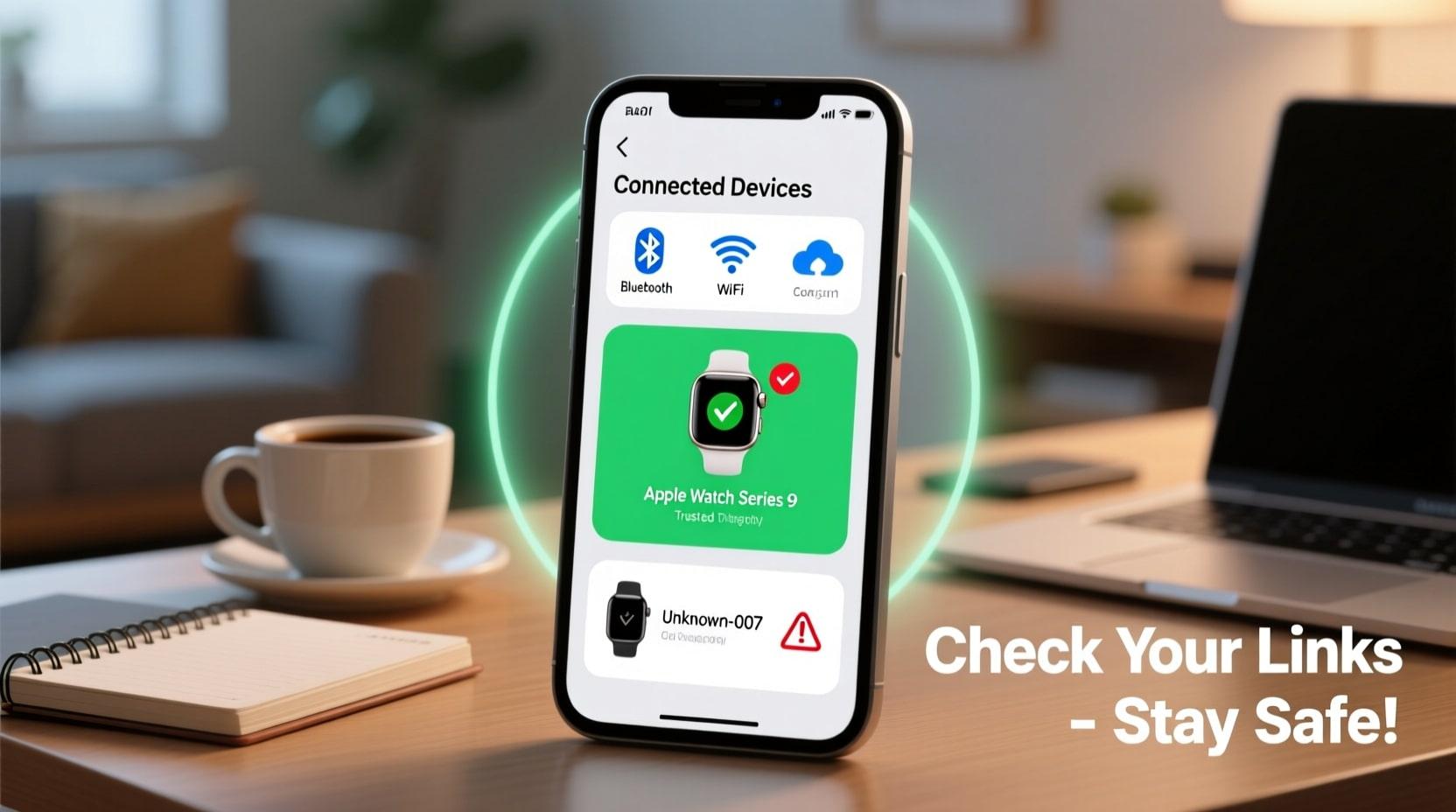
In today's connected world, our phones link to multiple devices daily. From Bluetooth headphones to smartwatches and laptops to tablets, these connections make life easier. But here's the thing. Not all connections are created equal. Some might put your privacy at risk. So, how do I know if my phone is linked to another device safely? This question matters more than ever as cyber threats...
Global Covalent Organic Framework (COF) Market Set for Exponential Expansion by 2035 The global Covalent Organic Framework (COF) Market was valued at USD 169.53 Million in 2025 and is expected to reach USD 2786.18 Million by 2035, growing at a remarkable CAGR of 32.32% from 2026-2035. The Covalent Organic Framework (COF) Market is witnessing unprecedented growth due to...