


Plumber vs DIY Repairs: When to Call the Experts
Home repairs are a normal part of life. A dripping faucet, a clogged drain, or a leaking pipe can happen in any home. When problems come up, many people ask the same question: should I fix it myself or call a professional? DIY repairs can save money and help homeowners learn basic maintenance skills. At the same time, some problems are too serious to handle without expert help.
Knowing when to take care of a repair yourself and when to call a plumber can save you time, money, and stress. It can also prevent small issues from turning into costly damage. While some plumbing tasks are simple enough for beginners, others require tools, experience, and technical knowledge.
Understanding the difference between a safe DIY project and a job that needs a professional is important. In this article, we will look at when DIY repairs make sense, when professional help is the smarter choice, and how to protect your home by making the right decision.
1. Simple Repairs You Can Often Do Yourself
Some plumbing problems are minor and can often be handled without professional help. These are usually repairs that do not involve major water lines, complicated tools, or serious risks.
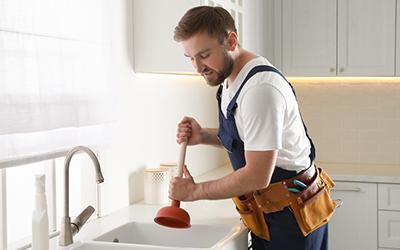
For example, a clogged sink can often be cleared with a plunger or drain cleaner. Replacing a showerhead, tightening a loose faucet handle, or fixing a running toilet may also be simple tasks for homeowners. Many of these repairs only require basic tools and a little patience.
DIY repairs can be a good option when the problem is easy to identify and there is little chance of causing more damage. Online tutorials and instruction manuals can help guide you through basic repairs.
However, even with simple jobs, it is important to know your limits. If a repair starts becoming more complicated than expected, it may be time to stop and seek expert advice before the problem gets worse.
2. When Plumbing Problems Become Too Big for DIY
While some repairs are manageable, others can quickly go beyond basic home maintenance. This is where many homeowners can run into trouble by trying to fix something they do not fully understand.
Burst pipes, low water pressure throughout the house, sewer line issues, or water heater problems are often signs of larger plumbing concerns. These problems usually need professional tools and experience to diagnose and repair correctly.
Trying to fix serious plumbing issues without proper knowledge can lead to flooding, water damage, mold growth, or even structural damage to your home. In some cases, a wrong repair can make the final professional repair more expensive.
This is often the point where calling a plumber is the safer choice. Professionals can identify the real cause of the issue and fix it properly instead of only treating the symptoms.
3. The Cost Difference Between DIY and Professional Repairs
Many people choose DIY because they want to save money. In some cases, that can be true. Fixing a minor leak yourself may cost very little compared to hiring a professional.
But cost should not only be measured by what you spend today. It should also include the possible cost of mistakes. A poorly done repair can lead to bigger problems later, which may cost much more to fix.
For example, using the wrong pipe fitting or over-tightening a connection may create a hidden leak behind a wall. What starts as a simple DIY repair could turn into expensive water damage repairs.
Professional repairs may cost more upfront, but they often provide long-term value. Many experts also offer guarantees on their work, which can provide peace of mind.
The best approach is to compare the risk. If the repair is small and low-risk, DIY may be worth trying. If there is a chance of major damage, professional help is often the better investment.
4. Safety Risks You Should Never Ignore
Safety is one of the biggest reasons to know when to call an expert. Plumbing systems are often connected to water pressure, gas lines, drainage systems, and water heaters. Mistakes in these areas can be dangerous.
For example, repairing a gas water heater without proper knowledge can create serious risks. Sewer line issues can expose you to harmful bacteria. Even a simple leak near electrical wiring can become hazardous.
Many homeowners focus only on whether they can complete a repair, but they should also ask whether they can do it safely.
A professional plumber has the training to handle these risks and follow safety standards. They also know local building codes, which can be important for larger repairs or home improvements.
If a repair involves gas, major water lines, hidden pipes, or anything that could affect safety, it is usually best not to take chances.
5. How to Decide When to Call the Experts
Making the right choice often comes down to asking a few simple questions. How serious is the problem? Do you have the tools and skills to handle it? What could happen if the repair goes wrong?
If the issue is small, visible, and low-risk, a DIY repair may be reasonable. But if the problem is urgent, hidden, or keeps coming back, professional help may be necessary.
Recurring clogs, unexplained leaks, water stains, or unusual sounds in pipes often point to deeper problems. These are warning signs that should not be ignored.
It is also worth considering time and convenience. Some repairs may be possible to do yourself, but they may take hours or even days to figure out. A professional may solve the same issue much faster.
Knowing when to ask for expert help is not a sign of failure. It is often the smartest way to protect your home and avoid unnecessary problems.
Conclusion
DIY repairs can be useful for handling simple plumbing issues and saving money on minor fixes. Learning basic home maintenance can also give homeowners more confidence and help prevent small problems from growing.
But not every repair should be handled alone. Serious plumbing problems, safety concerns, and hidden damage often require professional skill and experience. Trying to fix complex issues without proper knowledge can lead to bigger repairs, higher costs, and avoidable stress.
The key is knowing the difference between a simple task and a job that needs expert attention. By making smart choices, homeowners can keep their plumbing systems working well and protect their property in the long run.
Sometimes the best repair decision is picking up a tool. Other times, it is picking up the phone and calling an expert. Knowing when to do each is what truly makes the difference.
Catégories
Lire la suite
Egypt tourist visa requirements: egypt e visa from uk outlines the process of applying for an Egyptian e-Visa while residing or travelling in the United Kingdom. The egypt e visa from uk system is the fastest and most reliable option for securing entry authorization. Applicants receive confirmation via email, which must be printed and presented at Egyptian immigration. This online tool provides...

Heating, Ventilation, and Air Conditioning (HVAC) systems play a critical role in maintaining indoor comfort, air quality, and energy efficiency across both residential and commercial environments. As energy costs continue to rise and sustainability becomes a priority, optimizing HVAC performance is no longer optional—it is essential. Poorly maintained or inefficient HVAC systems not only...

Online gaming continues to grow as players look for engaging entertainment, smooth gameplay, and a platform that is easy to use. Among the many gaming categories available today, slot games remain one of the most popular choices because they combine simple gameplay with exciting themes and rewarding features. Players appreciate games that are easy to understand while still offering plenty of...

NCsoft's latest quarterly report reveals encouraging trends across its MMORPG portfolio, signaling a positive outlook for the genre. The company experienced an increase in both operating profit and net income compared to the previous quarter and the same period last year, although overall sales remained steady from Q1. This stability is largely driven by the enduring popularity of the Lineage...
According to the latest analysis by Fact.MR, the surgical staplers market is witnessing sustained growth as healthcare systems rapidly adopt minimally invasive procedures, powered stapling devices, and precision-driven surgical workflows. Increasing surgical volumes, combined with advancements in device automation and hospital efficiency mandates, are accelerating global demand for...