The Thermal Catalyst: How Molten Carbonate Fuel Cells are Decarbonizing Heavy Industry

The landscape of global energy production is currently undergoing a structural pivot toward high-efficiency, multi-functional technologies that can bridge the gap between legacy infrastructure and a net-zero future. While much of the public discourse focuses on hydrogen-powered transport, the industrial sector is increasingly turning its attention to the molten carbonate fuel cells market as a primary solution for stationary power and deep decarbonization. Unlike their lower-temperature counterparts, these systems operate at a thermal threshold that enables them to perform a unique dual role: generating high-quality electricity while simultaneously concentrating and capturing carbon dioxide from industrial exhaust streams. As we navigate 2026, the ability of these systems to integrate seamlessly with existing gas infrastructure and heavy industrial processes has positioned them as a cornerstone of the modern "circular" energy economy.
The Science of High-Temperature Efficiency
The operational brilliance of Molten Carbonate Fuel Cells (MCFCs) lies in their high-temperature chemistry. By using an electrolyte composed of a molten carbonate salt mixture, these cells can utilize non-precious metals as catalysts. This significantly reduces the capital expenditure associated with rare earth metals like platinum, which are required in proton-exchange membrane systems. The high-temperature environment also facilitates a process known as internal reforming.
Internal reforming allows the system to convert natural gas, biogas, or even syngas directly into hydrogen within the fuel cell stack itself. By eliminating the need for bulky and expensive external reformers, MCFCs achieve electrical efficiencies that legacy combustion engines simply cannot match. When configured for Combined Heat and Power (CHP), the total energy utilization of these systems can reach impressive benchmarks, making them one of the most efficient thermal management tools available to the modern mechanical engineer.
Carbon Capture: The MCFC Strategic Advantage
The most significant development in 2026 is the transition of MCFCs from pure power generators to carbon capture and sequestration engines. In this configuration, the fuel cell is fed with flue gas from an adjacent industrial plant—such as a cement kiln or a steel mill—at the cathode. As the electrochemical reaction proceeds, carbon dioxide is selectively transferred across the electrolyte to the anode, where it is concentrated and can be easily liquefied for storage or utilization.
This process offers distinct advantages over traditional chemical scrubbing:
-
Energy Positive Capture: Unlike traditional carbon capture, which consumes significant amounts of steam and power, MCFCs generate electricity while capturing carbon.
-
Selectivity: The electrochemical process is highly efficient at concentrating carbon even from dilute exhaust streams.
-
Thermal Integration: The high-grade waste heat produced by the cell can be used directly in the industrial process, further optimizing the facility's overall thermal balance.
Powering the Industrial Frontier
As grid volatility becomes a more pressing concern for energy-intensive sectors, the reliability of stationary MCFC installations is proving invaluable. In 2026, we are seeing a surge in "milli-grid" applications where molten carbonate systems provide the baseload power for data centers, hospitals, and manufacturing hubs. Because these systems are resistant to "poisoning" by carbon oxides, they can be fueled by coal-derived gases or anaerobic digester gas from wastewater treatment plants, providing a resilient power source that is decoupled from the traditional utility grid.
The industrial adoption of this technology is also being driven by its modularity. Modern stack designs allow for scalable deployment, where power capacity can range from several hundred kilowatts for a single facility to multi-megawatt installations for massive district heating and power utilities. This flexibility allows for a phased decarbonization approach, where companies can scale their carbon capture and power generation capabilities in line with their long-term sustainability targets and capital availability.
The Role of Material Science in 2026
One of the primary challenges historically facing the high-temperature fuel cell sector has been the corrosive nature of the molten electrolyte. However, advancements in 2026 in material science have led to the development of next-generation ceramic matrixes and stabilized cathode materials. These innovations have extended the operational lifespan of the fuel cell stacks significantly, improving the long-term return on investment for large-scale projects.
Furthermore, the integration of AI-driven thermal monitoring allows operators to manage the ramp-up and ramp-down phases of the high-temperature cells with extreme precision. This prevents the mechanical stress that can lead to stack degradation, ensuring that the systems can operate at peak performance for years without requiring significant overhauls. The use of advanced sensors ensures that every module within the stack is performing at its optimal electrochemical potential.
Conclusion: Engineering a Sustainable Legacy
The molten carbonate fuel cell is no longer a niche laboratory curiosity; it is a critical instrument of industrial policy. By providing a pathway to decarbonize "hard-to-abate" sectors like heavy manufacturing and chemical processing, this technology is ensuring that the industrial revolution can proceed without a catastrophic environmental cost.
As we look toward the 2030s, the continued refinement of these systems will likely see them integrated with green hydrogen production and reversible electrolysis modes, further expanding their role in the global energy mix. The silent, steady operation of an MCFC stack is the hallmark of a world that values thermal precision and carbon accountability. In the quest for a resilient and sustainable future, the ability to turn industrial waste into clean, high-grade power is a true game-changer. The future of energy isn't just about how we generate power—it's about how intelligently we manage the molecules involved in the process. Through the lens of the modern energy market, molten carbonate technology represents the bridge between the fossil fuel era and a truly carbon-neutral industrial landscape.
Understand industry shifts with well-researched analysis:
Waste Sorting Equipment Market
Catégories
Lire la suite
Pests are more than just an inconvenience—they pose serious threats to health, property, and overall comfort. From rodents and termites to ants, cockroaches, and bed bugs, infestations can escalate quickly if left untreated. Pest control is essential for maintaining safe and healthy living and working environments, protecting both homes and businesses from the damage and health risks...

Jaw pain, headaches, facial tension, and clicking sounds when opening or closing your mouth are often signs of a temporomandibular joint disorder, commonly known as TMJ disorder. For many people in Toronto, these symptoms can quietly disrupt daily life, affecting everything from eating and speaking to sleeping and concentrating. If you are searching for reliable TMJ Disorder Treatment Toronto...

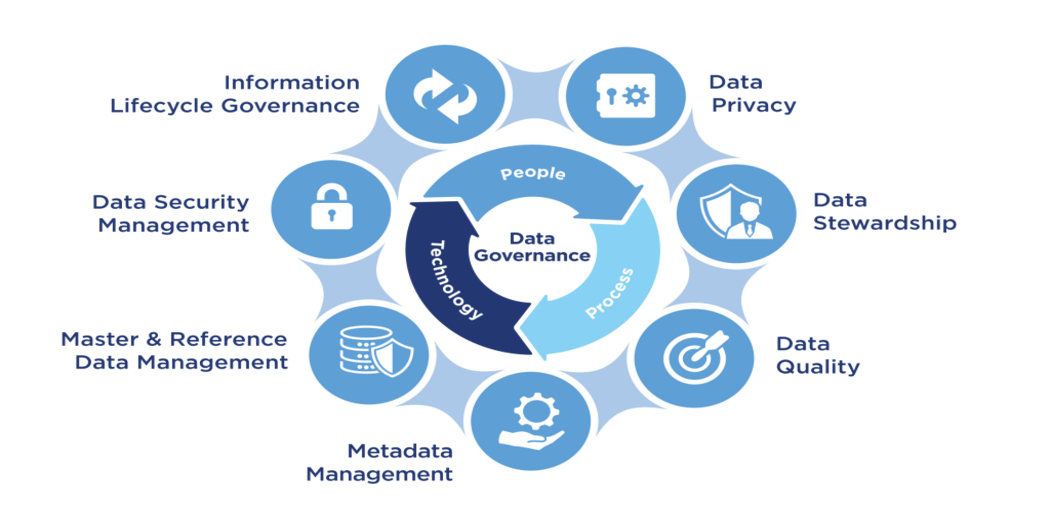
A modern Data Governance Market Platform is a sophisticated, integrated software suite designed to operationalize and automate the principles of data governance across a complex enterprise environment. It is far more than a single tool; it is a comprehensive ecosystem of interconnected modules that work in concert to manage the entire data lifecycle. The primary goal of such a...
Sweet Tooth Season 3 Preview A new trailer pushes Sweet Tooth’s finale into arctic territory, sending Gus and his companions toward Alaska as answers about the hybrids and the mysterious “sick” finally come into focus. The preview is tense and visually bold: perilous landscapes, frantic chases and a sense that something ominous is closing in, voiced by Birdie’s uneasy...

Indore is changing fast. What seemed far yesterday becomes prime location today. Streets that were empty five years ago now buzz with activity. The city grows outward, upward, and smarter. Smart investors don't wait for transformation to complete—they invest during transformation. That's exactly where Indore stands today, particularly along its Super Corridor. Why Indore Deserves Your...