


Kundalini Yoga for Emotional Release and Deep Recovery Healing
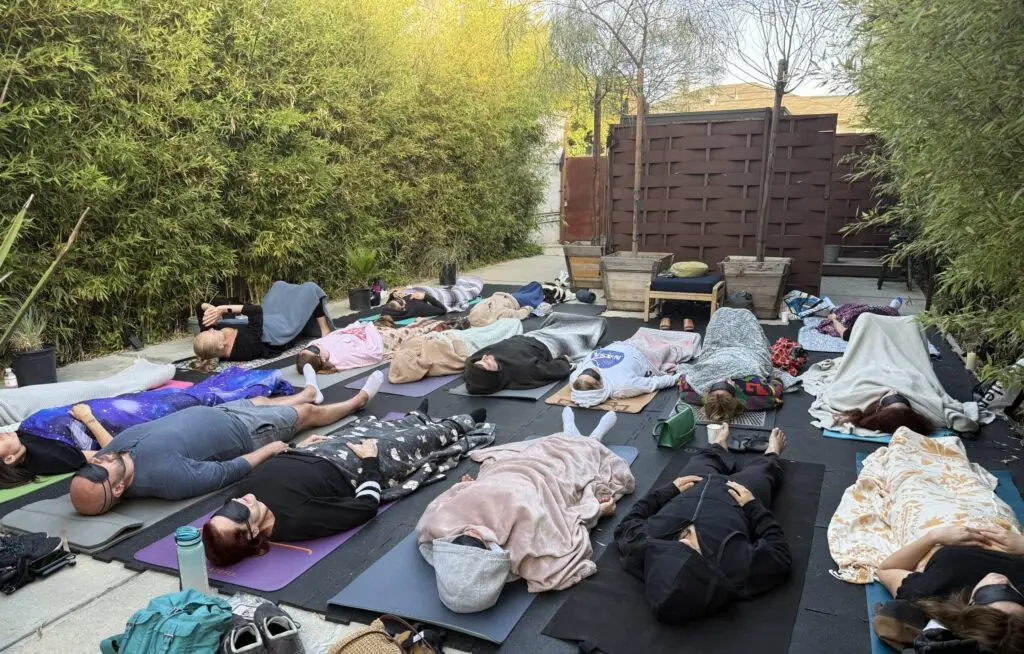
Healing from addiction and emotional stress often requires more than mindset change. The body holds memory, tension, and unprocessed emotions that can quietly shape behavior and internal experience. Within somatic healing practices, Kundalini yoga is often explored as a powerful method for reconnecting with the body and supporting emotional release. When combined with the deeper process of kundalini awakening, it can open pathways to profound inner transformation, especially for individuals in recovery seeking stability, clarity, and emotional freedom.
Kundalini Yoga as a Pathway to Emotional Healing in Recovery
Kundalini yoga is a structured yet deeply experiential practice that combines breath, movement, sound, and focused awareness. Unlike approaches that prioritize only physical fitness or relaxation, it works on the connection between the nervous system and emotional storage in the body. For people in recovery environments, this becomes especially relevant because emotional suppression and trauma patterns often sit beneath addictive behaviors.
The practice encourages awareness of internal sensations without judgment. Over time, this helps individuals recognize emotional triggers before they escalate into reactive cycles. In recovery-focused somatic healing, this awareness is a foundation for change. The integration of Kundalini yoga into this process supports the gradual release of stored tension that may otherwise remain locked in the body.
A kundalini awakening is often described as a heightened state of energy awareness that arises through consistent inner work. While experiences vary, many people report increased emotional sensitivity, clarity, and a stronger sense of presence. In a recovery context, this can support emotional honesty, but it also requires grounding practices to ensure stability.
Nervous System Regulation Through Breath and Movement
One of the most important aspects of Kundalini yoga in healing is breath regulation. The breath directly influences the autonomic nervous system, which is often dysregulated in individuals recovering from addiction or chronic stress. Through structured breathing patterns, the body begins to shift from survival-based reactions into a more balanced state.
This regulation creates space for emotional material to surface safely. Rather than overwhelming the individual, emotions can be experienced in smaller, more manageable waves. This is where the link between Kundalini yoga and kundalini awakening becomes significant. As energy awareness increases, emotional processing becomes more conscious rather than suppressed.
In somatic healing, this process is not about forcing emotional release but allowing the body to express what it has held for long periods. Movement patterns in Kundalini yoga support this by activating areas of the body where tension commonly accumulates, such as the hips, chest, and diaphragm.
Emotional Release and Inner Stability
Emotional release through Kundalini yoga does not always appear dramatic. Often, it is subtle: a softening in the chest, a change in breathing rhythm, or a sense of emotional clarity after practice. Over time, these subtle shifts accumulate into significant internal change.
For individuals experiencing kundalini awakening, emotional intensity may increase temporarily. This is why grounding practices are essential within any recovery-oriented approach. Stability does not mean suppressing energy; it means learning how to move with it safely.
In somatic healing frameworks, emotional release is understood as the body’s natural attempt to return to balance. Kundalini yoga supports this process by offering structured pathways for energy to move rather than remain stuck. This can be particularly valuable for those rebuilding trust with their own internal experiences.
Integrating Practice Into Recovery-Oriented Healing
When Kundalini yoga is integrated into recovery, consistency matters more than intensity. Gentle, repeated practice helps the nervous system build new patterns of regulation. Over time, individuals often report increased emotional resilience and reduced reactivity.
A kundalini awakening does not need to be viewed as an isolated event. Instead, it can be understood as an unfolding process supported by daily embodiment practices. Within this context, yoga becomes less about performance and more about internal listening.
Healing environments that include somatic awareness often emphasize safety, presence, and gradual transformation. Kundalini yoga fits into this approach by providing structure while still allowing deep emotional and energetic exploration.
Conclusion
Kundalini yoga offers a grounded yet transformative pathway for emotional healing, particularly within recovery contexts. When paired with the unfolding experience of kundalini awakening, it can support deeper self-awareness, emotional release, and nervous system regulation. In somatic healing work, this combination helps individuals move beyond survival patterns into a more embodied and conscious way of living.
Catégories
Lire la suite
Saint Michael Clothing brings together deep faith and everyday fashion in a way that feels fresh and real. This brand takes inspiration from Saint Michael the Archangel, the symbol of courage and protection. Every piece of clothing is made to help you feel strong, confident, and connected to something bigger. Whether you are heading to work, hitting the gym, or just relaxing at home, these...

I migliori casino non AAMS sono piattaforme di gioco online che operano senza licenza rilasciata dall’ente regolatore italiano ADM (ex AAMS), ma sotto altre giurisdizioni internazionali. Questi casinò rappresentano un’alternativa sempre più popolare per molti giocatori che cercano maggiore libertà, bonus più elevati e una varietà di giochi...

Online gaming continues to attract players across India, and one of the most engaging titles in the slot-style category is Fortune Crystal Lucky Spins. Its vibrant visuals, fast-paced mechanics, and exciting bonus triggers make it a favorite among casual gamers and strategy-focused players alike. When combined with smart mahadev online book Tricks, the game becomes even more enjoyable,...

Las puertas de entrada de aluminio en Ibiza se han convertido en una elección ideal para propietarios que buscan combinar seguridad, estética y resistencia. El aluminio es un material robusto y ligero que ofrece excelentes propiedades frente a la corrosión, la humedad y la exposición solar, aspectos especialmente importantes en climas mediterráneos como...

The global Automotive Acoustic Materials market size was valued at USD 3.56 billion in 2024 and is expected to reach USD 5.68 billion by 2032, at a CAGR of 6.01% during the forecast period. The global business landscape is undergoing a transformation, with industries increasingly leaning on deep research and actionable insights to make strategic decisions. One...