What Defines Premium Lifestyle in 2026
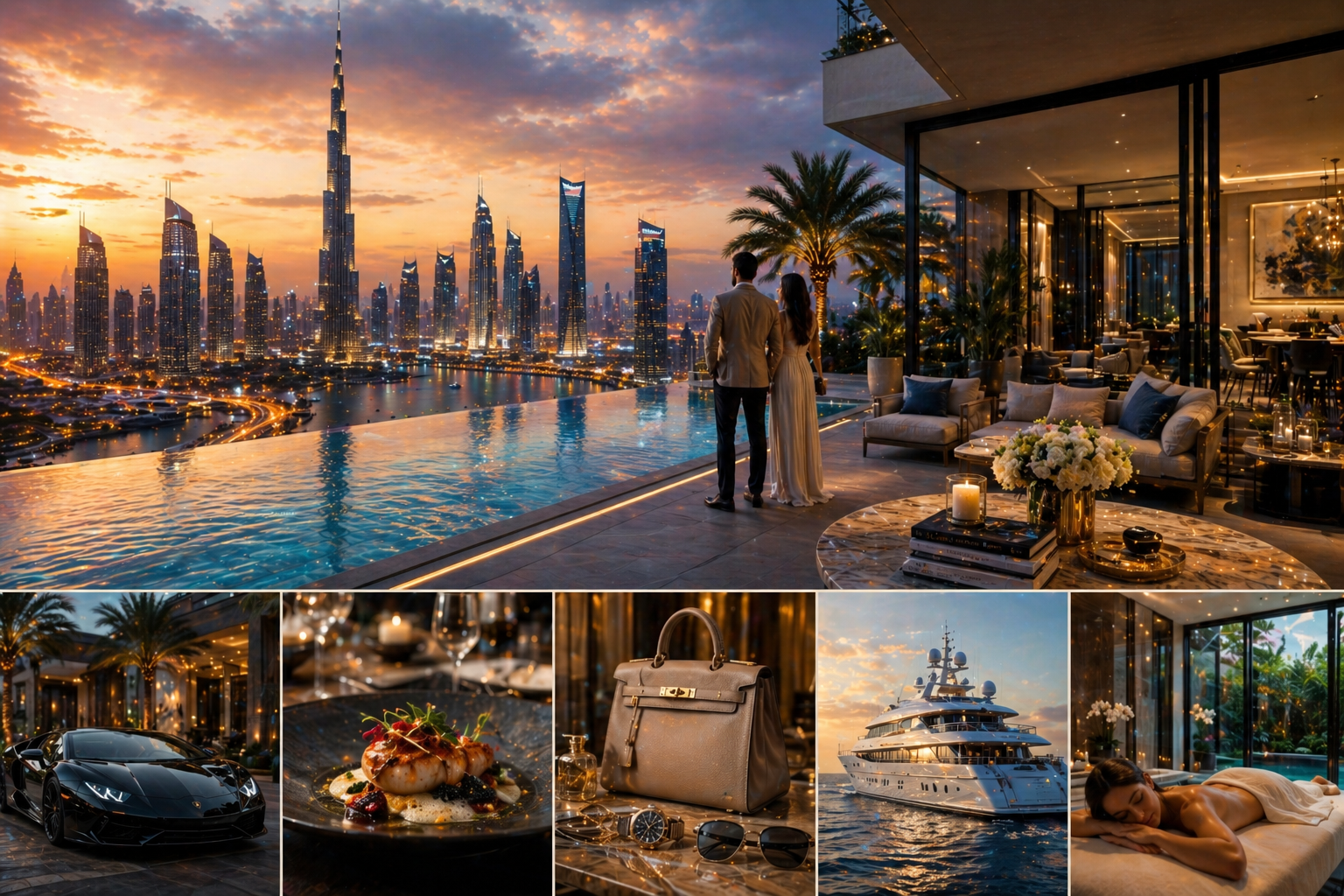
The idea of a premium lifestyle continues to evolve in 2026. It is no longer based only on expensive purchases or visible status symbols. Today, premium living is defined by quality choices, convenience, wellness, privacy, and access to personalized experiences.
Consumers are becoming more selective about how they spend their time and money. They want products and services that offer lasting value, improve daily life, and reflect their standards. This shift has influenced industries such as real estate, travel, fashion, technology, and personal wellness.
For digital platforms like Magnav Middle East, understanding these trends is important for creating content that connects with modern audiences and aligns with current market behavior.
The Shift from Luxury to Value-Based Living
In previous years, premium lifestyle was often linked with ownership of high-priced items. In 2026, the focus has moved toward value-based living.
People now consider premium choices as those that save time, improve comfort, and offer long-term reliability. A well-designed home, trusted concierge services, private travel planning, and efficient smart technology are examples of premium value.
This means the definition of premium has become more practical. It is less about showing wealth and more about enhancing daily experiences.
Personalization is a Standard Expectation
One of the strongest indicators of premium lifestyle in 2026 is personalization. Consumers expect services and products to match their preferences.
This applies across multiple sectors. In hospitality, guests expect tailored stays and customized recommendations. In fashion, clients prefer made-to-measure items or curated selections. In wellness, programs are often designed around personal goals and routines.
Personalization creates convenience and relevance, which are now essential elements of premium living.
Time as a Premium Asset
Time has become one of the most valuable resources. Many consumers define premium lifestyle by how effectively they can manage their schedule.
Services that reduce stress and improve efficiency are in high demand. This includes private transportation, home automation, digital assistants, priority access services, and subscription-based convenience models.
In 2026, premium living often means gaining more control over time rather than simply owning expensive goods.
Smart Technology and Seamless Living
Technology continues to shape high-end living in 2026. Smart systems are expected rather than optional in premium environments.
Homes use integrated controls for lighting, climate, security, and entertainment. Vehicles offer connected experiences and advanced comfort features. Wearable devices help users monitor health and optimize routines.
The goal of technology in premium lifestyle is simplicity. It should work in the background and make daily life easier.
Sustainability and Responsible Choices
Premium consumers are paying closer attention to environmental impact. Sustainable choices are no longer seen as separate from premium standards.
Energy-efficient homes, ethically sourced materials, durable products, and low-waste services are increasingly preferred. Buyers want assurance that quality and responsibility can exist together.
Brands that demonstrate transparency and responsible practices are more likely to earn long-term trust.
Private and Curated Experiences
Exclusive access remains relevant, but it now focuses more on privacy and curation than public display.
Examples include private dining experiences, members-only travel services, limited-capacity events, bespoke shopping appointments, and invitation-based communities.
Consumers value controlled, high-quality environments where attention to detail is prioritized.
Premium Real Estate in 2026
Real estate remains one of the clearest expressions of premium lifestyle, but buyer priorities have changed.
Location still matters, yet buyers also expect:
-
Strong privacy and security
-
Smart home integration
-
Wellness-focused design
-
Flexible workspaces
-
High-quality finishes
-
Access to premium services nearby
A premium property now supports multiple aspects of life rather than serving as a status purchase alone.
Digital Presence and Brand Perception
Premium lifestyle brands must maintain a strong digital presence. Customers often research online before making decisions, so websites, content quality, and user experience influence perception.
Professional platforms managed by Magnav Middle East can help premium brands communicate trust, quality, and relevance through content strategy, SEO, and polished presentation.
In 2026, digital impressions directly affect premium positioning.
Conclusion
What defines premium lifestyle in 2026 is not simply price. It is the combination of convenience, personalization, wellness, privacy, and responsible quality.
Consumers want experiences and products that improve how they live, not just what they own. Businesses that understand this shift can build stronger relationships with modern premium audiences.
Frequently Asked Questions (FAQs)
What is a premium lifestyle in 2026?
A premium lifestyle in 2026 is defined by quality, convenience, personalization, wellness, privacy, and meaningful experiences rather than only expensive purchases.
Is luxury the same as premium lifestyle?
Not always. Luxury often focuses on exclusivity, while premium lifestyle focuses more on value, comfort, and long-term satisfaction.
Why is personalization important for premium customers?
Personalization saves time and creates experiences that match individual preferences, making services more useful and satisfying.
How does sustainability relate to premium living?
Many premium consumers expect ethical sourcing, efficient design, and durable products that reflect responsible choices.
Why is digital presence important for premium brands?
Customers research online first. A strong digital presence builds trust and shapes brand perception before purchase decisions are made.
Categories
Read More
Polaris Market Research has introduced the latest market research report titled Sterile Injectable Contract Manufacturing Market Size, Share, Trends, Industry Analysis Report: By Molecule Type (Small Molecules and Large Molecules), Therapeutic Application, Route of Administration, End Use, and Region (North America, Europe, Asia Pacific, Latin America, and Middle East & Africa) –...
Understanding Logo Design and Branding Services Logo design and branding services focus on creating a cohesive and memorable visual identity for businesses. While logo design provides the primary symbol representing a company, branding services extend beyond the logo to develop colors, typography, graphics, and messaging that reflect the brand’s personality and values. Together, they...

Traveling to France for tourism, school or work is much more pleasant and relaxing when you know some French words and phrases. The language may seem difficult to learn at first, but the acquisition of basic vocabulary can lead to daily interactions that are both smooth and confident, and culturally rewarding. Here are the big survival phrases that will set you up for success on your...
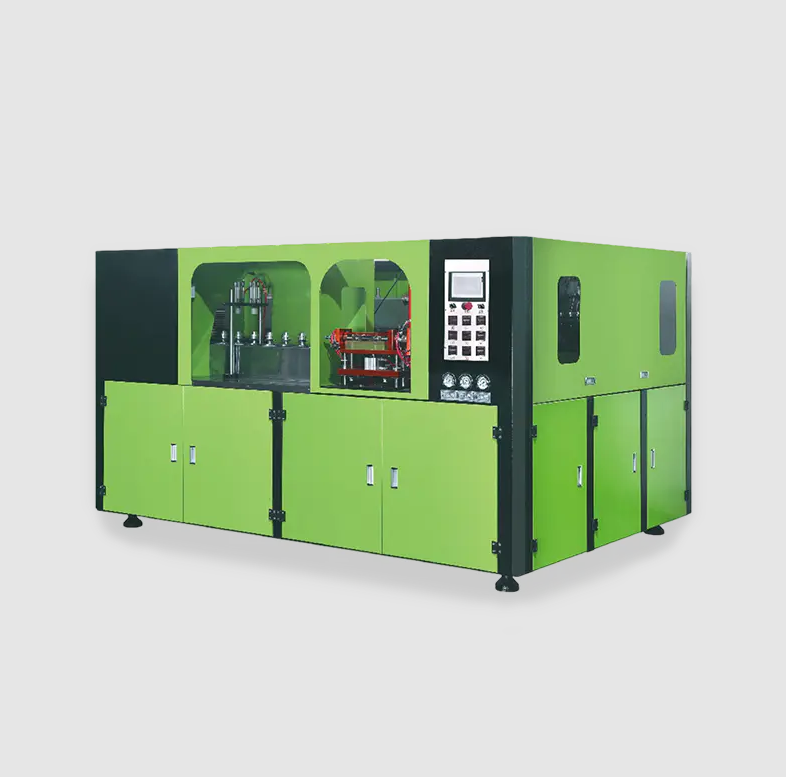
The Wide-Mouth Bottle Blowing Machine and Edible Oil Bottle Blowing Machine are widely used for producing various types of plastic bottles with consistent shapes. Wide-mouth machines are particularly suitable for containers requiring larger openings, while edible oil bottle machines are configured to handle oils safely and maintain container durability. Both types of equipment involve...
The tecno spark 10 pro price in pakistan has become a hot topic among smartphone buyers who are searching for budget-friendly yet feature-rich devices. With rising demand for affordable tech products, consumers are carefully comparing specifications, performance, and value before making a purchase. tecno spark 10 pro price in pakistan smartphone stands out in the competitive market by offering...