


Modern Perimeter Solutions and the Evolution of Residential Fencing
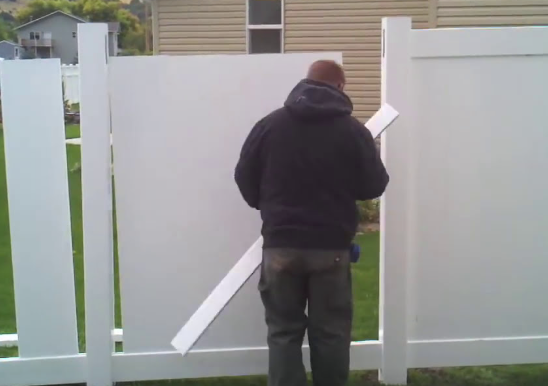
Choosing the right boundary for a property involves more than just selecting a material; it requires understanding how modern engineering has transformed traditional wood and metal alternatives into something far more durable. The shift toward synthetic materials has gained significant momentum over the last decade as homeowners prioritize longevity and low maintenance. Unlike organic materials that succumb to rot, insects, or moisture damage, high-quality synthetic options provide a consistent aesthetic that remains unchanged through seasonal shifts. This reliability stems from the chemical composition of modern panels, which are designed to withstand high UV exposure and fluctuating temperatures without cracking or losing their structural integrity.
When analyzing the long-term value of a property, the perimeter plays a crucial role in both curb appeal and security. A well-installed synthetic fence offers a clean, architectural finish that complements various styles, from classic picket designs to modern privacy walls. The density of the material serves as an excellent sound barrier, reducing ambient noise from busy streets or neighbors. Furthermore, the installation process for these systems has become more streamlined, utilizing interlocking components that provide better stability than older, nailed-together methods. This structural advantage ensures that the fence remains straight and level for decades, even in areas with high wind loads or shifting soil conditions.
Safety is another primary driver behind the popularity of these modern systems. Because there are no splinters, rusted nails, or sharp edges, these fences are ideal for households with children or pets. The non-porous surface also means that mold and mildew struggle to take hold, making it easier to keep the environment hygienic. This combination of aesthetic flexibility, physical durability, and safety makes the transition to high-end synthetic fencing a logical step for any property owner looking to make a one-time investment in their home’s exterior.
Technical Specifications and Material Composition of High-Grade Panels
The secret to a fence that lasts fifty years lies in the specific additives used during the manufacturing process. Quality panels are not merely plastic; they are complex compounds featuring titanium dioxide, which acts as a powerful sunscreen to prevent yellowing and brittleness. Impact modifiers are also integrated into the mix to ensure that the material remains flexible enough to absorb physical shocks without shattering. Understanding these technical nuances helps a homeowner distinguish between thin, retail-grade options and professional-grade materials that offer thicker walls and reinforced internal ribbing.
Thermal expansion is a critical factor that professional installers account for during the layout phase. Because synthetic materials expand and contract with the temperature, the routing of the posts and the attachment of the rails must allow for subtle movement. Failure to account for this can lead to buckling or panels popping out of their tracks. Professional-grade systems often feature heavy-duty aluminum inserts in the bottom rails to prevent sagging over time, especially in wider sections. This internal reinforcement is what allows a fence to maintain its crisp, horizontal lines despite the weight of the panels and the pressure of the elements.
Color retention is another area where modern technology excels. While early versions of synthetic fencing were limited to white or tan, current manufacturing allows for rich wood-grain textures and deep charcoal hues. These colors are "solid-core," meaning the pigment goes all the way through the material. If a scratch occurs, it remains virtually invisible because the color underneath is identical to the surface. This eliminates the need for the constant repainting or staining required by wood, effectively paying for the fence through saved maintenance costs over its lifespan.
Navigating the Selection Process with Digital Resources
In the digital age, the way homeowners research and secure professional services has shifted toward efficiency and transparency. Most people begin their journey by looking for a reputable vinyl fence installer online to compare reviews, portfolios, and material options from the comfort of their homes. This digital vetting process allows for a more informed decision, as one can examine the specific techniques used by various companies, such as their post-setting depths and the quality of the hardware they provide. Finding a specialist who understands the local climate and soil conditions is vital for ensuring the fence remains stable for the long haul.
The convenience of digital platforms also extends to the design phase. Many top-tier providers offer virtual tools that allow users to visualize different styles against their own property lines. This reduces the guesswork and ensures that the final product aligns with the home’s architecture. However, the online search should focus on more than just the lowest price; it should prioritize installers who provide comprehensive warranties and clear communication regarding the scope of the work. A professional who is easily reachable and transparent about their sourcing is far more likely to deliver a result that meets high-quality standards.
Once a selection is made through these digital channels, the physical execution of the project becomes the focus. A skilled team will handle everything from utility marking to the final cleanup, ensuring that the property remains tidy throughout the process. By leveraging the information available through digital searches, homeowners can bypass the frustration of trial and error, moving directly to a partnership with a team that has a proven track record of excellence in synthetic fence applications.
Structural Integrity and Professional Installation Standards
The longevity of a fence is 20% material and 80% installation quality. Even the most expensive panels will fail if the posts are not set correctly. Professional standards dictate that posts must be set deep enough to bypass the frost line, preventing "heaving" during the winter months. In many regions, this means digging holes thirty-six inches deep or more. The use of high-strength concrete to anchor these posts is non-negotiable, as is the precision required to ensure every post is perfectly plumb and aligned. A fraction of an inch of error at the beginning of a run can lead to a significant misalignment by the time the fence reaches the corner.
Gate installation is perhaps the most technical aspect of the entire project. Because gates are the only moving parts of the system, they are subject to the most stress. Professionals often use internal steel frames or specialized bracing to ensure the gate does not sag over time. Heavy-duty stainless steel or powder-coated hardware is used to prevent rust and ensure smooth operation for years. Without these professional-grade reinforcements, a gate will quickly become difficult to latch, compromising the security of the entire perimeter.
Drainage and grading also play a role in the layout. A professional installer will evaluate the slope of the land to decide between "stepping" the fence or "racking" it. Stepping involves keeping each section level and creating a stair-step effect on hills, while racking allows the rails to follow the contour of the ground. Each method has its own aesthetic and functional benefits, and a professional can guide the homeowner toward the choice that best suits their specific landscape. This level of detail-oriented planning is what separates a DIY attempt from a professional, long-lasting installation.
Enhancing Privacy and Security through Strategic Design
Beyond aesthetics, a primary reason for installing a new perimeter is the desire for seclusion. Privacy fencing is designed with interlocking tongue-and-groove boards that eliminate gaps, providing a solid wall that blocks prying eyes and reduces wind flow. This creates a true outdoor living space where families can relax without feeling exposed to the neighborhood. The height of these panels can often be customized, with many homeowners opting for a six-foot privacy wall topped with a decorative lattice or "spindle top" to add visual interest while maintaining security.
Security is naturally enhanced by the sheer height and durability of these modern materials. Unlike wood, which can have boards kicked out or pried off, synthetic panels are incredibly difficult to breach. The smooth surface makes it hard for unauthorized individuals to gain a foothold for climbing. For those with swimming pools, these fences are often a legal requirement, and a professional installation ensures that all gates are self-closing and self-latching to meet local safety codes. This peace of mind is invaluable for homeowners who prioritize the safety of their children and pets.
Furthermore, the integration of smart technology into fencing systems is becoming more common. Many homeowners now choose to add integrated lighting into the post caps, which can be controlled via smartphone or set on a timer. This not only highlights the beauty of the fence at night but also serves as a deterrent to intruders. When combined with the inherent strength of the material, these design choices transform a simple boundary into a comprehensive security and lifestyle feature for the property.
Quality Craftsmanship in Local Fencing Solutions
When it comes to securing a property with excellence, R&M Fence stands out as a leader in delivering durable and aesthetically pleasing perimeter solutions. The company focuses on using premium materials that are specifically engineered to withstand the rigors of the local climate, ensuring that every installation remains as beautiful as the day it was completed. Their team of skilled technicians brings years of experience to every project, emphasizing precision in post-setting and gate alignment to ensure long-term functionality. By prioritizing high-grade components and meticulous attention to detail, R&M Fence provides homeowners with a seamless experience from the initial consultation to the final walk-through. Whether the goal is to increase privacy, enhance curb appeal, or provide a safe space for the family, their commitment to craftsmanship ensures a result that adds lasting value to any home.
Conclusion
Investing in a high-quality perimeter is a significant decision that impacts the function and value of a home for decades. By selecting materials that offer superior resistance to the elements and prioritizing professional installation techniques, homeowners can enjoy a maintenance-free boundary that enhances their quality of life. The transition to synthetic options represents a modern approach to property management, where durability and aesthetics coexist without the need for constant labor or chemical treatments.
The process of finding a reliable specialist to handle the project has been simplified through digital access, allowing for better research and more transparent service. Focusing on structural integrity, such as proper post depths and gate reinforcements, ensures that the initial investment is protected against the tests of time and weather. A well-constructed fence does more than just mark a property line; it creates a sanctuary of privacy and security for the inhabitants.
Categorias
Leia mais
Lakmé Academy, Kalkaji is a name to trust for professional beauty learning and is recognized as the Best Makeup Academy in Kalkaji. The academy is designed for those who want to shape their artistic and beauty-related career. The academy provides training relevant to the makeup industry and provides professional makeup courses in Kalkaji to those who want to begin their makeup-related...
Trong kỷ nguyên số, việc lựa chọn một nền tảng giải trí trực tuyến không chỉ dừng lại ở yếu tố hấp dẫn mà còn phụ thuộc vào cách bạn sử dụng nó. SUNWIN là một ví dụ điển hình cho xu hướng này khi mang đến trải nghiệm linh hoạt, nhưng đồng thời cũng đòi hỏi người dùng có sự kiểm soát...

Polaris Market Research has introduced the latest market research report titled 5G Millimeter Wave Radio Frequency Chips Market Share, Size, Trends, Industry Analysis Report : By Type (CPU, GPU, FPGA, DSP, ASIC, and Others), By Application, and By Region (North America, Europe, Asia Pacific, Latin America, and Middle East & Africa) – Market Forecast, 2025–2034 that...

Many students in Dubai dream about studying in countries like the UK, USA, Canada, Australia, and Europe. But the process can feel confusing. There are forms to fill out, documents to prepare, and visa rules to understand. This is where study abroad consultants in Dubai can help. In this easy guide, you will learn what study abroad consultants in Dubai do, how a study visa consultant in Dubai...

Introduction As artificial intelligence systems continue to scale in complexity, compute infrastructure has become one of the primary constraints on model development. Modern neural networks—especially deep learning architectures such as transformers, diffusion models, and large language models—require enormous computational throughput, memory bandwidth, and parallel processing...