


Elevating Fabric Care and Textile Longevity
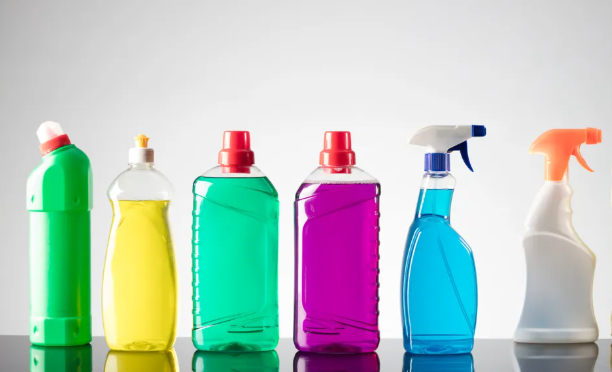
Textiles have become increasingly complex over the past few decades, with a blend of natural fibers and synthetic polymers dominating modern wardrobes. Understanding how these materials interact with water and cleaning solutions requires a deeper look into the chemistry of everyday laundering. Cotton, silk, wool, and synthetic blends each possess unique structural properties that respond differently to standard surfactants. When fabrics are subjected to harsh industrial cleaning agents, their microscopic fibers can weaken, leading to pilling, fading, and a general loss of softness.
Textile chemists spend years studying the degradation of fabrics caused by unbalanced pH levels in the wash water. The balance between alkalinity and acidity is what determines how effectively dirt and oils are lifted without stripping the fiber's natural coatings. By switching from harsh formulas to gentler, more refined cleaning agents, you allow the fabric to retain its structural integrity over dozens of washes. This approach focuses on nourishing the threads rather than simply stripping away residue through abrasive chemical action.
Preserving Fabric Integrity and Color Vibrancy
The quest for maintaining the original hue and texture of clothing goes beyond using basic water. Fabrics lose their vibrant colors because hard minerals and harsh chemicals cause microscopic abrasions on the surface of the threads. These abrasions scatter light differently, making the colors appear dull and faded over time. To prevent this, specialized cleaning solutions utilize enzyme-based formulas that target specific stains without scouring the surrounding fabric during the wash cycle.
Enzymes such as protease, amylase, and lipase break down proteins, starches, and fats at a molecular level. Instead of relying on aggressive bleaching agents, these enzymes gently dissolve the bonds holding the stain to the textile. Furthermore, color-locking polymers are often integrated into the formulation to prevent dye transfer between fabrics during the wash cycle. This ensures that dark garments stay dark and bright garments remain vivid, wash after wash.
The Science Behind Premium Cleaning Formulations
When exploring the specific ingredients that make up advanced washing solutions, one discovers a high concentration of plant-derived surfactants and mineral-based conditioning agents. Traditional washing powders rely heavily on synthetic fillers and sulfates, which can leave a powdery, stiff residue on fabrics. A luxury detergent, on the other hand, utilizes concentrated plant-based alternatives that dissolve completely in both hot and cold water. This complete dissolution is the secret to a residue-free rinse that leaves garments feeling soft and smelling naturally fresh.
Additionally, premium formulations include natural moisturizers like glycerin and aloe vera derivatives. These ingredients coat the individual fibers, providing a protective barrier against friction in the machine drum. The science of high-end laundering is built upon the premise that cleaning should be a restorative process, not just a cleansing one. The molecular structure of these liquids allows them to penetrate the core of the fabric, removing deep-seated odors while softening the textile fibers from the inside out.
Environmental Impact and Sustainable Ingredients
Sustainability has become a defining factor for environmentally conscious households. Advanced laundry solutions prioritize biodegradable ingredients that break down safely in the ecosystem after being washed away. Phosphates and synthetic optical brighteners, which were once common in household products, have been replaced with biodegradable chelating agents and natural extracts derived from coconut and corn.
These environmentally friendly ingredients ensure that the water discharged from the washing machine does not harm aquatic life or contaminate local water supplies. Biodegradable surfactants reduce the surface tension of the water, allowing dirt to be washed away efficiently using less energy and water. The production processes for these premium solutions also utilize renewable energy and minimal plastic packaging, contributing to a circular economy and reducing the overall carbon footprint of household chores.
Advanced Odor Neutralization Techniques
Eliminating unwanted odors from synthetic and natural fabrics is a significant challenge in modern laundering. Traditional fragrances often simply mask unpleasant smells with strong artificial perfumes, which can trigger allergies and cause respiratory irritation. Advanced odor neutralization works by binding to volatile organic compounds and neutralizing them at the molecular level without relying on synthetic masking agents.
These techniques use natural essential oils and biotechnology to break the bonds of the odor-causing bacteria. The resulting scent profile is subtle and botanical, derived from real plant extracts rather than synthetic fragrances. This ensures that the clothing smells clean and fresh for a much longer period, as the odor is eradicated rather than covered up by strong, overpowering perfumes.
Enhancing Textile Lifespan Through Temperature Control
The temperature of the water plays a critical role in how textiles react to cleaning agents. While hot water can be effective at killing bacteria, it can also shrink natural fibers and cause colors to bleed or fade prematurely. Conversely, cold water is gentle but may not effectively dissolve heavier, greasy residues or eliminate certain stains.
Mastering the balance requires understanding how to adjust the temperature according to the fabric type. Using cold water cycles combined with highly effective surfactants allows the cleaning agent to perform its function without causing thermal stress to the material. This technique not only preserves the lifespan of the garments but also significantly reduces household energy consumption, making it a cost-effective choice for long-term textile maintenance.
Transforming Home Laundry with Pure Water Solutions
Achieving the perfect wash relies heavily on the quality of the water entering the washing machine. Hard water, which contains high levels of calcium and magnesium, reacts with cleaning agents to form a sticky soap curd. This curd clings to fibers, making clothes feel stiff and gray over time. By installing a high-efficiency water conditioning and filtration system, you can eliminate these abrasive minerals before they ever touch your laundry.
The technology offered by Rayne Water provides a continuous supply of softened and filtered water throughout the household. When your washing machine operates with pure, soft water, the cleaning agents perform at maximum efficiency without any interference from heavy minerals. This means you need to use significantly less liquid or powder per load, saving resources while achieving a deeper clean. The fibers remain soft, the colors remain bright, and the overall longevity of your wardrobe increases dramatically.
The Future of Advanced Fabric Care
The approach to keeping textiles clean and vibrant is undergoing a significant transformation as people realize the long-term benefits of proper laundering. Treating clothing with the same care as one would treat delicate skin requires an understanding of both the water quality and the ingredients used during the wash cycle. By utilizing refined, plant-based products and optimized water systems, households can reduce waste and maintain the original texture and color of their garments indefinitely.
Categorias
Leia Mais
POE2 Currency continues to offer an expansive playground for creative and effective character builds, and the Archer Monk stands out as a particularly distinctive option. This hybrid class combines the precision and long-range damage of an archer with the mobility, tactical awareness, and defensive resilience of a monk. The result is a versatile build that excels in sustained damage, agility,...

"Executive Summary Food Anti Caking Agents Market Size and Share Forecast Data Bridge Market Research analyses that the global food anti caking agents market will grow at a CAGR of 5.4% from 2023 to 2030. The comprehensive market information and data of the Food Anti Caking Agents report will surely grow business and improve return on investment (ROI). Food Anti Caking Agents Market...

According to the latest report published by Data Bridge Market Research, the Geotechnical Instrumentation - Monitoring Market CAGR Value Data Bridge Market Research analyses that the geotechnical instrumentation - monitoring market was valued at USD 3.52 billion in 2022 and is expected to reach USD 7.60 billion by 2030, registering a CAGR of 10.10% during the forecast...
The air connection between Lahore to Quetta flight schedule is one of the most important domestic routes in Pakistan, linking the cultural heart of Punjab with the rugged and scenic capital of Balochistan. This route is not only significant for business travelers but also for students, families, and tourists who regularly move between these two major cities. The flights...

Most people start browsing outfits without thinking about where they will actually wear them. That confusion becomes visible when the outfit feels too heavy or too simple later. A well-chosen red lehenga should match the event type and timing properly. Day events usually feel better with lighter styling and balanced colors. Evening functions allow slightly richer designs without...