Are Warehouse Management Solutions Just Hype or Real Game-Changers?
In today’s fast-paced digital economy, businesses are under constant pressure to deliver faster, manage inventory efficiently, and reduce operational costs. This is where the concept of a warehouse management system (WMS) enters the spotlight. But here’s the real question—are these solutions truly transformative, or are they just another overhyped technology trend?
If you’ve ever struggled with stock mismanagement, delayed shipments, or inefficient warehouse operations, you’ve likely considered investing in warehouse management software. However, with so many claims about automation, accuracy, and scalability, it’s natural to wonder whether these systems actually deliver real value.
In this article, we’ll break down the truth behind WMS software, explore its real-world impact, and help you decide whether it’s a smart investment or just marketing noise.
Understanding Warehouse Management System (WMS)
A Warehouse Management System is a digital solution designed to manage and optimize warehouse operations, from inventory tracking to order fulfillment. It acts as the backbone of modern supply chains by improving visibility, accuracy, and efficiency.
Key Functions of WMS Software
A robust warehouse management software typically includes:
- Real-time inventory tracking
- Order processing and fulfillment
- Warehouse tracking and reporting
- Integration with ERP and logistic software management systems
- Automation of repetitive warehouse tasks
Modern cloud-based warehouse management systems go a step further by offering remote access, scalability, and real-time data synchronization.
Why Warehouse Management Solutions Are Gaining Popularity
The rise of e-commerce and global trade has made warehouse optimization more critical than ever. Businesses can no longer rely on manual processes or outdated systems.
1. Growing Demand for Inventory Accuracy
With increasing competition, even small inventory errors can lead to lost customers. Inventory software integrated within a WMS ensures accurate stock levels, reducing overstocking and stockouts.
2. The Need for Faster Deliveries
Customers expect same-day or next-day delivery. A warehouse solution powered by automation helps streamline picking, packing, and shipping processes.
3. Rise of Warehouse Automation
Technologies like barcode scanning, RFID, and AI-driven forecasting are transforming traditional warehouses into smart hubs. This evolution is driven by warehouse technology advancements.
4. Expansion of E-commerce
An e-commerce warehouse management system is essential for handling high order volumes, returns, and multi-channel sales efficiently.
Are Warehouse Management Systems Really Game-Changers?
Let’s move beyond the hype and look at real benefits.
Improved Efficiency in Warehouse Operations
A well-implemented warehouse management system significantly reduces manual work. Tasks like inventory updates, order tracking, and reporting become automated, saving time and minimizing errors.
Real-Time Visibility and Control
One of the biggest advantages of warehouse inventory management software is real-time data access. Businesses can monitor stock levels, track shipments, and make informed decisions instantly.
Cost Reduction and ROI
Although the initial investment may seem high, the long-term savings are substantial. Reduced labor costs, fewer errors, and optimized storage lead to better profitability.
Scalability for Growing Businesses
Whether you’re a startup or an enterprise, a cloud WMS can scale with your business. This flexibility makes it one of the best warehouse management software options for modern companies.
When WMS Feels Like Hype
Despite its benefits, not every business experiences immediate success with a warehouse management system.
Poor Implementation
Without proper planning and training, even the best WMS software can fail. Implementation challenges often lead to frustration and underutilization.
High Initial Costs
For small businesses, investing in warehouse management software India solutions can feel expensive, especially without clear ROI expectations.
Overcomplicated Features
Some systems come with features that businesses don’t actually need. This can make the software difficult to use and reduce overall efficiency.
Real-Life Example: Transformation Through WMS
Consider a mid-sized e-commerce business struggling with inventory mismatches and delayed deliveries. After implementing a cloud-based warehouse management system, they achieved:
- 40% reduction in order processing time
- 60% improvement in inventory accuracy
- Significant decrease in return rates
This example highlights how the right warehouse solution can drive measurable results.
The Role of WMS in India’s Growing Market
India’s logistics and e-commerce sectors are expanding rapidly, increasing the demand for inventory management in India. Businesses are actively adopting WMS software India solutions to stay competitive.
Why Indian Businesses Need WMS
- Complex supply chains
- High order volumes
- Increasing customer expectations
- Need for real-time warehouse tracking
The adoption of warehouse management software India is no longer optional—it’s becoming essential.
Key Features to Look for in the Best Warehouse Management System
Choosing the best warehouse management system requires careful evaluation.
Cloud-Based Accessibility
A cloud WMS ensures flexibility, remote access, and easy updates.
Integration Capabilities
Your WMS should integrate seamlessly with ERP, CRM, and work order management software.
Advanced Reporting
Data-driven insights are crucial for warehouse optimization.
User-Friendly Interface
Complex systems reduce productivity. Simplicity is key.
Pros and Cons of Warehouse Management Systems
Pros
- Improved inventory accuracy
- Faster order fulfillment
- Enhanced warehouse automation
- Better decision-making through analytics
- Scalability and flexibility
Cons
- High upfront costs
- Implementation challenges
- Training requirements
- Dependence on technology
FAQs About Warehouse Management Systems
Is a Warehouse Management System suitable for small businesses?
Yes, especially with the rise of cloud-based warehouse management systems, small businesses can now access affordable solutions.
How does WMS improve warehouse operations?
It automates tasks, improves inventory tracking, and enhances overall efficiency.
What is the difference between inventory software and WMS?
Inventory software focuses mainly on stock tracking, while a WMS manages complete warehouse operations.
Is WMS necessary for e-commerce businesses?
Absolutely. An e-commerce warehouse management system is crucial for handling high volumes and ensuring fast deliveries.
Conclusion: Hype or Game-Changer?
So, are warehouse management solutions just hype or real game-changers?
The answer lies somewhere in between. A Warehouse Management System is not a magic solution, but when implemented correctly, it can transform your business operations. It improves efficiency, reduces costs, and enhances customer satisfaction—making it a powerful tool rather than just a trend.
However, success depends on choosing the right warehouse management software, proper implementation, and aligning it with your business goals.
If you’re looking to upgrade your warehouse operations, now is the time to explore reliable solutions like Stackerbee Technologies, which offers advanced and scalable WMS solutions tailored for modern businesses.
Categorias
Leia mais
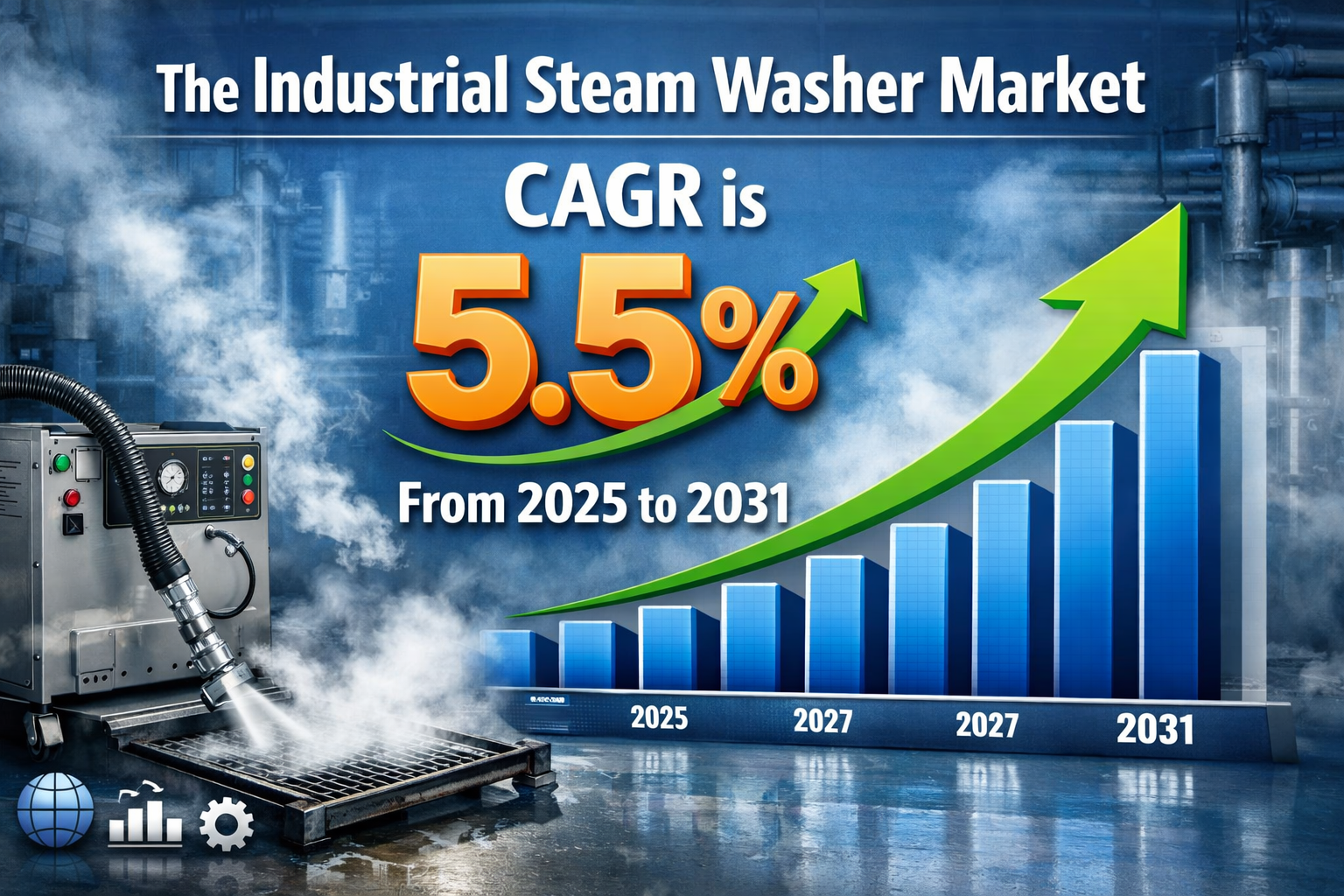
The global industrial cleaning landscape is undergoing a significant transformation as companies shift away from traditional chemical-based cleaning methods toward more sustainable and efficient alternatives. Industrial steam washers have emerged as a primary solution for heavy-duty sanitation and degreasing across various sectors. These systems utilize the power of high-temperature steam...
Your wedding bouquet is more than a beautiful arrangement — it’s a piece of your love story. With Bridal bouquet pressed flowers Sydney, Pressed bridal flowers Sydney, and Pressed flowers Sydney, you can preserve the beauty and sentiment of those cherished blooms in a timeless, handcrafted floral artwork. It’s the perfect way to hold onto the emotion, elegance, and uniqueness...

"Executive Summary Kraft Liner Market Value, Size, Share and Projections Data Bridge Market Research analyses that the kraft liner market was valued at USD 704.51 million in 2021 and is expected to reach the value of USD 1174.75 million by 2029, at a CAGR of 6.6% during the forecast period of 2022 to 2029. The world class Kraft Liner Market research report is a critical aspect in...

Introduction Traveling in and around Chandigarh has never been easier. Whether you are commuting within the city, heading to nearby towns, or planning a long outstation trip, having a reliable taxi service can make your journey smooth, comfortable, and stress-free. A professional taxi service ensures safety, punctuality, and convenience, allowing you to focus on your plans rather than...

Despite its core focus on malware detection and removal, McAfee is venturing into the realm of digital rights management through strategic partnerships, recognizing the importance of asset identification in today's enterprise security landscape. This morning, McAfee announced a collaboration with Adobe to distribute Data Loss Prevention (DLP) technology, a suite designed to safeguard sensitive...