Solving Moto Light EMI & CAN-bus Errors in B2B Fleet Design

For B2B procurement teams and fleet engineers, the challenge of moto light integration has shifted from "finding the brightest bulb" to "stabilizing the electrical ecosystem." As motorcycles evolve into data-heavy platforms with complex ECUs, adding auxiliary lighting is no longer a simple two-wire task.
If your fleet or product line is experiencing intermittent "lamp out" errors or radio frequency interference, you are likely hitting one of these three technical walls.
1. The CAN-bus "Ghost" Error and Hyperflash
Modern B2B motorcycle fleets utilize Controller Area Network (CAN-bus) systems to monitor circuit health. Traditional auxiliary lights often draw current in a way that the ECU interprets as a short circuit or a blown bulb.
The Problem: Many LED "Moto light" modules have a resistance profile that doesn't match OEM specifications. This leads to Hyperflash (rapid blinking) or the ECU cutting power to the lighting circuit entirely as a safety measure, leaving riders in the dark during critical operations.
The B2B Solution:
-
Active Load Simulation: Instead of using passive resistors (which generate extreme heat), specify lighting modules with Integrated CAN-bus Logic. These modules communicate with the ECU to simulate a standard load without the thermal liability of a resistor.
-
Non-Invasive Inductive Triggers: Utilize smart relays that trigger off the magnetic field of the OEM wiring rather than tapping directly into the signal wire, preserving the integrity of the factory harness.
2. EMI and High-Voltage Architecture Conflict
With the 2026 industry shift toward 48V electrical platforms and Honda’s V3 high-efficiency engines, the electromagnetic environment on a bike is increasingly "dirty."
The Problem: Poorly shielded LED drivers in auxiliary lights act as miniature radio transmitters. This Electromagnetic Interference (EMI) can disrupt GPS signals, Bluetooth-enabled helmets, and even critical IMU (Inertial Measurement Unit) data used for lean-angle traction control.
The Fix:
-
CISPR 25 Class 3 Compliance: Only procure lighting that meets automotive-grade EMI standards.
-
Ferrite Core Integration: For high-performance fleet applications, ensure the "moto light" harness includes molded-in ferrite cores to suppress high-frequency noise before it enters the vehicle's main power rail.
3. Vibration-Induced Solder Fatigue
B2B applications—whether for delivery fleets, emergency services, or off-road patrols—subject lighting to constant, high-frequency vibration that consumer-grade lights cannot withstand.
The Problem: Standard LED chips are often surface-mounted (SMT) with rigid solder. Over thousands of miles, the difference in thermal expansion between the LED and the PCB, combined with road vibration, leads to Micro-cracking. This results in flickering or total module failure.
Strategic Mitigation:
-
Potting Compounds: Demand modules where the internal electronics are "potted" in thermally conductive epoxy. This locks components in place, preventing mechanical stress on solder joints.
-
Military-Spec (MIL-STD-810H) Testing: Move past IP67 ratings and require vibration-stress testing that simulates the specific harmonic resonance of a running motorcycle engine.
Conclusion
Optimizing a moto light strategy for a B2B model requires a shift from lumens to logic. Success in 2026 is defined by how well an auxiliary system "shakes hands" with the bike’s ECU and survives the brutal vibration of industrial use. By prioritizing CAN-bus compatible drivers, EMI-shielded electronics, and potted internal components, manufacturers can eliminate the downtime and safety risks associated with sub-standard lighting integration.
Nach Verein filtern
Read More
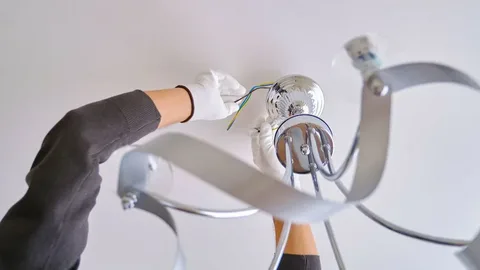
Lighting plays a major role in the comfort, appearance, and functionality of any home or business. Professional Light Fixture Installation Yardley PA services help property owners upgrade their lighting safely and efficiently. Whether installing new fixtures or replacing outdated ones, proper installation improves visibility, energy efficiency, and overall design. Choosing experienced Light...
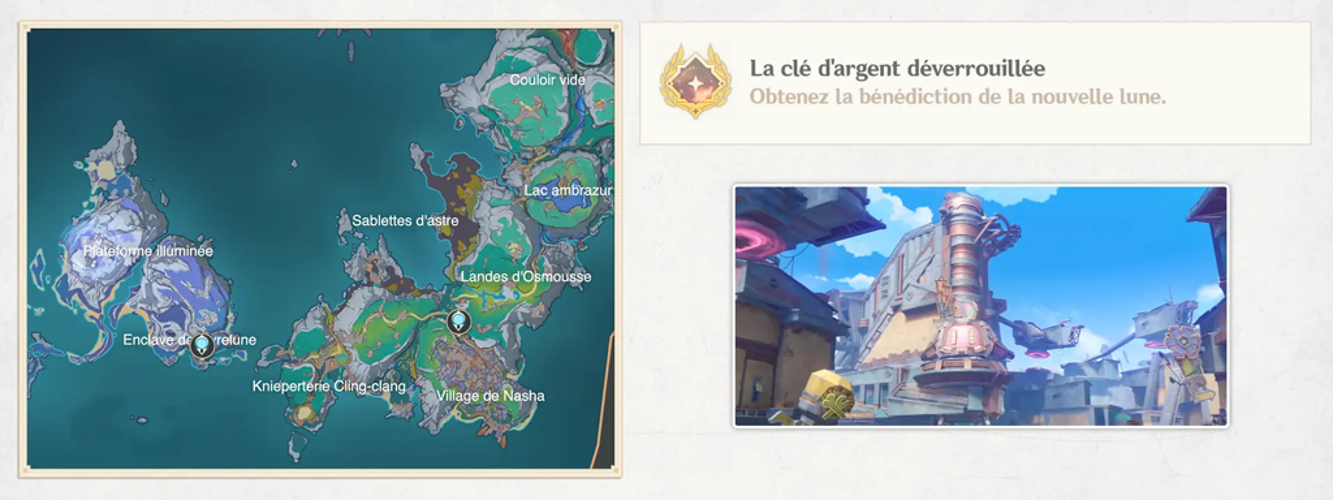
Aventures Mystérieuses Au début de l’aventure à Natlan, près de l’entrée du stade du Sanctifeu, une quête mystérieuse débute, évoquant un « ballet parmi marées enneigées et bosquets givrés » (chant de l’astre de la nuit – acte 1). Cette investigation secrète permet de...
Cricket fans around the world eagerly wait for the excitement of the ICC Men's T20 World Cup, where the best teams compete in fast-paced matches filled with action, drama, and unforgettable moments. During such tournaments, many users log in to platforms like Reddybook to follow live updates, monitor match statistics, and track real-time changes during games. However, during...
In the fast-growing digital world, users expect platforms to be simple, reliable, and enjoyable. LLWIN is designed with these expectations in mind. As an innovative online entertainment platform, LLWIN is built on a perfect balance between convenience and user experience. It provides a clear, user-friendly interface that helps newcomers get started quickly while also offering advanced...

After a triumphant return to global competition, Simone Biles showcased her remarkable talent at the Paris 2024 Olympics, securing a gold medal with the US gymnastics team on July 30. This victory marked a significant milestone in her illustrious career, reaffirming her status at the pinnacle of the sport. Fans can now delve into her inspiring story through episodes 3 and 4 of Simone Biles...