What is a Bank Statement Loan and How Does It Benefit Entrepreneurs?

The modern economy is no longer defined strictly by the traditional nine-to-five office job where a steady paycheck arrives every two weeks. Today, millions of people operate as freelancers, consultants, and small business owners, driving innovation and growth across various sectors. However, when these individuals walk into a traditional bank, they often face a wall of bureaucracy because their tax returns show heavy deductions. Learning what is a bank statement loan can be the turning point for these professionals, as it offers a way to prove creditworthiness using actual cash flow rather than net taxable income. This financial product bridges the gap between the complex reality of self-employment and the dream of owning a home.
The Mechanics of Cash Flow Based Lending
Traditional mortgages rely heavily on the bottom line of a tax return, which is often minimized by savvy business owners looking to reduce their tax liability. Alternative financing shifts the focus to the top line of your bank accounts. By reviewing twelve to twenty-four months of deposits, a non qm lender can calculate a qualifying income that reflects the true earning power of the business. This method acknowledges that business expenses on paper don't always equate to a lack of funds available for a monthly mortgage payment.
Eligibility and Documentation Requirements
While the process is more flexible than a conventional loan, it is not a "no-doc" loan. Borrowers must still demonstrate a consistent history of earnings and a solid financial foundation. Generally, you will need to provide either personal or business bank statements to show the frequency and size of your deposits. The following table outlines the typical requirements you might encounter during the application process:
|
Requirement |
Standard Expectation |
Why It Matters |
|
Time in Business |
At least 2 years |
Proves the stability and longevity of your income source. |
|
Statement History |
12 to 24 months |
Allows the lender to see seasonal trends and average monthly flow. |
|
Expense Ratio |
Fixed or actual |
Determines how much of your deposit is profit versus overhead. |
|
Liquid Reserves |
3 to 12 months |
Ensures you have a safety net for future mortgage payments. |
Overcoming Credit Challenges in the Modern Market
It is a common misconception that you need a perfect credit score to step away from the traditional lending path. Life involves unexpected turns, and sometimes those turns leave a mark on your financial record. Fortunately, securing a 600 credit score mortgage is a realistic goal within the alternative lending space. These programs are designed to look at the "why" behind the numbers, focusing on your current ability to manage debt rather than dwelling solely on past setbacks. This inclusivity ensures that a temporary dip in your score doesn't become a permanent barrier to property ownership.
Key Advantages for Self-Employed Borrowers
The primary benefit of moving away from standard government-backed loans is the ability to keep your tax strategies intact while still qualifying for a high-value property. There are several reasons why this path is preferred by entrepreneurs:
-
Higher Loan Amounts: Since qualifying income is based on deposits, you can often qualify for a much larger loan than a tax return would allow.
-
Flexibility with Write-offs: You can continue to take legitimate business deductions without worrying about how they impact your home buying power.
-
Streamlined Approval: Underwriters for these programs are trained to understand business structures like LLCs, S-Corps, and sole proprietorships.
-
Personalized Service: You work with experts who see you as a business partner rather than a line item on a spreadsheet.
Investing in Your Future with Specialized Financing
For those who have already mastered the art of running a business, the next logical step is often building a real estate portfolio. When you decide to branch out into the rental market, an income property loan becomes an invaluable tool. Unlike a primary residence loan, these products often weigh the potential rental income of the property itself more heavily than your personal income. This allows you to scale your investments based on the quality of the real estate you are purchasing, creating a path toward passive wealth that isn't limited by your personal debt-to-income ratio.
Understanding the Underwriting Nuances
When an underwriter looks at your bank statements, they are looking for patterns. They want to see that your deposits are consistent and that your business has "legs." They will often apply an expense factor to your total deposits—often around 50% for service-based businesses—to estimate your take-home pay. However, if you have a business with very low overhead, such as a consulting firm, you can often provide a letter from a CPA to justify a lower expense ratio, which further increases your buying power. This level of customization is simply not available at a standard retail bank.
The Impact of Down Payments and Interest Rates
It is important to enter this process with a clear understanding of the costs involved. Because these loans carry a perceived higher risk for the lender, they typically require a larger down payment than a standard FHA or VA loan. You might be asked to put down 15% to 20% depending on your credit profile and the loan-to-value ratio. Additionally, interest rates may be slightly higher than the national average for conventional loans. However, for many, the "cost" of a slightly higher rate is far lower than the "cost" of not being able to buy a home at all or being forced to pay more in taxes just to show a higher net income.
Steps to Prepare for Your Application
To ensure a smooth journey from application to closing, there are several proactive steps you can take to strengthen your file:
-
Separate Your Finances: Ensure your business and personal expenses are not co-mingled in the same account if possible.
-
Maintain Consistency: Avoid making large, unexplained cash deposits that can't be traced to your business activity.
-
Monitor Your Credit: Even if you are aiming for a program that accepts lower scores, every point higher can help lower your interest rate.
-
Keep a Paper Trail: Have your business licenses and any professional certifications ready to prove your business has been active for the required duration.
Embracing the Evolution of Home Ownership
The financial world is finally catching up to the reality of how people work in the 21st century. By removing the rigid barriers of traditional underwriting, alternative lending programs empower a diverse group of people to invest in their communities and their futures. Whether you are buying your first condo or your fifth rental unit, the availability of these specialized products ensures that your professional ambition is an asset, not a liability, in the eyes of a lender. With the right information and a clear strategy, the keys to your next property are well within reach, regardless of how complex your tax returns might look.
Categorie
Leggi tutto
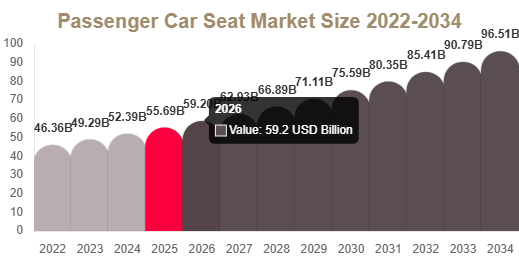
Market Overview The passenger car seat market is witnessing steady growth driven by rising demand for comfort, safety, and advanced automotive interior technologies. Automakers are increasingly focusing on ergonomic designs, lightweight materials, and smart seating systems to enhance passenger experience and vehicle efficiency. Market Size The global passenger car seat market size was valued at...
Step into the world of creativity with the Interior Design Course in Noida at IVS School of Art & Design. This course is perfect for people who love design and want to learn how to create amazing spaces. You'll get to work on real projects, think creatively, and learn from experts in the field. By the end of the course, you'll have a strong portfolio that showcases your skills and style....

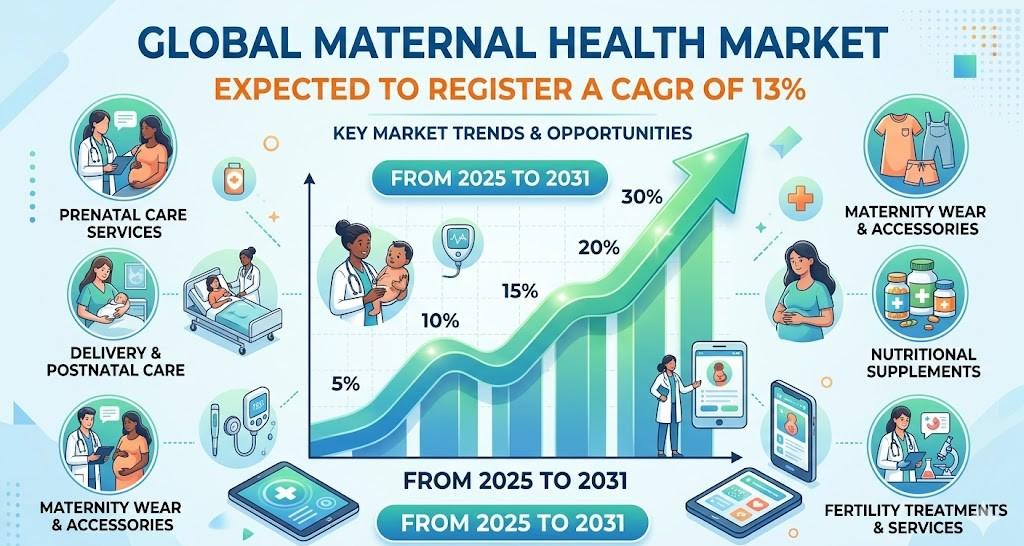
The Global maternal healthcare is experiencing a major shift as healthcare systems increasingly prioritize continuous and comprehensive care for mothers. Growing awareness about maternal well-being, combined with advancements in medical technologies and digital healthcare solutions, is transforming the way prenatal, childbirth, and postnatal services are delivered. This evolution is improving...
A deck forged from four distinct Pokémon, each a powerhouse in its own right, converging into a single, relentless strategy. This is not a gentle approach to victory; it's a symphony of controlled chaos, demanding precise execution and bold plays. Core Advantages Massive damage potential in the late game, reaching overwhelming numbers that few can withstand. Multiple avenues to secure a...

Global Nickel Naphthenate market is gaining traction as a specialized chemical compound with critical applications across multiple industries. As a versatile catalyst and drying agent, it plays an indispensable role in rubber vulcanization and coating formulations. While the market shows steady growth, increasing environmental regulations and raw material price fluctuations present unique...