


Choosing the Right Structural Retrofitting Company in India
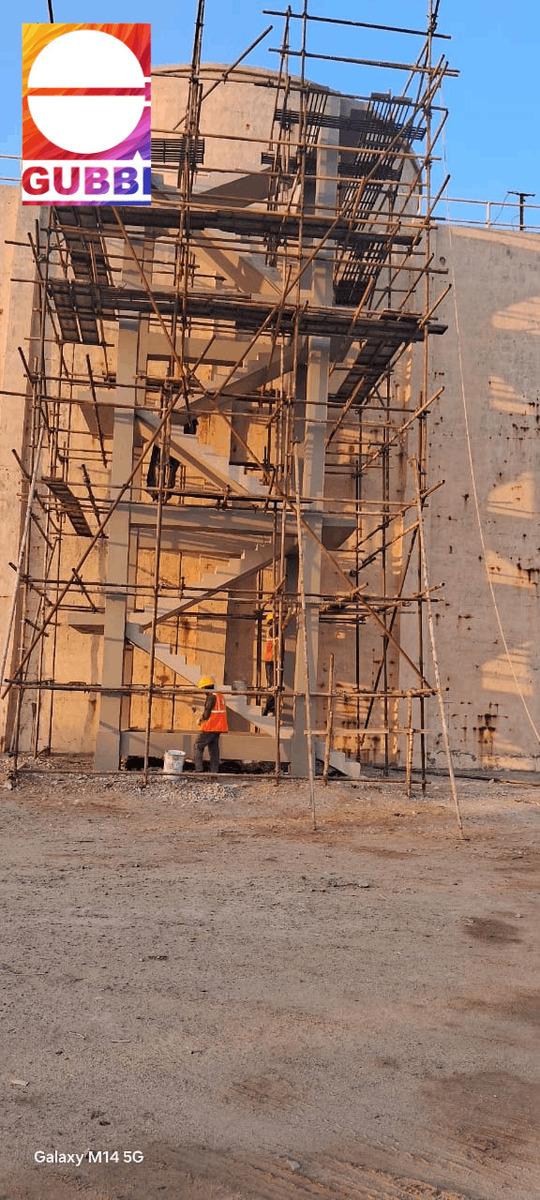
Retrofitting is the process of strengthening existing structures to improve their performance, safety, and lifespan without completely rebuilding them. In India, where many buildings are aging or not designed for modern loads and seismic standards, retrofitting has become essential. It helps property owners upgrade structural stability while saving time and cost compared to demolition and reconstruction, making it a practical engineering solution.
Why Structural Retrofitting is Gaining Importance
Rapid urbanization and increasing population density have put immense pressure on existing infrastructure across India. Many buildings were constructed before updated safety codes were introduced, especially in seismic zones. Structural retrofitting services help address these gaps by enhancing load-bearing capacity and resistance to environmental stresses. This ensures buildings remain functional and safe, even under changing conditions like earthquakes or heavy usage.
Key Objectives of Structural Retrofitting
The main goal of structural retrofitting is to improve the strength, durability, and performance of buildings. It focuses on correcting design flaws, repairing damage, and upgrading structural components. Retrofitting also helps in extending the usable life of structures while minimizing risks. Whether for residential, commercial, or industrial buildings, it ensures compliance with modern engineering standards and safety regulations in India.
Types of Structural Retrofitting Techniques
There are several methods used in structural retrofitting depending on the building’s condition. These include jacketing of columns, beam strengthening, foundation strengthening, and adding shear walls. Techniques like fiber-reinforced polymer wrapping and steel plate bonding are also commonly used. Each method is selected after a detailed structural analysis to ensure the most effective solution for long-term stability.
Seismic Retrofitting in India
India is divided into multiple seismic zones, making earthquake resistance a critical concern. Seismic retrofitting focuses on improving a building’s ability to withstand seismic forces. This involves strengthening structural components, improving load paths, and reducing vulnerabilities. In earthquake-prone areas, retrofitting is not just an option but a necessity to prevent catastrophic damage and ensure occupant safety.
Benefits of Retrofitting Over Reconstruction
Retrofitting offers several advantages compared to rebuilding a structure from scratch. It is more cost-effective, faster to implement, and environmentally friendly. By preserving the existing structure, it reduces construction waste and resource consumption. Retrofitting also allows continued use of the building during upgrades in many cases, making it a convenient choice for businesses and property owners.
Common Signs That a Building Needs Retrofitting
Buildings often show warning signs that indicate the need for retrofitting. These include visible cracks in walls, corrosion of reinforcement, uneven settlement, or structural deformation. Older buildings lacking compliance with current codes are also candidates for retrofitting. Addressing these issues early through professional structural retrofitting services can prevent costly repairs and improve overall safety.
Retrofitting for Commercial and Industrial Structures
Commercial and industrial buildings require high structural performance due to heavy loads and continuous usage. Retrofitting ensures these structures can handle increased operational demands. It also helps businesses meet safety standards and avoid operational disruptions. Strengthening industrial facilities is particularly important in sectors like manufacturing, where structural failure can lead to major financial and safety risks.
Retrofitting for Residential Buildings
Residential buildings, especially older apartments and independent houses, often require retrofitting to meet modern safety expectations. Structural upgrades improve the safety of occupants and increase property value. Retrofitting also enhances resistance to environmental factors such as earthquakes, heavy rainfall, and temperature changes, ensuring long-term durability for homes.
Role of Structural Assessment Before Retrofitting
Before starting any retrofitting work, a detailed structural assessment is necessary. Engineers evaluate the building’s condition, identify weaknesses, and determine suitable strengthening methods. This assessment includes material testing, load analysis, and inspection of structural elements. A proper evaluation ensures that retrofitting solutions are effective, targeted, and aligned with the building’s requirements.
Materials Used in Structural Retrofitting
Modern retrofitting uses advanced materials to achieve better results. Fiber-reinforced polymers, high-strength concrete, and steel reinforcements are widely used. These materials provide excellent strength-to-weight ratios and durability. Choosing the right materials is crucial for ensuring long-lasting performance and compatibility with the existing structure.
Challenges in Retrofitting Projects
Retrofitting projects come with their own set of challenges. Working within existing structures requires precision and careful planning. Limited access, structural constraints, and maintaining building functionality during upgrades can complicate the process. However, with experienced engineers and proper planning, these challenges can be effectively managed to achieve successful outcomes.
Importance of Professional Retrofitting Services
Structural retrofitting is a complex process that requires technical expertise. Professional services ensure accurate assessment, proper design, and high-quality execution. Experienced engineers follow industry standards and use advanced techniques to deliver reliable results. Choosing the right service provider is essential for ensuring safety, compliance, and long-term performance.
Government Regulations and Compliance in India
In India, building safety is governed by various codes and standards. Retrofitting projects must comply with guidelines set by authorities such as BIS and local municipal bodies. These regulations ensure that upgraded structures meet safety and performance requirements. Compliance is important not only for safety but also for legal and insurance purposes.
Cost Factors in Structural Retrofitting
The cost of retrofitting depends on several factors, including the building’s condition, size, and required level of strengthening. The choice of materials and techniques also affects the overall cost. While retrofitting requires investment, it is often more economical than reconstruction. It also provides long-term savings by reducing maintenance and repair costs.
Sustainability Benefits of Retrofitting
Retrofitting supports sustainable construction practices by extending the life of existing structures. It reduces the need for new materials and minimizes environmental impact. By improving energy efficiency and structural performance, retrofitting contributes to greener and more sustainable urban development in India.
Technological Advancements in Retrofitting
Advancements in engineering and materials have improved the effectiveness of retrofitting solutions. Modern tools like structural analysis software and non-destructive testing help in accurate assessment and design. Innovative materials and techniques ensure better performance and faster execution, making retrofitting more efficient than ever before.
Choosing the Right Retrofitting Partner
Selecting the right service provider is critical for the success of a retrofitting project. Look for companies with proven experience, technical expertise, and a strong portfolio. A reliable partner will offer end-to-end solutions, from assessment to execution, ensuring quality and safety throughout the process.
Future of Structural Retrofitting Services in India
With increasing awareness of building safety and sustainability, the demand for structural retrofitting services in India is expected to grow. Urban redevelopment and infrastructure upgrades will drive this demand further. Retrofitting will play a key role in ensuring safe, durable, and efficient structures across the country.
When Should You Consider Retrofitting
Retrofitting should be considered when a building shows signs of structural weakness or does not meet current safety standards. It is also recommended when there is a change in building usage or load requirements. Early intervention can prevent major structural issues and ensure long-term safety.
For dependable and professional retrofitting solutions, Gubbi Civil Engineers Limited is a strong choice in India. With expertise in structural strengthening and engineering excellence, they deliver reliable solutions for residential, commercial, and industrial projects. Their approach focuses on precision, safety, and long-term performance, making them a trusted name in structural retrofitting services.
Retrofitting is an essential solution for improving the safety and longevity of existing structures in India. With the right techniques, materials, and expertise, it offers a cost-effective and sustainable alternative to reconstruction. Whether for residential, commercial, or industrial buildings, structural retrofitting ensures that infrastructure remains safe, functional, and ready for the future.
الأقسام
إقرأ المزيد
Every golfer wants more distance and better accuracy. While many players focus on clubhead technology, loft, or shaft flex, golf shaft length is another important factor that can influence how a club performs. A longer shaft can potentially create more clubhead speed, but it can also make the club harder to control. A shorter shaft may provide better consistency and center face contact, even if...

The global Synthetic Zeolites Market was valued at USD 5.56 billion in 2024 and is projected to reach USD 6.95 billion by 2032, growing at a CAGR of 2.84% over the forecast period from 2025 to 2032. The market is experiencing steady growth, driven by increasing industrial applications, including detergents, catalysts, and adsorbents. Synthetic zeolites, crystalline...

SIMIT Por Placa is the state tool in Colombia which allows drivers to check whether an automobile has outstanding traffic fines or tickets simply by utilizing the license plate number. Managed under the national traffic information system, this platform plays a crucial role in maintaining transparency and legal compliance for vehicle owners. Many drivers are unaware of pending fines until they...

According to the latest report published by Data Bridge Market Research, the Medical Drones Market The global medical drones market size was valued at USD 363.10 million in 2024 and is expected to reach USD 1,262.88 million by 2032, at a CAGR of 16.86% during the forecast period. The reliable Medical Drones Market report is generated by considering the market type, volume...

The Ethylene Diamine Price Trend is an important topic for manufacturers, traders, and businesses that depend on this widely used chemical. Ethylene diamine is used in the production of resins, pharmaceuticals, agricultural chemicals, water treatment products, and many industrial applications. Because it is connected to several industries, its prices often change due to market demand,...
