How Do You Learn Scratch and Dent Removal from Scratch (Beginner Guide)?
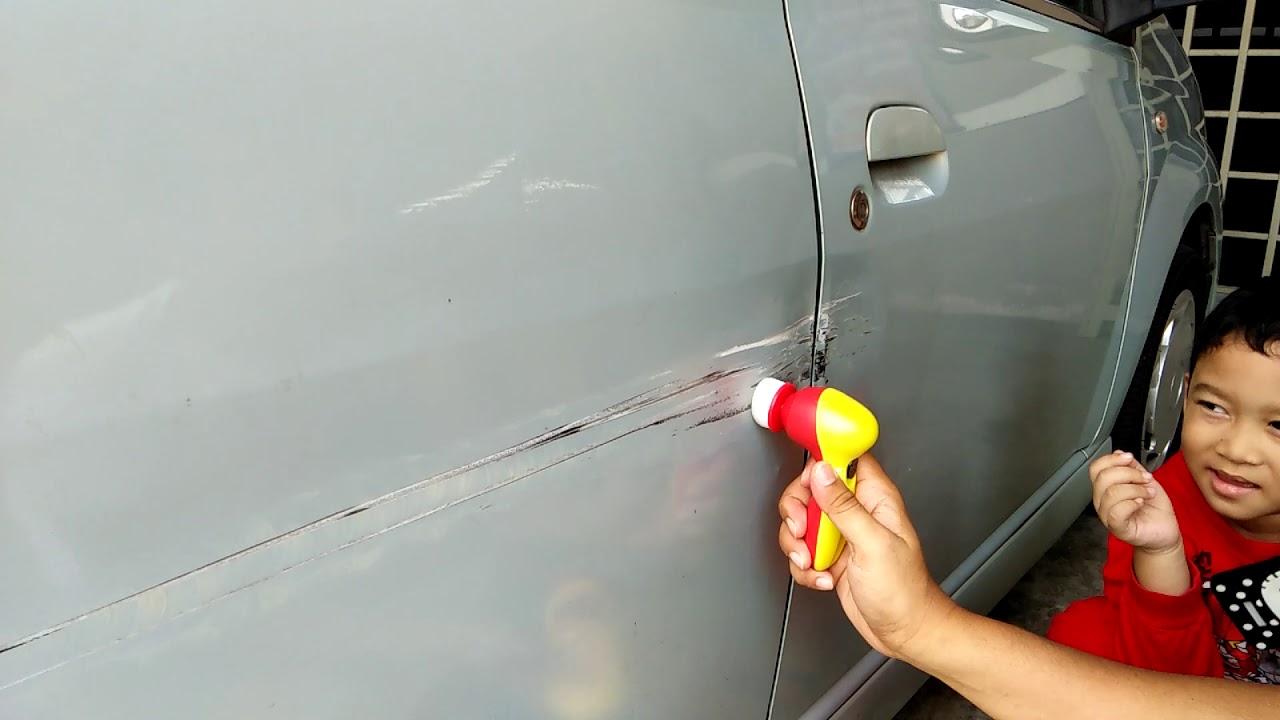
In any case, scratch and dent removal is not one of those things that one can just pick up and start doing without a hitch. You do not just wake up one morning, decide that you want to remove some scratches from your car’s paint job, and voila – you’re an expert. You’ll be making mistakes along the way, no doubt about it. The process will be messy and confusing to say the least. It takes time to get used to the techniques.
However, there is one thing you should know: it is completely learnable. Scratch and dent removal does not require extensive experience in the field or expensive equipment and machinery to become effective. All you really need is a lot of patience and curiosity.
That being said, let us take a closer look at what it takes to master the craft of scratch and dent removal in its true essence.
What Scratch and Dent Removal Is All About
Proper scratch and dent repair is about restoring a surface — metal, paint, sometimes plastic — back to something close to original.
Scratches vary. Some are light, barely touching the clear coat. Others go deeper, cutting into the paint or even exposing metal. Dents? A whole different story. Some pop out easily. Others fight you every step.
And no, there’s no single method that works for everything. That’s where beginners get tripped up. They expect a formula. Doesn’t work like that.
Start With the Basics (Don’t Skip This)
A lot of beginners rush straight into tools. Big mistake. You need to understand surfaces first.
Car paint has layers. Clear coat, base coat, primer, metal. If you don’t know what layer you’re dealing with, you’re guessing. And guessing usually ends with worse damage.
Same with dents. Is it a shallow dent? Sharp crease? Edge damage? Each one needs a different approach. You can’t treat them the same and expect good results.
Take time here. Watch panels. Look at damage closely. Run your fingers over it. Sounds simple, but it matters more than people think.
The Tools You’ll Actually Need (At First)
You don’t need a full garage setup right away. Seriously, don’t go spending a fortune thinking it’ll make you better. It won’t.
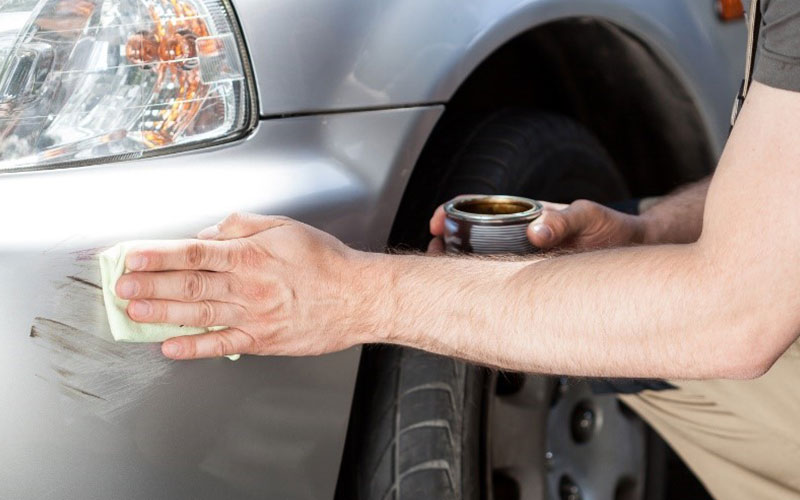
Start small. Sandpaper (different grits), polishing compound, microfiber cloths, maybe a basic dent puller. That’s enough to begin learning.
As you improve, you’ll naturally upgrade. Maybe a dual-action polisher. Maybe better dent repair tools. But early on? Keep it simple.
Too many tools just overwhelm you. And half of them won’t even get used.
Learning to Fix Scratches (The Right Way)
Scratch repair is where most people begin, and honestly, it’s a good place to start. It teaches control. Patience too.
Light scratches can often be buffed out. You apply compound, work it into the surface, and slowly reduce the scratch visibility. Sounds easy. It’s not always.
Pressure matters. Speed matters. Even how you hold the cloth or machine matters. Go too hard, you burn the paint. Too soft, nothing happens.
Deeper scratches need more work. Sanding, then polishing, sometimes touch-up paint. And blending that paint so it doesn’t look obvious? That’s where things get tricky.
You’ll mess this up at least once. Everyone does.
Dent Removal Isn’t Just “Popping It Out”
People love those videos where someone just pushes a dent from behind and it magically disappears. Yeah… that’s not the usual reality.
Dent repair depends on access. Can you reach the back of the panel? If not, you’re using pull methods. Glue tabs, slide hammers, stuff like that.
And even when you can access it, pushing too hard can stretch the metal or create high spots. Then you’ve got a new problem.
This part makes me feel. You can’t rush it. You’ll start to notice how metal reacts, slowly. It’s subtle, but once you get it, it sticks.
Practice on the Right Stuff (Not Your Car First)
This should be obvious, but people still ignore it.
Don’t practice on your daily driver. Just don’t.
Find old panels. Junkyard parts. Scrap metal. Anything you can mess up without consequences. That’s where real learning happens.
You need room to fail. Because you will fail. A lot, at the beginning.
And that’s fine. That’s part of learning Scratch and Dent Removal properly.
Mistakes You’re Definitely Going to Make
Let’s not pretend you’ll avoid them. You won’t.
You’ll sand too much and go through the paint. You’ll leave swirl marks while polishing. You’ll pull a dent unevenly and make it worse. It happens.
It’s all about not freaking out when that happens.
Each error has lessons to learn. Perhaps you used an inappropriate grit size. Maybe you were too hasty. Possibly your surface wasn’t clean enough.
Learn why things happened that way and adapt accordingly.
That’s how you improve.
Patience (Yes, it’s more important than skill)
Here’s the unpleasant truth. Skill is essential, without question. Patience? That makes all the difference.
You can’t rush a repair. If you try, it shows. Uneven finishes, visible scratches, weird reflections in the paint.
Take your time. Step back often. Look at your work from different angles. Light changes everything.
Sometimes you think it’s perfect… until sunlight hits it. Then you see all the flaws.
That’s normal. Frustrating, but normal.
When to Use DIY Methods vs Professional Techniques
There’s a line. Beginners don’t always see it.
Some damage is just too deep or complex for DIY fixes. Large dents, paint cracks, structural issues — those need advanced tools and experience.
Trying to fix everything yourself can backfire. You might make it worse, and then even a professional has a harder job.
Start small. Stay within your skill level. Build up gradually.
There’s no rush.
Learning From Others (But Filtering the Noise)
There’s a ton of content online. Tutorials, videos, forums. Some of it’s great. Some… not so much.
You’ll see people doing things that look easy but skip key steps. Or using tools incorrectly. Or just flat-out bad advice.
Don’t copy blindly.
Watch multiple sources. Compare methods. Try things carefully. Develop your own understanding.
That’s how you avoid picking up bad habits early.
Building Confidence Over Time
At first, everything feels uncertain. You second-guess yourself constantly.
“Am I sanding too much?”
“Is this dent moving?”
“Did I just ruin this panel?”
That’s normal.
Over time, you start trusting your hands more. You recognize patterns. You know how much pressure is too much. You feel when something’s off.
Confidence doesn’t come from reading. It comes from doing. Repeating. Failing. Fixing.
Slowly, it builds.

Turning This Into a Useful Skill
Here’s where things get interesting.
Once you get decent at Scratch and Dent Removal, people notice. Friends ask for help. Then friends of friends.
It can turn into side work. Maybe even more, if you want it to.
But there is no need to hurry here.
Your reputation plays an important role in this type of business.
Five positive reviews will not cancel one bad job.
Maintaining Realistic Expectations
So let's talk frankly.
You won't see perfect results at once. Or even after some time.
And it's normal.
Your initial objective should be to improve, not to achieve perfection. Each following repair becomes better than the previous one.
But if you set unreasonably high expectations right away, you'll feel disappointed and give up on the activity.
Conclusion: Common Mistakes Made by Beginners While Learning
Learning how to do Scratch and Dent repair can be complicated. This process requires knowledge and experience, but not any quick tips and tricks.
Here are typical mistakes made by novices while learning Scratch and Dent repairing.
The ones who get it right? They slow down. Practice more than they think they need to. Pay attention to details others ignore.
It’s not glamorous work. Sometimes it’s repetitive, even frustrating. But when you step back and see a panel you fixed with your own hands… yeah, it feels worth it.
Categorie
Leggi tutto
Online Science Tuition for Class 1 Students Science is an exciting subject that helps children understand the world around them. Many parents today are choosing online tuition science class 1 programs to help their children learn basic science concepts in a fun and interactive way. At the Class 1 level, children begin learning about plants, animals, food, water, weather, body parts, and...

Qatar Warehousing Market Overview Market Size in 2025: USD 1,175.83 Million Market Size in 2034: USD 2,428.07 Million Market Growth Rate 2026-2034: 8.39% According to IMARC Group's latest research publication, "Qatar Warehousing Market: Industry Trends, Share, Size, Growth, Opportunity and Forecast 2026-2034", the Qatar warehousing market size was valued...

MarkNtel Advisors, a leading market research and consulting firm, has announced the release of its latest study titled Middle East Military Drones Market Research Report: Forecast (2025–2030). This report provides a detailed assessment of the Middle East Military Drones, covering its evolving dynamics, emerging trends, key growth drivers, major challenges, and competitive landscape....

The US Alfalfa Hay Market represents the largest share of the North American market, supported by the country's extensive dairy and beef cattle industries, advanced forage production practices, and strong export demand. The United States is one of the world's leading producers and exporters of alfalfa hay, supplying premium-quality forage to domestic livestock producers...

The Electronic Wipes Market Size is an essential segment of the global cleaning and maintenance industry, focused on specialized wipes designed to safely clean sensitive electronic devices such as smartphones, laptops, televisions, and industrial equipment. These wipes are formulated to remove dust, oil, fingerprints, and static without causing damage, making them increasingly...