Column Jacketing Methods for Structural Strengthening
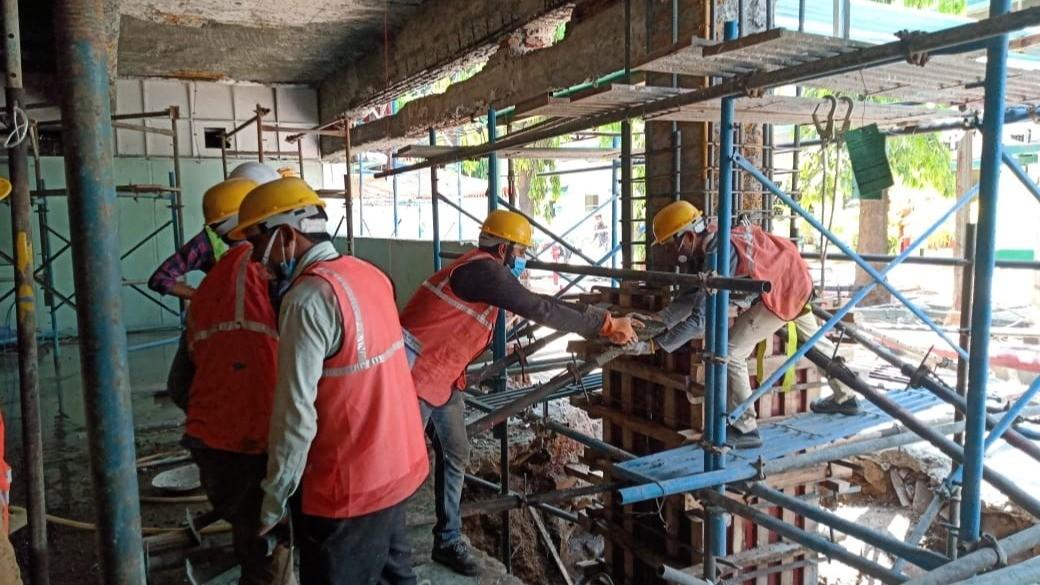
Column damage is a common issue in aging buildings, especially where load requirements have increased or construction quality was not ideal. Structural strengthening becomes essential to restore safety and extend the life of a building. Among the most widely used methods are column jacketing, concrete jacketing, and steel jacketing. These techniques are preferred for their effectiveness, adaptability, and long-term performance in improving load-bearing capacity and structural stability.
What is Column Jacketing?
Column jacketing is a structural repair and strengthening method used to enhance the load capacity of existing columns. It involves adding a new layer of material around the original column to increase its size and strength. This method is commonly used in residential, commercial, and industrial buildings. Engineers recommend column jacketing when structures show signs of cracks, stress failure, or need reinforcement due to design changes.
Why Column Strengthening is Required
Over time, buildings face environmental stress, material degradation, and increased load demands. Poor construction practices or natural disasters like earthquakes can also weaken columns. Strengthening methods such as jacketing help prevent structural failure. They are especially useful when renovation or vertical expansion is planned. Column strengthening ensures safety, improves durability, and helps meet updated structural standards without rebuilding the entire structure.
Types of Column Jacketing Methods
There are three primary types of column jacketing techniques used in construction and repair projects. These include concrete jacketing, steel jacketing, and composite jacketing methods. Each technique is selected based on the structural condition, load requirements, and project budget. Choosing the right method ensures optimal performance, cost efficiency, and long-term reliability of the building structure.
Concrete Jacketing of Columns
Concrete jacketing is one of the most commonly used methods for strengthening columns. In this technique, additional reinforcement bars are added around the existing column, followed by pouring concrete to create a thicker section. This increases both compressive strength and load capacity. Concrete jacketing is widely used in building repair projects due to its durability, cost-effectiveness, and compatibility with existing structures.
Process of Concrete Jacketing
The process starts with surface preparation, where the existing column surface is roughened to ensure proper bonding. New reinforcement steel bars are then fixed around the column as per design requirements. Formwork is installed, and high-strength concrete is poured. Proper curing is essential to achieve desired strength. This method significantly enhances the column’s performance and resistance to load and environmental stress.
Advantages of Concrete Jacketing
Concrete jacketing offers several benefits, making it a preferred choice for many projects. It increases axial load capacity and improves resistance to bending forces. The method is economical compared to other strengthening techniques. It also provides fire resistance and long-term durability. Due to its compatibility with traditional construction materials, it integrates well with existing structures without causing major design complications.
Limitations of Concrete Jacketing
Despite its advantages, concrete jacketing has some limitations. It increases the size of the column, which may reduce usable space in compact areas. The process can be time-consuming due to curing requirements. Additionally, proper workmanship is critical, as poor bonding or incorrect reinforcement placement can reduce effectiveness. These factors must be considered before selecting this method for structural strengthening.
Steel Jacketing of Columns
Steel jacketing involves enclosing the existing column with steel plates or sections. This method is particularly effective in increasing strength and ductility. Steel jackets are either welded or bolted around the column and filled with grout to ensure proper load transfer. This technique is commonly used in seismic retrofitting projects and industrial structures where high strength and quick installation are required.
Process of Steel Jacketing
The steel jacketing process begins with cleaning and preparing the column surface. Steel plates or angles are fabricated as per design and placed around the column. These plates are then welded or bolted securely. Non-shrink grout is used to fill gaps between the steel and the column. This ensures effective load transfer and improves the overall structural performance of the column.
Advantages of Steel Jacketing
Steel jacketing provides high strength without significantly increasing column size. It is faster to install compared to concrete jacketing, making it suitable for time-sensitive projects. The method enhances ductility, which is crucial in earthquake-prone areas. It also allows better control over quality, as prefabricated steel components can be manufactured with precision before installation.
Limitations of Steel Jacketing
One of the main limitations of steel jacketing is cost, as steel materials and fabrication can be expensive. It also requires protection against corrosion, especially in humid or coastal environments. Maintenance may be required over time to ensure durability. Additionally, skilled labor is needed for proper installation, including welding and alignment of steel components.
Comparison Between Concrete and Steel Jacketing
Both concrete and steel jacketing methods have their own advantages and are selected based on project requirements. Concrete jacketing is more economical and suitable for general strengthening needs, while steel jacketing offers higher strength and faster execution. The choice depends on factors such as budget, structural condition, available space, and project timeline. Engineers carefully evaluate these factors before deciding the appropriate method.
Applications of Column Jacketing Techniques
Column jacketing is widely used in various construction and repair scenarios. It is commonly applied in old building restoration, seismic retrofitting, bridge strengthening, and industrial structure upgrades. It is also used when additional floors are added to an existing building. These techniques ensure that the structure can safely handle increased loads and maintain long-term stability.
Factors to Consider Before Choosing a Jacketing Method
Selecting the right jacketing method requires careful evaluation of several factors. These include the extent of damage, load requirements, environmental conditions, and project budget. The availability of skilled labor and construction timeline also play an important role. A detailed structural analysis helps in determining the most effective and efficient strengthening technique for a specific project.
Role of Structural Engineers in Jacketing Work
Structural engineers play a crucial role in designing and executing jacketing solutions. They assess the condition of the existing structure, calculate load requirements, and design reinforcement details. Proper supervision ensures that the work is carried out according to standards. Their expertise helps in achieving the desired strength and safety while avoiding potential construction errors.
Cost of Column Jacketing in Construction Projects
The cost of column jacketing depends on various factors such as the type of method used, material costs, labor charges, and project complexity. Concrete jacketing is generally more affordable, while steel jacketing involves higher material and fabrication costs. However, the final decision should be based on performance and long-term benefits rather than just initial cost.
Maintenance and Durability of Jacketed Columns
Proper maintenance is essential to ensure the durability of jacketed columns. Regular inspection helps in identifying cracks, corrosion, or other issues at an early stage. Concrete jackets require minimal maintenance, while steel jackets may need protective coatings to prevent rust. With proper care, jacketing methods can significantly extend the lifespan of a structure.
Future Trends in Column Strengthening Techniques
With advancements in construction technology, new materials and methods are being developed for structural strengthening. Fiber-reinforced polymers and advanced composites are gaining popularity due to their high strength and lightweight properties. However, traditional methods like concrete and steel jacketing remain widely used due to their reliability, cost-effectiveness, and proven performance in real-world applications.
Column jacketing, concrete jacketing, and steel jacketing are essential techniques in modern construction and structural repair. They provide effective solutions for strengthening weak or damaged columns and improving overall building safety. Choosing the right method depends on project requirements, budget, and structural conditions. With proper design and execution, these techniques ensure long-term durability and stability of buildings.
Categorii
Citeste mai mult
Active Noise & Vibration Control (ANVC) systems are intelligent technologies developed to actively reduce unwanted noise and mechanical vibrations using advanced sensors, microphones, actuators, controllers, and digital control software. By continuously detecting sound and vibration patterns, these systems generate precise counteracting signals that help suppress disturbances in real time,...

Diamonds are among the most valuable and sought-after gemstones in the world. Whether purchasing an engagement ring, evaluating inherited jewelry, or planning to sell a gemstone, understanding diamond value is extremely important. Many consumers struggle with pricing because diamond valuation depends on several technical factors that may not be immediately obvious to the average buyer. A...
In 2026, online sports betting is not about flashy designs or extravagant bonuses. The players are looking for security-minded systems, a secure connection with real-time performance and secure financial processing. This Khelo yaar app claims to be an innovative platform, focusing on the operational aspect rather than marketing hype. It blends speed as well as clarity and security to provide a...

Security is the biggest concern for every online betting user today. With more players joining platforms like AllPanelExch to explore cricket, football, tennis, casino and live market opportunities, the number of login risks, phishing scams, ID theft, and fake websites has also increased. If you don’t take proper precautions, even a strong AllPanelExch ID can get...

At Morfin Cleaning Services, we recognize that a clean school environment is essential for learning. Our School Cleaning Services River North, IL are designed to create a safe and healthy atmosphere for students and staff. Cleanliness in schools helps prevent the spread of germs and enhances the overall learning experience. We understand the unique challenges schools face in maintaining...