


The Technological Backbone: Understanding the Modern In-Game Advertising Market Platform

The engine that powers the modern, dynamic in-game advertising ecosystem is a sophisticated technological stack often referred to as an In-Game Advertising Market Platform. This platform is not a single piece of software but a complex, multi-sided network that acts as the central nervous system connecting advertisers' demands with the available ad inventory inside billions of gaming sessions worldwide. Its primary function is to enable the automated, real-time buying and selling of in-game ad space, a process known as programmatic advertising. The platform is responsible for everything from allowing developers to define ad placements within their games to enabling advertisers to target specific audiences, serving the ad creative into the game engine, and finally, measuring the ad's performance. This end-to-end automation is what has allowed the industry to scale, moving beyond manual, one-off deals to a highly efficient marketplace capable of handling trillions of ad requests and delivering targeted, contextually relevant advertising at a global scale.
The platform architecture can be understood by examining its two primary sides: the supply-side and the demand-side. The supply-side of the platform is focused on the game developers and publishers. To make their ad inventory available, developers integrate a Software Development Kit (SDK) provided by the IGA platform into their game's code. This SDK allows the developer to designate specific objects and surfaces within their game—such as billboards, posters, TV screens, or bus shelters—as potential ad placements. Through a developer dashboard, they can set rules and parameters, such as which types of advertisers they want to allow, and manage their inventory. The SDK's role is crucial; it communicates with the central ad server, sending information about the gaming context (e.g., game genre, player's location, screen resolution) and requesting an ad to fill a placement when a player enters its vicinity. This allows the publisher to tap into a global pool of advertising demand and monetize their virtual real estate effectively.
The demand-side of the platform caters to the advertisers and their media buying agencies. Through a Demand-Side Platform (DSP), advertisers can plan, execute, and manage their in-game advertising campaigns. The DSP provides an interface where they can upload their ad creatives (such as digital images or videos) and define their campaign goals. They can set highly specific targeting parameters, choosing to show their ads only in certain countries, within specific game genres (e.g., sports, racing, lifestyle), on particular devices (mobile, PC, console), or even at specific times of the day. The DSP allows advertisers to set a budget and a bidding strategy, indicating how much they are willing to pay for impressions that meet their criteria. This level of control enables brands to reach their desired audience with precision, ensuring their marketing message is delivered to the most relevant and receptive players, maximizing the efficiency and impact of their advertising spend.
At the very heart of the platform is the ad exchange, which facilitates the real-time bidding (RTB) auction that connects supply and demand in a matter of milliseconds. When a player in a game approaches a dynamic ad placement, the developer's SDK sends an ad request to the exchange. The exchange then broadcasts this request, containing all the non-personally identifiable contextual information, to multiple DSPs. The DSPs evaluate the request against their active campaigns and, if there is a match, submit a bid. The ad exchange instantaneously runs an auction, and the winning advertiser's creative is selected and sent back through the SDK to be rendered seamlessly onto the surface within the game world. The platform also integrates with third-party measurement and verification services, which provide independent tracking of metrics like ad viewability, duration of exposure, and detection of invalid traffic, providing the transparency and accountability that advertisers demand, completing the full, automated, and measurable cycle of the in-game advertising platform.
Explore More Like This in Our Regional Reports:
Categorias
Leia mais
Iwin68 Nổ Hũ - Cơ Hội Trúng Lớn Chỉ Cách Một Cú Nhấp Chuột1. Iwin68 Là Gì?Iwin68 là một nhà cái trực tuyến cung cấp đa dạng các trò chơi cá cược, bao gồm cả các trò chơi slot, nổ hũ. Nền tảng này nổi bật với giao diện thân thiện, dễ sử dụng và tốc độ tải nhanh, giúp người chơi...

Marketing without measurement is like driving with your eyes closed. You might be moving fast, but you have no idea if you’re headed in the right direction. In today’s data-driven landscape, tracking the right marketing metrics helps businesses understand what’s working, what’s wasting money, and where to double down for growth. But with hundreds of metrics available...

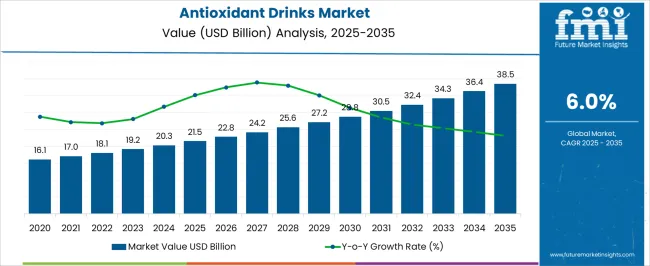
NEWARK, DE – June 26, 2026 – The global Antioxidant Drinks Market is witnessing steady growth as consumers increasingly shift toward functional beverages that support immunity, wellness, and healthy lifestyles. According to Future Market Insights (FMI), the market is projected to grow from USD 21.5 billion in 2025 to USD 38.5 billion by 2035, expanding at a CAGR of 6.0% during the...
A beautifully designed home is more than just an attractive space. It reflects your personality, improves comfort, and enhances your daily lifestyle. Whether you are moving into a new apartment, building your dream villa, or renovating an existing house, professional interior design can completely transform your living experience. However, many homeowners believe that hiring an interior...
Managing government property has become far more complex than simply maintaining buildings and renewing leases. Public sector agencies are under increasing pressure to reduce operating costs, improve workplace efficiency, meet sustainability goals, and demonstrate responsible stewardship of taxpayer funds. At the same time, hybrid work, evolving service delivery models, and changing workforce...
