


Perfecting Precision in a Professional Grade Striping Tool
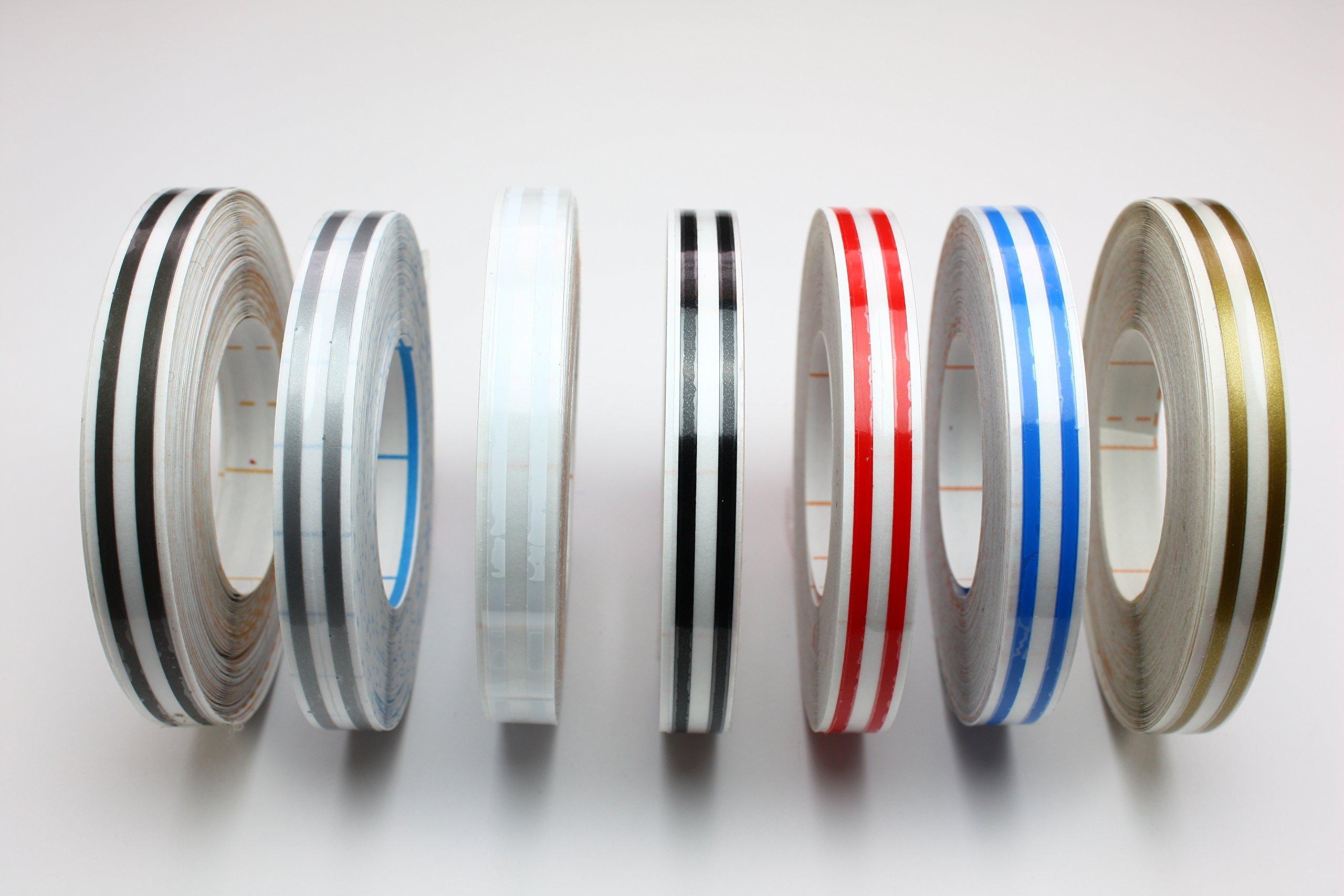
Pinstriping is a bygone but cherished trade which turns a regular car into a personalized piece of tinted canvas. It could be an understated accent line tracing the shape of a classic sedan's body or some ornate scrollwork on a custom motorcycle, but how well that finish comes out is almost entirely based on the tools involved. The first hurdle for enthusiasts and pros alike being the decision to buy car striping brush equipment that will help you achieve those beautifully smooth, even lines that are the hallmark of high-quality automotive detailing. To enter into this niche space of knowledge, you should know about the underlying technical makeup of these brushes and how to actually manipulate your brush correctly.
A pinstriping brush is not built like your standard art paintbrush. Traditional striping brushes are full of "Kazan," or natural squirrel hair, also called Blue Squirrel. This media is selected because of its remarkable capacity for holding a substantial amount of paint without losing the razor-edge. This is where the long hair length - also known as the "out" -allows the brush to act like a sponge. This means that the artist can draw a long line without stopping to reload the brush, which is essential for preventing obvious breaks or "blobs" in the stripe. While searching for car striping brush sets you will observe different shapes like daggers and swords designed specifically for certain forms of linework and curves.
A crucial technique you learn is paletting the brush. You have to load paint in the brush before it even hits the car. This means working the paint into the bristles of the brush on a piece of magazine or palette paper. Which to saturate the hairs completely, laying them down so that they form a flat "side", sharp edge. Without proper paletting, the paint will flow unevenly, or hairs of the brush splay and form a ragged line. The artist is also preparing for it; this stage is when the artist gets a sense of the viscosity of paint. To get the proper flow, a striping enamel may be slightly thinned depending on temperature and humidity.
Surface preparation is an indispensable element of a pinstriping project. The best brush is useless on a dirty surface. You should clean this area thoroughly, in order to remove any signs of wax-grease-road grime. Normally supplied by professionals is wax and grease remover or some kind of high-percentage iso- propyl alcohol solution. The stripe adheres to the clear coat on a clean surface which ensures that no peeling or wearing away will occur over time. For the novice, low-tack fine line tape can be used as a guide in order to keep a straight path while one establishes muscle memory for freehand work.
Steadying the hand is a discipline earned from hours of practice. Most pinstripers position their pinkie finger on the vehicle surface as a bridge or slider to maintain consistent distance and pressure. This physical link to the car also affords stability against vibrations and gives scope for micro-adjustments throughout the pull. Your pull speed of the brush also affects the thickness poorer pulls correlate with heavier lines rendering slow motions less easily than fast. Finding the equilibrium between these factors is what many who decide to use buy car striping brush kits gain when they take the step into their creation.
Probably one of the most neglected aspects of your craft is actually taking care of your brushes. Natural Hair Brushes are Gentle: Natural hair brushes are fragile and can be destroyed if paint dries in the ferrule. Every session leaves the brush needing a good wash out with the right thinner followed up with conditioning. Some artists work with "brush oil" or even clean motor oil to keep the hairs soft and in shape when stored. An easy-to-care-for brush will last you for years while a dirty one will lose its shape and bounce after just a few strokes. Keeping brushes flat or in a specific brush box will stop the hairs from getting bent (bent hair, no good), crimped and spoiling the job.
Starting with a simple straight line, pinstriping education teaches how to pass "corners" and make "returns." This needs a gentle twist of the brush handle in between the thumb and forefinger while you're navigating a bend. This means you can twist the brush around such that the longer edge of the hair remains in line with where we want to keep it, so that the line does not freaking move! Such mechanical dexterity is why pro stripers can create perfectly symmetrical designs on either side of a vehicle, but it takes immense concentration and an eye for proportion.
Conclusion
Imagine a world where automotive pinstriping alters their landscape, sheer precision and top-quality craftsmanship this is the patch of patience. It is a discipline where the relationship between artist and tool reigns supreme. From the type of individual hairs, you chose and the shape of your brush, to the viscosity with which you choose to paint it as well as stabilizing your hand; everything is an intrinsic part of how your end result will look like. Though it is a steep learning curve, there is no better feeling than seeing the hand-painted line flow perfectly with ever contour of a vehicle. With the dedication of attention to detail, preparation of materials and upkeep of equipment you can get started on mastering this artistic-utilitarian discipline. Pinstriping is not about the lines you paint, but the dotting your I's and crossing your T's long before your brush ever touches the metal.
Nach Verein filtern
Read More
Bytendorp Enterprises Landscaping is a trusted landscaping company dedicated to helping homeowners and businesses create beautiful, healthy, and functional outdoor spaces. With years of experience serving Salt Lake City, Riverton, South Jordan, Sandy, and Draper, Utah, our company takes pride in delivering reliable landscaping solutions that improve the beauty and value of every property....

The Healthcare manikins play a vital role in modern medical education by providing realistic simulation experiences for students and professionals. These advanced training tools help build clinical confidence and enhance hands-on learning in a controlled environment. Healthcare Manikins Market Overview The Healthcare Manikins Market is experiencing robust expansion,...

The Nowadays Cannabis Infused Beverage is reshaping the way people enjoy cannabis in a safe, refreshing, and discreet format. Designed for balance and relaxation, this beverage blends innovation with wellness, giving consumers a convenient alternative to smoking or vaping. Unlike traditional edibles, the Nowadays Cannabis Infused Drink delivers fast-acting effects, offering a smoother entry...

Top Resale Gift Cards Many individuals interested in selling gift cards within Nigeria often ask which cards offer the highest resale value. This curiosity stems from the desire to maximize profit when exchanging gift cards for cash. Knowing the top-ranking cards with the best rates provides a significant advantage in the market. Over time, gift cards have emerged as a preferred alternative to...

Party Balloon Market According to the latest report published by Data Bridge Market Research, the Party Balloon Market Global party balloon market size was valued at USD 699.10 million in 2024 and is projected to reach USD 1,097.55 million by 2032, with a CAGR of 5.80% during the forecast period of 2025 to 2032. The Party Balloon Market document contains precise and up to...
