The Strategic Imperative: Understanding the Global Sustainability Consulting Services Industry Today

In an era of profound environmental and social change, businesses are facing unprecedented pressure to operate in a more responsible and sustainable manner. This has given rise to the dynamic and rapidly expanding global Sustainability Consulting Services industry, a sector dedicated to advising organizations on how to integrate environmental, social, and governance (ESG) principles into their core business strategies and operations. This is no longer a niche concern focused on philanthropy or corporate social responsibility (CSR) reports; it has become a central strategic imperative for companies worldwide. Sustainability consultants act as expert navigators, helping clients to understand complex regulatory landscapes, mitigate climate-related risks, improve resource efficiency, build more resilient supply chains, and enhance their brand reputation. By providing a blend of technical expertise, strategic foresight, and data-driven analysis, this industry is playing a critical role in helping the private and public sectors transition towards a more sustainable and equitable global economy, transforming sustainability from a cost center into a powerful driver of long-term value creation and competitive advantage.
The ecosystem of the sustainability consulting industry is diverse, comprising a wide range of players with different areas of expertise. At one end of the spectrum are the large, multi-disciplinary professional services firms, such as the "Big Four" accounting firms (Deloitte, PwC, EY, KPMG) and major management consulting giants (McKinsey, BCG, Bain). These firms have built out substantial sustainability practices, leveraging their extensive global reach and deep relationships with C-suite executives to provide high-level strategic advice on ESG integration, risk management, and sustainable finance. Alongside these giants are a host of specialized, boutique consulting firms that focus on specific aspects of sustainability. This includes firms with deep technical expertise in environmental science and engineering, who might advise on decarbonization pathways or circular economy models, as well as specialists in social impact, human rights, diversity and inclusion, or specific reporting frameworks. This mix of large, integrated players and nimble specialists creates a rich and competitive ecosystem that can cater to the full spectrum of an organization's sustainability needs, from broad strategy to technical implementation.
The scope of services offered by the industry is incredibly broad, reflecting the multifaceted nature of sustainability itself. A core service area is strategy and governance. Here, consultants work with a company's leadership to define their sustainability vision, set ambitious but achievable goals (such as net-zero emissions targets), and establish the governance structures and accountability mechanisms needed to drive progress. Another critical service is risk management and compliance. This involves helping clients to identify, assess, and mitigate a wide range of ESG-related risks, from the physical risks of climate change (like sea-level rise impacting coastal assets) to the transition risks of shifting regulations and consumer preferences. Consultants also provide crucial support in navigating the complex and ever-changing landscape of sustainability reporting and disclosure, helping clients to produce high-quality reports that comply with various global standards like the Global Reporting Initiative (GRI), the Sustainability Accounting Standards Board (SASB), and the recommendations of the Task Force on Climate-related Financial Disclosures (TCFD).
The fundamental value proposition of the sustainability consulting industry is its ability to translate the complex and often abstract concept of sustainability into tangible business value. Consultants achieve this by building a data-driven business case for action. For example, they can demonstrate how improving energy efficiency can lead to significant cost savings, or how investing in a more ethical and transparent supply chain can reduce reputational risk and enhance brand loyalty. They help companies to identify new revenue opportunities in the green economy, such as developing sustainable products or entering the renewable energy market. By benchmarking a company's performance against its peers and providing insights into stakeholder expectations, consultants help to prioritize the most impactful initiatives. Ultimately, their role is to act as a catalyst for change, providing the external expertise, objective perspective, and additional manpower that organizations often need to move beyond mere compliance and embed sustainability so deeply into their culture and operations that it becomes a source of innovation, resilience, and enduring competitive advantage.
Explore More Like This in Our Regional Reports:
Germany Commerce As A Service Market
الأقسام
إقرأ المزيد
In today’s fast-paced business world, having a strong online presence is no longer optional—it is essential. Consumers increasingly rely on digital channels to discover brands, compare products, and make purchasing decisions. As a result, businesses that invest in Digital Marketing Services in Canada gain a significant competitive advantage. For beginners, understanding...

Property owners in the Bronx often face small repairs and maintenance tasks that quickly become overwhelming. Loose fixtures, damaged walls, and minor electrical or plumbing issues can disrupt daily life if left unattended. Handyman Services Bronx NY provide reliable solutions that keep homes and businesses functioning smoothly without unnecessary delays. Moreover, professional handyman...

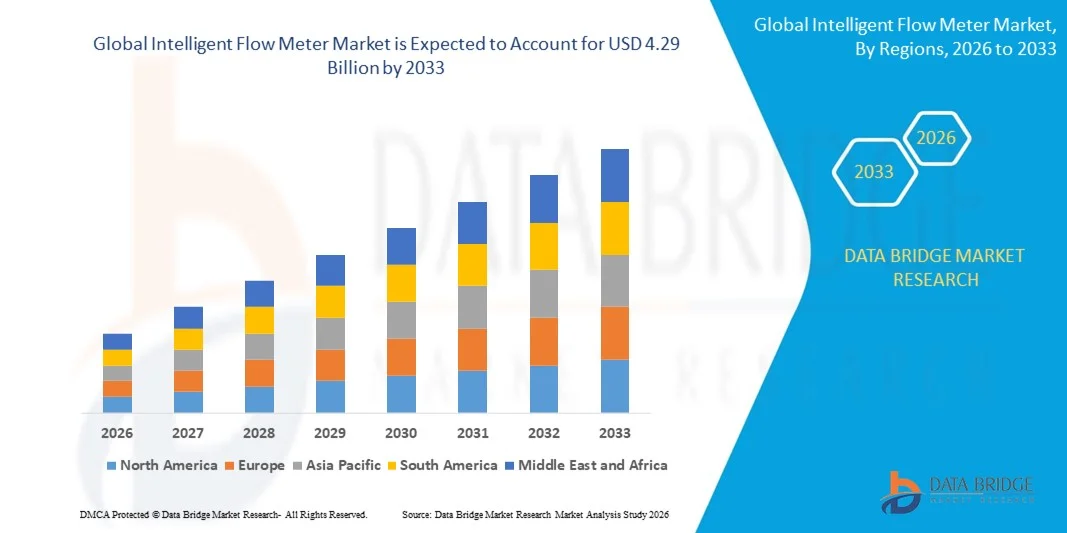
"Global Executive Summary Intelligent Flow Meter Market: Size, Share, and Forecast CAGR Value The global intelligent flow meter market size was valued at USD 3.09 billion in 2025 and is expected to reach USD 4.29 billion by 2033, at a CAGR of 4.20% during the forecast period The complete Intelligent Flow Meter Market report is spread across a number of...
Permainan judi merupakan salah satu bentuk hiburan favorit dunia yang menawarkan kegembiraan sekaligus risiko. Perjudian dapat dinikmati baik secara offline maupun di tempat nyata. Beberapa orang mungkin menganggap bermain slot seni108 sebagai cara yang tidak efisien untuk menghabiskan waktu karena peluang menang yang tinggi. Namun, hal itu tidak sepenuhnya benar; ketika dikembangkan oleh...

Why Water Damage Is the Most Expensive Hidden Risk Water damage consistently ranks among the most expensive incidents that can affect a rental property, often producing repair bills that exceed even significant fire or vandalism events. The reason is that water damage frequently develops invisibly. A small leak in a supply line, a dishwasher seal failure, a slow drip from an HVAC condensate...