


Reliability in Design: Multi Phase Flow Analysis

Achieving reliability in industrial equipment requires a deep dive into the physics of material movement. Systems that handle combined phases, such as liquid-gas mixtures, often encounter unpredictable bottlenecks. Through the application of Multi Phase Flow Analysis, these issues can be identified and corrected before manufacturing begins. This proactive approach ensures that the final equipment is capable of handling complex workloads without frequent maintenance or failure.
Mitigating Risks with Transient Flow Analysis
Risk management is a top priority for engineers working on high-pressure fluid systems. Understanding how a system behaves during non-steady conditions, such as emergency shutdowns, is crucial. Performing a Transient Flow Analysis helps in identifying potential points of failure that only appear during rapid changes. This data is used to reinforce the system and implement fail-safe protocols that protect both personnel and assets.
Streamlining Fluid Transport
The smoother a fluid moves through a pipe, the less energy is required to transport it. Internal obstructions or poor junction designs can cause "swirling" which leads to significant energy loss. By analyzing the velocity profiles, engineers can create more aerodynamic paths for the media. This results in a more sustainable operation that consumes less power and experiences less internal erosion over time.
Maximizing Cyclone Separator Throughput
Cyclones are widely used because they have no moving parts, yet their efficiency depends entirely on flow dynamics. The relationship between the inlet velocity and the internal diameter must be perfectly balanced. Advanced modeling allows for the fine-tuning of these ratios to maximize the amount of material processed per hour. This optimization is essential for plants looking to increase their production capacity without expanding their physical footprint.
-
Balancing centrifugal forces with drag.
-
Minimizing particle re-entrainment in the clean stream.
-
Optimizing the discharge cone for consistent output.
-
Testing different feed concentrations digitally.
Validation of Complex Prototypes
Before a new design is finalized, it must undergo rigorous validation to ensure it meets performance specs. In the past, this meant building expensive scale models and testing them in labs. Today, digital validation offers a more comprehensive look at how the design will perform in a variety of environments. This includes testing for extreme temperatures, corrosive materials, and high-pressure scenarios that would be difficult to replicate physically.
-
Benchmarking performance against industry standards.
-
Stress testing designs under "worst-case" scenarios.
-
Refining material selection based on flow impact data.
Enhancing Collaborative Engineering
Modern simulation tools allow different teams to work on the same model simultaneously. A structural engineer can see how fluid forces impact the supports, while a process engineer monitors the chemical output. This collaborative environment ensures that the final design is a well-rounded solution that considers all aspects of the operation. It breaks down silos and leads to more cohesive and functional industrial systems.
Conclusion
The complexity of fluid dynamics in industrial settings cannot be overstated. From the steady movement of mixed phases to the sudden jolts of pressure changes, every factor must be accounted for. Utilizing professional analysis services provides a roadmap for building safer, more efficient, and more durable machinery. In an era where precision is paramount, these engineering insights are the key to maintaining a competitive edge.
الأقسام
إقرأ المزيد
"Center Stack Display Market Summary According to the latest report published by Data Bridge Market Research, the Center Stack Display Market The global center stack display market size was valued at USD 8.20 million in 2025 and is expected to reach USD 22.98 million by 2033, at a CAGR of 13.75% during the forecast period Center Stack Display...

The REIT market is poised for significant transformation, with projections indicating a market size of approximately USD 8.785 billion by 2035, reflecting a compound annual growth rate (CAGR) of 7.43%. This growth underscores a robust demand for diverse asset classes, highlighting the need for a keen understanding of market dynamics. Investors are increasingly recognizing the potential of this...
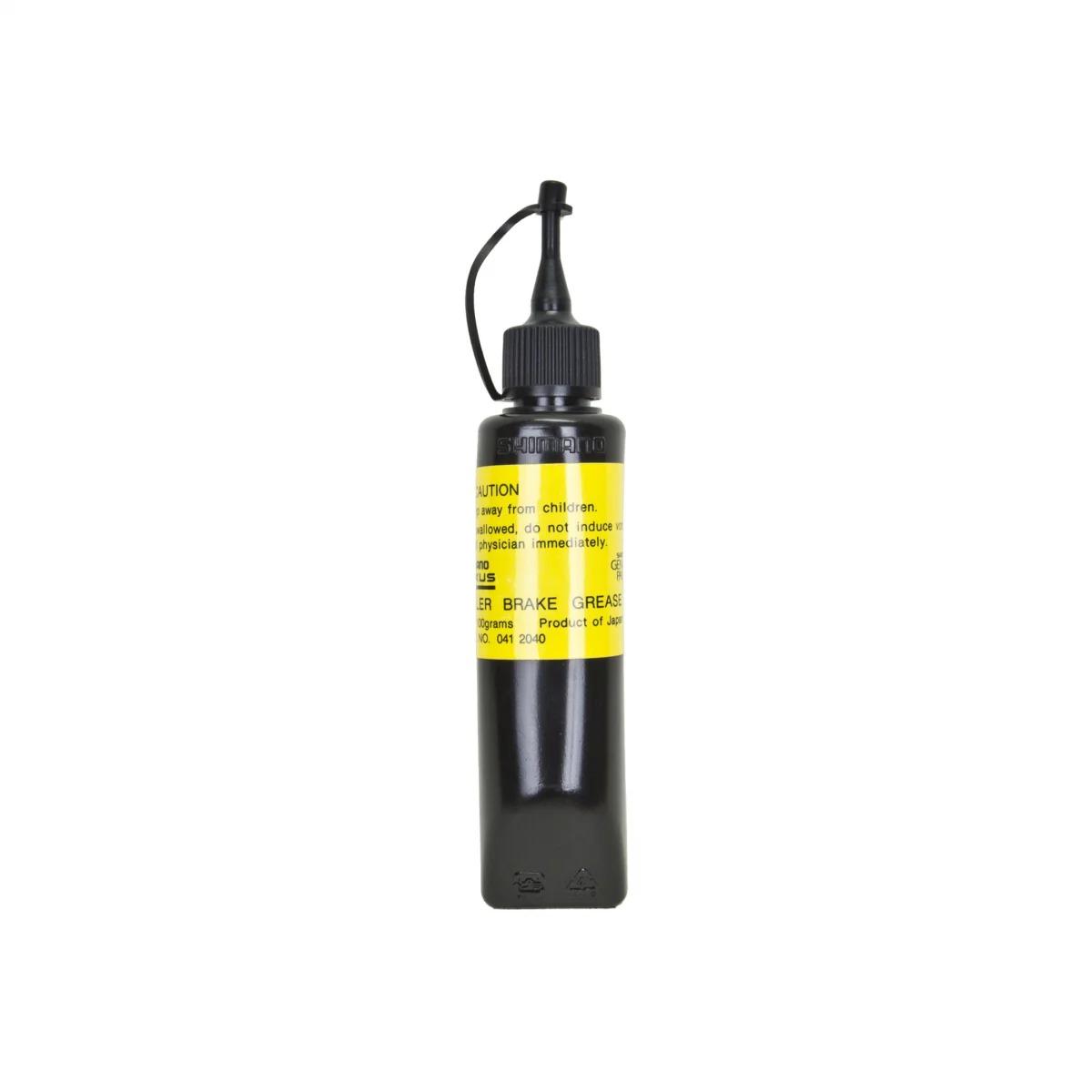
Every serious cyclist knows that speed, control, and durability do not happen by accident. The difference between a smooth ride and a frustrating breakdown often comes down to the smallest maintenance details. One overlooked component can ruin an entire trail session, damage expensive equipment, and drain your wallet faster than expected. That is exactly why smart riders are paying closer...
In today’s digital world, trust is one of the most valuable currencies. Whether it’s shopping online, engaging in digital entertainment, or connecting with global communities, users expect platforms to offer not only engaging experiences but also safety, reliability, and transparency. This balance between excitement and security defines the modern online experience — and...
According to the latest report published by Data Bridge Market Research, the Large Format Printer Market The global large format printer market size was valued at USD 4.91 billion in 2025 and is expected to reach USD 8.96 billion by 2033, at a CAGR of 7.79% during the forecast period The market growth is largely fuelled by the increasing...