


Alcoholic Beverage Bottle Recycling Market Forecast 2034: Sustainable Packaging Push and Global Recycling Programs Drive USD 5.0 Billion Opportunity
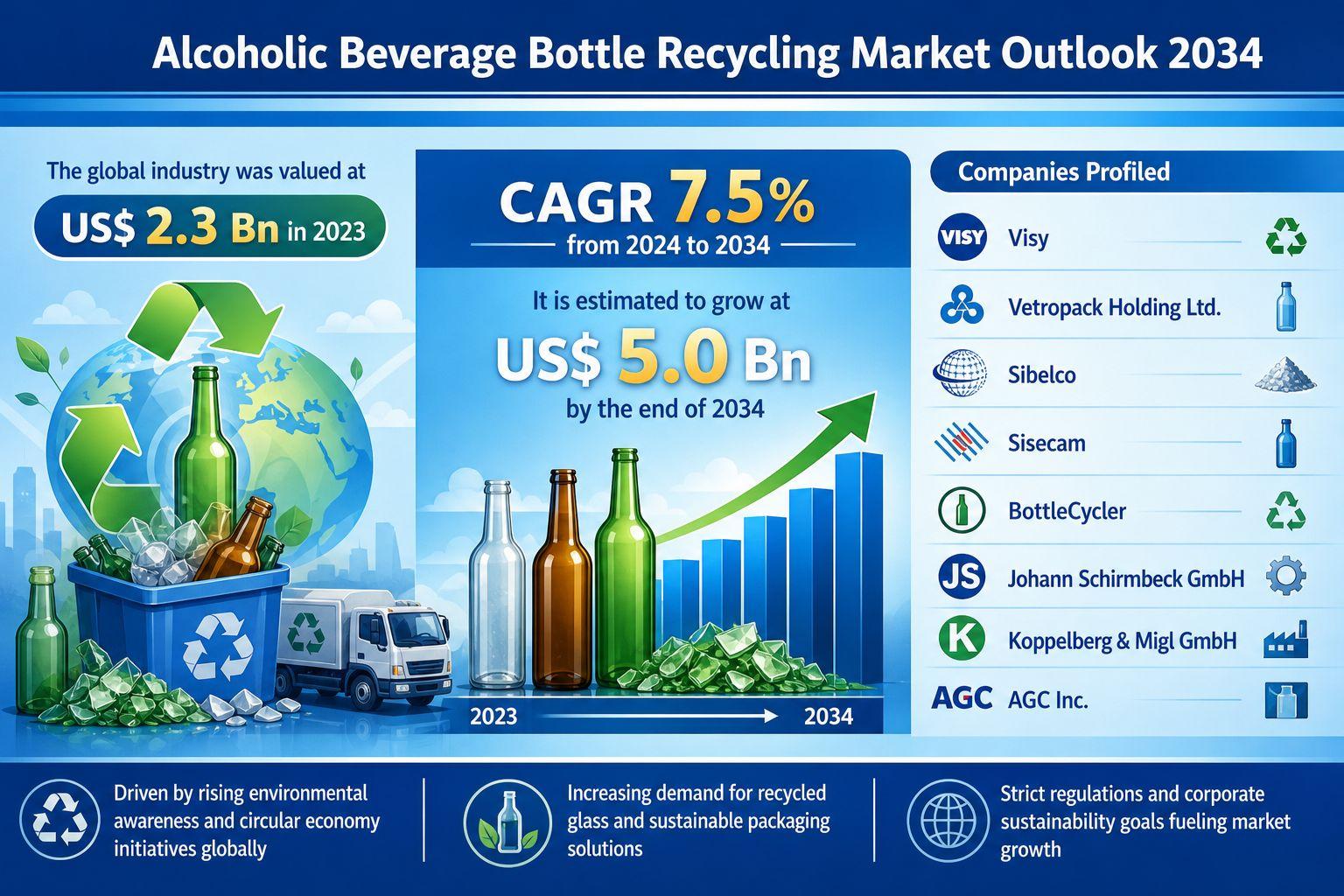
The global alcoholic beverage bottle recycling market is emerging as a crucial pillar within the circular economy, driven by sustainability commitments, regulatory frameworks, and growing environmental awareness. Valued at US$ 2.3 Bn in 2023, the market is projected to expand at a steady CAGR of 7.5% from 2024 to 2034, reaching approximately US$ 5.0 Bn by the end of the forecast period. The increasing consumption of alcoholic beverages, combined with rising waste generation and stricter environmental policies, is positioning bottle recycling as a high-impact industry worldwide.
Analyst Viewpoint
The alcoholic beverage bottle recycling market is witnessing robust growth primarily due to the surge in investments in beverage container recycling programs across developed and emerging economies. Governments are implementing structured collection systems and deposit-return schemes to reduce landfill waste and improve recycling rates. These initiatives are not only addressing environmental concerns but also creating a sustainable supply chain for glass reuse.
In parallel, the growing emphasis on sustainable packaging is significantly influencing market demand. Leading beverage companies are increasingly aligning with eco-conscious consumer expectations by integrating recycled glass into their production cycles. Moreover, companies are innovating returnable bottle systems with standardized designs to streamline logistics, reduce transportation costs, and minimize carbon emissions. This shift reflects a broader transition toward closed-loop systems in the beverage industry.
Market Introduction
Alcoholic beverage bottle recycling refers to the process of collecting and reprocessing used glass bottles from products such as wine, beer, spirits, and coolers into reusable materials. Glass remains the preferred material for alcoholic beverage packaging due to its inert nature, which preserves taste, aroma, and product integrity.
Glass is primarily composed of silica, a naturally abundant material found in sand. One of its key advantages is its recyclability without loss of quality. Recycled glass is processed into cullet, crushed glass, or powder, which can then be remelted and molded into new containers or used in alternative applications such as construction materials.
A significant portion of global glass waste originates from alcoholic beverage containers. Historical data highlights this trend; for instance, in Hong Kong, beverage bottle recycling accounted for approximately two-thirds of total glass recycling, with over 85% attributed to alcoholic beverages. This high proportion underscores the immense recycling potential within the alcoholic beverage segment, offering substantial opportunities for market players.
Key Market Drivers
Surge in Investment in Beverage Container Recycling Programs
Government-backed recycling initiatives are a primary growth driver for the market. Recycling glass requires significantly less energy compared to producing new glass from raw materials. Additionally, recycling reduces landfill usage, lowers greenhouse gas emissions, and conserves natural resources.
Countries across North America, Europe, and Asia Pacific are actively investing in recycling infrastructure and policy frameworks. A notable example is the expansion of beverage container recycling programs in regions like California, where wine, liquor, and related beverage containers were included under regulatory recycling schemes in 2024. Such initiatives are expected to boost collection rates and enhance recycling efficiency.
Rising Focus on Sustainable Packaging
Sustainability has become a central theme in consumer purchasing behavior. Modern consumers are increasingly favoring brands that demonstrate environmental responsibility. This trend is encouraging alcoholic beverage manufacturers to adopt sustainable packaging practices, particularly glass recycling.
Recycled glass, or cullet, melts at lower temperatures, resulting in energy savings during production. It also contributes to a 20% reduction in air pollution and up to a 50% reduction in water pollution compared to traditional glass manufacturing processes. These environmental benefits are prompting companies to invest in recycling partnerships and infrastructure.
For instance, global beverage companies have actively participated in glass recycling initiatives, collaborating with industry organizations and recycling firms to collect and process used glass bottles at scale. Such collaborations are accelerating the adoption of circular packaging models.
Market Trends and Opportunities
One of the prominent trends shaping the market is the development of standardized returnable bottle systems. These systems enable efficient collection, cleaning, and reuse of bottles, reducing the need for new glass production. By shortening transport routes and optimizing logistics, returnable systems offer both economic and environmental benefits.
Additionally, technological advancements in sorting and processing technologies are improving recycling efficiency. Automated systems capable of separating glass by color and quality are enhancing the value of recycled materials, making recycling operations more profitable.
Emerging markets also present significant growth opportunities. Rapid urbanization, increasing alcohol consumption, and improving waste management infrastructure in countries such as India, China, and Southeast Asian nations are expected to drive market expansion in the coming years.
Regional Outlook
Asia Pacific held the largest share of the alcoholic beverage bottle recycling market in 2023 and is expected to maintain its dominance during the forecast period. The region’s leadership is attributed to the rising consumption of alcoholic beverages and increasing awareness regarding sustainable waste management.
India, for example, is among the largest alcoholic beverage markets globally, with consumption exceeding 9.7 billion liters annually. This high consumption generates substantial glass waste, creating strong demand for recycling solutions. Governments and private players in the region are increasingly investing in recycling infrastructure to address environmental concerns.
North America is another key region, driven by the high volume of glass waste generated and the need to improve recycling rates. According to environmental data, millions of tons of glass end up in landfills annually in the United States, highlighting the untapped potential for recycling. While recycling rates in the region lag behind those in Europe, ongoing policy initiatives and industry efforts are expected to bridge this gap.
Europe continues to be a mature market with well-established recycling systems and high recycling rates. The region’s stringent environmental regulations and strong consumer awareness are key factors supporting market growth.
Competitive Landscape and Key Players
The alcoholic beverage bottle recycling market is characterized by the presence of several global and regional players focusing on expanding their recycling capabilities and enhancing operational efficiency. Companies such as Visy, Vetropack Holding Ltd., Sibelco, Şişecam, AGC Inc., BottleCycler, Johann Schirmbeck GmbH, and Koppelberg & Migl GmbH are actively shaping the competitive landscape.
These companies are investing in advanced recycling facilities, strategic partnerships, and innovative product offerings to strengthen their market position. For example, Visy announced a significant investment to upgrade its glass recycling facility in Australia, aiming to double its recycling capacity. Such expansions are critical to meeting the growing demand for recycled glass.
Key Developments
Recent developments in the market highlight the industry's focus on innovation and sustainability. In 2024, Visy introduced new glass products with a high percentage of recycled content, demonstrating the feasibility of integrating recycled materials into premium packaging solutions.
Similarly, Vetropack Group collaborated with brewing companies to develop lightweight returnable bottles, reducing material usage and transportation emissions. These innovations reflect the industry's commitment to reducing its environmental footprint while maintaining product quality.
Market Segmentation Insights
The market is segmented based on type, source, and application. By type, colored glass and plain glass are the primary categories, with colored glass dominating due to its widespread use in alcoholic beverages.
In terms of source, commercial waste accounts for a significant share, as bars, restaurants, and hospitality establishments generate large volumes of glass waste. Household waste also contributes substantially, particularly in regions with high alcohol consumption.
By application, bottle-to-bottle recycling represents the most lucrative segment, as it directly supports circular packaging systems. Other applications include fiberglass production and the use of recycled glass in construction aggregates.
Future Outlook
The alcoholic beverage bottle recycling market is poised for sustained growth over the next decade, driven by regulatory support, technological advancements, and increasing consumer awareness. As governments continue to implement recycling mandates and companies adopt circular economy practices, the demand for recycled glass is expected to rise significantly.
The transition toward sustainable packaging and the development of efficient recycling systems will play a crucial role in shaping the market’s future. Companies that invest in innovation, infrastructure, and strategic partnerships are likely to gain a competitive edge in this evolving landscape.
In conclusion, the alcoholic beverage bottle recycling market represents a dynamic and rapidly expanding sector with strong environmental and economic potential. With the market projected to more than double in value by 2034, it offers significant opportunities for stakeholders across the value chain to contribute to a more sustainable future.
Categorii
Citeste mai mult
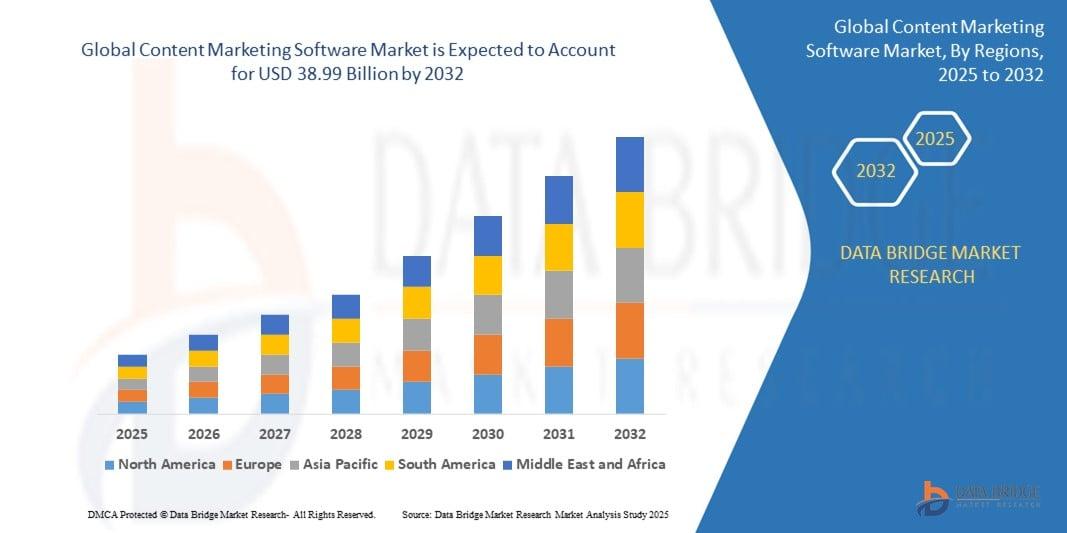
"Executive Summary Content Market Size and Share Analysis Report The Global Content Marketing Software Market size was valued at USD 9.76 billion in 2024 and is expected to reach USD 38.99 billion by 2032, at a CAGR of 21.9% during the forecast period This Content Market research report guides the management of a firm in planning. For the same, it...
Polaris Market Research has introduced the latest market research report titled Automotive Crankshaft Market Size, Share, Trends, Industry Analysis Report By Crankshaft Type (Forged Crankshaft, Cast Crankshaft, Billet Crankshaft), By Material, By Manufacturing Process, By Vehicle Type, By Region – Market Forecast, 2025–2034 that highlights the major revenue stream for the...

As a professional engineer aiming for an Engineers Australia skill assessment, you might have already realised the significance of the Career Episode in the total process. A Career Episode is a narrative wherein you tell your engineering studies, work experience, and participation in activities. The Career Episodes are of major importance in deciding the engineer's authority, that is,...

POE2 Currency continues to expand the possibilities for creative and powerful builds, and one of the most unique hybrid options is the Archer Monk. This build blends the ranged precision of an archer with the agility, tactical awareness, and spiritual resilience of a monk. The result is a versatile character capable of high mobility, sustained damage output, and strong survivability, making it...

Comprehensive Outlook on Executive Summary Companion Animal Ear Infection Treatment Market Size and Share CAGR Value Data Bridge Market Research analyses that the companion animal ear infection treatment market is growing at a CAGR of 7.30% in the forecast period of 2022-2029. Companion Animal Ear Infection Treatment Market research report unearths different industry verticals such as...